


Running Shoe Anatomy 101: Parts, Materials, and Functions
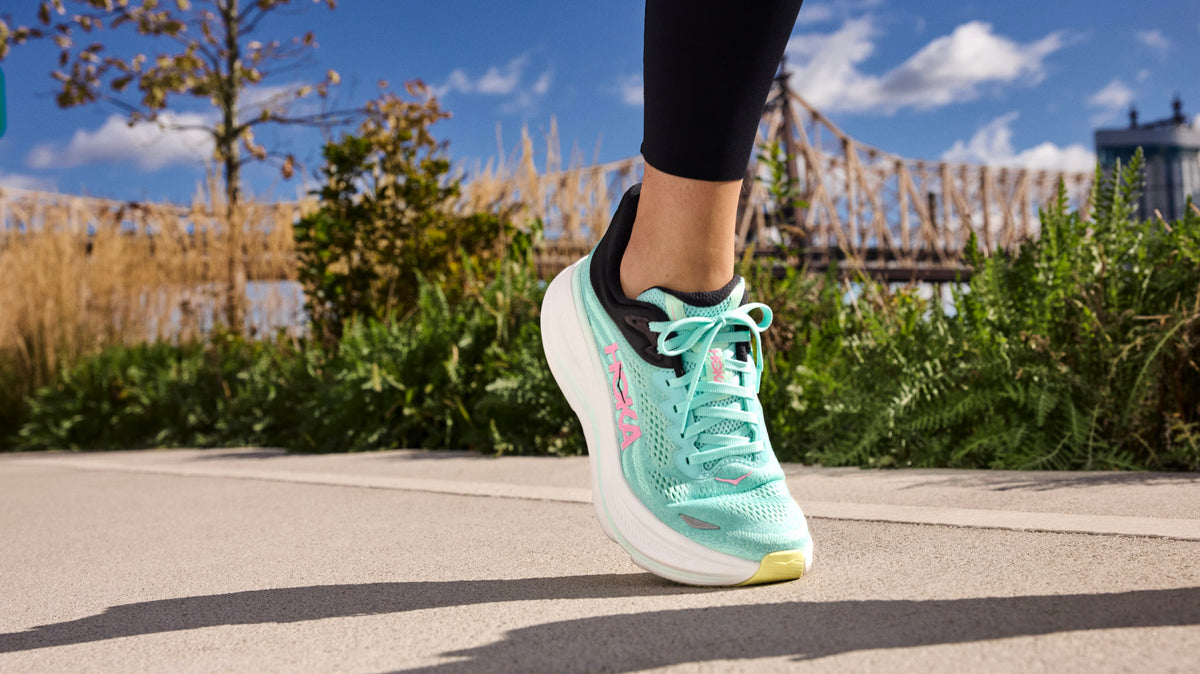
Heel Counters, Collars, and Tongues: Lockdown Without Hot Spots
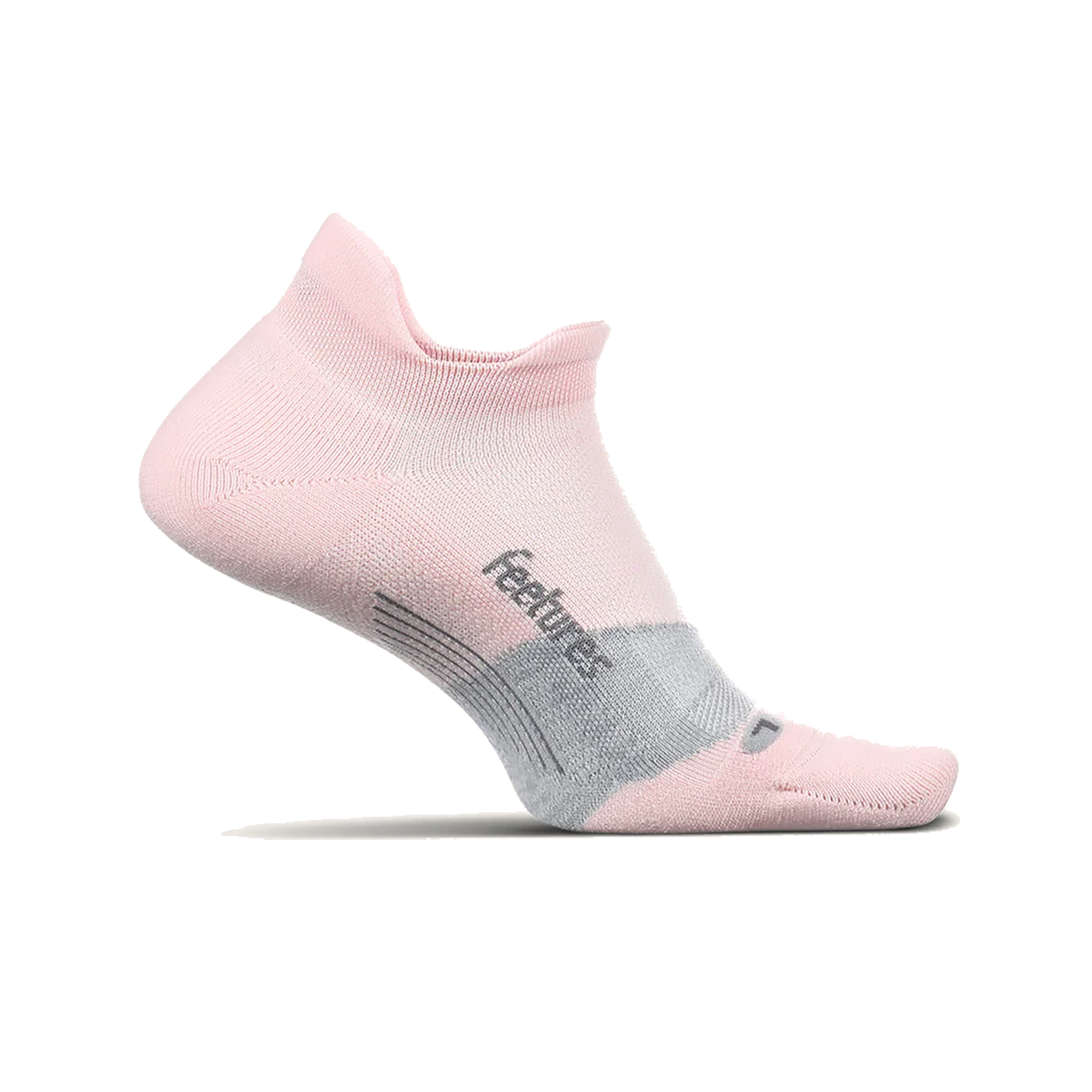
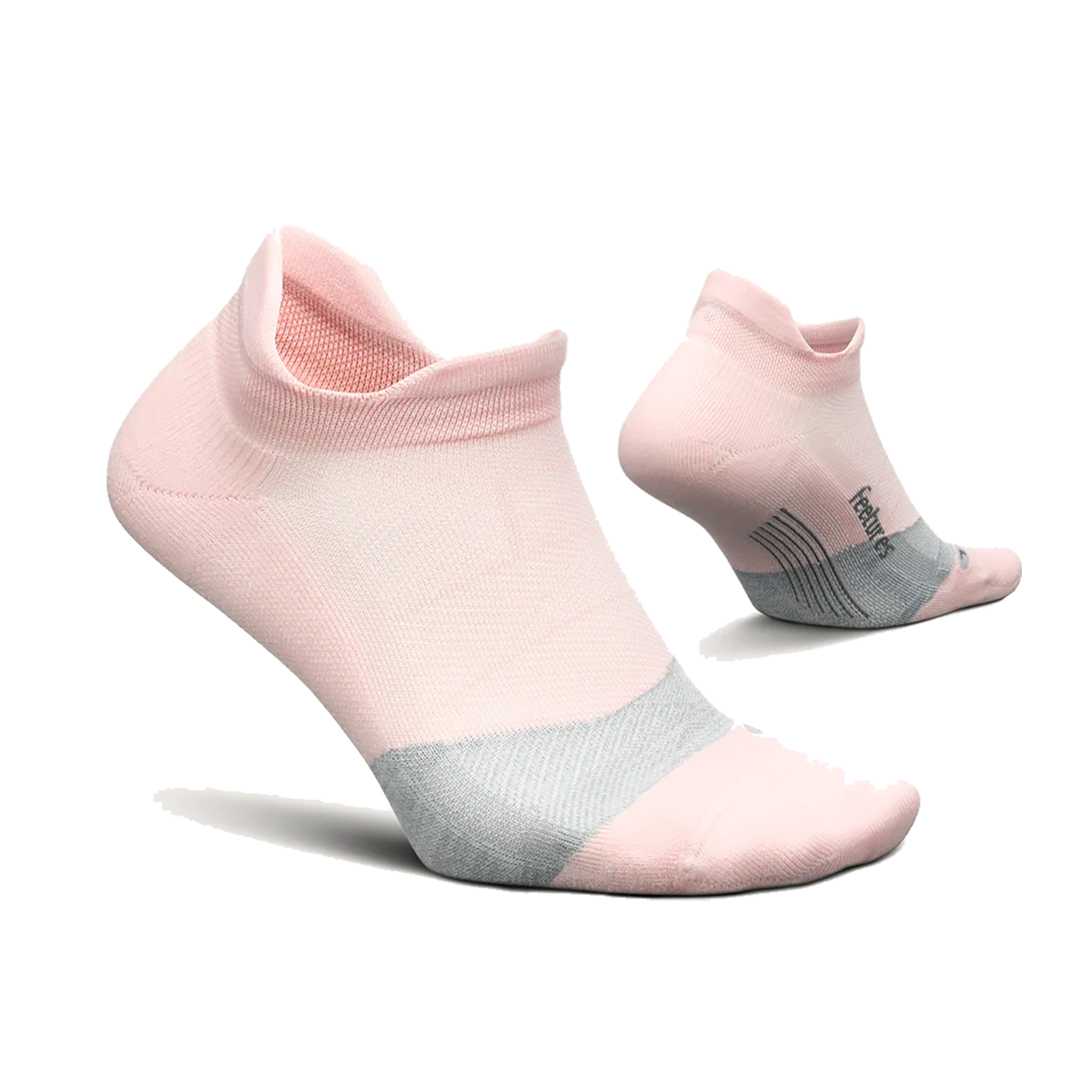
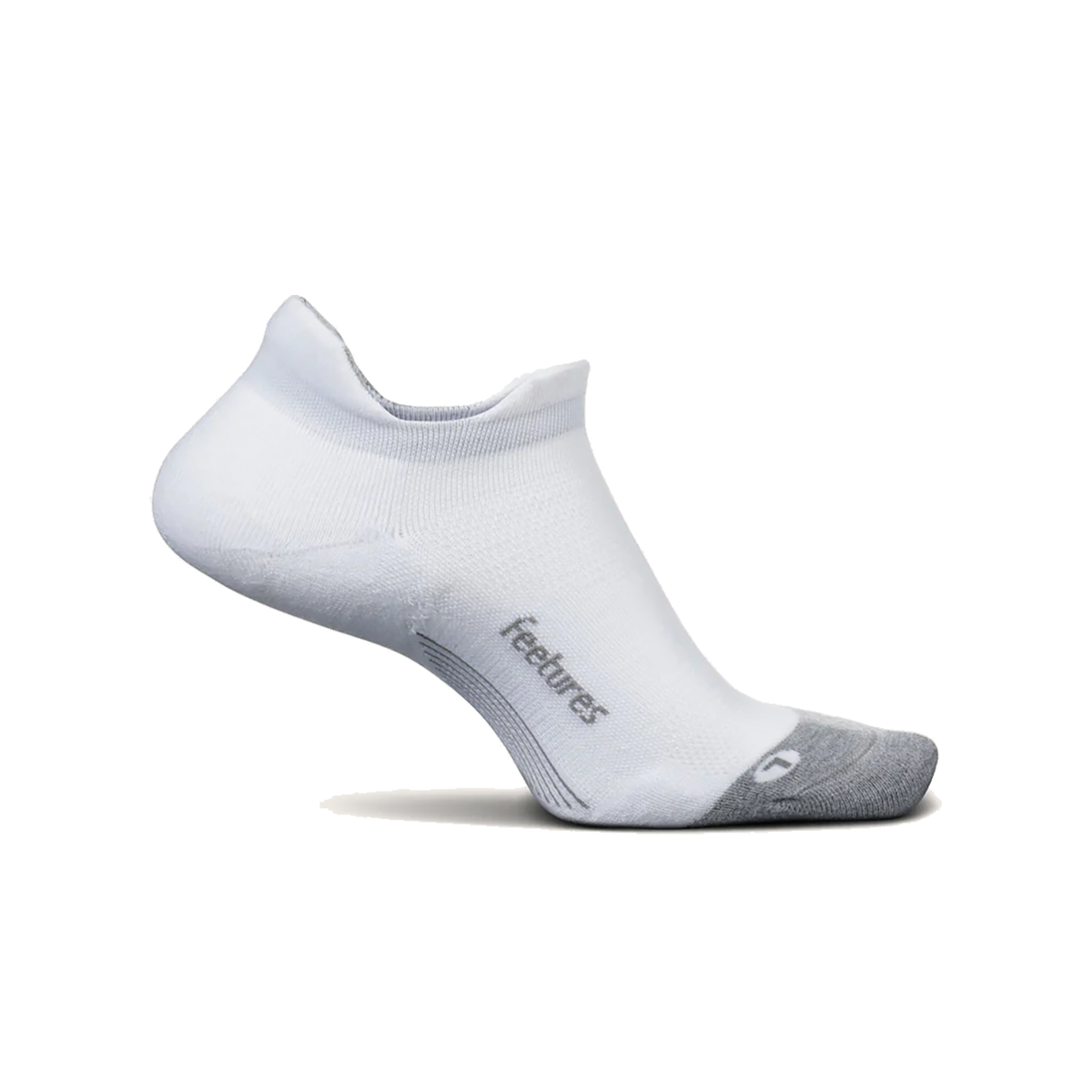
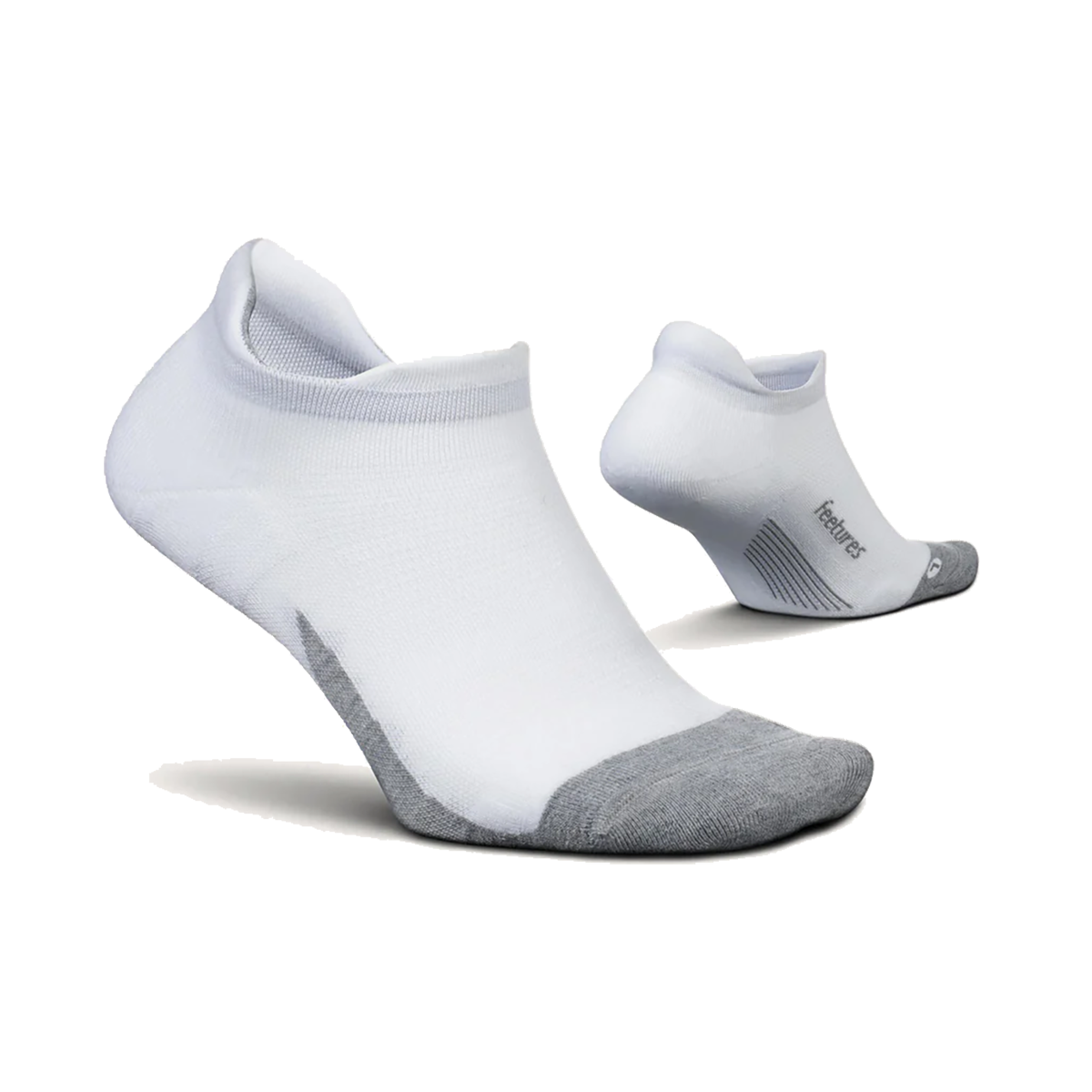
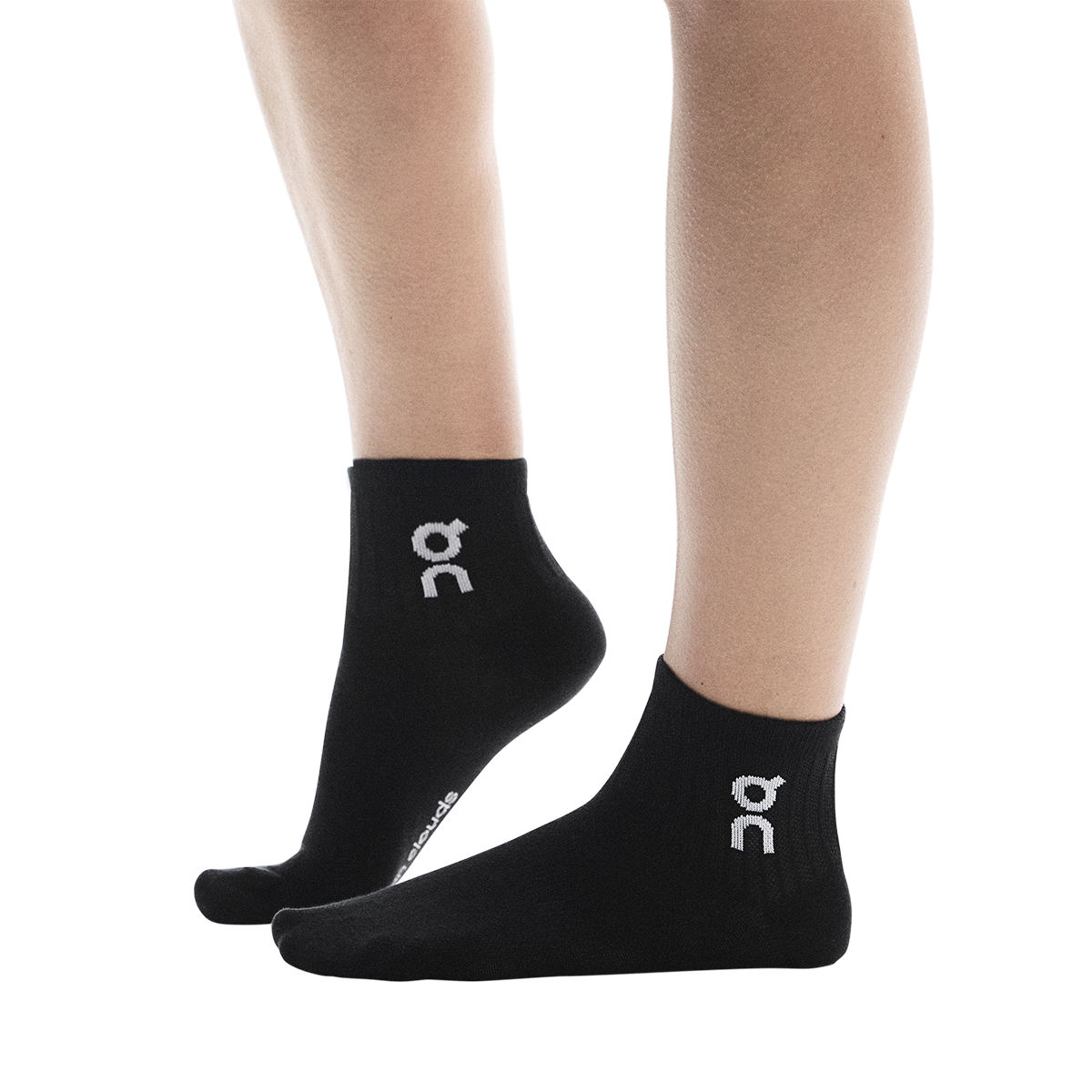
Struggling with heel slip or collar hot spots? Learn how heel counters, collars, and tongues work together to create secure, comfortable lockdown—plus quick fit checks, a decision matrix, and sock tips to keep every mile smooth.
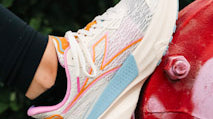
Outsoles & Rubber Compounds: Coverage, Lugs, and Durability
Your outsole’s rubber, coverage, and lugs control grip and longevity. Learn how to pick the right tread for your roads, trails, and weather—and keep it performing longer.
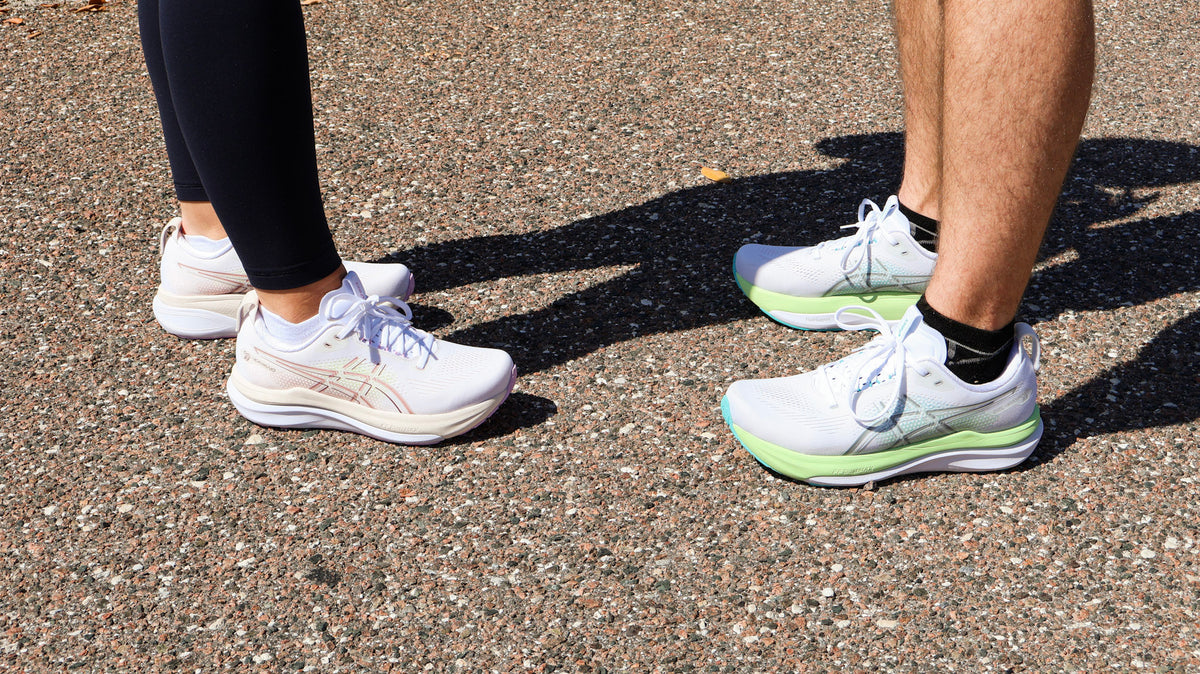
Stability Systems Compared: GuideRails, Posts, Sidewalls, and Geometry
GuideRails, posts, sidewalls, or geometry? Learn how each stability system supports your stride, who it’s for, tradeoffs to expect, and smart shoe picks to keep your runs smooth and pain-free.
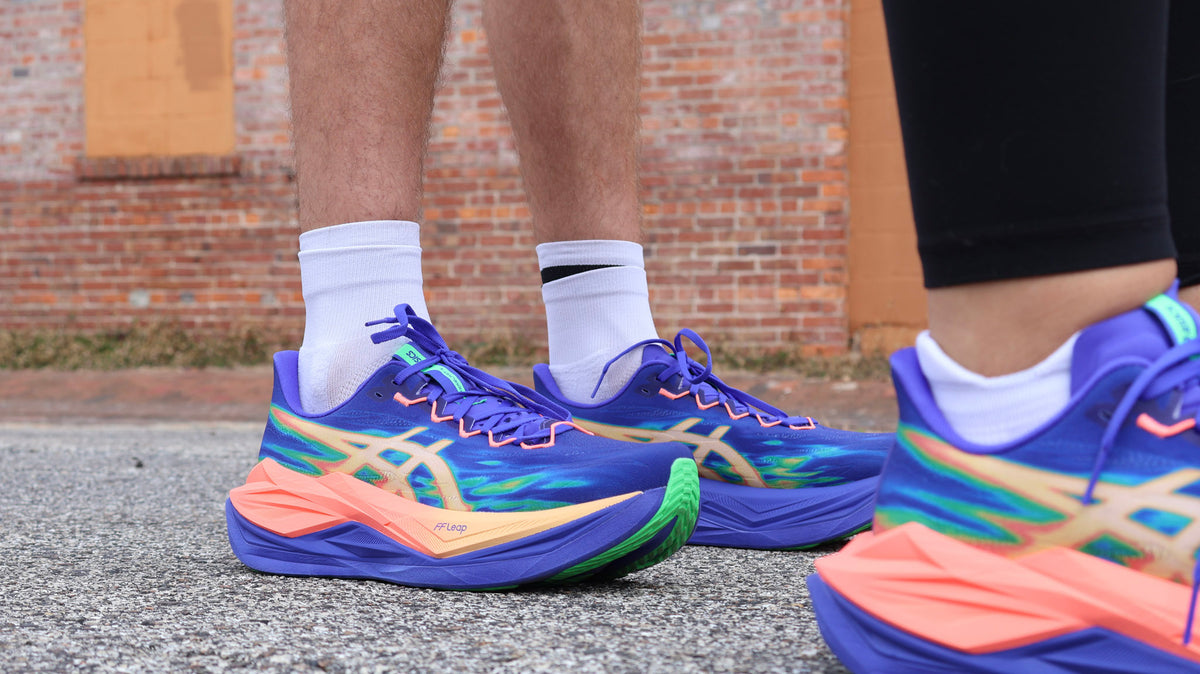
Midsole Foams Explained: EVA, PEBA, Supercritical Blends, and Stacks
EVA, PEBA, supercritical blends, and stack height each change how your run feels. Here’s how to pick the right combination for daily miles, long runs, and race day—with a few Fit2Run picks to try.
Rocker Geometry and Heel-to-Toe Drop: How Shape Guides Your Stride
Rocker geometry and heel‑to‑toe drop change how every step feels. Learn what early vs. late rockers do, how different drops load your calves and Achilles, and which Fit2Run models to try for smooth, confident miles.
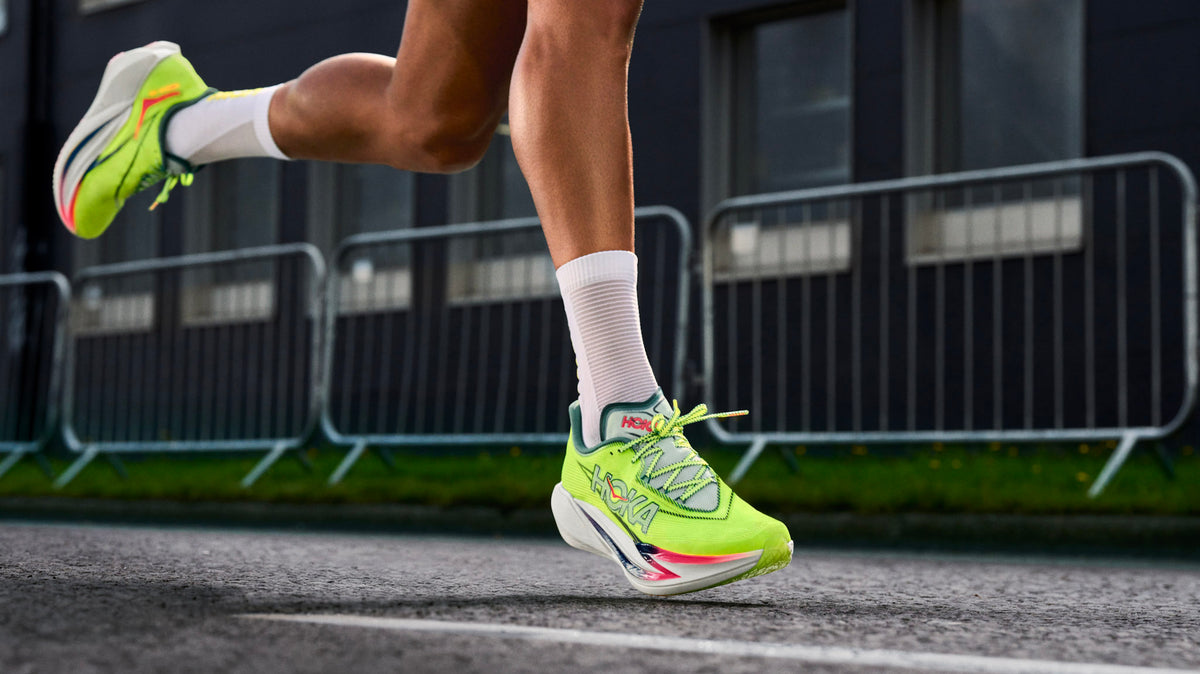
Upper Materials & Fit: Knit vs Engineered Mesh vs Film Overlays
Which upper should you choose—knit, engineered mesh, or film overlays? Compare breathability, lockdown, protection, and fit so your next pair feels right from mile one.
Running Shoe Anatomy 101: Parts, Materials, and Functions
Make running‑shoe anatomy simple. Learn how uppers, lockdown, midsoles, geometry, stability, and outsoles shape your run—and how to shop smarter at Fit2Run with practical checklists, matrices, and links to deeper guides.