


A great run starts with a secure, irritation-free fit. If your heel slips or hot spots flare up around your Achilles or instep, look first at three upper features that control lockdown: the heel counter, the collar, and the tongue. Get these right for your foot shape and training, and you’ll feel confident from warm-up to cooldown. Let’s break down how each part works—and how to choose the combo that keeps you locked in without pressure points. 🏃♀️✨
What Each Part Does
Heel counter: The structured cup inside the rearfoot that keeps your calcaneus centered. Firmer counters boost rearfoot stability and limit heel lift; softer or sculpted counters reduce pressure for sensitive Achilles tendons.
Collar: The padded rim around your ankle. Its height, foam density, and shape influence comfort, Achilles freedom, and whether the shoe hugs your heel or rubs.
Tongue: The piece beneath the laces that spreads lace pressure. Constructions range from free-floating to semi- or fully gusseted (attached to the upper) to improve midfoot security and help keep debris out.
Lockdown Without Hot Spots: Quick Fit Checks
- Rearfoot grip: Stand, then rise onto your toes. If your heel pops up more than ~3–4 mm, try a firmer heel counter, thicker collar foam, or a gusseted tongue for added midfoot hold.
- No bite at the instep: If you feel lace pressure, choose a thicker or softly padded tongue and consider a semi-gusseted design to stabilize without squeezing.
- Achilles comfort: Rubbing at the back? Look for a beveled or scooped collar and a counter with more give at the top rim.
- Midfoot security: Side-to-side slosh often improves with a gusseted tongue and strategically shaped overlays (see Upper Materials & Fit: Knit vs Engineered Mesh vs Film Overlays).
Decision Matrix: Which Construction Fits Your Priorities?
Use this compact table to match tongue, collar, and counter styles to your training and sensitivity needs.
| Option | Lockdown | Hot-Spot Risk | Breathability | Best For |
|---|---|---|---|---|
| Fully gusseted tongue + firm heel counter + medium collar | High | Low–Med (spreads lace pressure well) | Medium | Tempo/long runs, narrow/low-volume feet, hilly routes |
| Semi-gusseted tongue + semi-rigid counter + plush collar | Medium–High | Low (collar cushions bony ankles) | Medium | Daily miles, recovery days, Achilles-sensitive runners |
| Free-floating tongue + softer counter + low-profile collar | Medium | Med (watch lace bite) | High | Short runs, warm climates, high-instep feet needing room |
How Heel Counters Differ
- Rigid/internal cup: Maximizes rearfoot stability and reduces vertical heel lift. Great if you feel wobbly on cambered roads. Tradeoff: can irritate sensitive Achilles if the top edge is square.
- Semi-rigid with sculpted rim: Balanced hold with softer contact points where rubbing happens. Works for most daily training.
- Soft or molded clip: Comfier for treadmill or short runs when motion control isn’t a priority. Expect more heel movement on steep downhills.
Collar Geometry and Foam Feel
- Plush, tall collars reduce edge pressure and cradle the malleoli—nice on recovery days or if your ankles bruise easily. Slightly heavier and warmer for summer long runs.
- Low, beveled collars free the Achilles for uptempo work and reduce rubbing at the tendon—be sure the counter still holds your heel.
- Asymmetrical collars place more padding medially to resist in-shoe pronation; they can feel odd if your ankles are bony laterally.
Tongue Constructions Explained
- Fully gusseted: Attached on both sides for consistent midfoot wrap and debris control. Excellent for speed work and uneven terrain; slightly warmer in humid summers across the Southeast U.S.
- Semi-gusseted (one side or stretchy wings): Stabilizes the tongue while adapting to high insteps. A sweet spot for most daily training.
- Free-floating: Maximum adjustability and airflow. Best if you’re lace-sensitive but need to fine-tune pressure over the top of the foot.
Fit Tips to Prevent Heel Slip and Hot Spots
- Use the runner’s loop (heel lock) lacing: It increases ankle collar grip without over-tightening the forefoot.
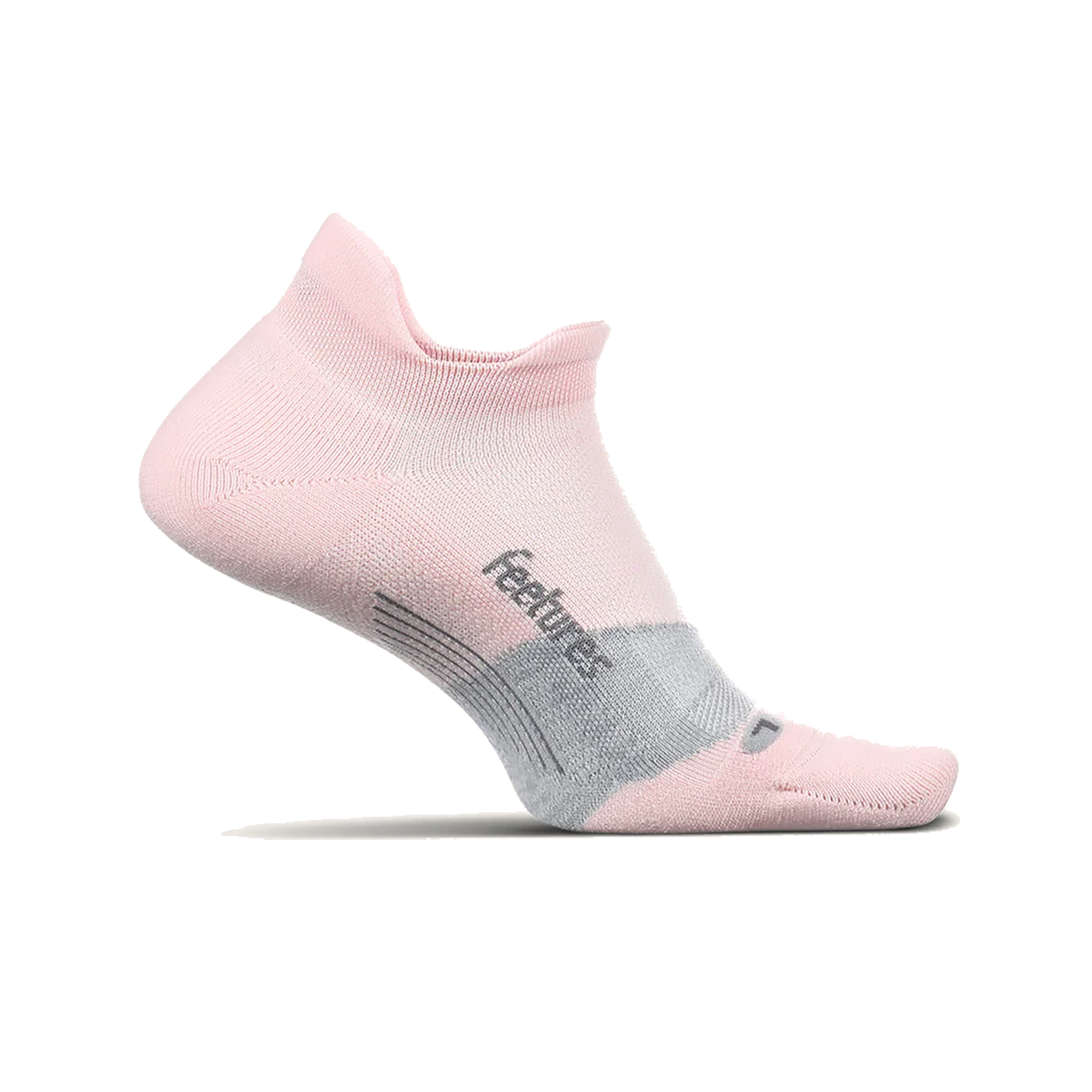
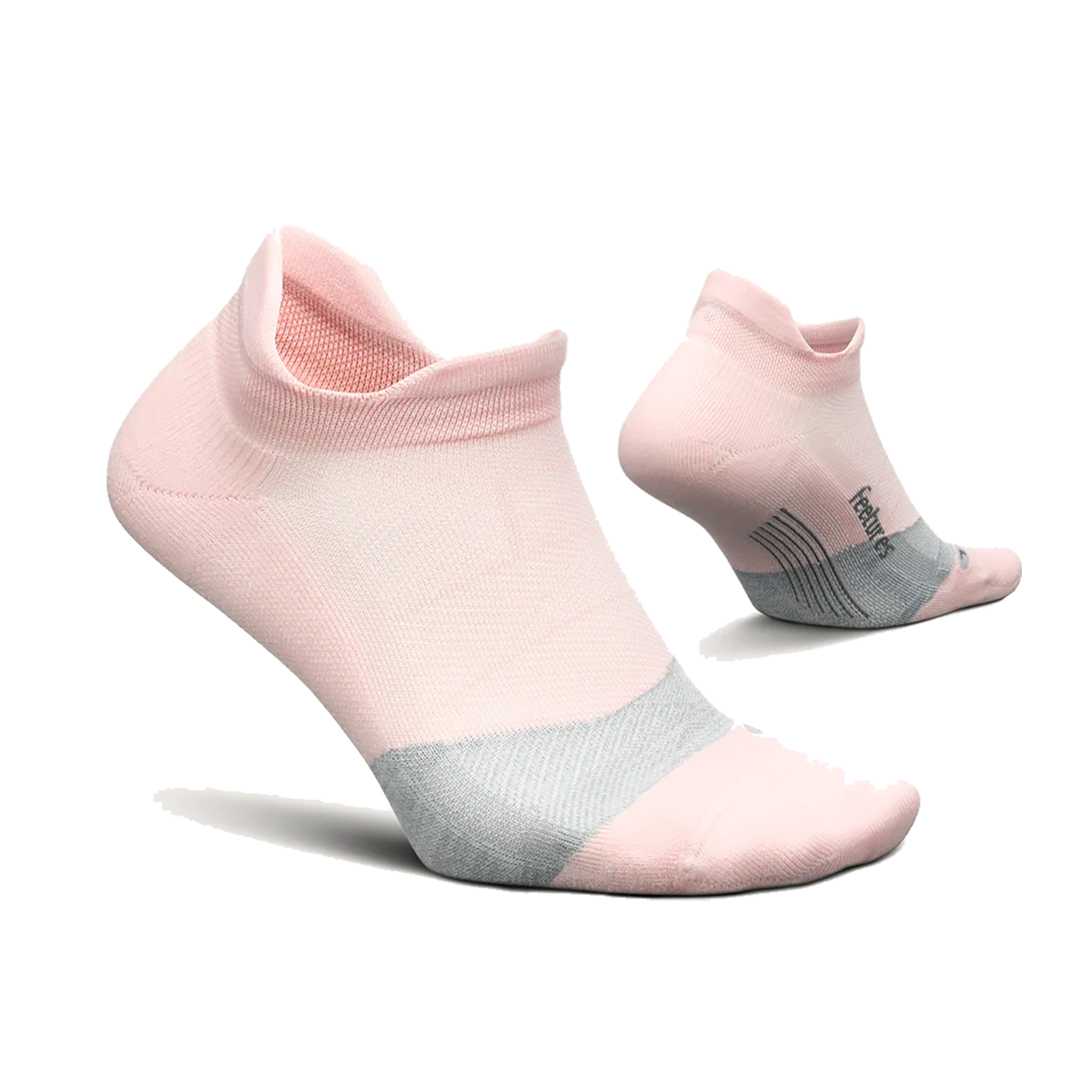
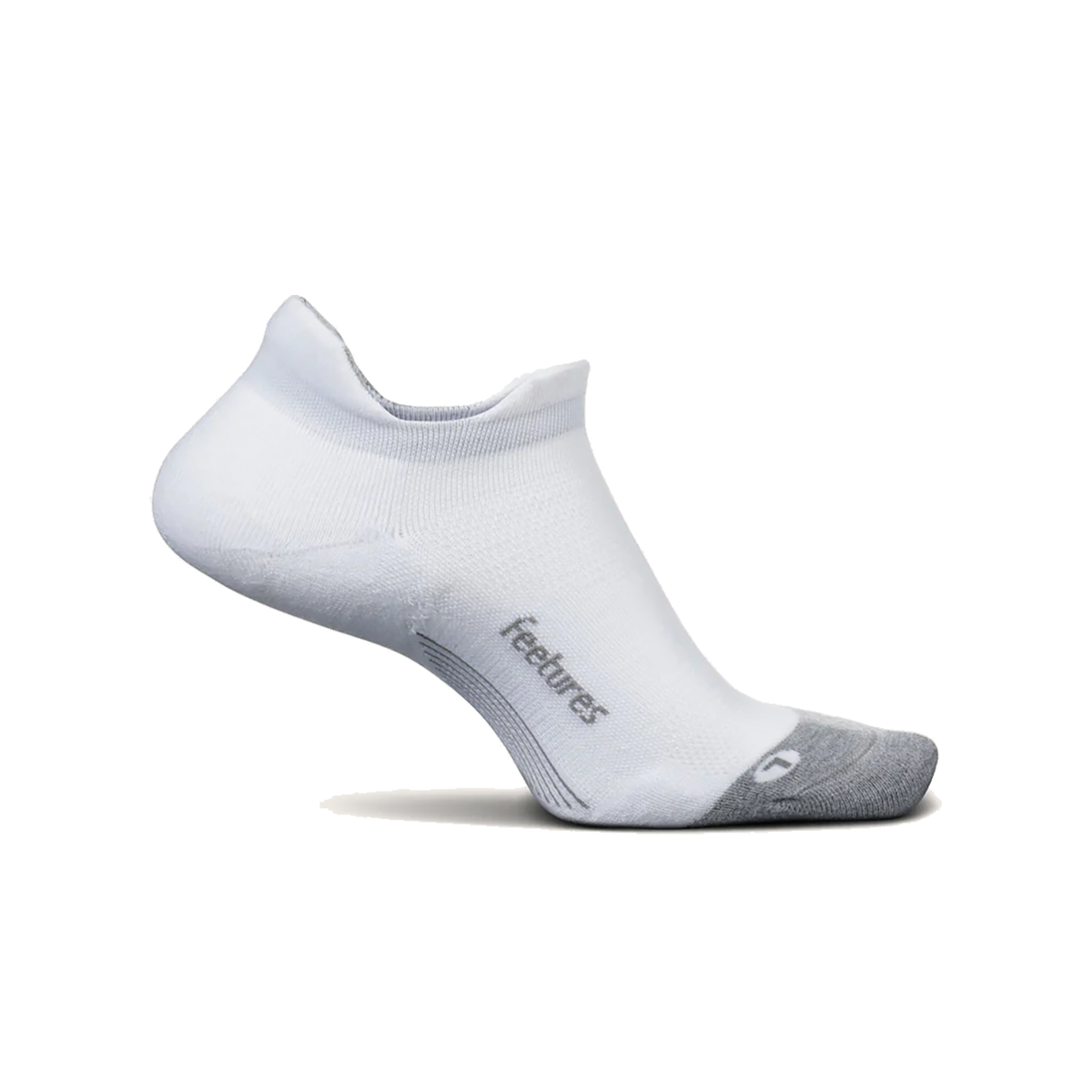
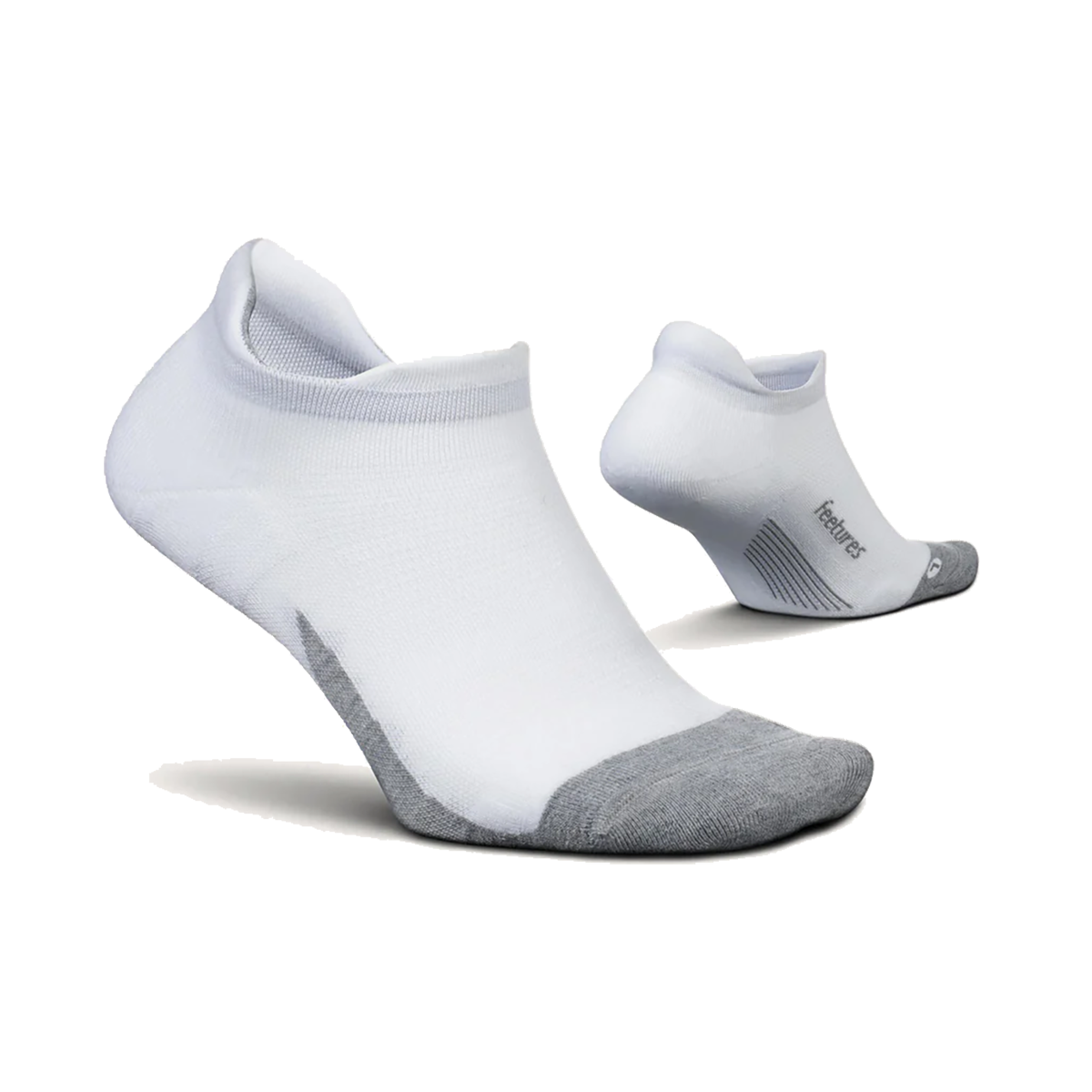
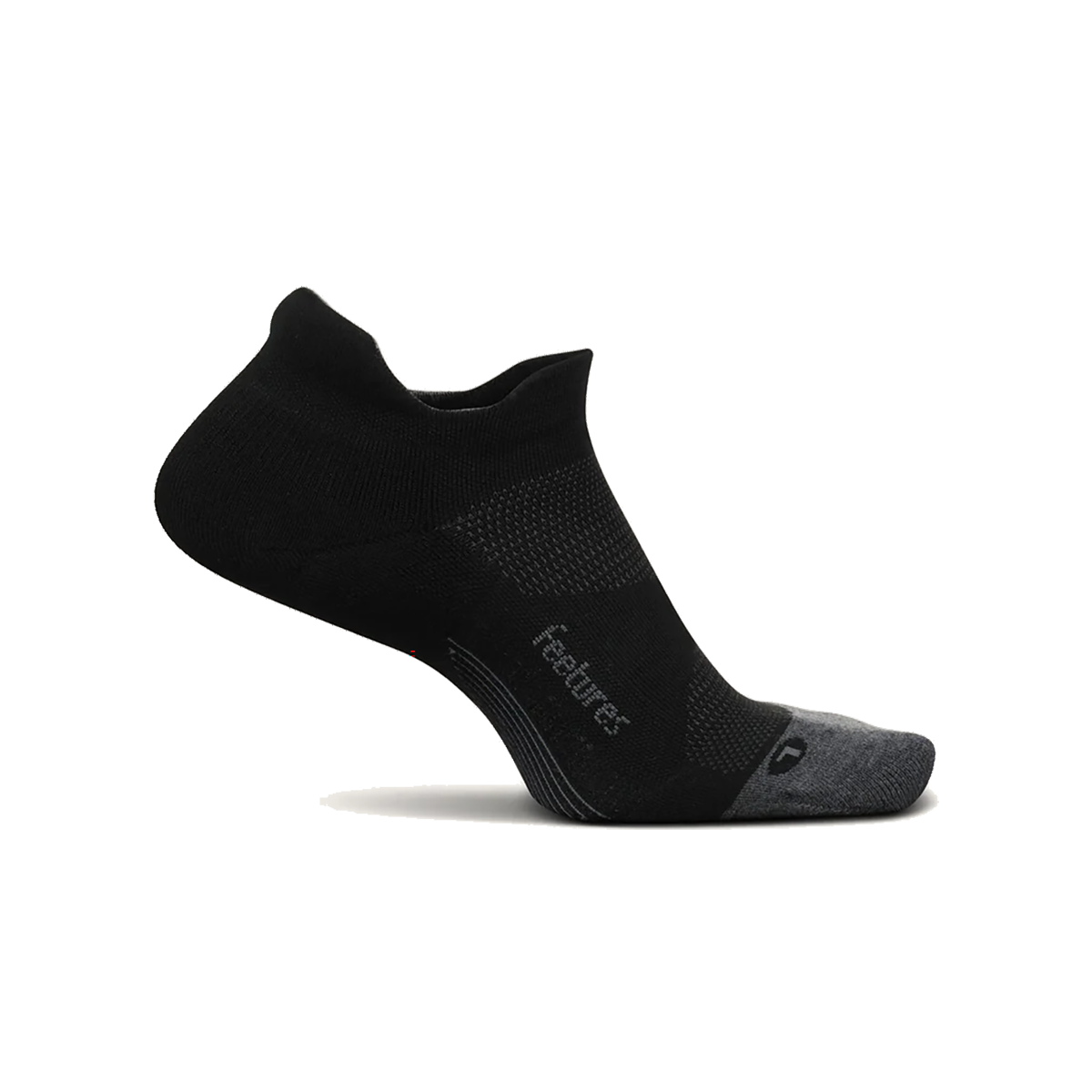
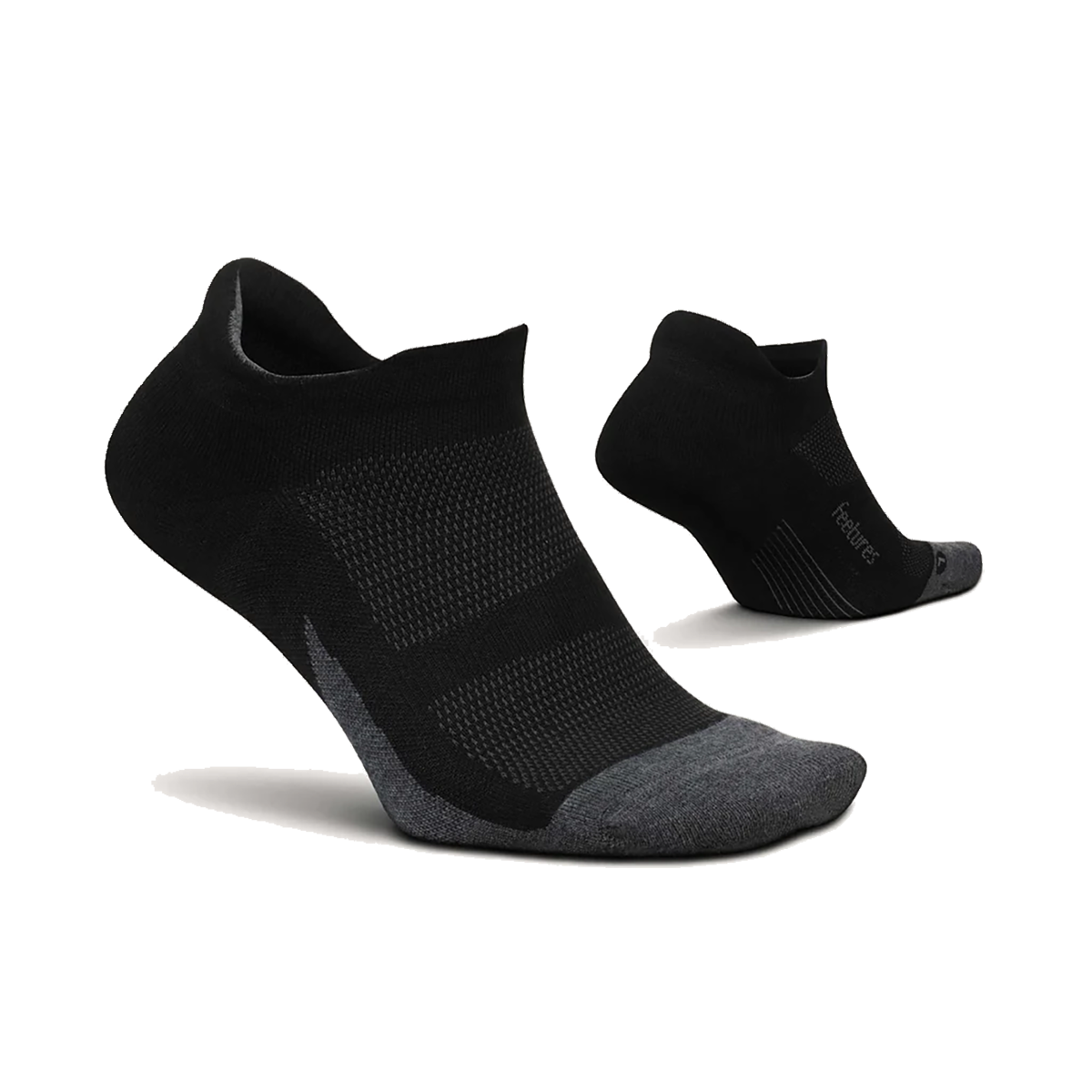
- Match sock thickness to collar volume: A lightly cushioned, blister-resistant tab sock can fill small gaps and protect the Achilles from rubbing. Consider Feetures Elite Light Cushion No Show Tab for protective tabs and targeted arch support.
- Mind the instep: If you feel bite, choose a plusher or wider tongue and skip eyelets over the sore spot.
- Check for thumb-nail toe room: Rearfoot lockdown won’t work if your foot is crammed forward—aim for about a thumbnail of space at the front.
How Lockdown Interacts With Other Shoe Tech
Upper fit works hand-in-hand with shape and foam. Aggressive rockers can encourage forward motion, which sometimes reduces heel slip when the upper is dialed; learn more in Rocker Geometry and Heel-to-Toe Drop: How Shape Guides Your Stride. Midsole density and stack also affect how tightly you’ll want the upper to hold—see Midsole Foams Explained: EVA, PEBA, Supercritical Blends, and Stacks. Finally, outsole rubber and traction can change how your foot shears inside the shoe under load; compare compounds in Outsoles & Rubber Compounds: Coverage, Lugs, and Durability, and see how different stability elements help guide the foot in Stability Systems Compared: GuideRails, Posts, Sidewalls, and Geometry.
Surface, Climate, and Mileage Considerations
- Hot/humid runs (e.g., Gulf Coast summers): Look for airy collars and tongues with perforations; consider semi-gusseted designs for balance.
- Cold, layered-sock days (e.g., Midwest winters): Plush collars and roomier throats help accommodate thicker socks without pressure points.
- Hilly routes: Favor firm counters and gusseted tongues to limit downhill heel lift.
- High-mileage training blocks: Prioritize collar foam that rebounds and a tongue that won’t migrate during late-run form fade.
Accessories That Help
- Anti-blister socks: A snug, tabbed sock protects the heel lip and reduces friction. If you like a sleeker feel, try Feetures Elite Ultra Light No Show Tab; for more cushioning at the Achilles, go with Feetures Elite Light Cushion No Show Tab.
- Lace swaps: Elastic or flatter laces can reduce bite over the instep while maintaining midfoot hold.
Try-On Routine (2 Minutes)
- Wear your usual running socks and lace with a runner’s loop.
- Walk, then jog in place. Note any heel lift, lace bite, or collar rub.
- Do 3–4 heel raises and 3 lateral hops per side. If the heel slips, re-lace or try a firmer counter/gusseted tongue combo.
- Confirm toe room and midfoot security—no pinching, no sliding.
Frequently Asked Questions
Do I need a gusseted tongue to stop heel slip?
Not always, but it helps. Heel slip typically improves with a firmer heel counter and consistent midfoot wrap. A gusseted tongue steadies the tongue and spreads lace pressure so you can snug the laces without creating hot spots.
Are plush collars better for Achilles pain?
They can be. Softer, beveled collars reduce edge pressure on the tendon. If tenderness persists, look for a counter with a scooped or cutaway top and avoid tall, rigid rims.
What’s the fastest way to reduce lace bite?
Try a thicker or softly padded tongue and adjust your lacing to skip the eyelet over the sore spot. A semi-gusseted tongue can also hold the tongue in place so pressure stays even.
Can socks really prevent hot spots around the heel?
Yes. Snug, tabbed socks with moisture-wicking yarns reduce friction at the collar and Achilles. Lightly cushioned options add just enough volume to fill minor gaps for a steadier hold.
Next Steps
Dialing in heel counters, collars, and tongues is one part of your perfect fit. If you’re comparing foams, rocker shapes, or traction packages, explore our related guides above. Want ongoing savings while you log miles this season? Check out the everyday perks in our Fit2Run Club Membership. And if you’re shopping for a runner in your life, a flexible option is our Fit2Run Gift Cards. You’ve got this—secure fit, zero hot spots, happy miles! 🎯