


If your ankles tend to roll inward or your knees feel achy after longer runs, the right stability system can keep your stride aligned—without feeling bulky or stiff. Here’s a clear, coach-style breakdown of four common approaches you’ll see on today’s shoes: GuideRails, medial posts, sidewalls and flared platforms, and geometry-driven guidance. We’ll explain how each works, who it fits, tradeoffs to expect, and where it shines from easy miles to marathon day. Let’s get you running happy and confident. 🏃♀️💨
Quick Take: Which Stability Style Matches Your Stride?
- Want gentle, on-demand support that stays out of the way? Try GuideRails—great for runners who only need help when fatigue sets in.
- Need more assertive control under the arch? A medial post (like ASICS 4D Guidance) adds firmer structure for moderate overpronation. fit2run.com
- Prefer a natural feel with extra stability from the shape itself? Sidewalls and a flared base widen your platform and hug the foot without hard posts. fit2run.com
- Care most about a smooth roll and easy turnover? Geometry-driven stability (rocker, drop, and wide contact) guides your path step after step.
How Each Stability System Works
1) GuideRails: Bumper-style Guidance Around the Heel and Midfoot
GuideRails act like subtle bumpers that limit excess inward roll while letting your natural motion flow. Instead of propping up the arch with a firm block, the system keeps the heel and midfoot centered so support “activates” only when you deviate. That’s why it often feels smooth for both easy days and long runs.
- Best for: Mild to moderate overpronation, runners who want a soft ride with support that you barely notice until you need it.
- Tradeoffs: Less “locked-in” than a firm post if you need maximum control.
- Try it: For max guidance in a roomy, supportive trainer, the Brooks Beast GTS 26 (men) and Brooks Ariel GTS 24 (women) deliver a stable platform that stays comfortable as the miles stack up.
For how heel shape influences lockdown with GuideRails, see Heel Counters, Collars, and Tongues: Lockdown Without Hot Spots.
2) Medial Posts: Firmer Support on the Inner Edge (ASICS 4D Guidance)
Medial posts place a slightly denser material along the arch side to slow inward collapse. ASICS’ 4D Guidance modernizes this idea by shaping “bumpers” to keep your foot tracking forward while maintaining a cushioned feel. It’s a familiar, effective solution for runners who want clear, consistent support under the arch. fit2run.com
- Best for: Moderate overpronators or runners who appreciate a bit more structure on long days.
- Tradeoffs: Can feel firmer under the arch; some runners perceive less flexibility.
- Try it: The ASICS GEL-Kayano 32 ATC pairs soft cushioning with 4D Guidance for steady alignment from first mile to cooldown.
For the foam platforms that shape how posts feel, explore Midsole Foams Explained: EVA, PEBA, Supercritical Blends, and Stacks.
3) Sidewalls and Flared Platforms: Stable by Design
Think of raised sidewalls as a gentle cradle and a flared base as a wider landing pad. Together they add stability without hard posts, giving a centered feel that still moves naturally. This approach shines for runners who want subtle guidance plus a roomy platform for daily miles. fit2run.com
- Best for: Mild overpronation, mixed run-walk use, and runners who want stability that feels “invisible.”
- Tradeoffs: Less corrective if your arch collapses substantially.
- Try it: The On Cloudflyer v5 (men) and On Cloudflyer v5 (women) combine a widened platform with supportive sidewalls for a smooth, accommodating ride.
Outsole coverage also affects how planted a shoe feels on wet sidewalks or treadmill decks—see Outsoles & Rubber Compounds: Coverage, Lugs, and Durability.
4) Geometry-driven Stability: Rockers, Drop, and H-/J-Frame Concepts
Some shoes steer your stride using their overall shape—rocker profiles that roll you forward, moderate heel-to-toe drop to ease calf load, and frame-like layouts (H-Frame™/J-Frame™) that add guidance where you need it while keeping weight low. The result is easy transitions and a centered path that feels natural on steady runs and tempo days.
- Best for: Runners who value a smooth rocker and lightweight guidance that doesn’t feel intrusive.
- Tradeoffs: If you require very firm control, you may prefer a posted shoe.
- Try it: The HOKA Arahi 8 (women) or HOKA Arahi 8 (men) use an updated H-Frame™ to keep you centered without extra heft.
For a deeper look at how rocker and drop shape your stride, check out Rocker Geometry and Heel-to-Toe Drop: How Shape Guides Your Stride.
Comparison Table: Stability Systems at a Glance
Use this matrix to match your priorities to each approach.
| System | How it Stabilizes | Feel Underfoot | Best For | Common Tradeoffs |
|---|---|---|---|---|
| GuideRails | Rail-like bumpers center heel/midfoot as needed | Soft, smooth, support “kicks in” on demand | Mild–moderate overpronation; long easy miles | Less firm than a post for severe collapse |
| Medial Post / 4D Guidance | Denser foam or shaped bumpers on medial side | Noticeably supportive under arch | Moderate overpronation; all-day support | Can feel firmer, slightly less flexible |
| Sidewalls + Flared Base | Raised walls cradle foot; wider platform resists roll | Natural, “invisible” stability | Mild overpronation; mixed run-walk | Not enough for severe overpronation |
| Geometry-Driven | Rocker + drop + frame layout guide transitions | Easy roll, lightweight guidance | Daily training to uptempo runs | Less corrective for strong pronation |
Fit and Selection Tips (U.S. Sizing)
- Match support to need: If your wear pattern or gait video shows a mild inward roll, start with GuideRails or sidewalls; if the arch collapses more noticeably, consider a post or geometry with added framing. fit2run.com
- Prioritize platform width: Wider bases feel more planted on uneven sidewalks and in warm-weather swelling. Models like the Topo Ultrafly 5 (men) or Topo Ultrafly 5 (women) pair mild stability with a roomy toe box that’s great for daily miles.
- Lock the heel comfortably: A secure heel works hand-in-hand with any stability system; visit Heel Counters, Collars, and Tongues for practical lacing and fit insights.
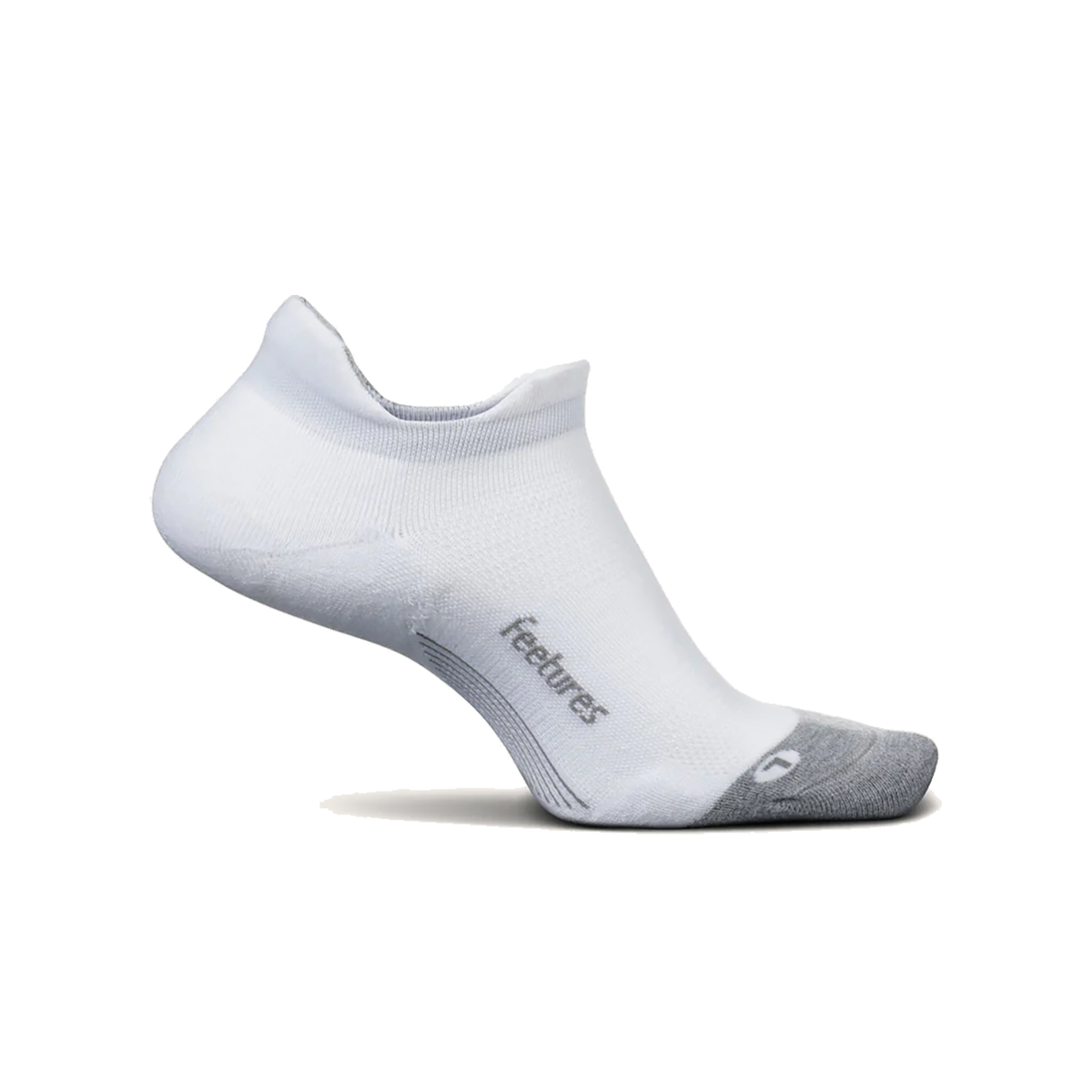
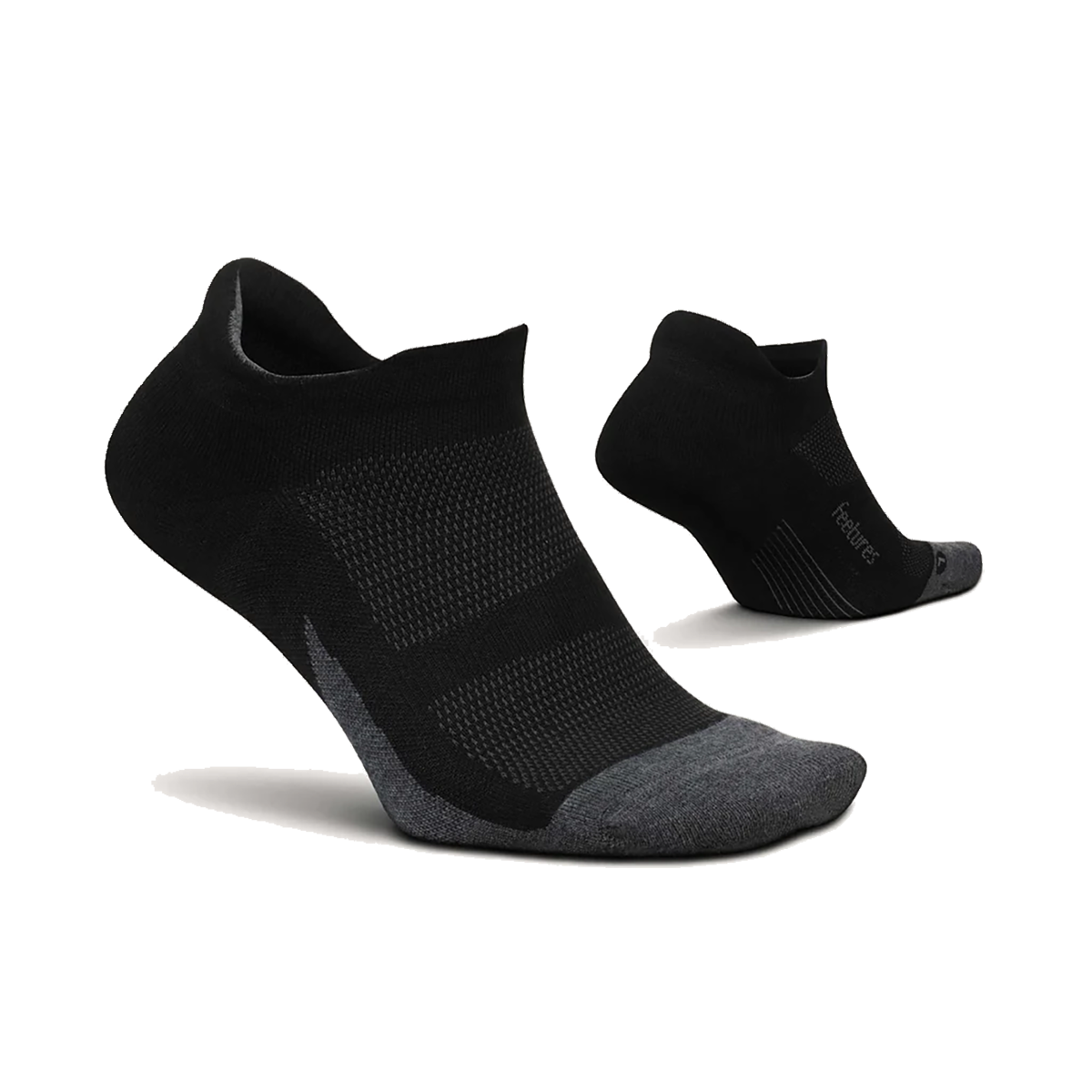
- Consider sock support: If your ankles feel wobbly late in runs, a stabilizing sock can help—try Falke Stabilizing Cool Socks for light proprioceptive feedback alongside your shoes.
Situational Recommendations
- High-mileage base building: Prioritize consistent guidance and durable rubber. A GuideRails trainer or a posted option like Kayano can keep form steady as fatigue rises.
- Mixed running and standing all day: Choose a wide platform with sidewalls or a supportive post for hours on your feet. fit2run.com
- Uptempo days: A geometry-forward shoe with rocker and modest drop helps you stay smooth without overcorrecting.
For how uppers influence midfoot hold and toe splay, see Upper Materials & Fit.
Real Shoes, Real Use Cases
- Max guidance for bigger frames or serious support needs: Brooks Beast GTS 26 (men) balances plush cushioning with GuideRails to stay aligned on long work shifts and weekend long runs.
- Soft-but-structured daily miles: ASICS GEL-Kayano 32 ATC offers cushioned landings with 4D Guidance “bumpers” that curb inward roll without feeling blocky. fit2run.com
- Lightweight guidance for steady and tempo paces: HOKA Arahi 8 (men) or HOKA Arahi 8 (women) use an updated H-Frame™ for smooth transitions and a centered ride.
- Natural-feeling stability with a roomy toe box: Topo Ultrafly 5 (women) or Topo Ultrafly 5 (men) blend mild posting with a wider base for comfort on everyday U.S. roads and sidewalks.
- Sidewall-supported cushion with a secure feel: On Cloudflyer v5 (women) or On Cloudflyer v5 (men) provide a stable platform that still feels lively across weekly mileage.
Curious how outsole rubber and contact geometry affect traction in rain or on treadmill decks? Don’t miss Outsoles & Rubber Compounds.
Frequently Asked Questions
Do stability shoes slow you down?
No. The right stability can make you more efficient by keeping your joints aligned so you waste less energy correcting with every step. For faster sessions, look for geometry-forward designs that feel smooth at higher cadence.
How do I choose between GuideRails and a medial post?
If you’re borderline or only roll in when tired, GuideRails often feels more natural. If your arch collapses more and you want a distinctly supported feel, a post like 4D Guidance adds firmer control. When in doubt, A/B test them during a short jog and pick the one that disappears on foot.
Are sidewalls and a wide base enough for flat feet?
They can be for mild cases, especially paired with a secure heel and the right in-shoe comfort. For moderate to severe flat feet, a posted or GuideRails model usually maintains alignment better over longer efforts. fit2run.com
What if I want stability but a roomy toe box?
Look for milder systems (sidewalls, geometry, or light posting) paired with an anatomical last. A model like the Topo Ultrafly 5 provides space up front without sacrificing guidance.
Next Steps
- Compare midsole feel before you buy with Midsole Foams Explained and see how rocker and drop shape your stride in Rocker Geometry & Heel-to-Toe Drop.
- Dial in secure comfort up top with Upper Materials & Fit and heel hold tips from Heel Counters, Collars, and Tongues.
- Training for a first 5K or building marathon volume? Pick the system that keeps you steady without distraction, then let the miles add up. You’ve got this! 🙌