


Your upper is the first thing your foot feels. It decides how cool your toes stay in July, how locked-in you feel on descents, and whether mile 8 still feels comfy. Here’s a clear breakdown of knit, engineered mesh, and film overlays so you can match the material to your runs, foot shape, and climate. Let’s find that just-right fit and go get those miles! 🏃♀️🔥
What each upper does for your run
All three options can be excellent—the right pick depends on how much stretch you want, how airy you need things to feel, and how much structure you prefer around the midfoot and toe.
Quick comparison: knit vs engineered mesh vs film overlays
Use this compact matrix to zero in on the feel you want.
| Upper Type | Breathability | Stretch & Conform | Lockdown & Structure | Weather/Trail Protection | Typical Fit Notes |
|---|---|---|---|---|---|
| Knit | High airflow if open-knit | Most give; sock-like | Softer hold; may need lacing tweaks | Least protective; can soak up water | Great for wider forefeet; comfy straight away |
| Engineered Mesh | High with targeted vents | Moderate; shape-holds better | Balanced security without stiff feel | Moderate protection; dries faster than knit | Versatile for most foot shapes |
| Film Overlays (on mesh) | Moderate (vents between films) | Minimal stretch where reinforced | Most secure; resists deformation | Best abrasion and debris guard | Snugger midfoot; great for technical routes |
Knit uppers: plush, foot-hugging comfort
Why runners like it: Knit feels like your favorite sock—soft, adaptable, and instantly comfortable. It’s great for warm days and easy miles when you want wiggle room up front.
Tradeoffs: With more stretch comes less midfoot structure. If you surge through corners or prefer a very locked feel, you may need to fine-tune lacing or consider a mesh/overlay design. Knit can also hold moisture a bit longer in downpours.
Great example to try: The ASICS Novablast 5 ATC uses a light, breathable knit-style mesh that molds to the forefoot while keeping the overall shoe lively for daily training and uptempo work.
Engineered mesh: breathable and balanced lockdown
Why runners like it: Engineered mesh places open weaves where you need airflow and tighter weaves where you need security. It’s the do‑everything option for daily trainers and long runs.
Tradeoffs: Not quite as plush or stretchy as knit, but it holds shape better over time and usually dries faster.
- Cruisy daily miles: On Cloudsurfer Max (Women’s) features a breathable engineered mesh with a soft interior that favors comfort on recovery and long aerobic days.
- Max-cushion with a secure wrap: On Cloudmonster 3 (Men’s) pairs an engineered mesh upper with a lively, high-stack ride—great when you want big cushion and a stable, airy hold for everyday training.
- Stability without stiffness: Hoka Arahi 8 (Men’s) uses engineered mesh to keep the forefoot cool while the platform’s guidance tech keeps strides smooth for mild to moderate overpronation.
Film overlays: targeted reinforcement and trail-ready protection
What it is: Thin TPU or similar films are heat-bonded over a mesh base to add durability and structure without heavy stitching. You’ll feel the foot contained, especially on cambers and turns.
Best for: Runners who want a snugger midfoot, toe protection from scuffs, and less upper stretch on descents or uneven surfaces.
- All-day trail security: On Cloudultra v3 (Men’s) combines a resilient mesh with TPU overlays for abrasion resistance and confident lockdown on dirt, gravel, and rocky paths.
- Performance road control: On Cloudmonster 3 Hyper (Men’s) uses a precise, lightweight upper built for speed sessions and long runs where you want race-adjacent security in a trainer.
How to choose by foot shape and feel
- Wide forefoot or sensitive bunions: Knit or softer engineered mesh often feels friendlier up front.
- Narrow midfoot or crave a race-like lock: Film-overlay designs or taut engineered mesh provide more hold with less give.
- Heel slips or tongue pressure? Pair your choice of upper with smarter collars and tongues. See Heel Counters, Collars, and Tongues: Lockdown Without Hot Spots for quick fixes.
Match material to your climate and routes
- Hot, humid U.S. summers: Open-knit or ventilated engineered mesh keeps airflow high for steamy long runs.
- Rainy routes and puddles: Tighter engineered mesh and selective overlays resist soaking and dry quicker than plush knits.
- Gravel paths and light trails: Overlays help block grit and protect toes against scuffs.
Fit tips from our Fit Experts
- Lacing makes a big difference: If a knit upper feels slightly loose, try a runner’s loop; if overlays feel snug, skip a middle eyelet to relieve pressure.
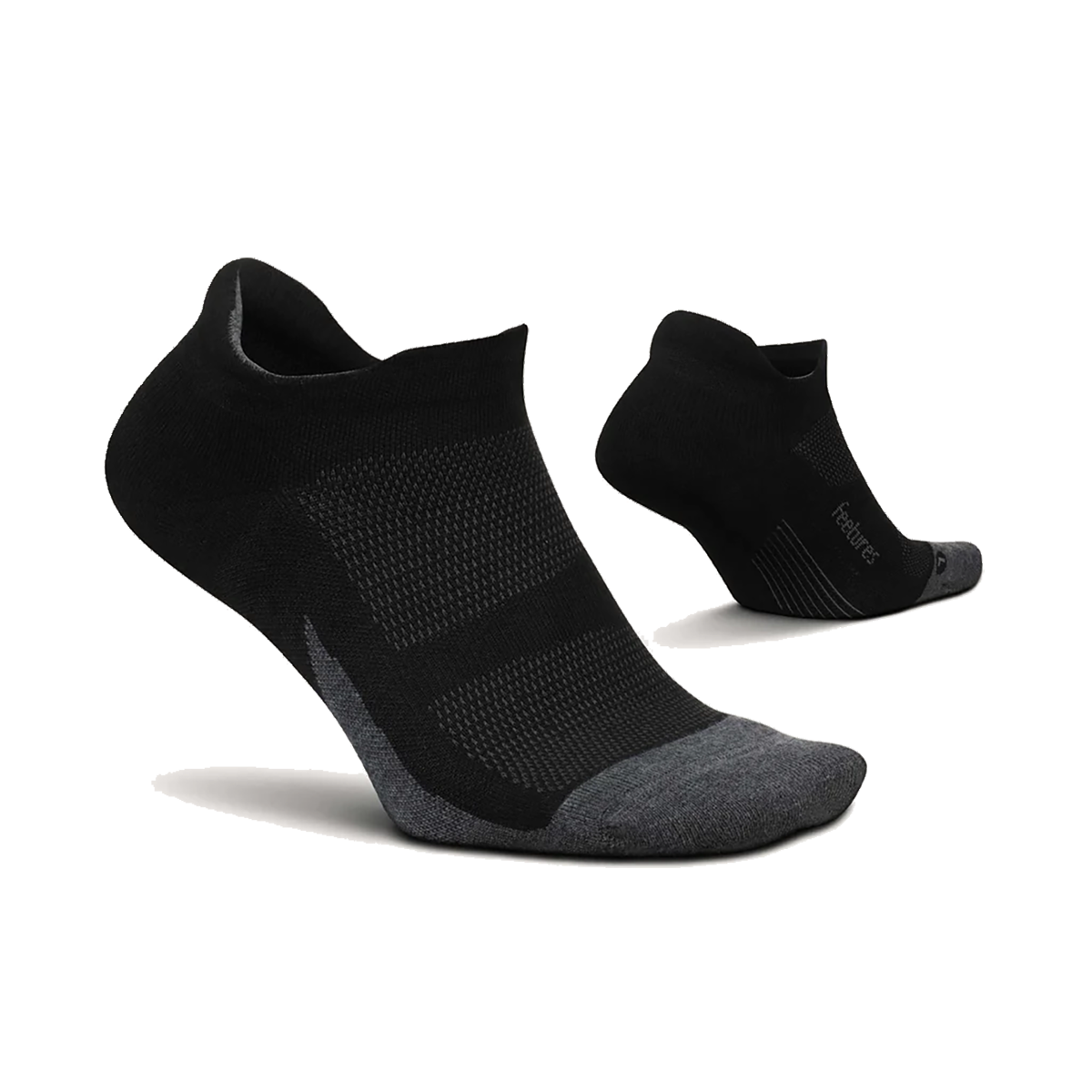
- Sock choice matters: A thin performance sock can sharpen lockdown in stretchy knits, while a cushioned sock can add comfort under firmer overlays. One popular pick: On Performance Run Sock High.
- Toe room test: Aim for about a thumb’s width ahead of the longest toe; your foot should splay naturally without swimming in the forefoot.
How uppers interact with other parts of the shoe
Your upper works as a system with the midsole, rocker, and outsole. If you prefer extra-soft foam or big stack heights, you may want a slightly more structured upper to guide motion. To go deeper, see Midsole Foams Explained: EVA, PEBA, Supercritical Blends, and Stacks, Rocker Geometry and Heel-to-Toe Drop, and Outsoles & Rubber Compounds. If you use a stability system, you’ll also want a secure midfoot—compare options in Stability Systems Compared.
Material-by-run recommendations
- Easy miles and recovery days: Soft knit or airy engineered mesh—think the cozy, high-cushion feel of the On Cloudsurfer Max (Men’s).
- Long runs and marathon training: Engineered mesh with confident lockdown or lightweight performance uppers such as the On Cloudmonster 3 Hyper (Women’s) to keep form tidy when fatigue sets in.
- Tempo and speed sessions: Firmer mesh or overlay-reinforced designs for snappy direction changes and cornering.
- Mixed road-to-trail: Mesh with TPU overlays like the On Cloudultra v3 (Men’s) to balance breathability and protection.
- Need gentle guidance: Structured mesh with stable platforms, like the Hoka Arahi 8 (Women’s), can keep things smooth without feeling rigid.
Frequently Asked Questions
Will knit uppers stretch out over time?
They can relax slightly with heat and mileage. If you’re between sizes or prefer a firm hold, consider a secure lacing pattern or choose engineered mesh for longer-term shape retention.
Which upper dries fastest after rain?
Tighter engineered mesh usually sheds water and dries quicker than plush knits. Designs with film overlays may resist soaking at the toe cap and eyestay but can run warmer in mid-summer.
I have narrow feet—what should I look for?
Seek uppers with minimal stretch and strategic overlays for a snug midfoot. Performance-oriented mesh or overlay patterns—and a runner’s loop—often deliver the best hold.
How do I avoid hot spots on longer runs?
Check tongue padding, collar shape, and heel counter wrap in addition to the upper fabric, and adjust lacing tension gradually. For more comfort tips, read Lockdown Without Hot Spots.
Next steps
Try on two materials back-to-back on the same day and jog a short loop. Notice forefoot space, midfoot security, and how your form feels as pace changes. If you want cushioned comfort with breathable hold, start with engineered mesh options like the On Cloudmonster 3 (Men’s). Prefer a softer, sock-like feel? Test a knit-forward design such as the ASICS Novablast 5 ATC. Training for a race or exploring light trails? A reinforced upper like the On Cloudultra v3 (Men’s) can keep you feeling locked and confident. You’ve got this—lace up and go get those miles! 🏁