


Your running shoes are more than colors and logos—they’re a collection of parts that decide how each step feels, how long your legs stay fresh, and how confidently you move over wet sidewalks or dusty park paths. When you understand what every piece does, shopping gets easier and your runs get better. This Core Guide breaks down the anatomy of a running shoe in everyday language, connects the parts to common goals (comfort, speed, stability, durability), and shows you how to make confident choices at Fit2Run. Whether you’re gearing up for your first 5K or sharpening for marathon day, you’ll find practical tips, quick checks, and deeper dives when you want them. Let’s get you laced up and excited for those miles. 🏃♀️🔥
The Big Picture: What Each Part Contributes
Every modern running shoe has three major zones working together:
- Upper: The fabric shell that holds your foot. It controls breathability, shape, and lockdown comfort around the ankle and instep.
- Midsole: The foam engine underfoot. It sets cushioning, energy return, and how the shoe transitions from heel to toe.
- Outsole: The rubber that meets the ground. It determines grip, wet traction, and long-term wear.
Several design choices fine‑tune these zones: heel counters and collars to steady the rearfoot, tongues and lacing to distribute pressure, geometry (rocker and heel‑to‑toe drop) to guide your stride, and stability features that help your joints track smoothly when fatigue shows up. We’ll unpack each so you can match features to your goals—plush recovery days, tempo runs, or big‑weekend long runs.
Upper Fit and Lockdown: Comfort You Notice From Step One
The upper is the first thing your foot feels. Get it right and you forget about it; get it wrong and you’ll fight hot spots, heel slip, or pressure on the instep. Three components do most of the work:
- Heel counter: A structured cup hidden inside the rearfoot that centers your heel and helps prevent lift.
- Collar: The padded rim around your ankle that affects comfort against the Achilles and how snug the heel feels.
- Tongue: The strip under the laces that spreads pressure and, when gusseted, adds midfoot security.
If your heel slides or your instep feels bit by the laces, dialing in these features often solves it. For a deeper, runner‑friendly walk‑through and quick fit checks, see Heel Counters, Collars, and Tongues: Lockdown Without Hot Spots. You’ll learn how firmer counters add rearfoot control, how collar shape changes Achilles comfort, and when a semi‑ or fully gusseted tongue provides that snug, secure midfoot wrap.
Upper Materials: Knit, Engineered Mesh, and Film Overlays
Materials change how the upper breathes, stretches, and holds its shape. If you run in heat, deal with toe splay, or want more structure for descents, material choice matters as much as size.
For a thorough comparison with practical shopping cues, visit Upper Materials & Fit: Knit vs Engineered Mesh vs Film Overlays. Here’s the high‑level view to get you oriented:
- Knit: Soft, sock‑like feel with more stretch; great if your forefoot is wider or you want instant comfort. Tradeoff: can feel warm or less structured at speed unless reinforced.
- Engineered mesh: Targeted ventilation and support zones; a balanced, shape‑holding fit for most feet and paces.
- Film overlays: Thin films over mesh add durability and a locked‑in midfoot; helpful for technical routes or runners who prefer a secure wrap. Tradeoff: can feel snugger.
Decision Matrix: Choosing an Upper for Your Runs
Use this quick table to match material feel to your priorities.
| Upper Type | Breathability | Lockdown & Structure | Fit Feel | Best For |
|---|---|---|---|---|
| Knit | High if open‑knit | Softer; more stretch | Roomy, foot‑hugging | Warm‑weather easy miles, wider forefeet, immediate comfort |
| Engineered Mesh | High with vent zones | Balanced, shape‑holding | Versatile, true‑to‑size | Daily trainers, mixed paces, most foot shapes |
| Mesh + Film Overlays | Moderate (vents between films) | Most secure; durable | Snug midfoot | Uptempo runs, light trails, runners seeking firm hold |
Practical Fit Checks You Can Do at Home
- Toe box length: Aim for a thumbnail (about 0.5–0.7 in) of space beyond your longest toe at standing weight. Your feet swell on hot days and long runs; this buffer prevents black toenails.
- Midfoot pressure: If laces bite during a short jog around the house, try a plusher tongue or re‑lace through one fewer eyelet near the tender spot.
- Heel security: Rise onto your toes. If the heel lifts more than a few millimeters, try the runner’s loop or a shoe with a slightly firmer counter or gusseted tongue for added hold.
If marathon volume makes your toes cranky late in races, this piece offers targeted width tips: Wide/Narrow Fit for Marathon Volume: Preventing Toe Issues Late in the Race.
The Midsole: Foam, Stack, and the Feel of Every Stride
The midsole is the heart of the ride. Its foam chemistry, thickness (stack height), and firmness decide how cushioned or snappy a shoe feels, how much it protects you on rough pavement, and how quickly it rebounds for your next step. Curious about names like EVA, PEBA, and supercritical blends? Head here for a full breakdown: Midsole Foams Explained: EVA, PEBA, Supercritical Blends, and Stacks. Below is the essentials summary so you can start matching foam to your training plan.
Foam Families and What You’ll Feel
- EVA (ethylene‑vinyl acetate): Dependable cushioning with a controlled, stable feel. Great for daily trainers, walks, and recovery miles. Often more durable against bottoming‑out than very soft race foams.
- PEBA (polyether block amide): Very light and resilient with a springy rebound—common in racing models and faster trainers. Tradeoff: can feel lively but less inherently stable unless paired with geometry or plates.
- Supercritical blends: EVA or other polymers expanded with gas during processing to create lighter, bouncier foams. They split the difference: more energy return than classic EVA, often smoother and more durable than ultra‑soft options.
Stack Height and Protection
Stack height is the midsole thickness under heel and forefoot. High‑stack shoes absorb impact and reduce pavement harshness—awesome for long runs or recovery days. Lower‑stack shoes bring you closer to the ground for agility and road feel—great for drills, strides, or short uptempo efforts. If you’re sensitive to calf load or Achilles soreness, pair stack height with an appropriate heel‑to‑toe drop, covered below.
Decision Matrix: Foam & Stack by Use Case
Map your weekly plan to a foam/stack profile.
| Primary Goal | Foam Preference | Typical Stack | Ride Feel | Tradeoffs |
|---|---|---|---|---|
| Easy & Recovery | EVA or soft supercritical | Higher (plush) | Cushioned, forgiving | Heavier; less pop for sprints |
| Daily Training | Balanced EVA/SC blend | Moderate‑high | Stable, smooth | Jack‑of‑all‑trades, master of none |
| Tempo & Intervals | Springy SC or PEBA | Moderate | Lively, fast turnover | May feel less stable when tired |
| Race Day | PEBA or elite SC | High with rocker | Highly responsive | Price, durability vs. trainers |
Heel‑to‑Toe Drop and Rocker Geometry: How Shape Guides Your Stride
Beyond foam, a shoe’s shape changes how your body shares the workload. Heel‑to‑toe drop is the height difference between heel and forefoot. Rocker geometry is the curved profile that helps you roll forward. These choices redistribute stress between calves/Achilles and quads/hips and can make transitions feel easier—especially late in long runs. For a deeper, coach‑style explanation with examples of early vs. late rockers and how different drops feel underfoot, read Rocker Geometry and Heel‑to‑Toe Drop: How Shape Guides Your Stride.
Quick Guidelines You Can Use Right Now
- Higher drop (8–12 mm): Reduces ankle dorsiflexion demand and calf strain. Helpful if your Achilles is tender or you’re a pronounced heel striker.
- Mid drop (5–8 mm): Balanced feel for many runners—enough heel under you without overloading calves or quads.
- Low drop (0–4 mm): More even load through foot and ankle; can feel natural and agile. Transition gradually to avoid sore calves if you’re used to higher‑drop shoes.
- Early‑stage rocker: Smoother landing and mid‑stance, friendly to heel strikers and walkers.
- Late‑stage rocker: Assists toe‑off to maintain momentum at faster paces or when fatigued.
Stability Systems: Guidance When and Where You Need It
Some runners roll inward at the ankle (overpronate) more than they’d like, especially when tired. Stability features help keep your joints tracking comfortably without forcing a rigid motion. The modern toolbox includes GuideRails, posts, sculpted sidewalls, flared bases, and geometry that naturally guides your path. If you’re weighing which approach fits your stride and training, explore Stability Systems Compared: GuideRails, Posts, Sidewalls, and Geometry for pros, cons, and who benefits from each.
Decision Matrix: Stability Styles at a Glance
Use this table to match guidance style to what you feel on runs.
| System | How It Works | Feel Underfoot | Great If You... | Tradeoffs |
|---|---|---|---|---|
| GuideRails | Raised bumpers around heel/midfoot | On‑demand, unobtrusive | Only need help when fatigued | Less assertive for strong overpronation |
| Medial Post | Firmer foam on arch side | Noticeably supportive | Want clear arch control | Can feel stiff to some |
| Sidewalls/Flared Base | Wider platform and sculpted walls | Natural, cradled | Prefer guidance without hard posts | Slightly heavier outsole/foam |
| Geometry‑Driven | Rocker, drop, wide contact | Smooth, rolling | Value fluid transitions | Less targeted for severe needs |
Outsoles and Rubber Compounds: Grip and Durability
The outsole is the only part of your shoe that touches the ground, so rubber coverage, compound, and tread pattern directly affect traction and longevity. If you’re curious how much rubber you need for your surfaces, or what lug depth works on gravel versus wet concrete, head to Outsoles & Rubber Compounds: Coverage, Lugs, and Durability.
- Coverage: More rubber resists abrasion and protects the midsole, ideal for rough sidewalks and high mileage. Targeted coverage trims weight while protecting wear zones at heel and forefoot.
- Compound: Firmer, carbon‑style rubbers last longer; blown rubbers feel softer with great initial grip. Wet‑traction patterns with siping help squeegee water.
- Lugs: On light trails, modest lugs (3–4 mm) add bite without feeling blocky on the road. For roads only, a flatter pattern rolls smoother.
How to Put It All Together: Build Your Shortlist
Use this step‑by‑step flow to turn anatomy into smart choices. It takes five minutes and prevents “option overload.”
- Define your week: Label each day by purpose—recovery, easy, long, speed, or race. If you’re building your base, this overview is helpful: Base Phase (Weeks 1–4): Comfort Miles—Shoes, Socks, and Simple Recovery Wins.
- Pick your ride feel: For easy/long days, think higher stack and EVA or supercritical blends. For workouts and races, look at lively SC or PEBA foams.
- Choose shape: If heels/Achilles get cranky, a higher drop or early‑stage rocker can help. If you crave a fluid roll, consider a full‑length rocker platform.
- Decide on guidance: If you only need support late in runs, GuideRails or sculpted sidewalls feel natural. If you want firmer arch control, a mild post can work well.
- Dial the upper: Knit for instant comfort and width, engineered mesh for balance, overlays for a locked‑in midfoot. If you’ve had toe pressure in big mileage blocks, review width tips in Wide/Narrow Fit for Marathon Volume: Preventing Toe Issues Late in the Race.
- Match the outsole: Daily urban miles need durable rubber; mixed routes benefit from targeted coverage and a touch of texture for wet grip.
Common Fit Scenarios and Easy Wins
“My heel slips no matter what.”
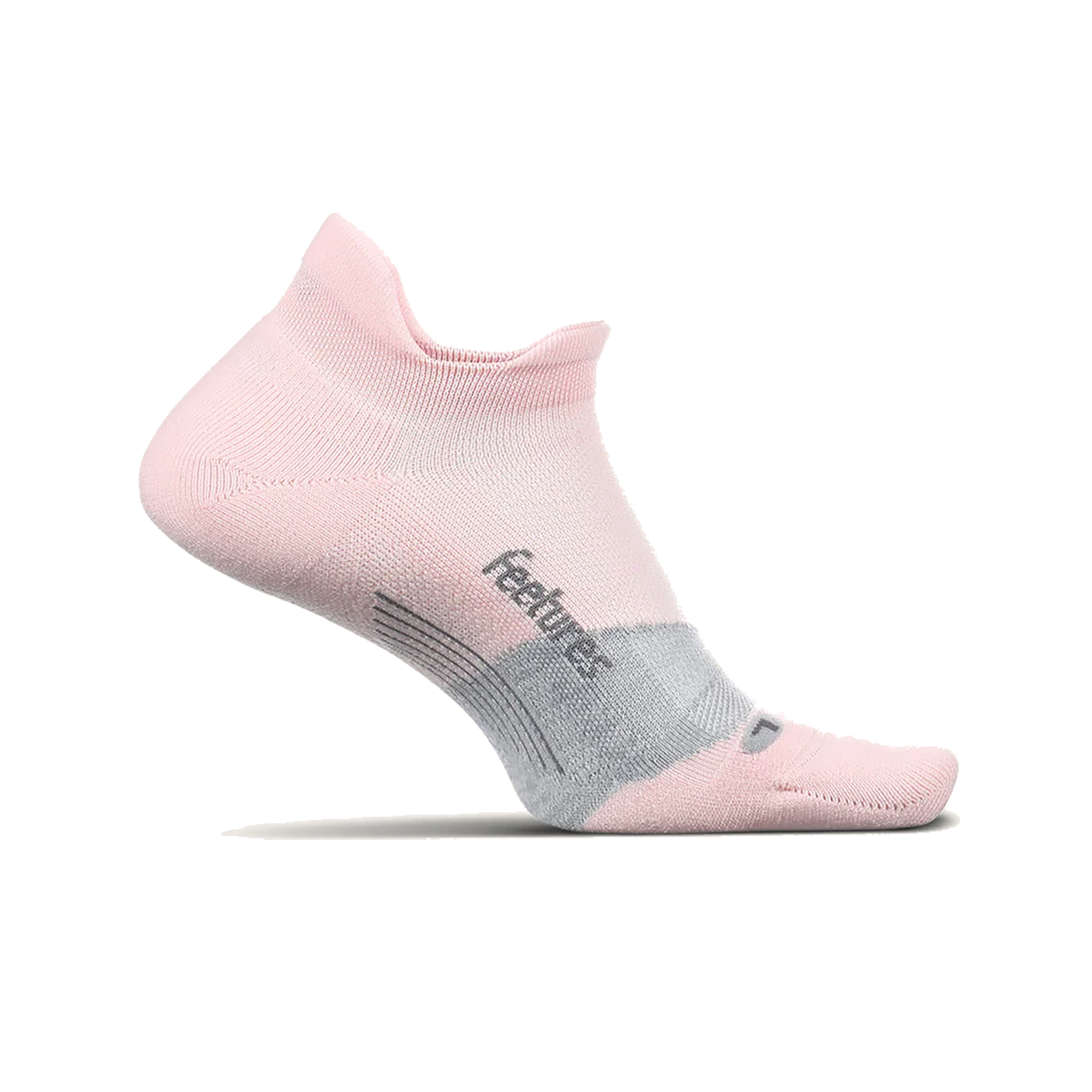
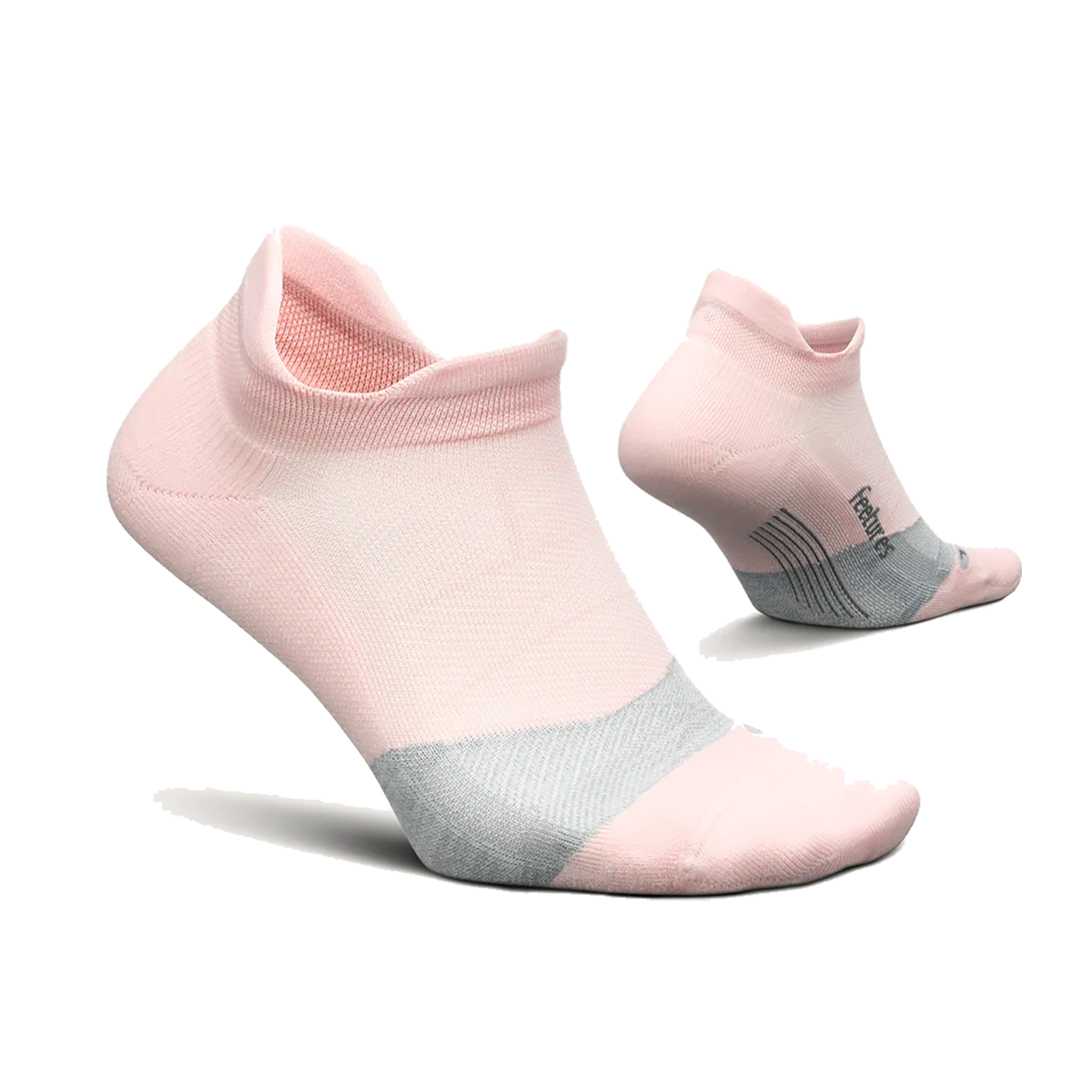
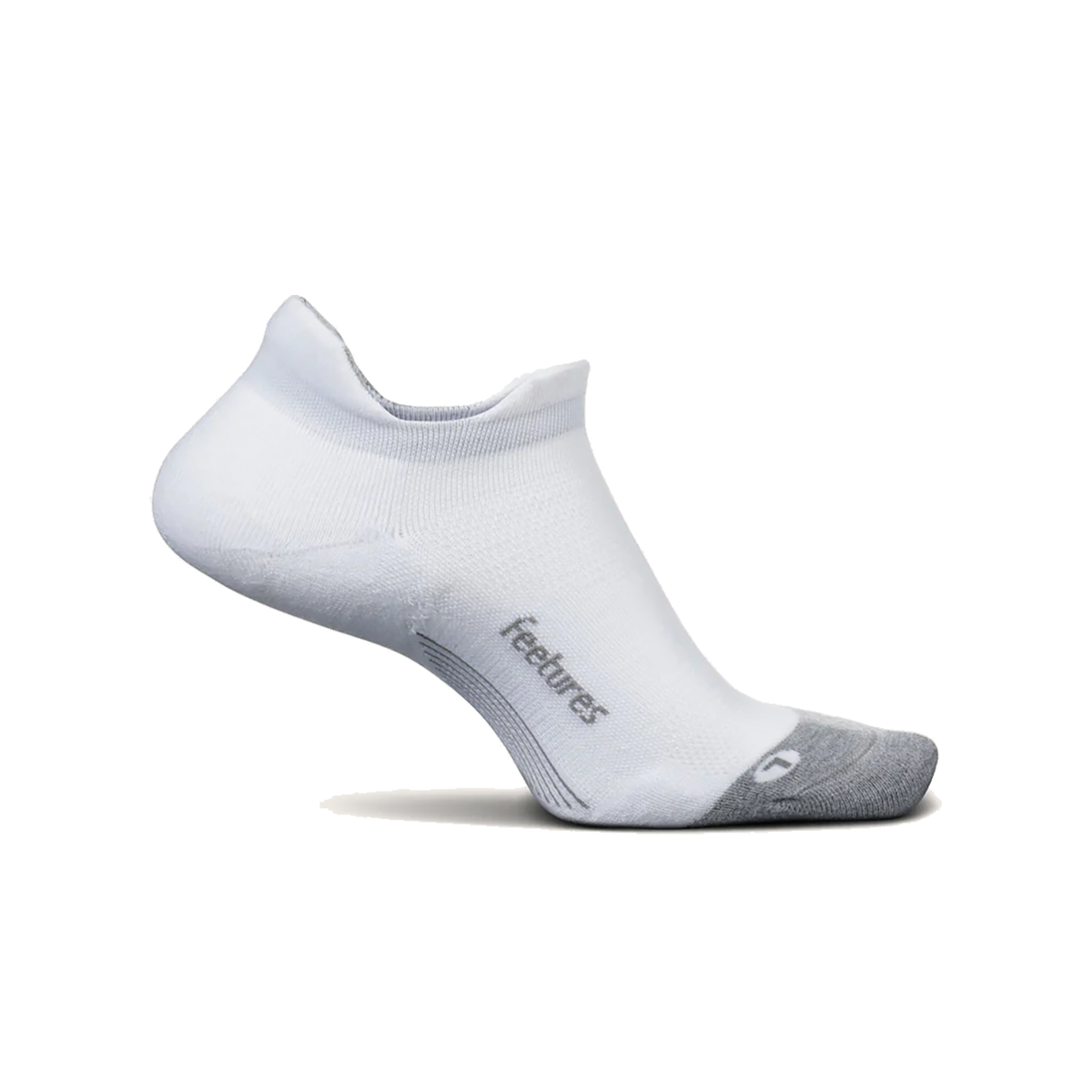
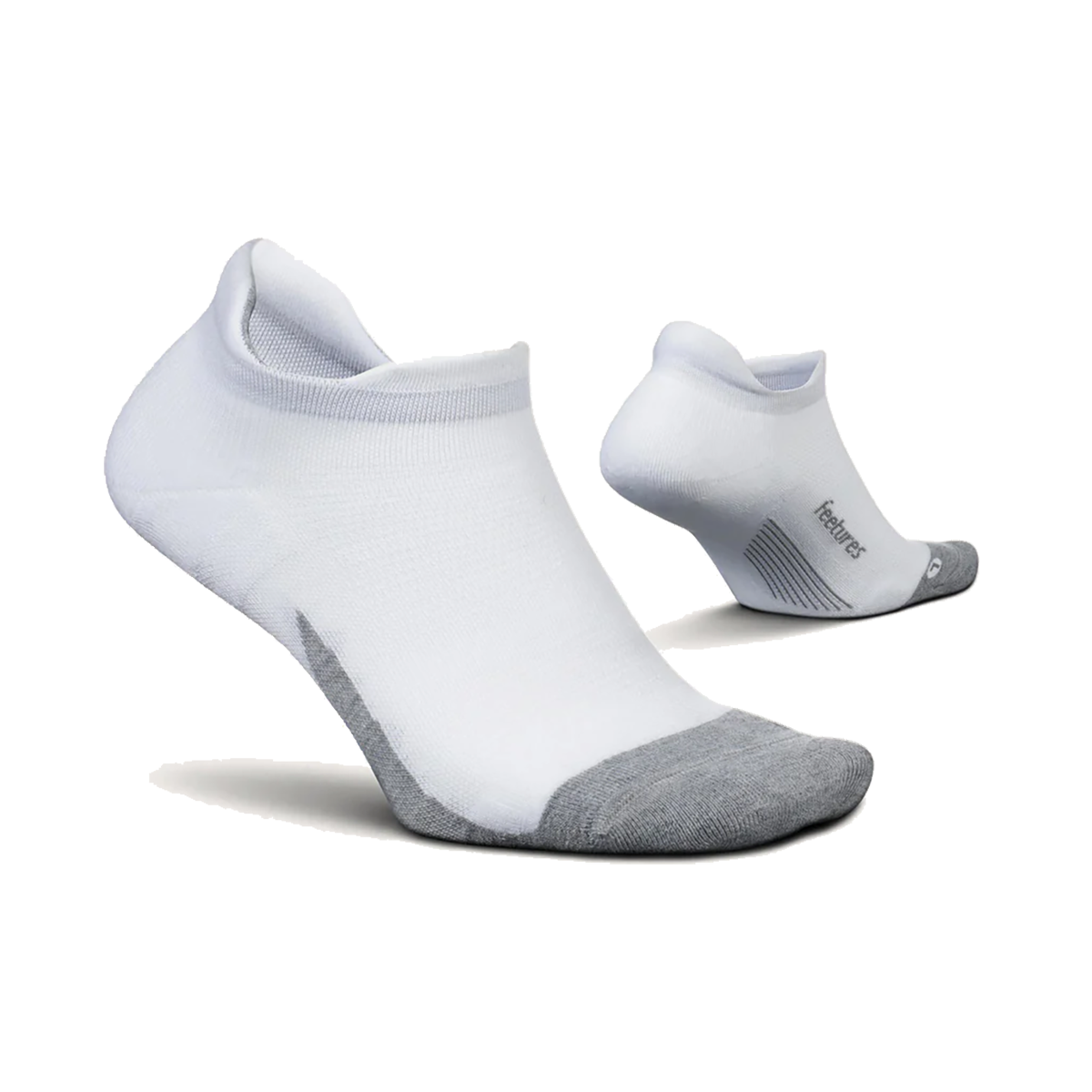
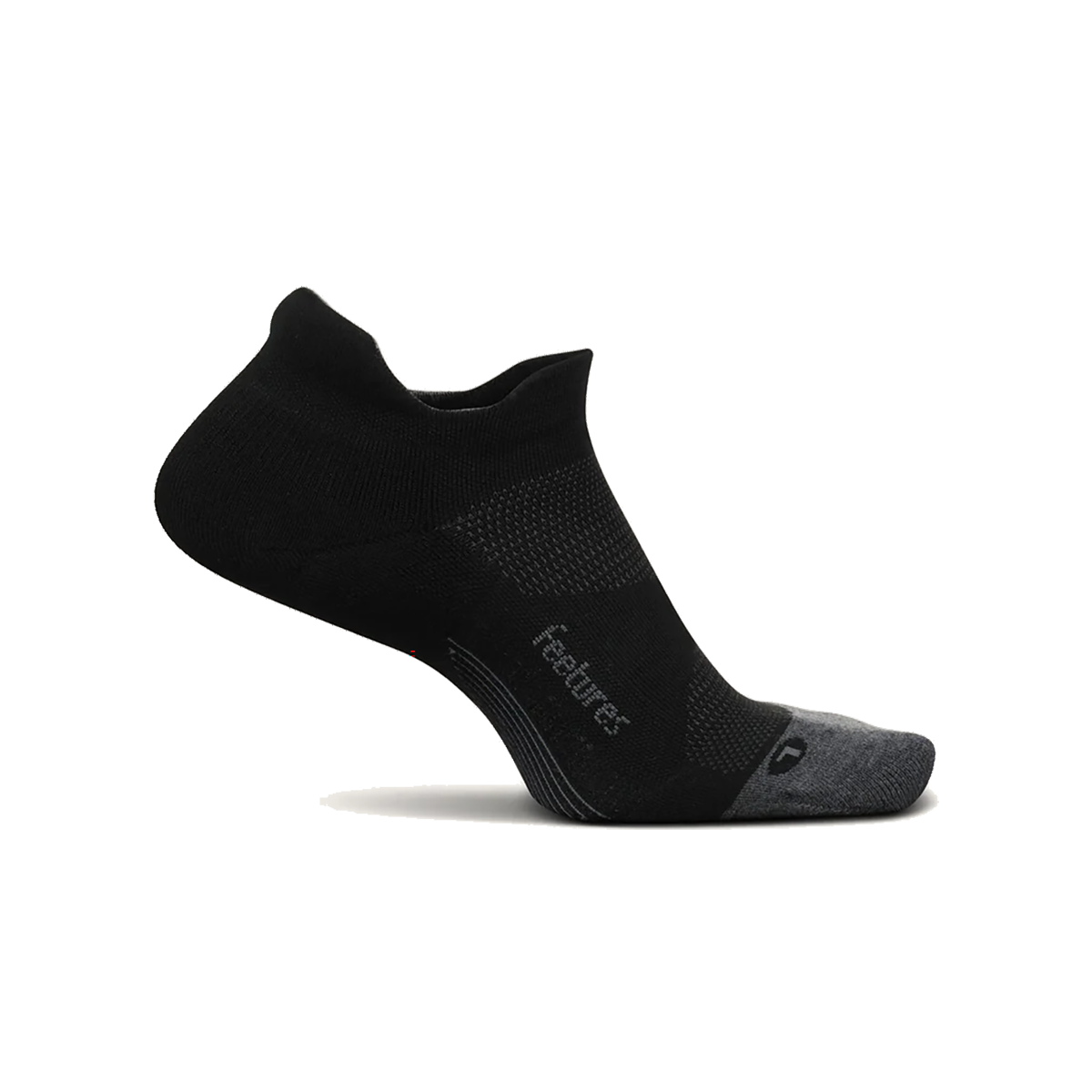
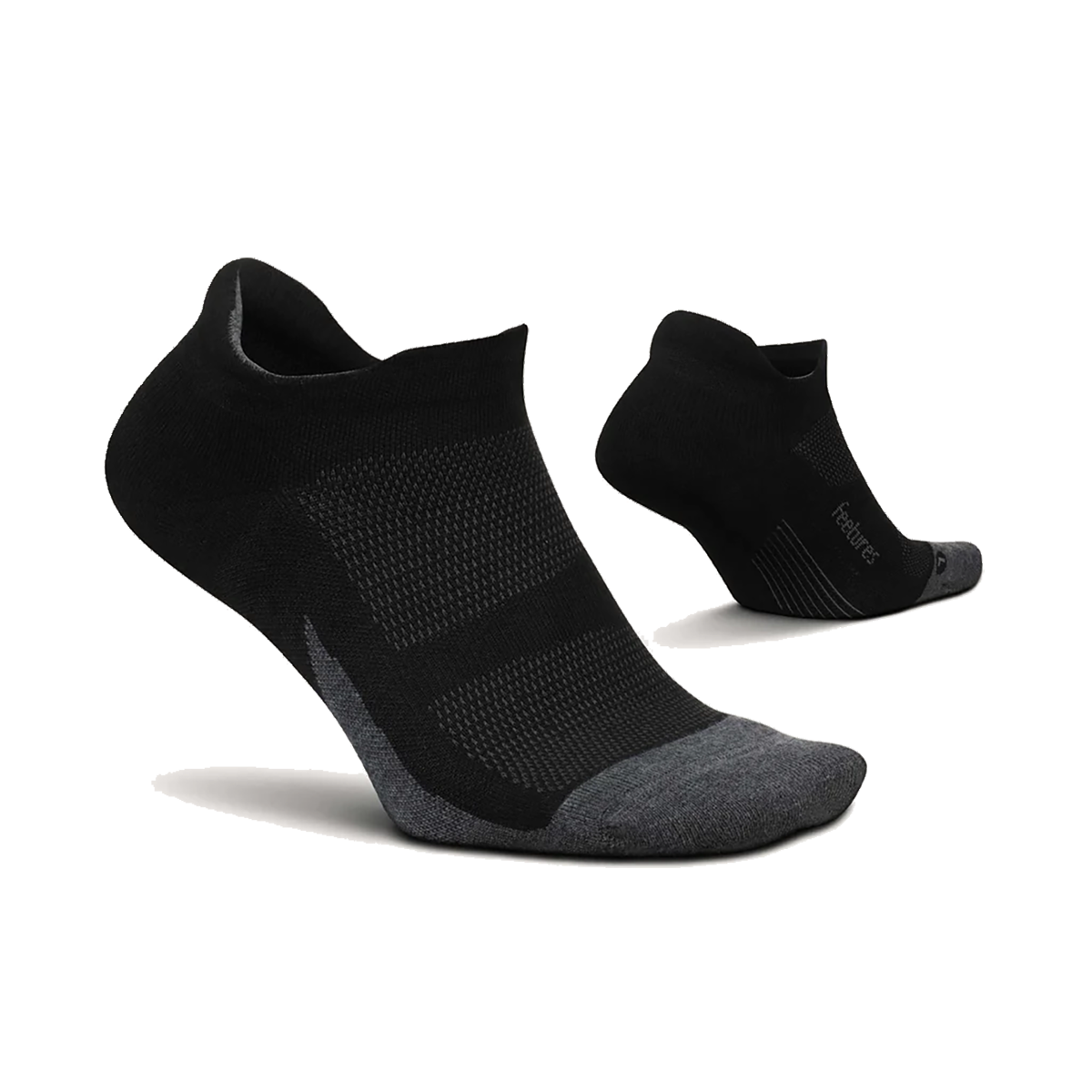
Look for a slightly firmer heel counter and a gusseted tongue to enhance midfoot hold. The runner’s loop lacing can help, too. For a deeper primer with quick tests, visit Heel Counters, Collars, and Tongues: Lockdown Without Hot Spots. Pair your choice with thin, high‑friction socks; a well‑constructed tab can reduce heel rub. If you like a barely‑there feel that still protects from blisters on summer runs, try a breathable option like Feetures Elite Light Cushion No Show Tab to add gentle cushion without bulk.
“My calves get sore in new shoes.”
You may have moved to a lower drop or a stiffer forefoot without realizing it. Consider mid‑to‑higher drop shoes while your calves adapt, and incorporate gentle calf raises post‑run. Rockered designs with an early curve can also smooth that first contact phase. For shape fundamentals and examples, read Rocker Geometry and Heel‑to‑Toe Drop: How Shape Guides Your Stride.
“I overpronate as I get tired.”
If your stride only collapses late, soft guidance like GuideRails or sculpted sidewalls typically feels the most natural. If you want clearer support under the arch, a mild post can help keep things aligned. Learn how each system feels (and the tradeoffs) in Stability Systems Compared: GuideRails, Posts, Sidewalls, and Geometry. On days when tendons feel grumpy, a cross‑training session can reduce load while maintaining fitness; see When to Use a Cross‑Trainer Day to Offload Tendons.
“I tear through outsoles fast on city sidewalks.”
Look for higher outsole coverage with a firmer, abrasion‑resistant compound and a durable heel crash pad. Shoes with targeted reinforcement at common scuff zones (posterolateral heel, big‑toe push‑off) last longer for toe‑off draggers. For a smart overview of rubber choices by surface and weather, see Outsoles & Rubber Compounds: Coverage, Lugs, and Durability.
Upper Details that Prevent Hot Spots and Numbness
- Tongue padding: If you feel lace bite, a plusher or gusseted tongue spreads pressure and locks the midfoot. Runners with high insteps usually appreciate this change immediately.
- Collar foam density: Too soft and you may slip; too firm and the Achilles may feel pinched. Slight variations in collar sculpting can make a big difference—don’t be afraid to compare two models back‑to‑back.
- Eyelet position: Shoes with more eyelets let you micro‑tune lockdown across the instep and ankle. If you like an open toe box but a snug midfoot, this adjustability is gold.
For a complete walkthrough of how these pieces work together and how to check the fit in minutes, reference Heel Counters, Collars, and Tongues: Lockdown Without Hot Spots once more—it’s a practical companion to this section.
Durability: How Long Should a Running Shoe Last?
Most modern trainers feel their best for roughly 300–500 miles, depending on foam resilience, outsole rubber coverage, your gait, and where you run. High‑stack, ultra‑soft race foams deliver standout speed but may lose their pop sooner; durable EVA blends with generous rubber typically go longer. Rotate pairs to extend life and reduce repetitive stress, and use a “recovery day” workhorse to absorb daily mileage while saving your faster model for workouts and events. For ideas on building a supportive rotation around your training phases, skim Base Phase (Weeks 1–4): Comfort Miles—Shoes, Socks, and Simple Recovery Wins and Load Management, Recovery, and Injury Prevention for Runners.
Weight, Flex, and Plates: How “Fast” Shoes Change the Equation
Lightweight foams and stiffening elements like nylon or carbon plates can improve running economy by reducing flex work in your foot and lower leg. Many plated trainers and racers also use pronounced rockers to keep you rolling. Tradeoffs include price and occasionally less inherent stability; expect a learning curve if you’re coming from traditional EVA trainers. If your goal race is on the calendar, consider a 2–1 approach: one lively trainer for quality sessions and a dedicated racer for events.
Try‑On Checklist: 90 Seconds to a Confident Decision
- Stand fit: Check that thumbnail of toe space and wiggle room for splay.
- Mini warm‑up: March in place and do 3–4 calf raises; notice heel security and tongue pressure.
- Short jog: Ten strides. Do transitions feel smooth? Any slapping at heel contact?
- Turn & toe‑off: Pivot and push off your big toe. Is grip confident and stable?
- Decision cue: Ask, “Would I want to run 3 easy miles in these tonight?” If not, what felt off—length, midfoot pressure, or ride feel? Swap accordingly.
Care Tips to Keep the Ride Fresh
- Air dry: Pull insoles and air dry away from direct heat. Heat can deform foams and adhesives.
- Alternate pairs: Let foams rebound 24–48 hours. Rotations can extend life and keep legs happier through big weeks.
- Clean outsoles: Rinse grit from lugs and flex grooves to maintain traction.
- Sock strategy: Technical socks reduce friction and manage moisture better than cotton. If blisters have sidelined you before, a thin, anatomical pair like Feetures Elite Light Cushion No Show Tab can be a simple fix for hot spots in warm weather (pick your preferred color).
Putting Anatomy to Work: Three Example Runner Profiles
The New 5K Runner
You’re building aerobic fitness and just want every run to feel comfortable and predictable. Look for engineered mesh uppers, EVA or soft supercritical midsoles at moderate‑high stack, a mid drop (6–8 mm), and durable rubber coverage. If your ankles get wobbly late, consider sculpted sidewalls or gentle GuideRails. Keep your training fresh with simple recovery habits from Base Phase (Weeks 1–4): Comfort Miles—Shoes, Socks, and Simple Recovery Wins. You’re doing great—consistency beats perfection. 💪
The Half‑Marathon PR Chaser
You alternate steady miles with workouts. A two‑shoe setup shines: a cushioned daily trainer (balanced EVA/SC, early rocker) and a livelier workout shoe (SC or PEBA with later rocker and snappier toe‑off). If your form dips during long tempos, light guidance via flared bases can keep things tracking without the feel of a hard post. Want to protect tendons mid‑cycle? Sprinkle in a cross‑trainer day with ideas from When to Use a Cross‑Trainer Day to Offload Tendons.
The Marathoner Building Volume
When long runs stack up, a high‑stack trainer with durable outsole rubber protects legs on rough pavement. Consider a moderate‑higher drop if your calves get taxed late, and watch toe box width to avoid nail issues. The targeted width strategies in Wide/Narrow Fit for Marathon Volume: Preventing Toe Issues Late in the Race are worth a look. For race day, a PEBA‑based, rockered racer can deliver free speed, but test it on at least one long workout so your feet and calves adapt.
Quick Reference: Anatomy Glossary
- Toe box: Forefoot space; affects splay and comfort over distance.
- Vamp: Upper area over the toes; perforations add breathability.
- Quarter: Upper side panels; often reinforced for midfoot hold.
- Heel counter: Internal cup that stabilizes the rearfoot.
- Collar: Ankle opening with foam that balances comfort vs. grip.
- Tongue (free, semi, full gusset): Under‑lace panel; gussets attach it to the upper for better security.
- Midsole: Foam between foot and ground; defines cushioning and energy return.
- Stack height: Midsole thickness; higher stacks cushion more, lower stacks give road feel.
- Heel‑to‑toe drop: Height difference heel to forefoot; changes load distribution.
- Rocker: Curved sole that promotes rolling transitions.
- Plate: Stiff element (nylon/carbon) that stores and releases energy.
- Outsole: Rubber bottom; manages traction and wear.
- Lugs: Tread protrusions for bite on softer surfaces.
Smart Budgeting for Your Rotation
Think in roles, not models: a reliable daily/easy shoe, a durable long‑run cruiser, and (optional) a workout/race shoe. If you split your weekly miles across two pairs, both last longer and your legs enjoy varied loading. A membership can also soften the cost of staying consistent—perks from Fit2Run Club Membership may include member pricing and special offers through the year. If you’re gifting a runner or celebrating a race finish, a flexible option like Fit2Run Gift Cards lets them choose the exact fit and feel they want.
Key Takeaways
- Upper comfort first: Lockdown without hot spots is non‑negotiable. Use heel counter/collar/tongue choices to stop slip and pressure.
- Foam and stack match your goal: EVA or soft SC for easy miles; livelier SC/PEBA for speed sessions and racing.
- Shape shares the load: Drop and rocker change how calves and quads work. Adjust gradually.
- Choose guidance you barely notice: GuideRails or sidewalls for subtle control; posts for clearer arch support.
- Outsole for your surface: More coverage for rough city miles; targeted coverage for mixed routes and speed.
Frequently Asked Questions
How should running shoes fit for long runs?
Stand with full weight and check for roughly a thumbnail of space beyond your longest toe, plus gentle room for splay across the forefoot. The midfoot should feel secure without lace bite, and the heel should stay planted on toe raises. If late‑run toe pressure has been an issue, review width and volume strategies in Wide/Narrow Fit for Marathon Volume: Preventing Toe Issues Late in the Race.
What’s the difference between cushioning and stability shoes?
Both can be cushioned. Stability shoes add features (GuideRails, posts, or sculpted sidewalls) to reduce excess inward roll, especially when tired. If you only need occasional help, subtle guidance often feels more natural. For a compare‑and‑contrast with who benefits from each style, see Stability Systems Compared: GuideRails, Posts, Sidewalls, and Geometry.
How do I choose heel‑to‑toe drop?
Match drop to your history and comfort. If your calves or Achilles are sensitive, aim mid‑to‑higher (6–10 mm). If you prefer a natural, grounded feel, a lower drop can work—transition gradually. For shape considerations like early vs. late rockers, read Rocker Geometry and Heel‑to‑Toe Drop: How Shape Guides Your Stride.
How can I prevent blisters without changing shoes?
Start with friction‑reducing, moisture‑managing socks and mindful lacing. A light, anatomical pair such as Feetures Elite Light Cushion No Show Tab can help. Then fine‑tune lockdown around the heel and instep using the techniques in Heel Counters, Collars, and Tongues: Lockdown Without Hot Spots. If a specific seam causes irritation, a different upper material (engineered mesh vs. knit) may solve it—compare options in Upper Materials & Fit: Knit vs Engineered Mesh vs Film Overlays.
Where to Deepen Your Knowledge Next
- Heel Counters, Collars, and Tongues: Lockdown Without Hot Spots
- Upper Materials & Fit: Knit vs Engineered Mesh vs Film Overlays
- Midsole Foams Explained: EVA, PEBA, Supercritical Blends, and Stacks
- Rocker Geometry and Heel‑to‑Toe Drop: How Shape Guides Your Stride
- Stability Systems Compared: GuideRails, Posts, Sidewalls, and Geometry
- Outsoles & Rubber Compounds: Coverage, Lugs, and Durability
You’re ready to shop like a pro. Know the parts, decide your priorities, and trust how the shoe feels in motion. We’re here to cheer you on—and we can’t wait to hear about your next strong mile. 🙌