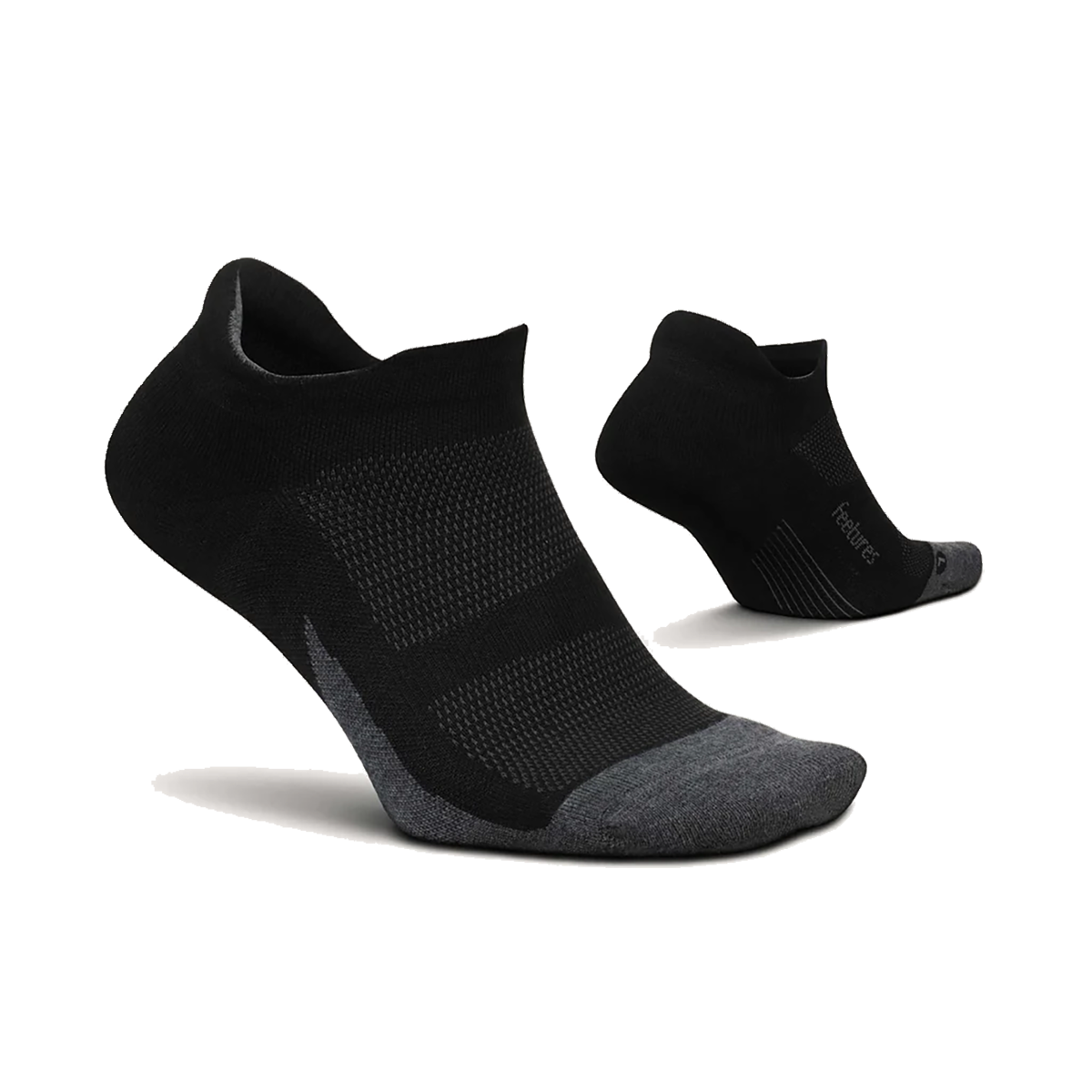



Race‑Day Socks: Fresh Pair, Right Fit
You trained the miles, dialed your fueling, and set your goal pace. Now lock in the detail that helps every stride feel smooth on race morning: a fresh pair of performance running socks that fit right, move moisture, and stay put. The right socks cut down friction and hot spots so you can focus on splits, not blisters. Our fit tips plus resources from Fit2Run’s team below will get you start‑line ready. 🏁
Why race‑day socks matter
Friction and moisture are the biggest drivers of blisters during long efforts. Moisture‑managing fibers and a snug, wrinkle‑free fit lower shear forces inside the shoe. For a deeper primer on materials, cushioning, and height, see How to Choose the Best Running Socks and our overview of anti‑blister features in Best Running Socks to Prevent Blisters.
How to choose your race‑day pair
Make your pick the week before the event, test it on one short shakeout, then race in a brand‑new or like‑new twin of the exact same model.
1) Height: no‑show, quarter, or crew
Height influences debris protection, the collar feel around your ankle, and temperature comfort.
- No‑show/tab: minimal coverage and low weight. Good for warm, humid races and low‑cut racers. The heel tab helps prevent collar rub.
- Quarter: a bit more ankle coverage to guard against collar irritation and grit. Popular for road courses with turns and occasional debris.
- Crew: added lower‑leg coverage and a secure feel. Helpful on cool or breezy mornings or if you like a locked‑in sensation.
Fit2Run’s sock height and material basics are summarized in this guide.
2) Cushion level: ultra light to max
- Ultra light: the breeziest feel and quickest drying. Solid for 5K to half marathon in heat or for runners who prefer maximum ground feel.
- Light: a touch of underfoot comfort without bulk. Versatile for most road races and tempos.
- Max: plush impact buffering for longer races or sensitive feet. Slightly heavier and warmer; consider it for cool mornings or concrete‑heavy routes.
3) Fibers and construction
- Technical synthetics and merino blends: wick sweat away from skin for a drier feel and fewer hot spots. Material choices and moisture tips are outlined in Fit2Run’s explainer.
- Targeted compression and arch bands: help the sock hug the foot so it does not bunch during surges or sharp turns.
- Seamless or smooth toe: lowers abrasion at the toebox when your stride lengthens late in the race.
4) Fit checklist for race morning
- Snug, not tight: light contact through the arch and midfoot with no wrinkles.
- Heel lock: the heel cup should sit cleanly under the Achilles. If you need extra hold, try a runner’s loop from Lacing Techniques for Heel Lock and Midfoot Pressure.
- Toe room: wiggle space without extra fabric. If you feel a ridge, try another size or model.
Quick comparison: heights and use cases
Match your priorities to a sock height and cushion profile.
| Option | Best for | Tradeoff | Typical cushion | Race‑day notes |
|---|---|---|---|---|
| No‑show/tab | Hot, humid races and low‑cut racers | Less debris protection at the ankle | Ultra light to light | Great for Florida humidity or summer 10Ks |
| Quarter | Mild temps and mixed surfaces | Slightly warmer than no‑show | Light to max | Solid all‑rounder for half and full marathon |
| Crew | Cool mornings, secure lower‑leg feel | More fabric and warmth | Light to max | Nice for breezy coastal starts or early fall marathons |
Race‑day picks you can trust
Every option below emphasizes moisture management, smooth toe construction, and a locked‑in fit described in the Fit2Run resources above. Choose the one that fits your course, weather, and feel preferences.
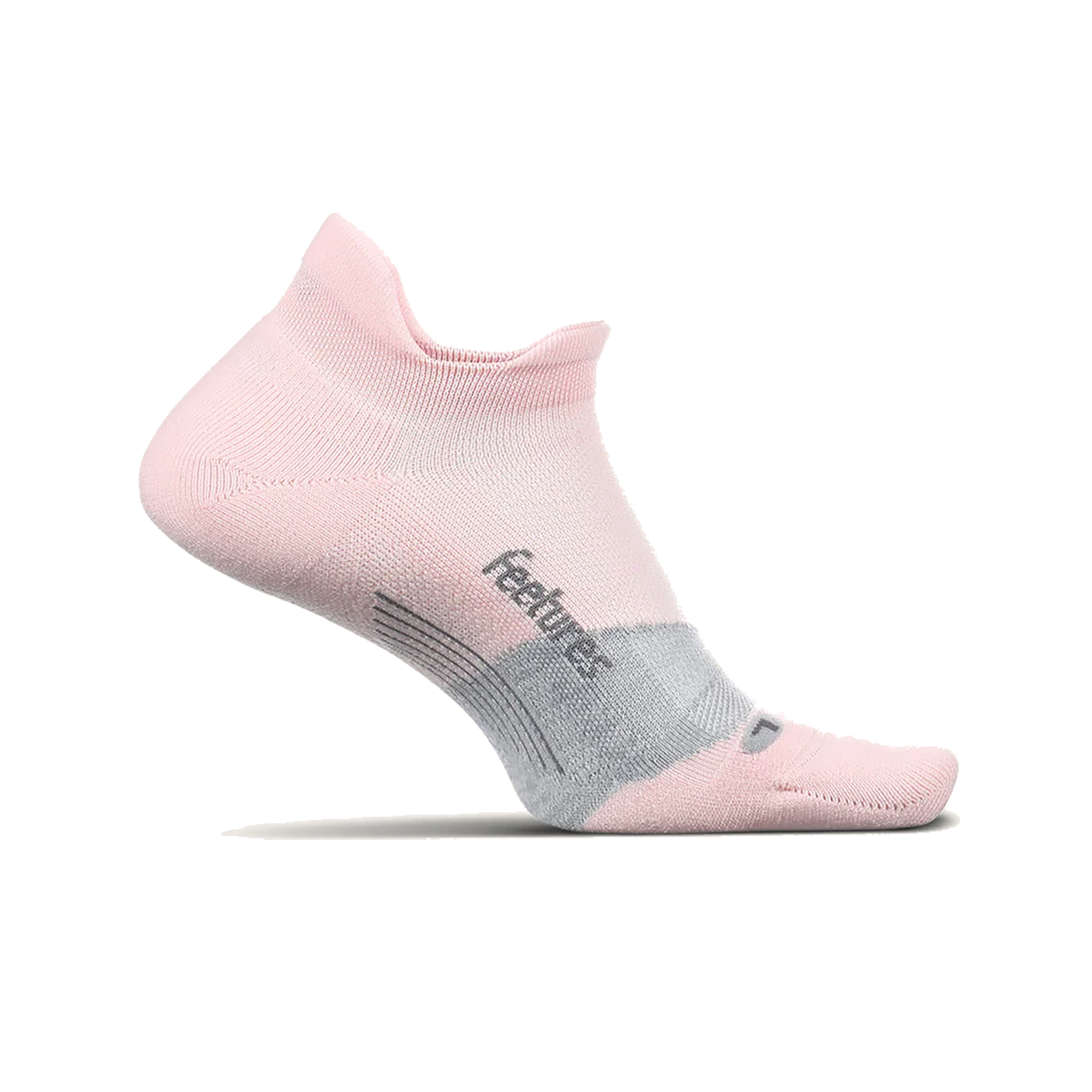
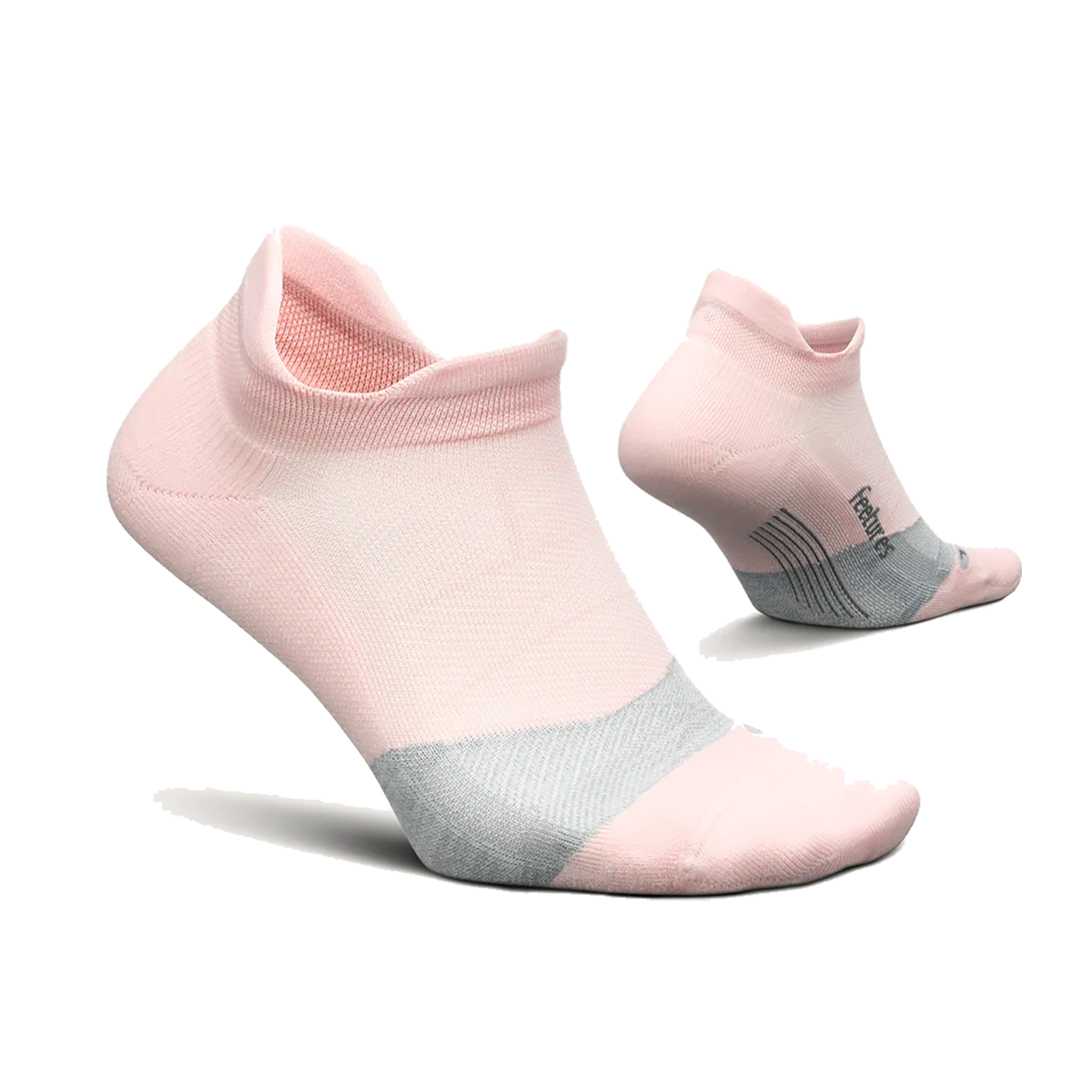
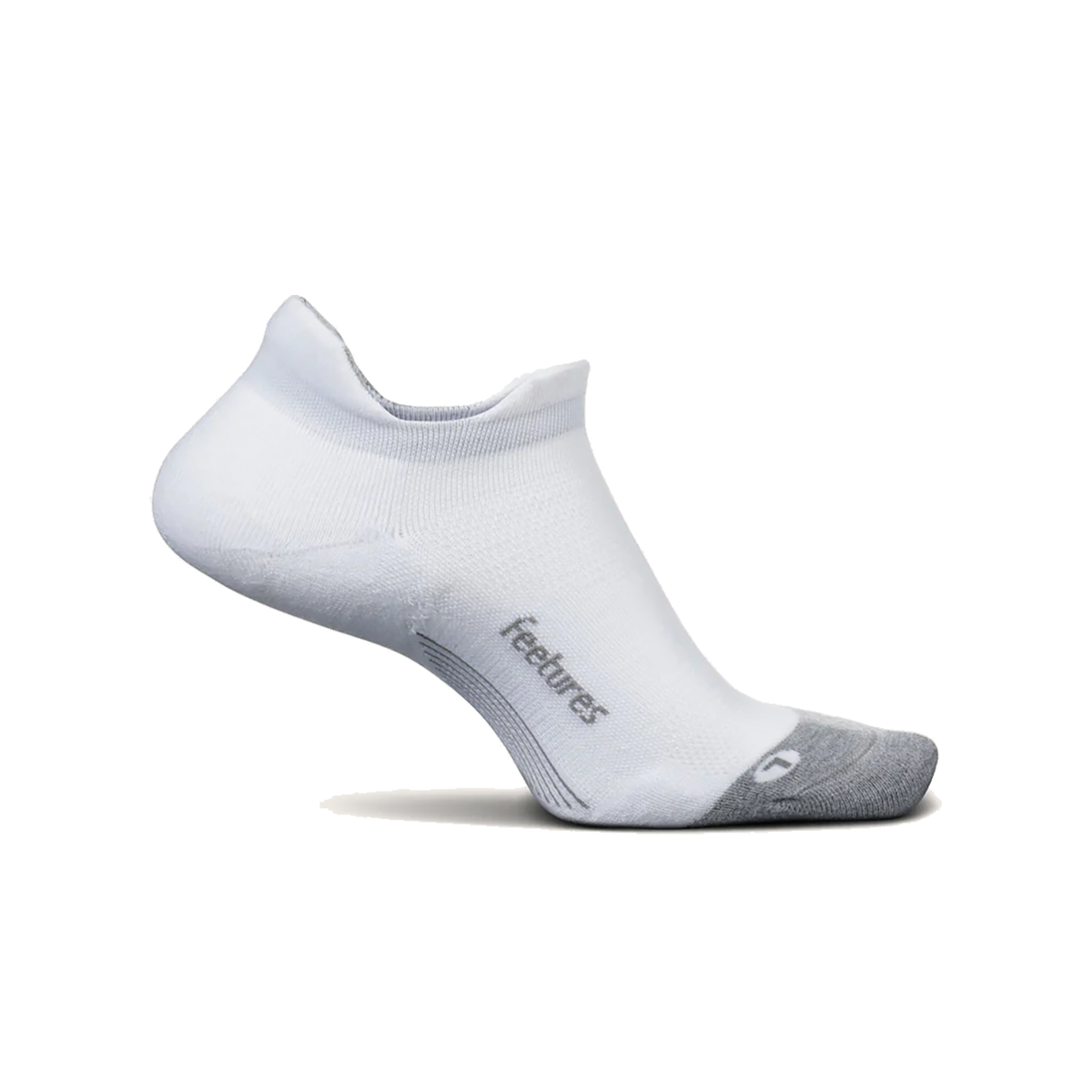
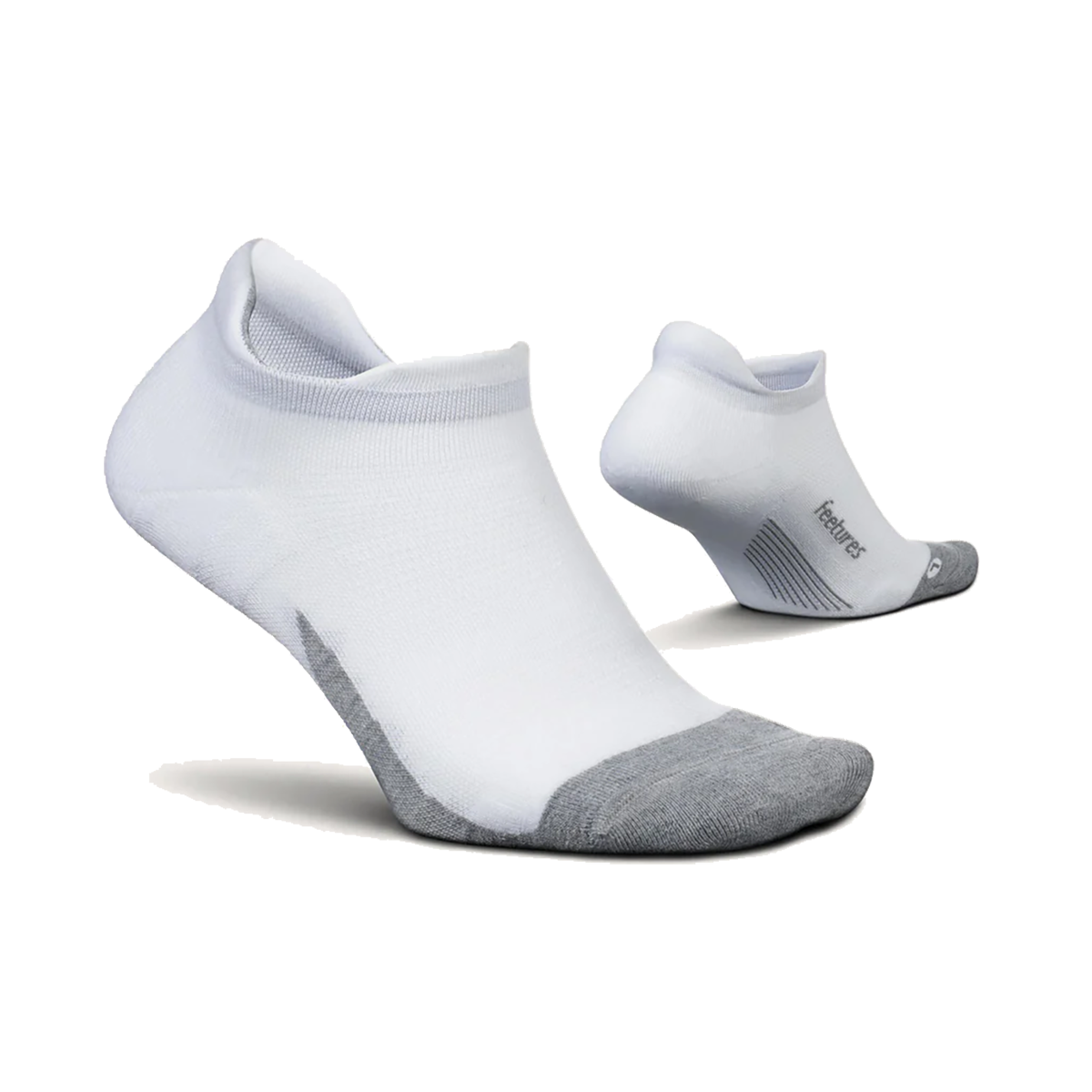
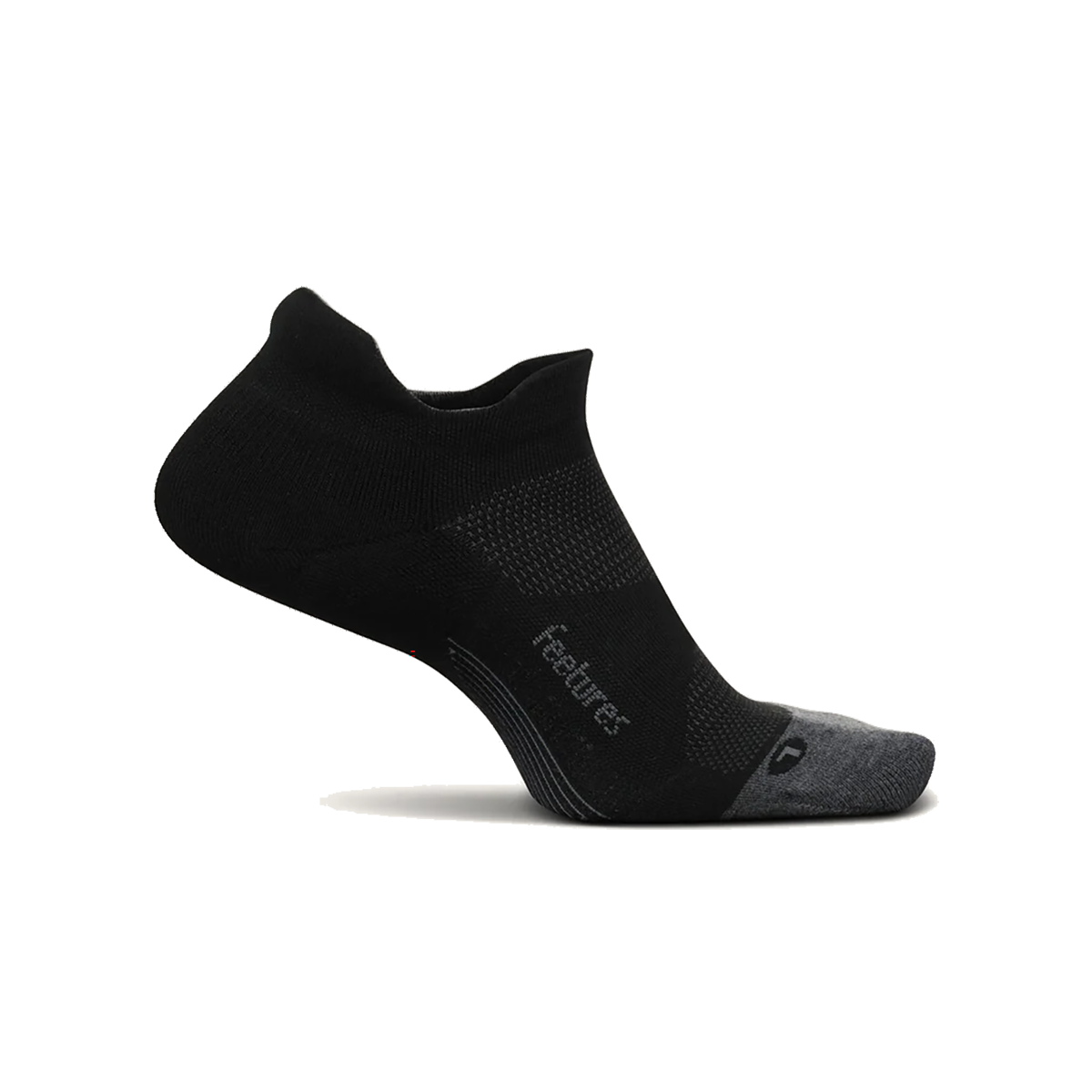
- Warm and humid with a barely‑there feel: Feetures Elite Ultra Light No Show Tab. Ultra light cushion and left‑right anatomical fit help reduce bulk, while targeted compression supports the arch on fast 5K to half marathon efforts.
- Low‑cut look with extra heel security: Feetures Elite Invisible. A higher hidden tab and Heel Hugger silicone grip help the sock stay put on tight turns or late‑race form changes.
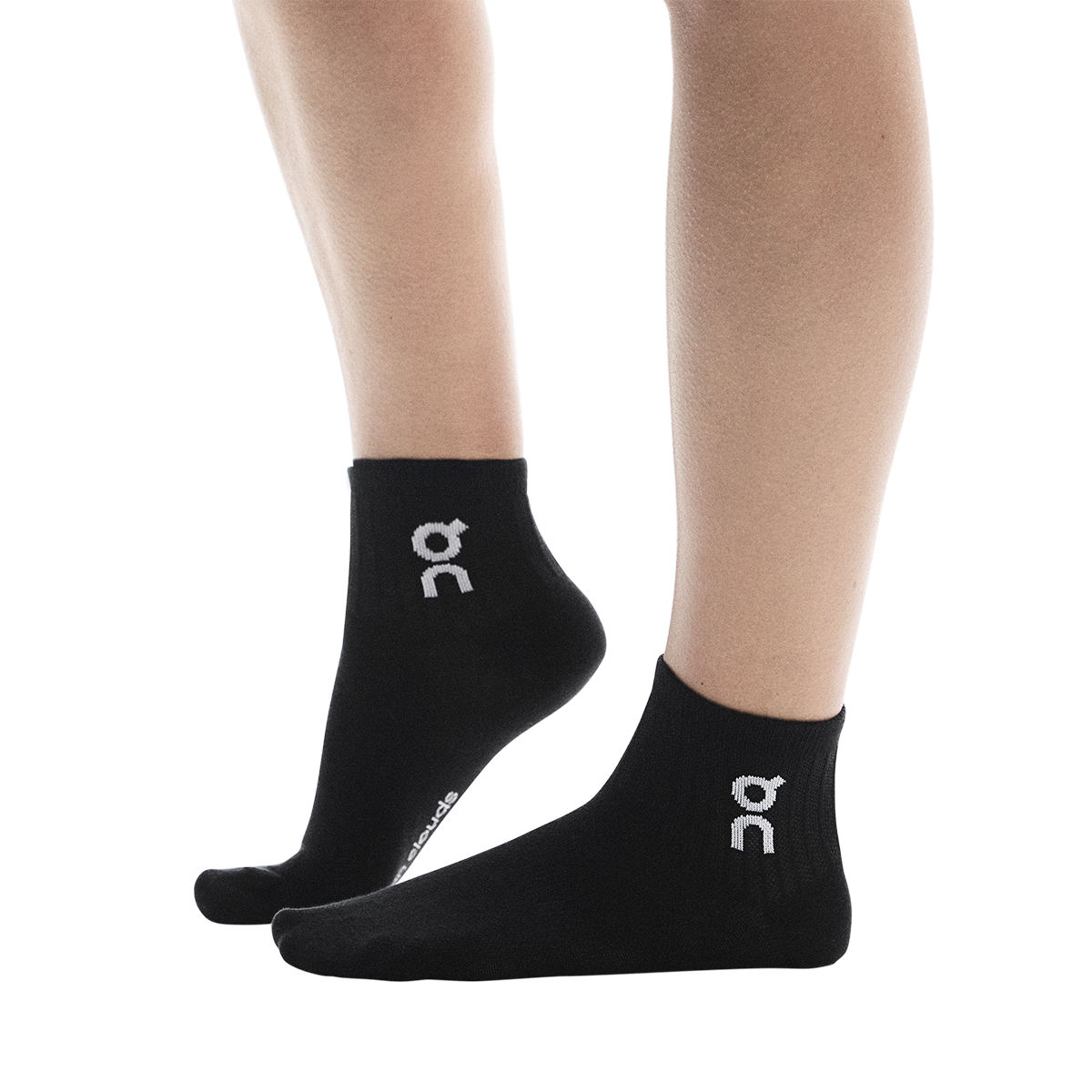
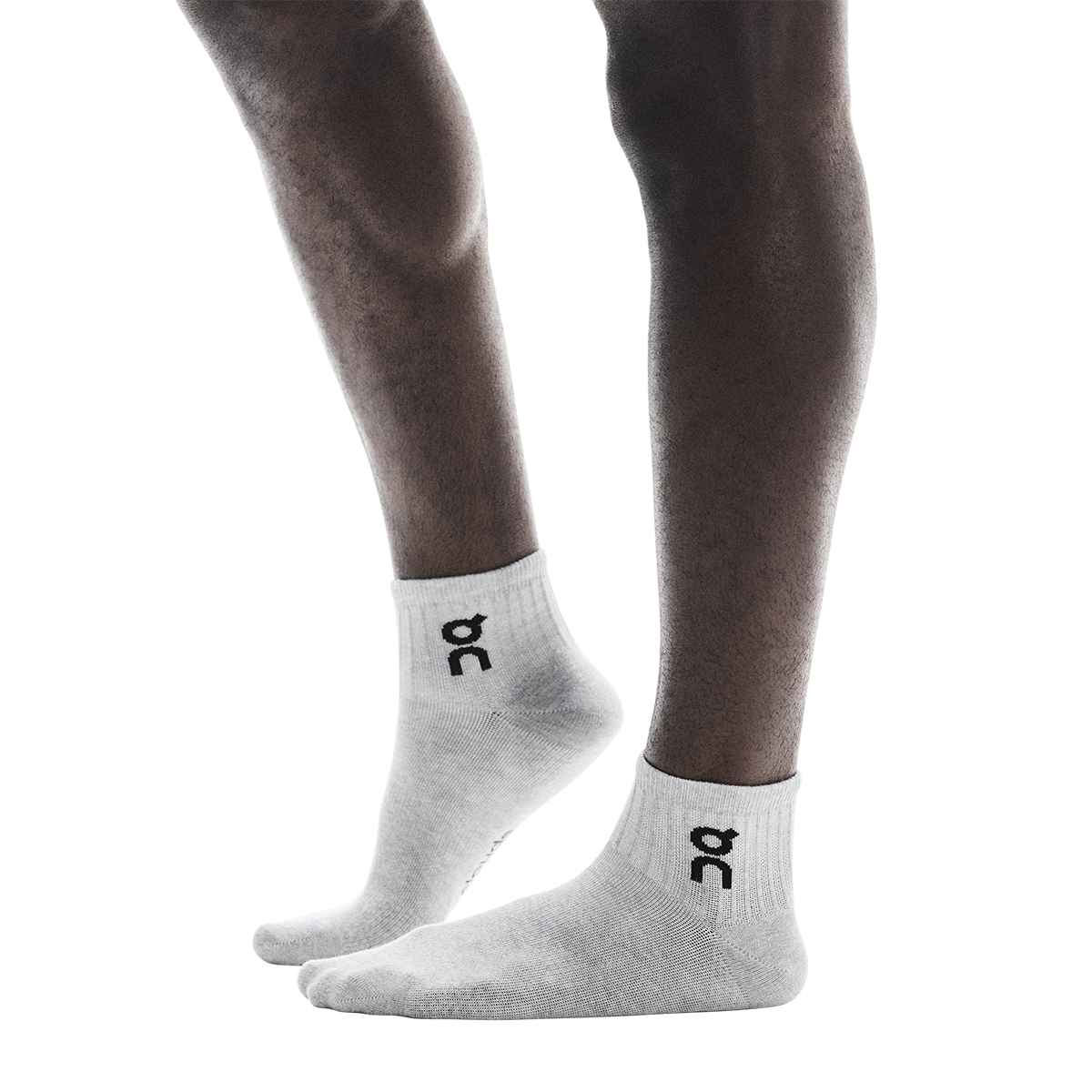
- Cooler morning or you prefer a taller cuff: On Performance Run Sock High. Breathable panels and targeted heel‑toe cushioning provide comfort without excess bulk, with reflective yarn on the cuff for pre‑dawn starts.
- Training pack that matches your race pair: On Core Run Sock Low 2‑Pack. A practical way to test and rotate a low‑profile option before race day so your fresh pair feels familiar.
Match socks to weather and course
- Hot and humid start: choose ultra light synthetics with open mesh zones and a no‑show or low profile. For more heat tactics, see Hot Weather Socks That Stay Dry.
- Cool or wet forecast: light to medium cushion can buffer cold pavement and reduce squish in rain. Layering ideas and merino tips live in Cold/Wet Day Socks and Layering.
- Hilly or cobblestone sections: consider a quarter or crew height to prevent collar rub and keep grit out.
Fit tweaks for different foot shapes
Sock volume can fine‑tune shoe fit. If your racers feel a touch roomy, a slightly thicker sock can fill space. If the toebox is snug, go ultra light. See quick adjustments in Wide vs. Narrow Feet: Sock Volume Tricks.
Race‑week checklist
- Two pairs set aside: one for the shakeout, one fresh for race morning.
- Nails trimmed smooth to protect the fabric and your toes.
- Body glide or powder for known hot spots if you are blister‑prone. Guidance on friction and moisture lives in this Fit2Run article.
- Sock inspection: no loose threads, no stretched heel, no toe seam you can feel while jogging in place.
- Lacing check: confirm midfoot comfort and heel security with a quick refresh from our lacing guide.
FAQ
Should I race in calf compression socks?
If you trained in calf sleeves or compression crews and like the feel, they can be reasonable for longer courses because they may enhance comfort and proprioception. If you did not train in full calf compression, a performance crew sock is the safer choice. Ensure any compression option does not restrict toe splay as feet swell late in the race.
Brand‑new pair or washed once?
A brand‑new twin of your proven model feels crisp and grippy inside the shoe. If you are sensitive to new‑fabric stiffness, washing once without fabric softener the day before is fine. Always match the exact sock you tested on your shakeout.
Can socks really reduce blister risk?
They help manage the two main risk factors: friction and moisture. Materials, toe construction, and fit choices discussed above can make a noticeable difference. For background, see How to Choose the Best Running Socks.
Next steps
Pick the height and cushion that fit your weather and course, confirm the feel on a 10 to 20 minute shakeout, then save a fresh pair for race morning. If you are refining comfort around the heel or midfoot, revisit lacing techniques. You have done the work. Lace up, trust your training, and go enjoy the race. 🎉
Written by: Alex D., Expert Fit Specialist