



Socks, Fit, and Blister Control: The Small Tweaks That Make Every Mile Feel Better
Great runs aren’t only about shoes. The right socks and a couple of smart lacing tweaks can turn hot spots into non‑issues, help you feel locked in without pressure, and keep your feet drier from the first mile to the last. As your Fit2Run coaching crew, we’re here to make those choices simple and high impact—no guesswork, just confident steps forward. Whether you’re training for your first 5K or your 10th marathon, these adjustments can help you run happier and finish stronger. Let’s get moving. 🏃♀️💨
Why socks matter more than most runners realize
Blisters and hot spots come from repeated shear forces—tiny layers of skin sliding against each other—made worse by heat and moisture. Socks are your first line of defense. Good running socks do three things well: they manage moisture so sweat moves away from the skin, they maintain a smooth, wrinkle‑free interface to reduce friction, and they fit your foot’s volume and shape so nothing bunches or rubs. Clinical and field guidance consistently identify friction plus moisture as the classic blister recipe; dialing down either variable protects the skin. For background, see prevention overviews from the American Academy of Dermatology and applied guidance from the U.S. Army Public Health Center.
Fit first: length, width, and volume that match your foot
Start with the simplest win—fit. Your sock shouldn’t fight your shoe. It should occupy the right amount of space so your foot feels hugged, not squeezed, with zero extra fabric to wrinkle. If you’ve ever felt mid‑run toe pressure or heel slip that you blamed on the shoe, an ill‑matched sock volume is often the culprit.
Different feet need different “volume.” Runners with wider feet typically do better with socks that offer more forefoot stretch and avoid bulky cushion that steals shoe space. Narrow‑footed runners often benefit from slightly denser yarns or targeted compression zones that take up extra room so the upper hugs the midfoot. For a quick, practical breakdown with clear examples of how to adjust thickness and knit structure to foot shape, read Wide vs. Narrow Feet: Sock Volume Tricks. That short guide helps you translate “my shoe feels sloppy or tight” into the right sock choice—fast.
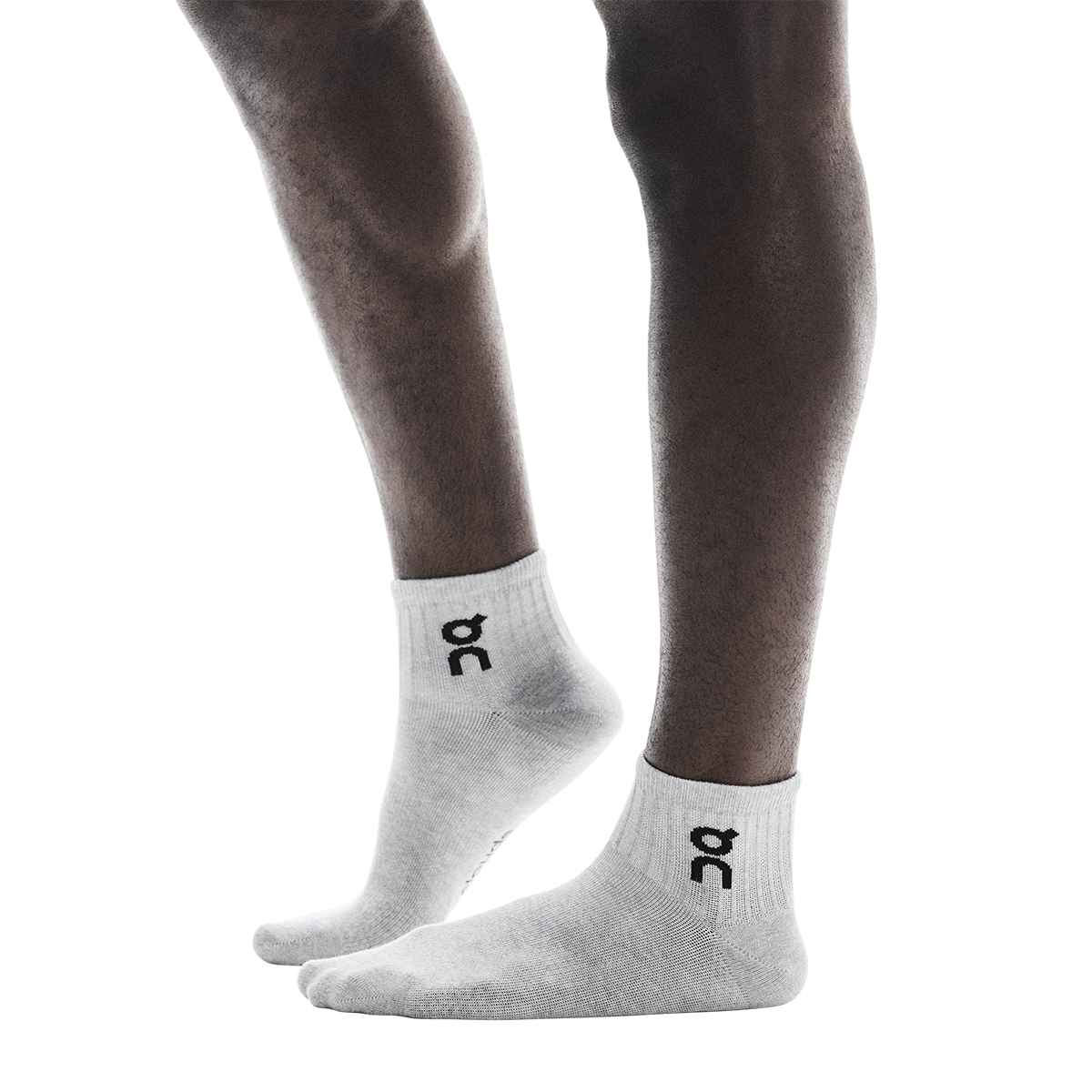
If you like a balanced, stay‑put feel with subtle structure through the arch and midfoot, a versatile daily option like the breathable wrap of the On Performance Run Sock Mid (Unisex) adds gentle hold without excess bulk—great when you want dependable lockdown and smooth fabric that won’t bunch on turns.
Moisture management: fibers and construction that keep feet drier
Moisture softens and warms the skin, making it more vulnerable to friction. That’s why yarn choice and knit construction matter so much on steamy workouts or long efforts. Modern running socks lean on two fiber families—often blended for the right balance of feel and performance:
- Synthetic blends (nylon, polyester, elastane): Hydrophobic fibers disperse sweat across a wider surface so it evaporates quickly. They shine on hot, humid days and during sustained uptempo running when constant airflow keeps the microclimate in check.
- Merino wool blends: Fine‑gauge merino can absorb a small amount of moisture into the fiber core while still feeling dry to the touch. It helps regulate temperature across a range of conditions and naturally resists odor—useful for long runs, travel, or back‑to‑back training days.
Construction details are just as important as fiber choice. Look for a smooth toe seam (or seamless toe), ventilated mesh zones over the forefoot and under the arch, and a defined heel cup so fabric doesn’t migrate. If you can feel a ridge with your fingertips before a run, you’ll feel it even more at mile 10—swap to a smoother pair.
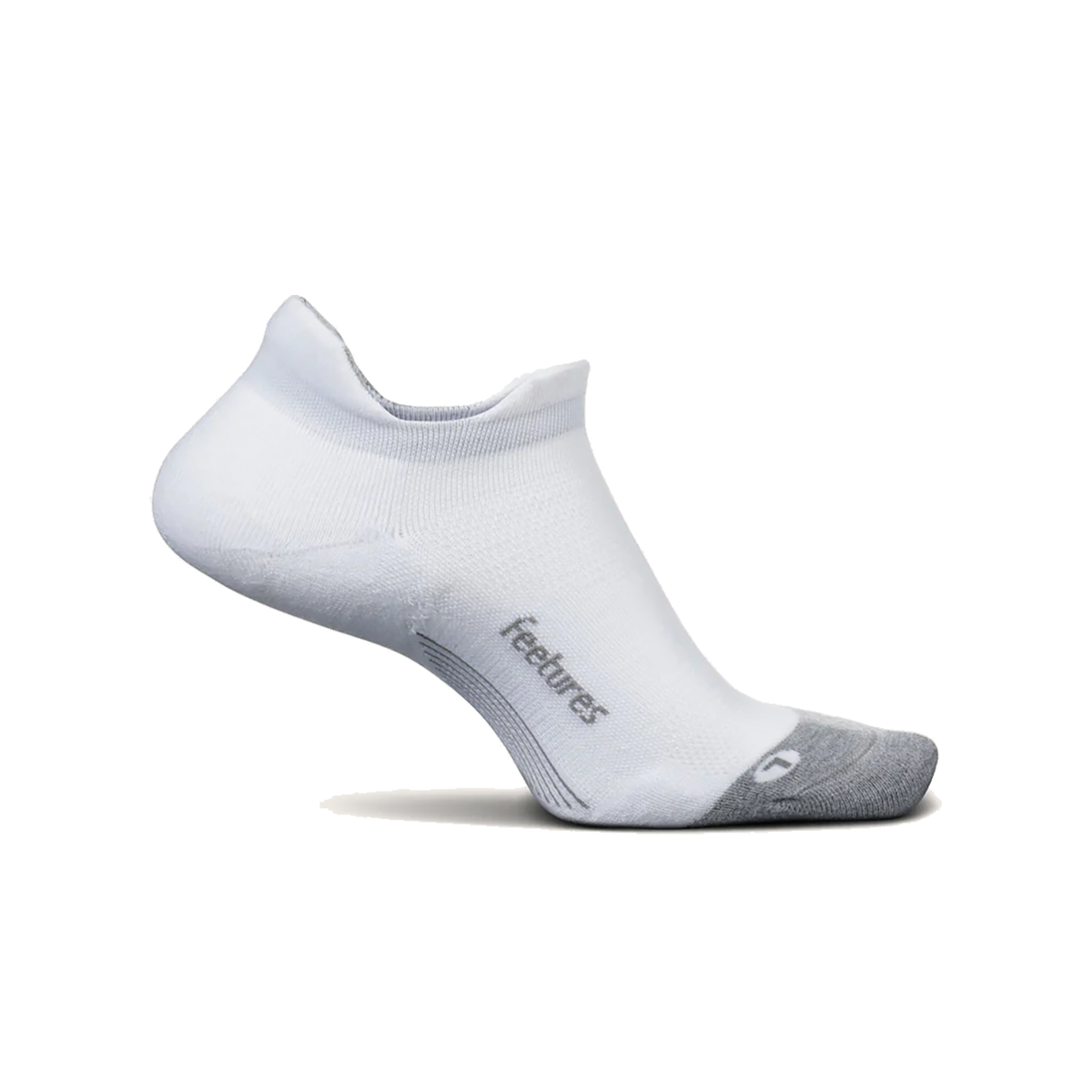
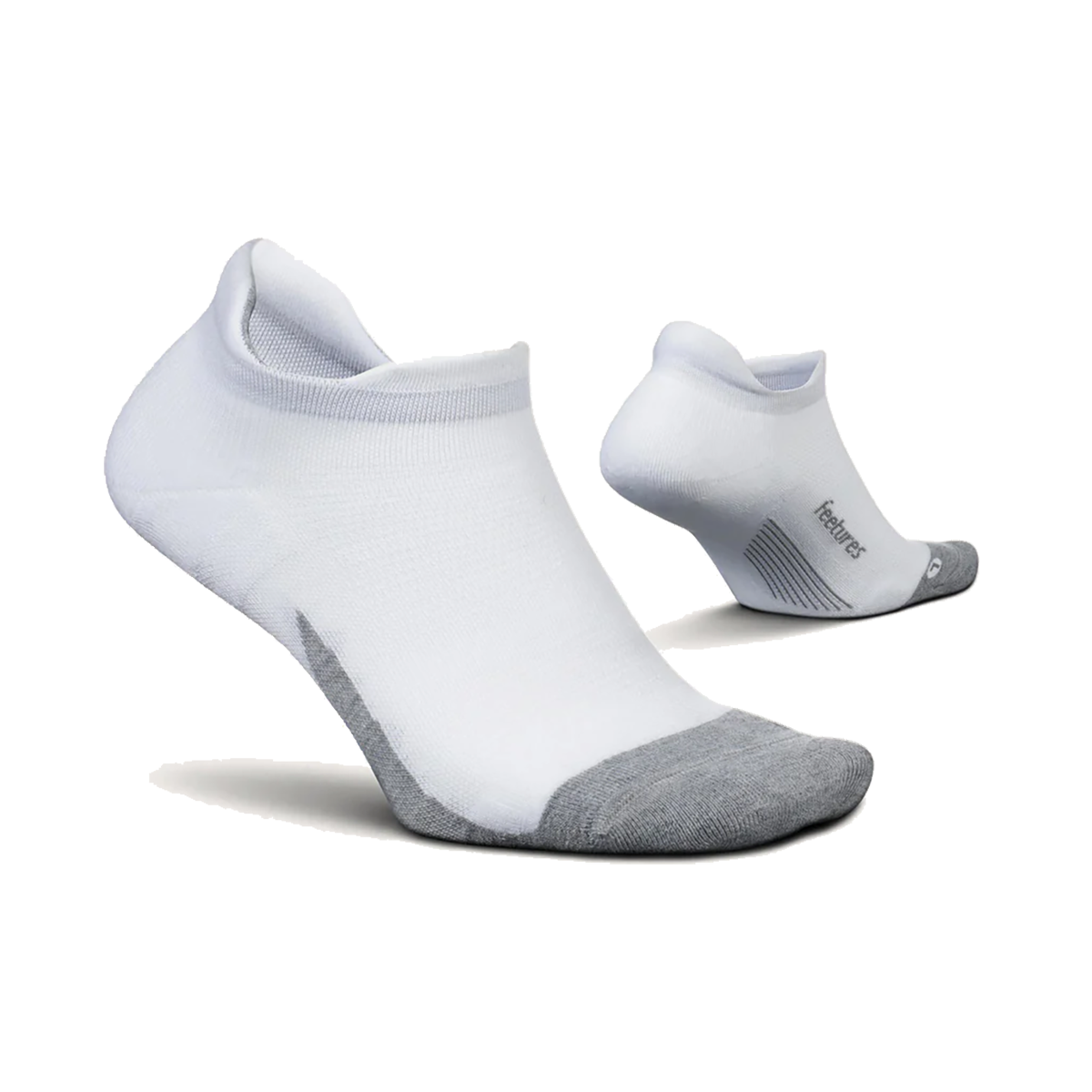
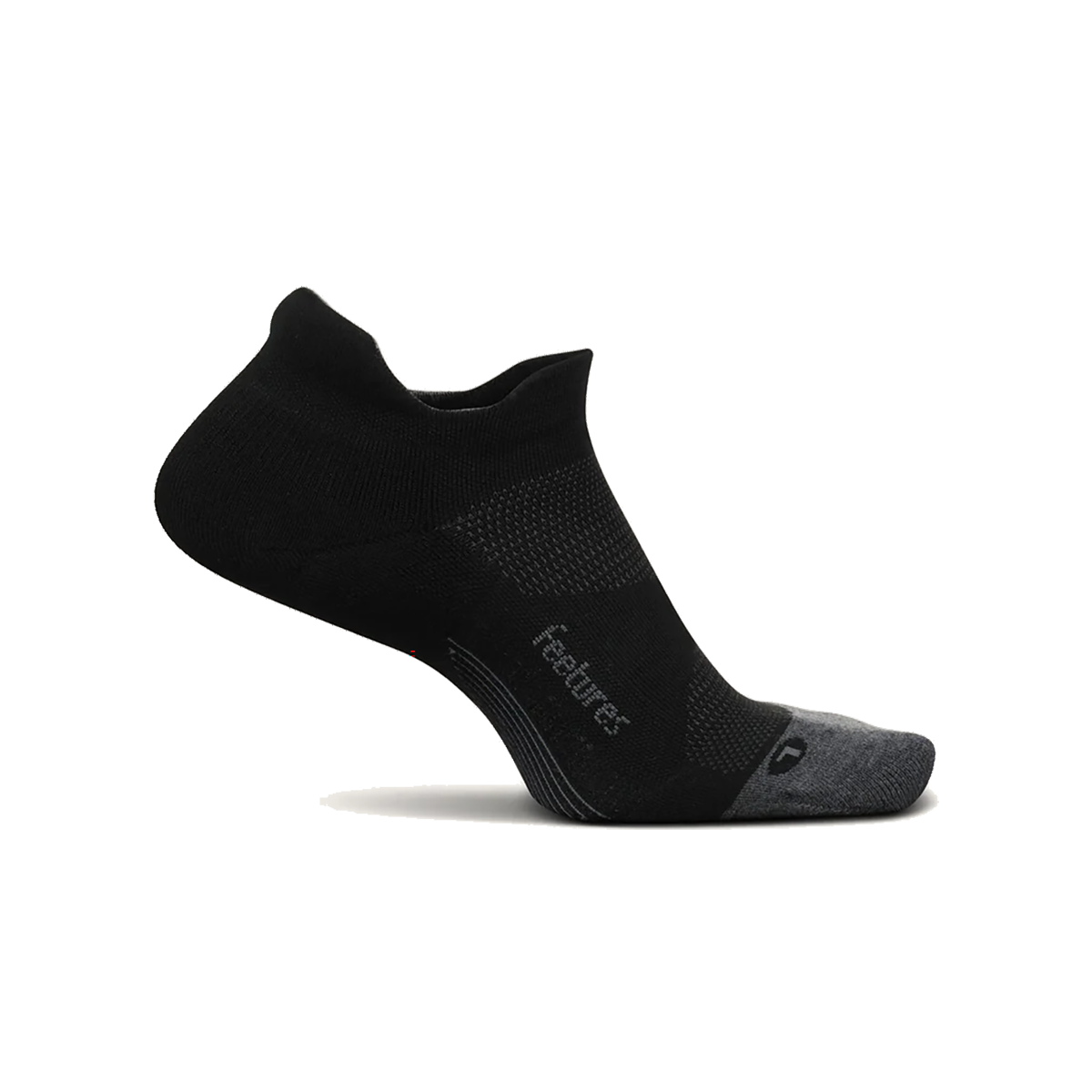
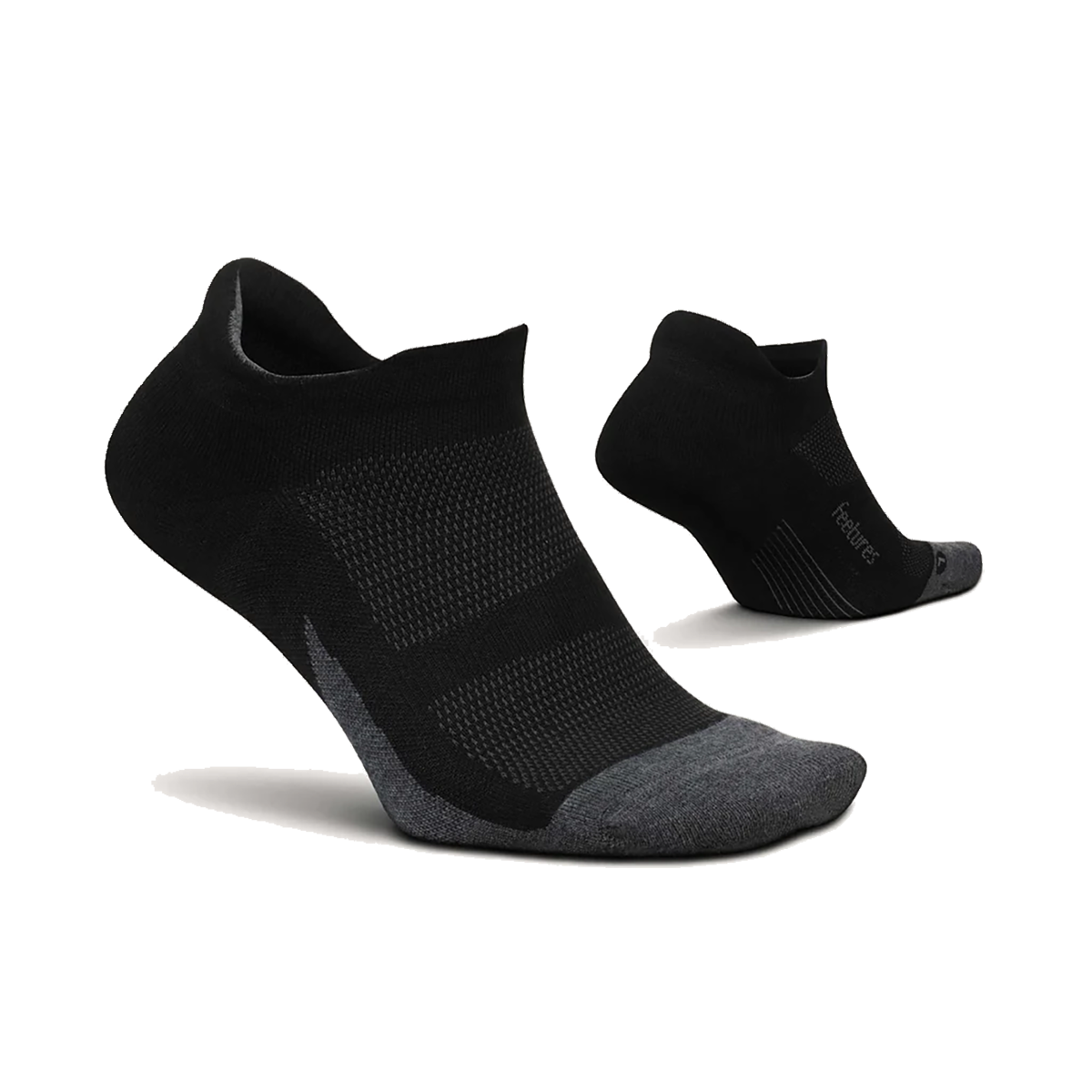
Want an unobtrusive, minimal profile for warm sessions that still stays put? The soft heel grip and hidden silhouette of Feetures Elite Invisible keep the collar from rubbing while giving you that barely‑there feel many runners love on interval days.
Match your socks to the day: hot, cold, and wet conditions
Conditions drive sock choice as much as distance. On steamy afternoons, lighter yarns and open‑mesh vents keep sweat moving and reduce that “soggy collar” feeling. In cold or wet weather, a slightly denser knit and taller height improve comfort and help block grit from sneaking into the shoe. For breathable picks and practical sweat‑management ideas, skim Hot Weather Socks That Stay Dry; it explains how airy knits, quick‑dry fibers, and lower heights work together when the mercury spikes.
Rain in the forecast or winter drizzle on the schedule? Taller cuffs can keep splash and grit out, and merino‑blend or denser synthetics will still feel comfortable if they get damp. Thoughtful layering and material choices for gnarlier conditions are outlined in Cold/Wet Day Socks and Layering—a smart read before those chilly long runs. When the route calls for added coverage without bulk, the light, breathable cuff on the On Performance Run Sock High (Unisex) offers secure protection that helps keep grit out.
Cushion vs. ground feel: choose density for distance and terrain
Cushion is about contact quality and shoe volume. Too little, and high‑friction zones take a beating during long efforts. Too much, and you may feel vague foot placement or cramped space inside a snug racer. A reliable rule: pick the thinnest sock that still keeps your skin stable for the time‑on‑feet you’re planning.
Comparison table: sock cushioning options and when to use them
| Option | Feel | Best For | Tradeoffs | Blister/Heat Notes |
|---|---|---|---|---|
| Ultra Light | Maximum ground feel; minimal bulk | Speed work, race efforts, very hot days | Less impact damping on long runs | Lowest heat retention; demands precise fit |
| Light Cushion | Balanced; slight padding at toe/heel | Daily miles, mixed workouts, 10K–half | A touch warmer than ultra light | Good friction control without excess warmth |
| Medium Cushion | Plusher landing; more fabric volume | Long runs, recovery days, cooler temps | May feel crowded in low‑volume shoes | More warmth; fit must be smooth to avoid wrinkles |
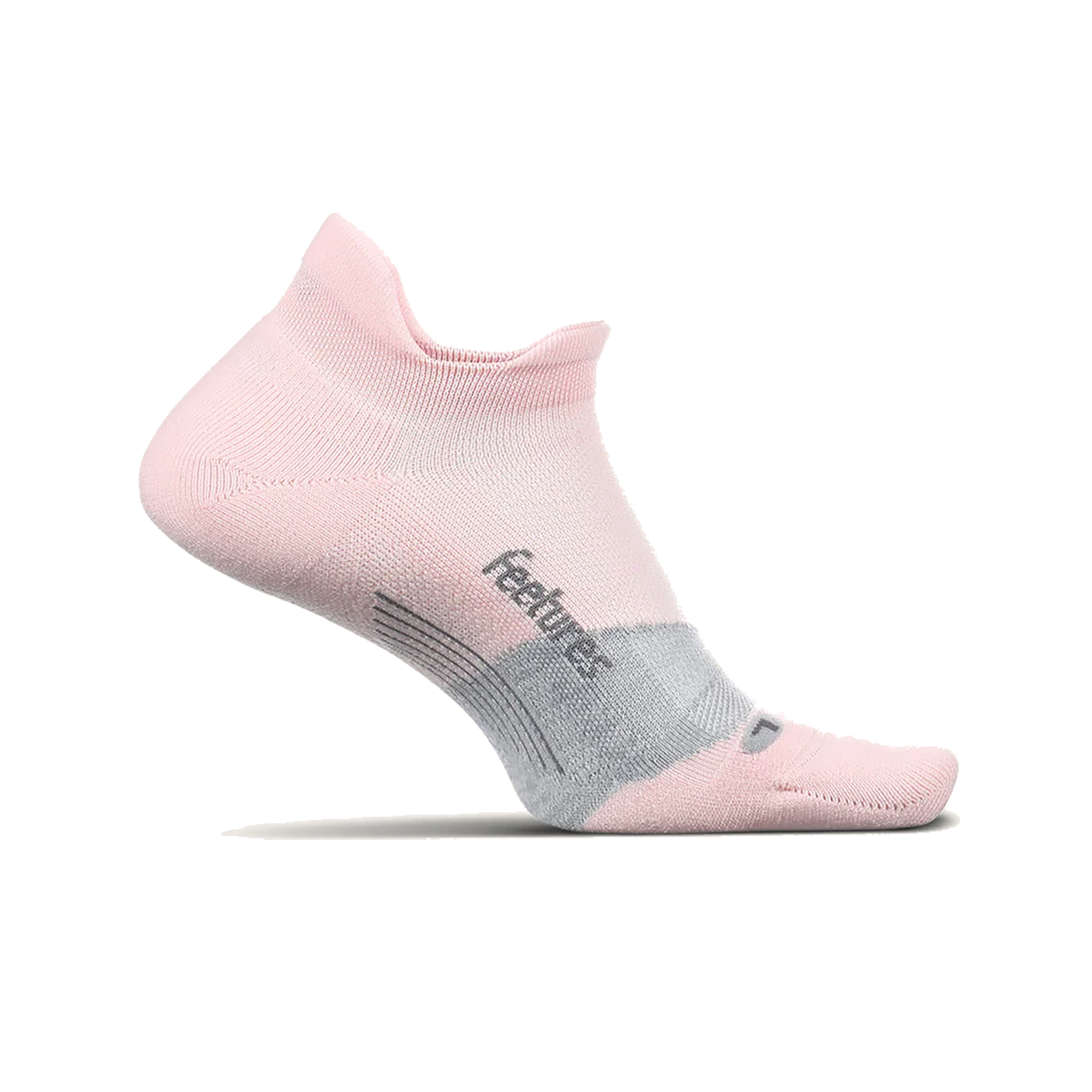
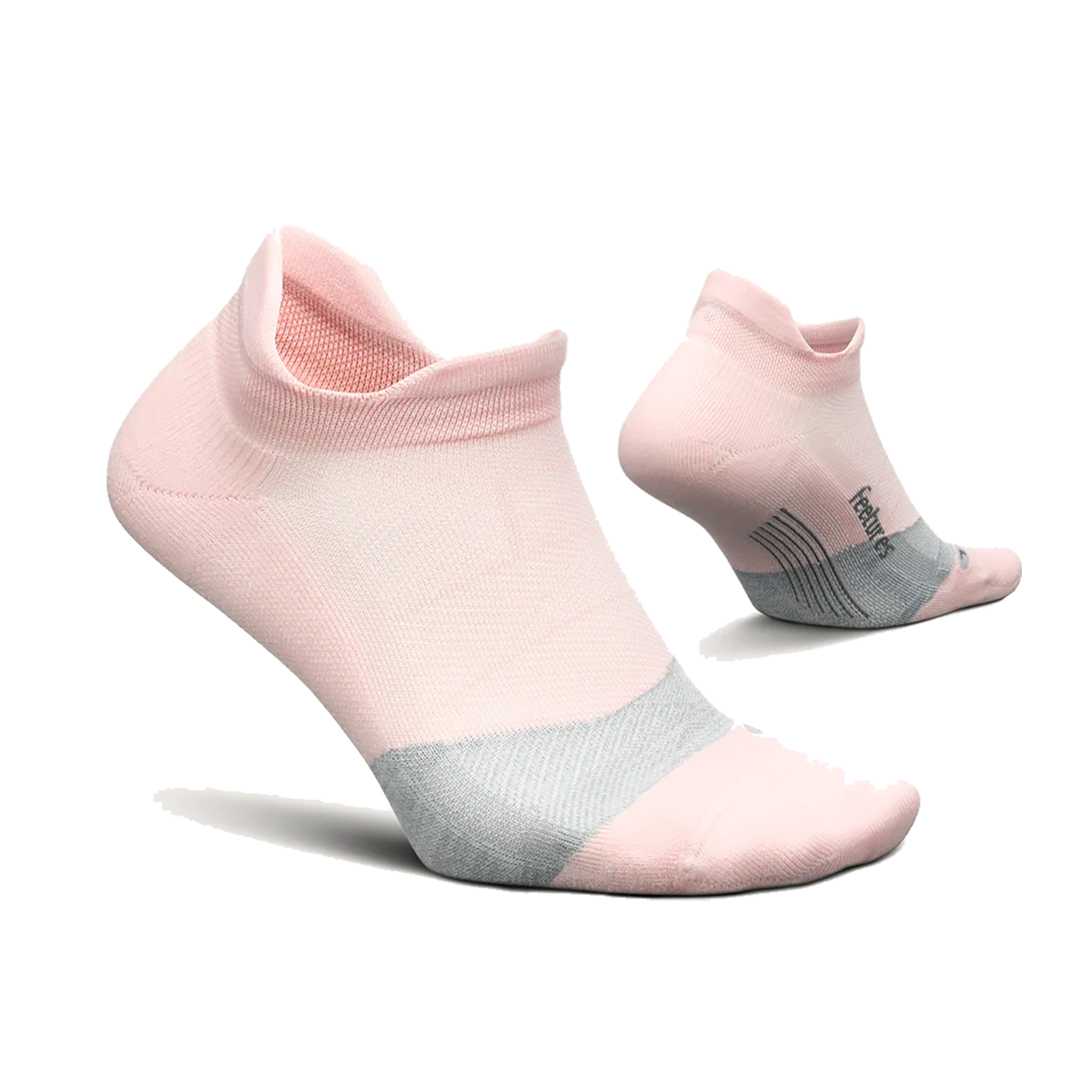
If you’re chasing crisp ground feel for intervals or tempo, a stripped‑down model like Feetures Elite Ultra Light No‑Show Tab keeps the interface sleek so foot placement feels snappy. For easy miles and long aerobic runs, lightly cushioned synthetics or merino blends can spread pressure without feeling spongy.
Height matters: no‑show, quarter, or crew?
Height is more than a style choice. It changes how your collar feels against the skin and how well you block debris. No‑show and low‑tab designs are popular for road runs in warm weather because they’re light and cool. Quarter and crew heights shine when you want to keep grit out, protect the Achilles from shoe‑collar rubbing, or add a touch of warmth on breezy mornings.
- No‑show/low: Minimal coverage; great for heat and speed. Pair with snug heel collars and a heel tab to prevent slip. A value‑friendly way to stock up for summer is the breathable two‑pack On Core Run Sock Low 2‑Pack (Unisex).
- Quarter: The versatile daily height; adds collar protection on corners and hills without feeling warm.
- Crew: Trail days, cooler temps, or when you want a confident ankle hug and splash barrier.
Prefer taller coverage for cool mornings or light trail? The supportive cuff on the On Performance High Sock (Women’s) balances warmth with airflow, giving you protective height without bulk.
Lacing techniques: lock the heel, ease the midfoot
Even the best socks can’t fix a loose heel or a pinchy instep. Lacing is your second lever for comfort and blister control. A secure heel counter stops backward slip—the motion that often creates rubbing at the Achilles and under the heel. If you feel pressure across the top of the foot, redistributing tension through the eyelets can relieve the hot spot without giving up overall lockdown.
Two time‑tested techniques cover most needs: a runner’s knot (lace‑lock) to keep the heel planted and window lacing to relieve instep pressure. Walk through both—step by step—in Lacing Techniques for Heel Lock and Midfoot Pressure. Try them on your next shakeout and notice how a tiny change up top transforms how your sock and shoe feel underfoot. If you favor a locked‑in, fast feel for tempo work, the snug knit of the On Performance Low Sock (Women’s) pairs well with a heel‑lock to keep everything planted during pace changes.
Race‑day confidence: choose early, test briefly, start fresh
Race morning is not the time to experiment. Pick your socks a week out, run a short shakeout in the exact model, then toe the line in a brand‑new or like‑new twin. That routine minimizes seam surprises and confirms the sock volume plays nicely with your race shoes. For an at‑a‑glance breakdown of height, cushion, fabric, and a few proven picks, bookmark Race‑Day Socks: Fresh Pair, Right Fit. On race‑week speed sessions, a breathable, low‑profile option like the On Performance Low Sock (Men’s) can deliver that crisp connection many runners prefer when sharpening.
Troubleshooting common hot spots
1) Heel rub or collar irritation
Try a taller sock height with a soft, stable cuff and reinforce heel lock using a lace‑lock. Ensure the heel tab (on low socks) sits above the shoe collar. If your current pair slides, upgrade to a model with a grippy heel yarn or a more defined heel cup.
2) Forefoot friction or under‑toe blisters
Consider light cushion under the met heads to distribute pressure. Confirm your socks are the right length so fabric doesn’t bunch at the toes. If your race shoes are very snug, ultra‑light socks can reduce rubbing while letting your toes splay.
3) Midfoot pressure, numbness, or tingling
Paired with a well‑fitting sock, try window lacing to reduce pressure across the instep while maintaining overall lockdown. If your socks use firm compression bands and your feet swell on long runs, switch to a model with gentler wrap for those sessions.
4) Debris and grit sneaking in
Go taller. A quarter or crew height blocks more dust and trail grit, and a slightly denser cuff helps seal the collar. For road runners who want more coverage with airflow, the lightweight knit on the On Performance High Sock (Men’s) balances protection with breathability.
5) Moisture build‑up on humid days
Swap to a thinner synthetic blend with open‑mesh vents. Keep a second pair in your bag for post‑warmup changes on very muggy race mornings. If dampness persists, double‑check shoe fit; a tight collar can trap heat and sweat.
Build a simple, hard‑working sock rotation
Two to four pairs can cover most training. Think in use‑cases: a hot‑weather lightweight, a lightly cushioned daily trainer sock, and a taller, slightly denser pair for cold or messy days. Rotate pairs to let elastics recover between sessions, and keep one race‑ready twin sealed for key events.
- Daily trainer: Light cushion, breathable synthetic blend, quarter height for versatility. If you like a barely‑there feel with just a touch of structure, the On Performance Run Sock Low (Unisex) offers low‑profile comfort that disappears on foot.
- Heat/humidity: Ultra light, open‑mesh vents, low or no‑show height; carry a spare pair for post‑warmup swaps.
- Cold/wet: Slightly denser knit, quarter or crew height to block splash and grit; consider merino blends for warmth‑to‑weight and comfort if damp.
- Race day: Choose and test one week out, then race in a new or like‑new twin of the exact model to minimize friction from worn fibers.
Care, lifespan, and when to replace
Good socks last longer if you care for them like performance gear. Wash on cold, skip fabric softeners (they coat fibers and reduce wicking), and tumble dry low or hang dry. Rotate pairs so elastane can recover. Most runners notice the first signs of aging when the cuff loses its snap, the heel thins, or the toe seam becomes more noticeable. If you’re getting new hot spots in an old, previously comfortable pair, it’s time to retire them.
Putting it together on your next run
Here’s a quick, actionable plan to test on your next week of training:
- Pick the day: Choose one hot run and one cooler run to feel fiber and height differences.
- Match the sock: For the hot run, go thin synthetic with mesh and a low height. For the cool run, try a quarter or crew with a slightly denser knit.
- Adjust lacing: Use a runner’s knot on both runs. If you feel top‑of‑foot pressure, switch to window lacing mid‑week.
- Note foot shape: If the forefoot feels cramped, switch to a stretchier, lower‑volume sock. If your shoe feels sloppy, try a denser knit with gentle compression through the arch.
- Lock race‑day routine: One week before your event, test the exact pair you’ll race in, then set aside a fresh twin for the start line. For a concise refresher with selection tips, visit Race‑Day Socks: Fresh Pair, Right Fit.
Key takeaways
- Friction + moisture = blisters. Control both with moisture‑moving fibers, smooth construction, and proper volume fit.
- Fit is the fastest win. If shoes feel off, match sock volume to your foot shape. Learn quick adjustments in Wide vs. Narrow Feet: Sock Volume Tricks.
- Conditions matter. Go thin and airy for heat (see Hot Weather Socks That Stay Dry); choose taller, slightly denser knits for chill and splash (see Cold/Wet Day Socks and Layering).
- Lacing is leverage. Use a heel‑lock for stability and window lacing to relieve pressure—step‑by‑steps in Lacing Techniques for Heel Lock and Midfoot Pressure.
- Race smarter. Decide early, test briefly, and start fresh. Quick overview in Race‑Day Socks: Fresh Pair, Right Fit.
FAQ
Do double socks prevent blisters?
Layering can help some runners by moving friction to the sock‑sock interface rather than skin‑sock. But it also increases heat and volume, which can cause new problems in snug shoes. If you try it, pair a very thin liner with a light outer sock and confirm the combo doesn’t cramp your toes. On wet days, many runners do better with a single well‑constructed sock from Cold/Wet Day Socks and Layering.
Merino or synthetic for long runs?
Both work. Merino blends manage a wider temperature range and resist odor, which is great for long efforts and multi‑day travel. High‑quality synthetic blends often feel cooler and dry fastest in peak heat. Choose based on the weather and your skin’s tolerance for warmth.
What sock height is best for road racing?
Most road racers choose low or quarter heights for a light feel and a secure collar. If your shoes’ collars rub your Achilles, go quarter. For pure heat management and minimal weight, low/no‑show can be excellent, paired with a snug heel tab. See the quick guidance in Race‑Day Socks: Fresh Pair, Right Fit.
How often should I replace running socks?
When the cuff loses recovery, heel/toe zones thin, or seams become noticeable, performance drops and blister risk rises. With regular training, many runners rotate 3–6 pairs and replace favorites every few months, similar to mid‑mileage shoe care.
Can lacing really change blister risk?
Yes. Heel slip and localized pressure both increase friction. A proper heel‑lock limits back‑and‑forth motion, and window lacing reduces top‑of‑foot pressure without sacrificing security. Learn the simple patterns in Lacing Techniques for Heel Lock and Midfoot Pressure and pair them with a smooth, well‑fitted sock.
You’ve got this
Small changes pay off fast. Match sock volume to your foot and shoe, pick fibers for the day’s conditions, and use lacing as your finishing touch. Build a rotation you trust, keep one race‑ready twin on hand, and head out the door knowing your feet are set up for strong, confident miles. If you’d like help choosing, our Fit2Run team is here to coach you toward the right pair for your training, recovery, and race goals. 🙌