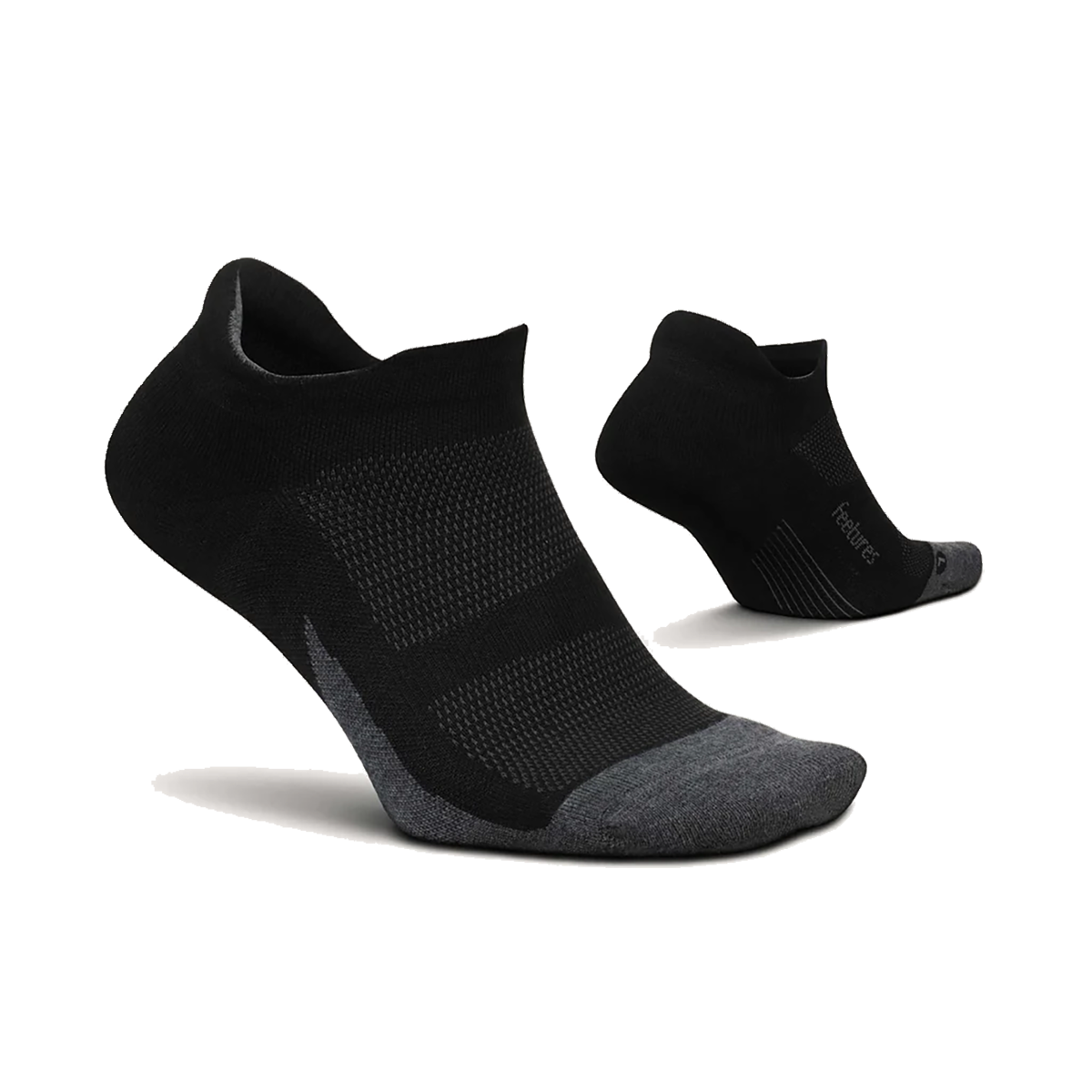



 Why Running Socks Matter More Than You Think
The most common injury among runners is blisters. There are two main contributing factors that cause blisters. Friction is the primary cause of foot blisters, and the secondary being moisture. When the foot rubs against the sock or shoe, the friction causes blisters. This friction is intensified by moisture, so when the two factors come together it can lead to a very uncomfortable and even painful experience. Which is why choosing the right sock is so important.
Key Features to Look for in Running Socks
Some key features to look for when choosing a running sock are:
-
Moisture-wicking fabrics: Fabric that can pull sweat away from the surface via capillary action, allowing for the sweat to evaporate.
-
Cushion levels (light vs max): Provide different experiences and are more beneficial for different activities (mentioned below).
-
Arch compression: Adds stability to the arch to reduce plantar fasciitis pain, increases blood flow and decreases swelling during a long day of standing or running.
-
Seamless toes: Socks with seamless toes eliminates the seam that runs across the top of the toes which can cause discomfort. This design prevents friction, blisters, and nurture sensitive skin and sensory issues.
-
Breathability: Allows for more airflow to the foot to prevent any potential discomfort or chafing from sweat.
Cushion Level: Thin vs. Cushioned Running Socks
Running socks come in multiple different cushions and thicknesses. The three most common are thin cushion, light, and max cushion, each with a different purpose.
Thin cushioning gives a cooler and lighter-weight feel which would be better for tempo runs or races.
Light cushion would be for light walks, jogs, or everyday wear.
Max cushion are the thickest option which give the foot more protection from uneven surfaces and impact, mainly for long walks and runs.
Sock Height Guide: No-Show, Quarter, Crew
There is more than just thickness that goes into choosing the right sock. Sock height is just as important in making your decision.
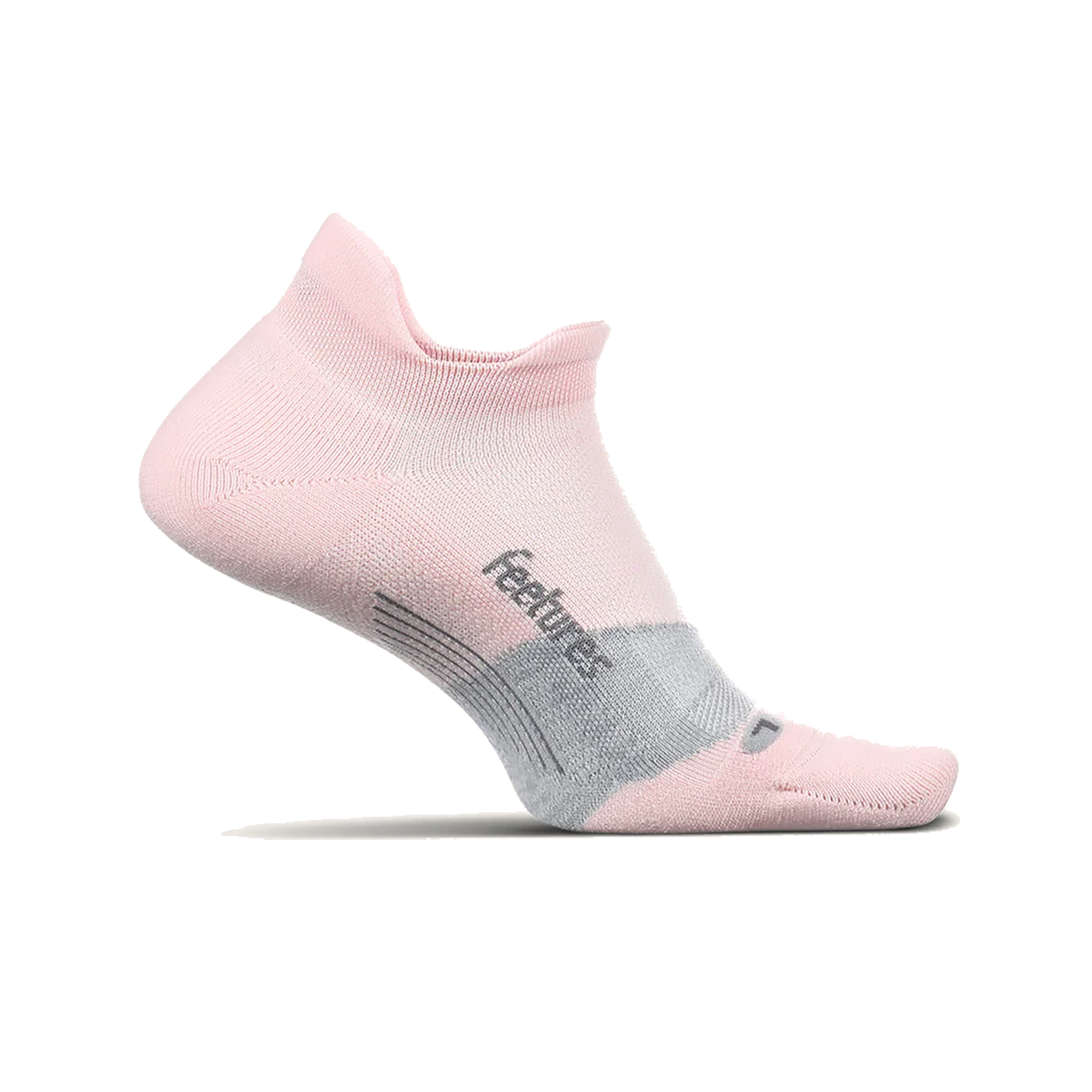
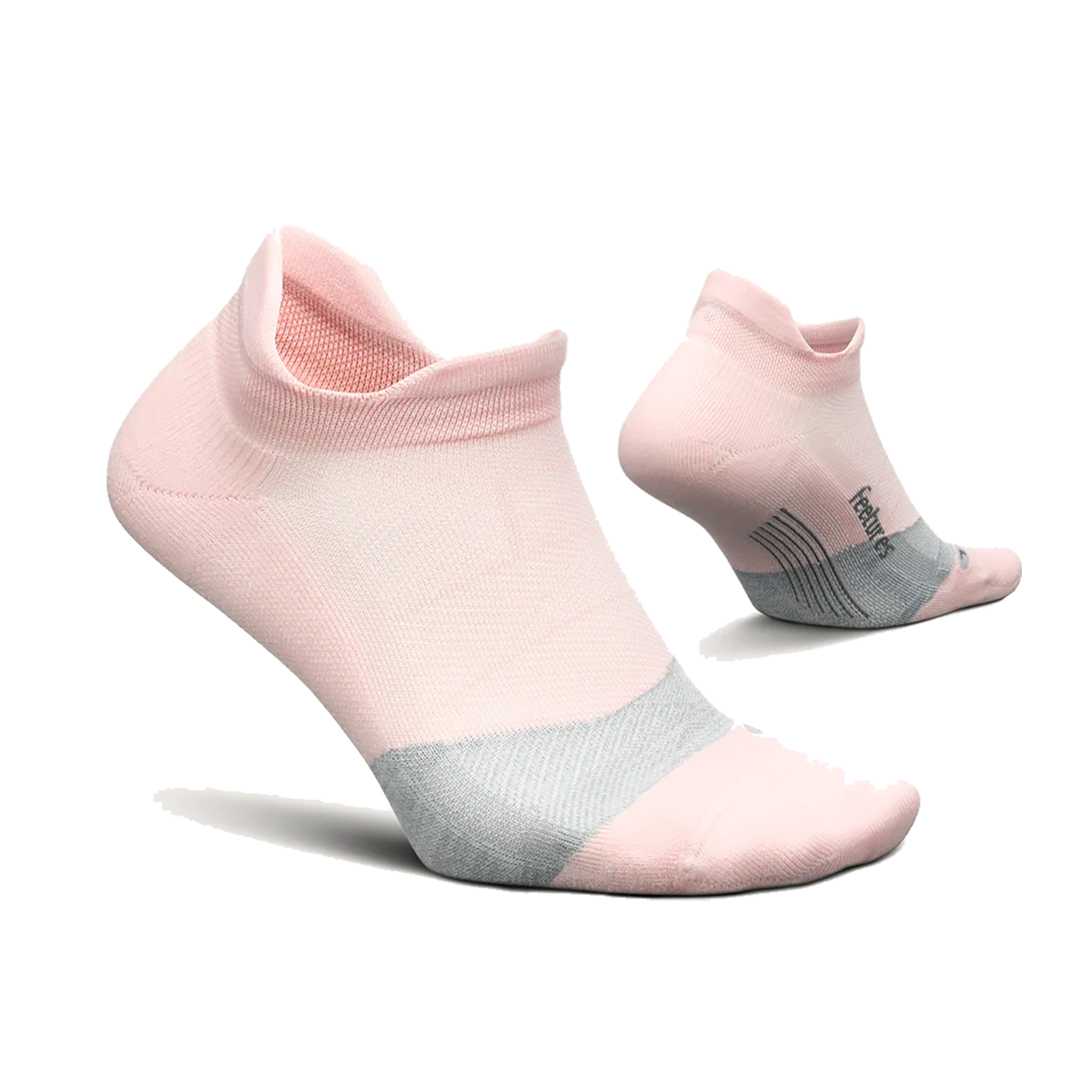
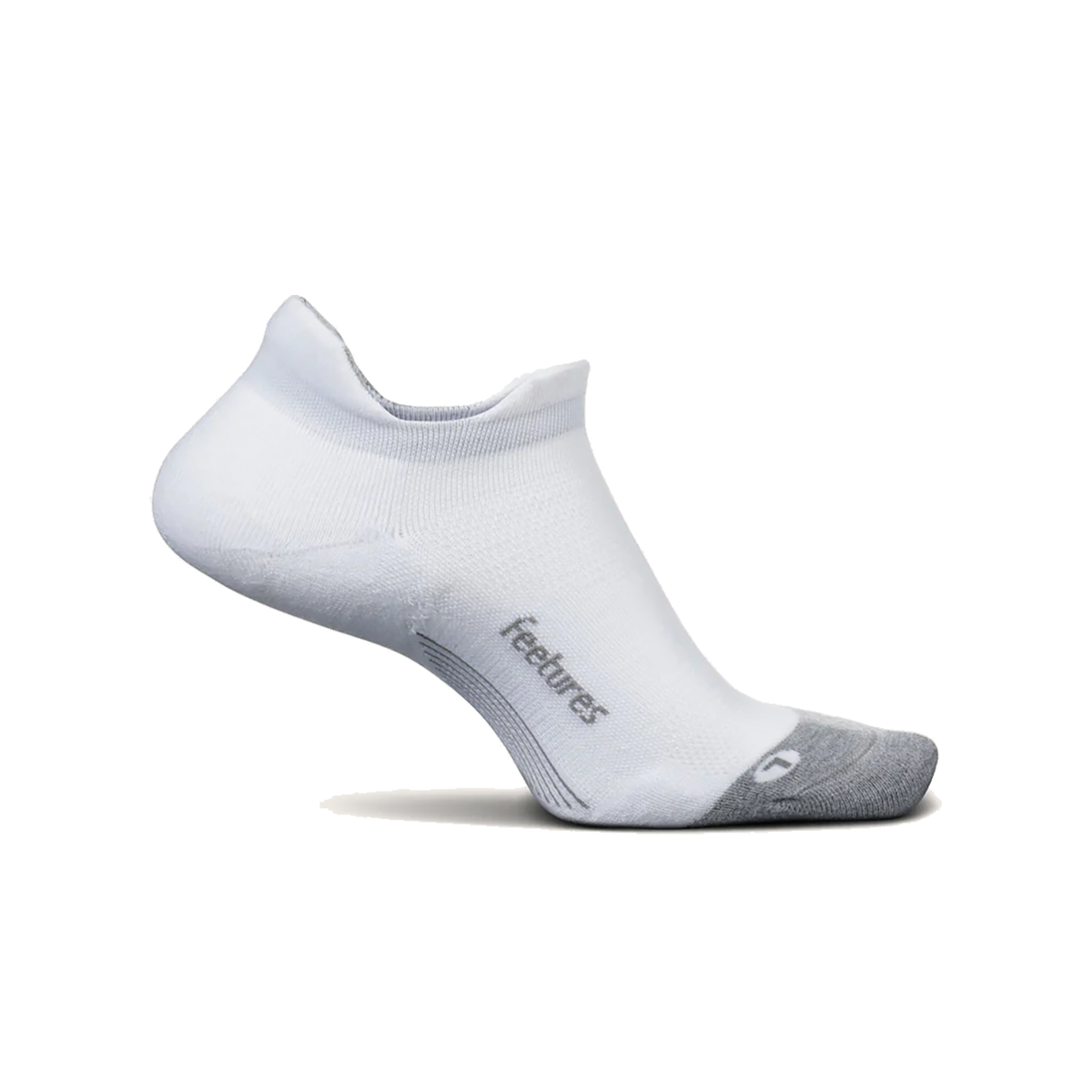
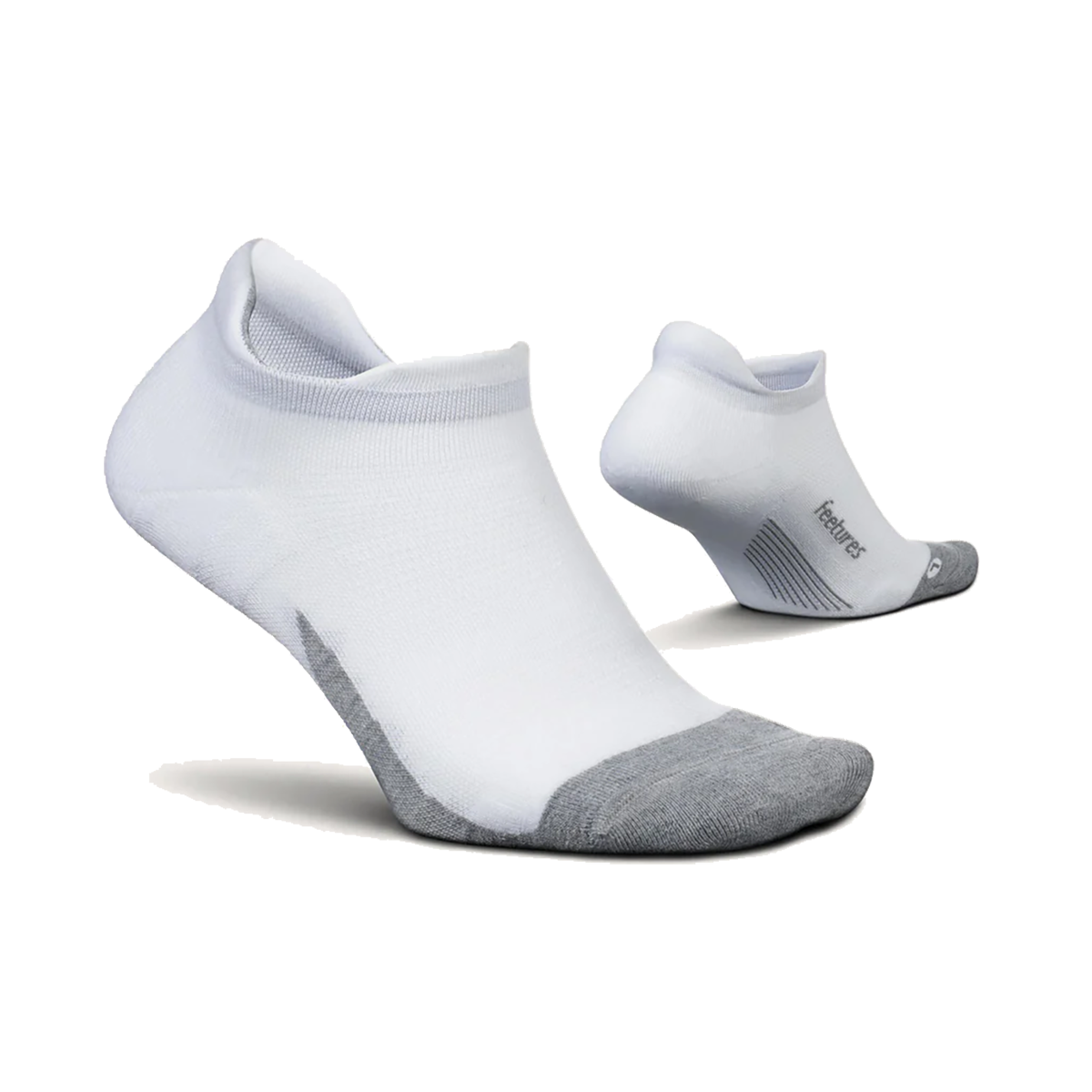
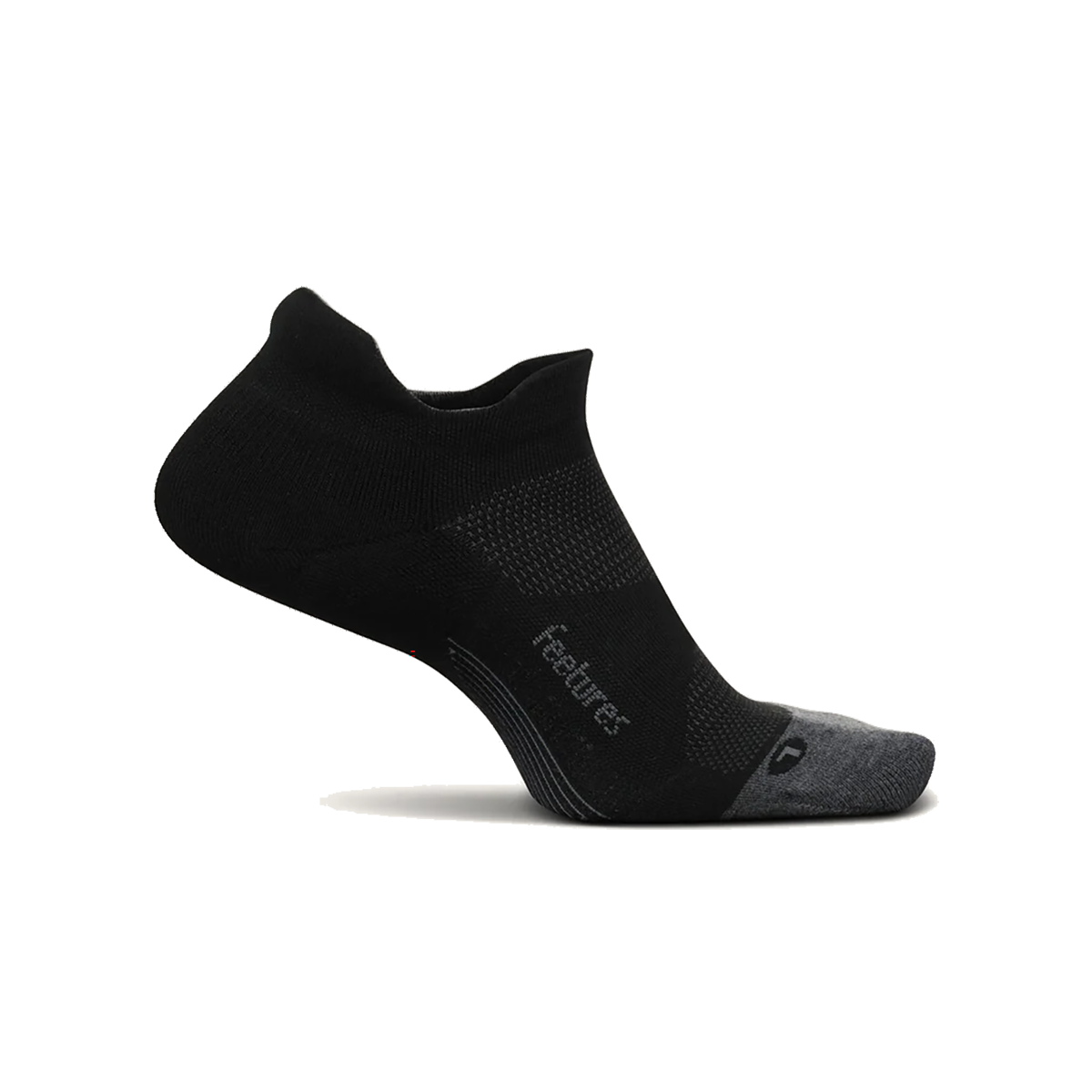
No-show socks: Are typically the thinnest option and do no not cover the ankle bone. These are best worn with low cut sneaker and are more of an everyday wear sock.
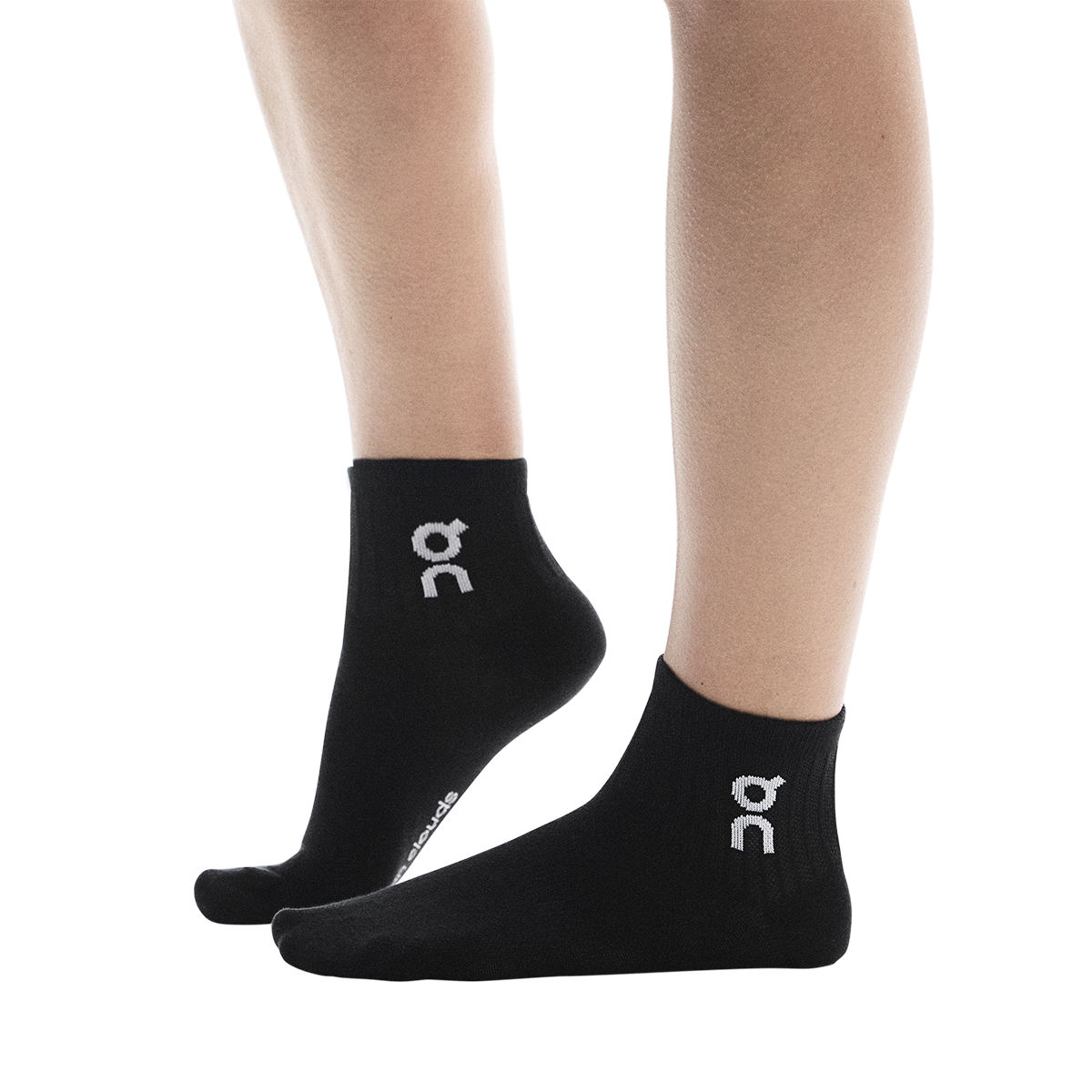
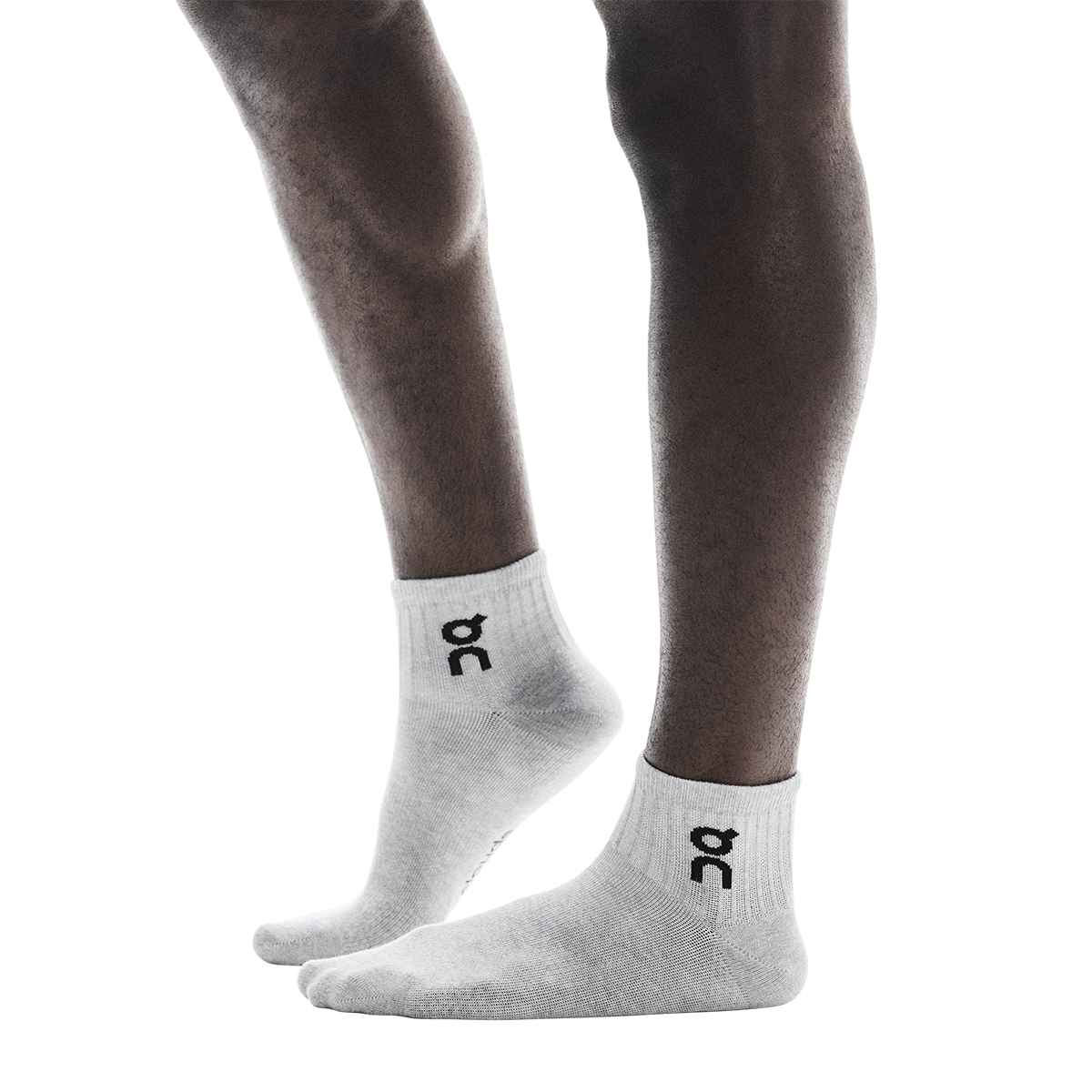
Quarter socks: Also known as ankle socks are the most common running sock. They cover the ankle bone and are best used to prevent heel rubbing, chafing, and blisters on longer walks or runs.
Crew socks: Are the most versatile of the socks mentioned as they can be equally recommended for performance or casual wear. Ankle socks come up to about mid-calf, and are best to be worn in the cold or for longer days on your feet as they are generally the thickest option. Crew socks also are great for preventing blisters most specifically when wearing high-top shoes.
FAQs
Q1: Are cotton socks bad for running?
Yes. Cotton traps moisture, increasing friction and blister risk.
Q2: Should running socks be tight or loose?
Snug but not restrictive. Compression improves support.
Q3: How often should you replace running socks?
Every 300–500 miles or when elasticity fades.