


 Build Mileage Gradually
The biggest piece of building mileage is following the 10% rule. The 10% rule, which is referred to as "the golden rule" is the best way to increase workload without increasing the risk of injury and overuse.
This rule states that a runner should never increase their workload by more than 10% in a week. If you run 20 miles total this week, aim for no more than 22 miles total next week. This ensures that your body can adjust to the mechanical stress of an increased workload without over-exertion.
Fuel and Hydrate Properly
Succeeding starts before you even put your shoes on. The proper planning prevents poor performance. Eating and hydrating properly as much as a day before can lead to better results. A simple schedule might look like:
- Carb heavy meal 24 hours before
- large meal 3-4 hours before
- small meal/snack high in simple carbohydrates 1 hour before
- constant water intake throughout the day
Invest in the Right Shoes
Finding shoes that work for you is the first step, you can start here! Shoes with max cushion are a great tool to help find success on long distance runs, here are some options to look into:
-
Brooks Glycerin Max 2
- These max cushion trainers are great for long distance as the soft cushion underfoot paired with a rocker shape allows for better performance while making it easier on your body
-
HOKA Bondi 9
- These shoes are said to feel like a marshmallow under the foot. This allows for less impact and better shock absorption keeping more energy in the legs for longer
-
ASICS Gel-Nimbus 28
- A go-to for joint protection and smooth miles as the cushion underneath provides that softer feel but comes with another level of consistency for runners looking to feel fresher for longer as opposed to set a PR
-
On Cloudmonster 3
-
The On Cloudmonster 3 comes in with excellent energy return to give runners some extra juice for those later miles. The softer cushion in the latest version lets runners experience a smoother, more energetic feel on their long runs.
-
The On Cloudmonster 3 comes in with excellent energy return to give runners some extra juice for those later miles. The softer cushion in the latest version lets runners experience a smoother, more energetic feel on their long runs.
Prioritize Recovery
Just because you logged the miles does not necessarily mean you are finished the with process of a long run. Recovery is just as important as the preparation. The proper recovery can prevent aggravation, injury, and get you back ready to run a lot faster. Some great recovery tools include:
- Foam rollers
- Massage guns
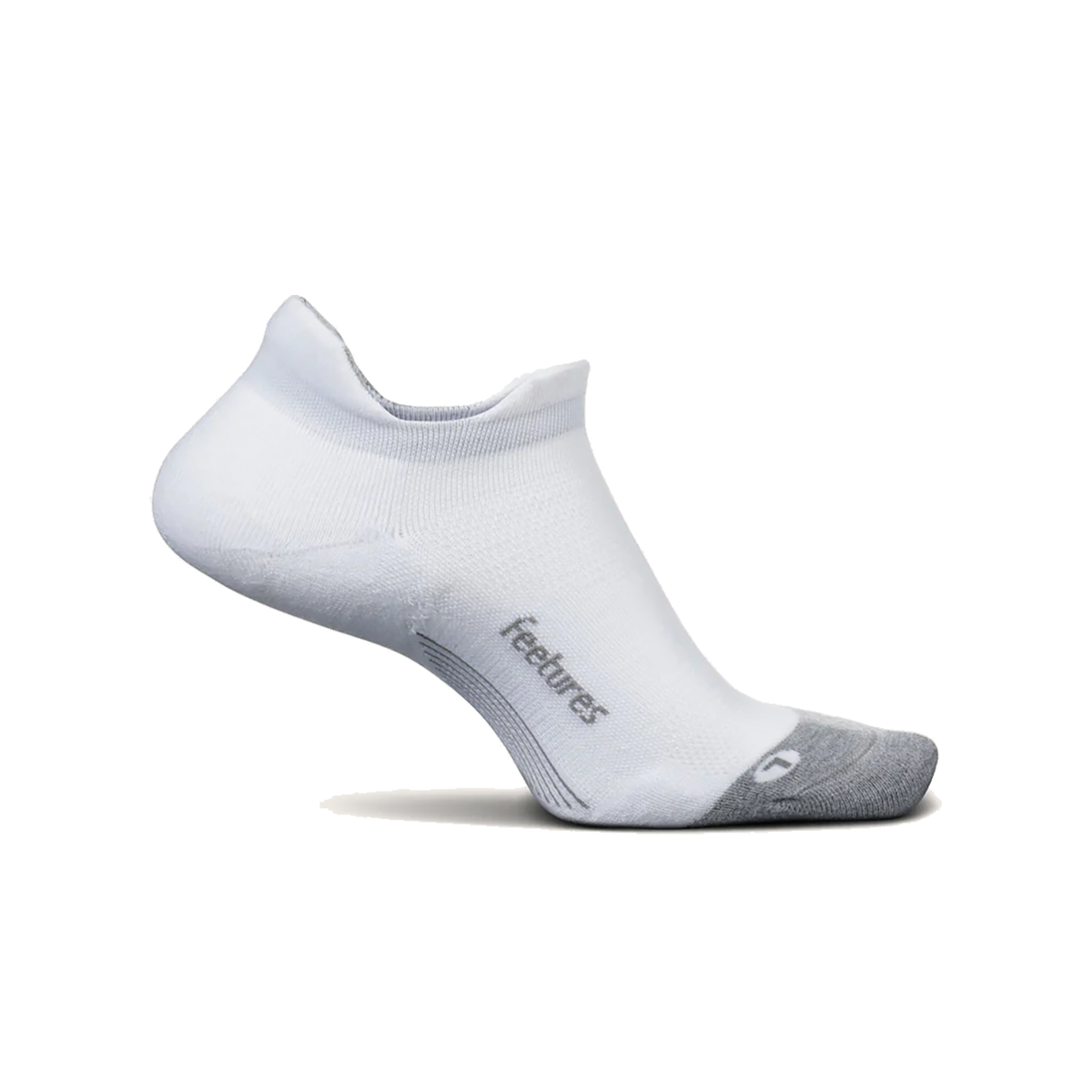
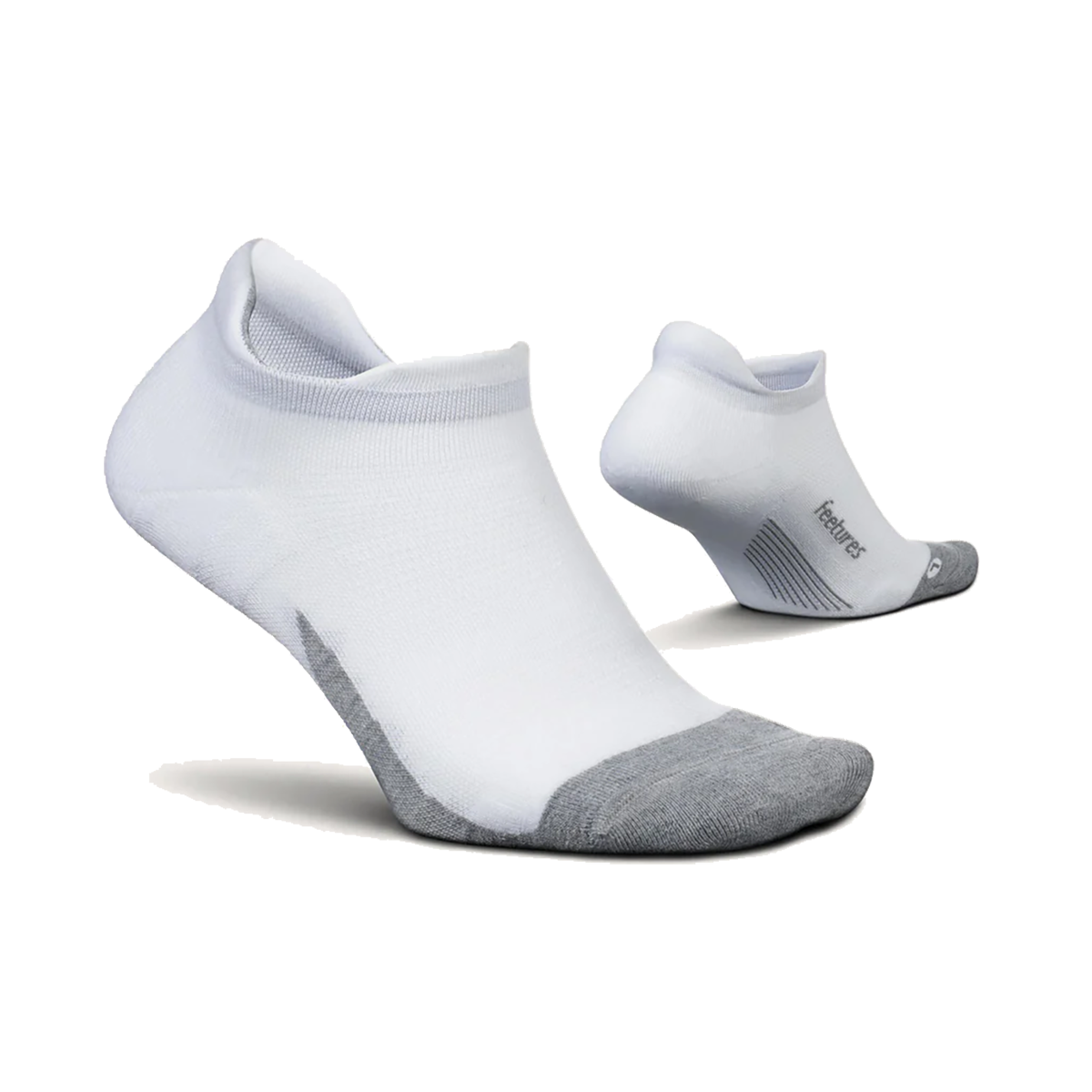
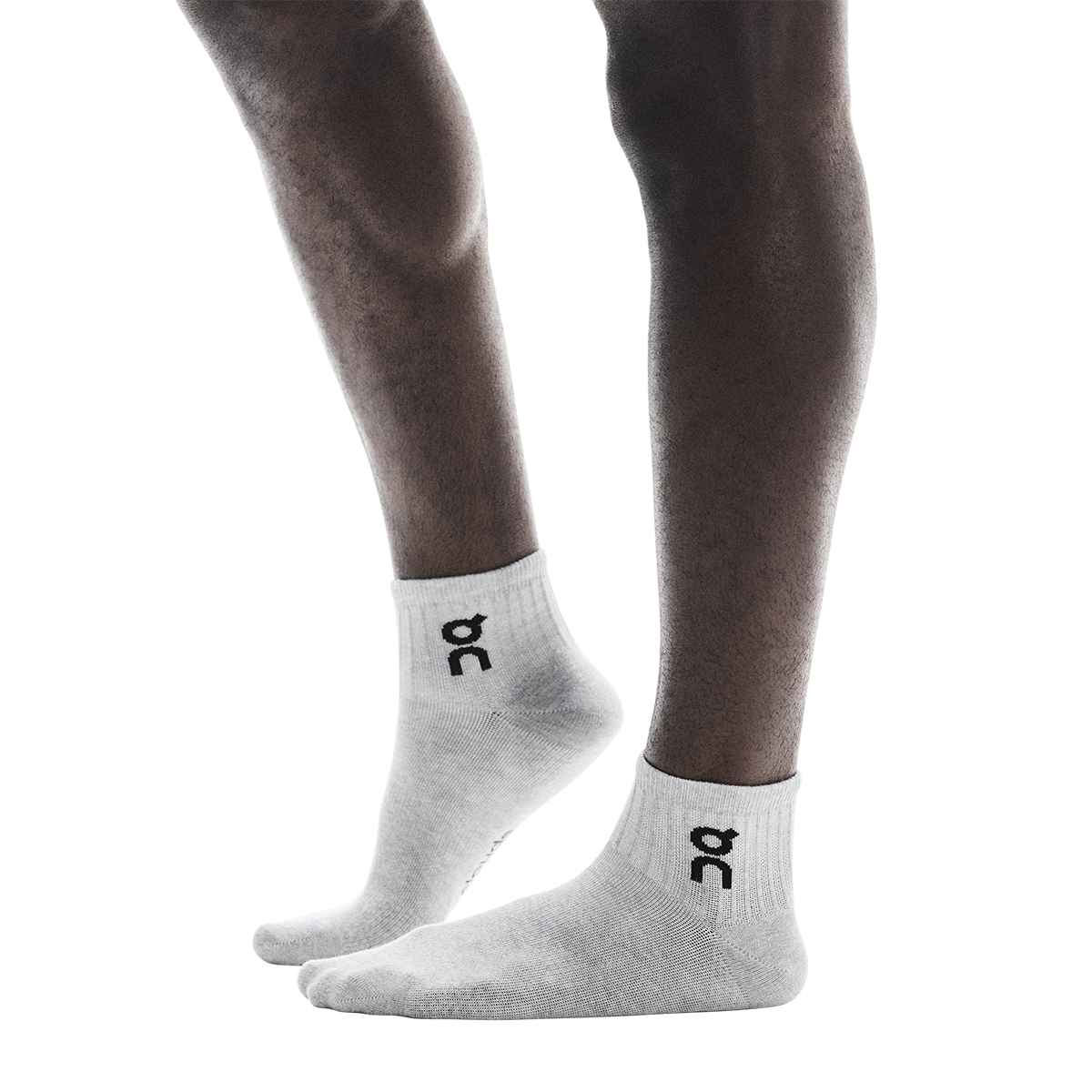
- Compression socks
- Rest days
Train Your Mind for the Long Haul
At the end of the day, running is as much a mental sport as a physical one. The famous saying "Mind over matter" applies very heavily when on a long run. The ability to train your mind to push your body past the initial signs of fatigue is key in successful long distance runners. Like all skills, it takes practice to build up that level of mental strength, but repetition strengthens that skill.
Remember these tips when going out for your next long run and you will be surprised as to what you can achieve!
FAQs
How long should a long run be?
Typically 20–30% of weekly mileage.
How do I avoid hitting the wall?
Proper fueling and pacing.
What shoes are best for long runs?
High-cushion, shock-absorbing models.