


Load Management, Recovery, and Injury Prevention for Runners
You don’t have to train more to run better—you have to train smarter. This guide shows you how to balance weekly load, recover on purpose, and make a few smart gear choices so tomorrow’s miles feel smooth. Whether you’re building from couch to 5K or sharpening for a marathon PR, you’ve got this 💪.
What “load management” really means
Load is the total stress your body takes on from running and life. It includes mileage, pace, terrain, shoes, sleep, work stress—the whole picture. Manage it well and you’ll get stronger; push too far, too fast and niggles turn into time off. A simple framework:
- External load: minutes, miles, elevation, terrain (grass vs. asphalt), footwear stack/firmness.
- Internal load: how hard it feels (RPE), heart rate, soreness, sleep, and life stress.
- Progression rule of thumb: increase only one variable each week (distance, intensity, or long-run length), then hold steady every 3–4th week for a lighter “absorb” week.
Build a week that your body can repeat
Consistency beats hero days. Here’s a simple, repeatable template you can scale up or down:
- 2–4 Easy Runs: conversational effort to build aerobic base and tendon tolerance.
- 1 Quality Session: short intervals, tempo, or hill reps. Start with fewer reps and add one at a time as you adapt.
- 1 Long Run: steady, mostly easy. Add 5–10 minutes every other week; drop it back on absorb weeks.
- 1 Rest or Cross‑Train Day: bike, elliptical, or swim to maintain fitness while lowering impact.
Recovery that actually moves the needle
Sleep and fueling first
Most runners recover best with consistent sleep and regular meals around training. A small carb + protein snack within an hour after finishing helps you bounce back for the next session.
Active recovery beats doing nothing
- Walks, mobility, and easy spins: gentle blood flow without additional pounding.
- Warmth for tight muscles: keep post‑run chills away to relax calves and hamstrings. A cozy layer like the Brooks The Crew Sweatshirt helps after cool morning miles.
- At‑home foot relief: recovery slides reduce pressure when you’re on your feet cooking, commuting, or chasing kids. Many runners love the plush feel of the OOFOS OOmega OOahh Luxe Slide (Women’s) or the versatile OOFOS OOahh Sport Slide (Unisex) for all‑day comfort between runs.
Surfaces, shoes, and smart rotations
Your lower legs feel different on grass, track, concrete, and treadmill. Softer or slightly slower routes can lower impact spikes when you’re rebuilding. If you’re curious how to pair daily trainers with firmer workout shoes, check out Build a Safe Two‑Shoe Rotation: Cushioned Daily + Stable Workouts for mix‑and‑match ideas that tame calf and Achilles load.
On days when calves feel cranky, adjusting terrain helps too. See Route Smarter: Soft vs. Hard Surfaces When Calves Feel Tight to pick forgiving paths during a flare‑up.
When to use a cross‑trainer day
If tendons or shins feel overloaded, swap a run for cycling, elliptical, or deep‑water running. You’ll keep your aerobic engine revving while your tissues catch up. Learn practical swap‑day rules in When to Use a Cross‑Trainer Day to Offload Tendons.
Post‑workout foot care and simple supports
Feet do the work—care for them and tomorrow goes better. For quick routines (rolling, gentle mobility, and timing), see Post‑Workout Foot Care Tools that Keep You Training Tomorrow.
- Comfort underfoot: if your arch likes a touch more structure during everyday wear, a supportive insole like the Aetrex L700 Men’s can reduce fatigue between runs. Choose insoles for walking or work shoes; don’t force extra support if your feet are happier without it.
Hydration, heat, and smart carry
Under‑fueling and under‑hydrating make every pace feel harder—which quietly spikes internal load. In warm U.S. cities and summer race blocks, carry small sips and essentials so you can stick to your plan without breaking stride.
- Hands‑free hydration and storage: the body‑hugging Nathan Run Sling 8L keeps water, gels, and a light layer stable without shoulder bounce on easy days and long runs.
- Light everyday carry: for keys, phone, and a couple gels on shakeouts, the low‑profile Sprints Sling‑It Bag rides comfortably across the chest or hip.
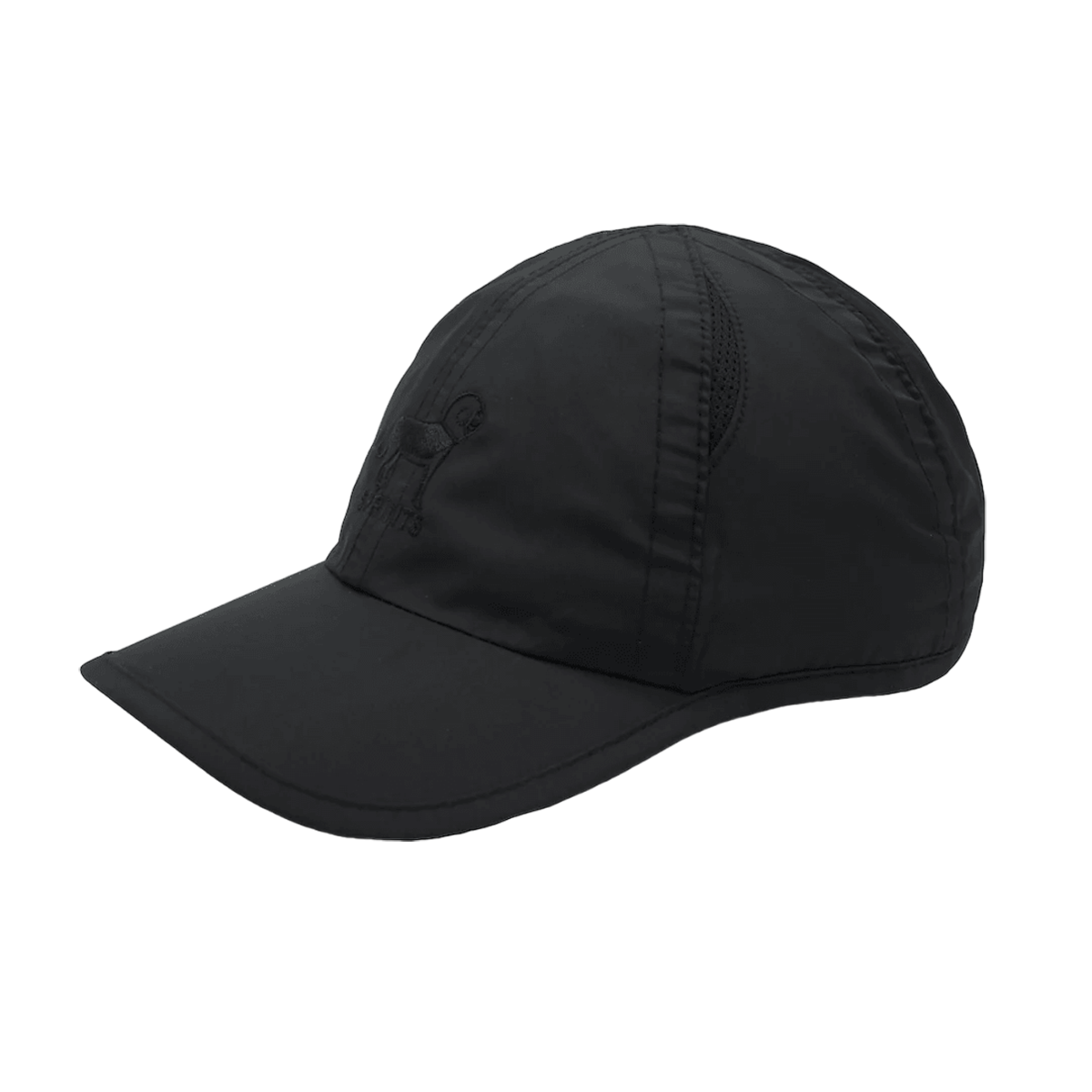
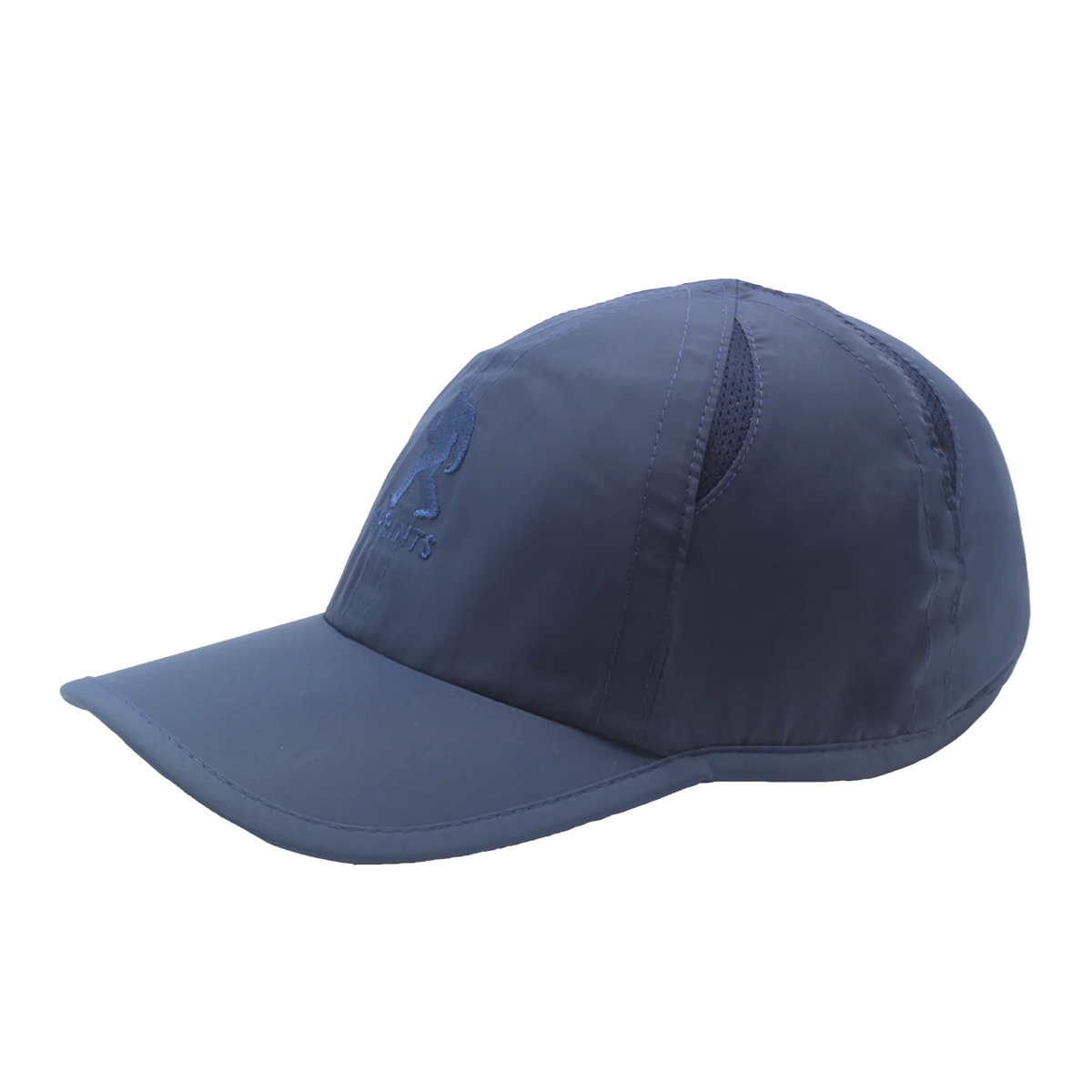
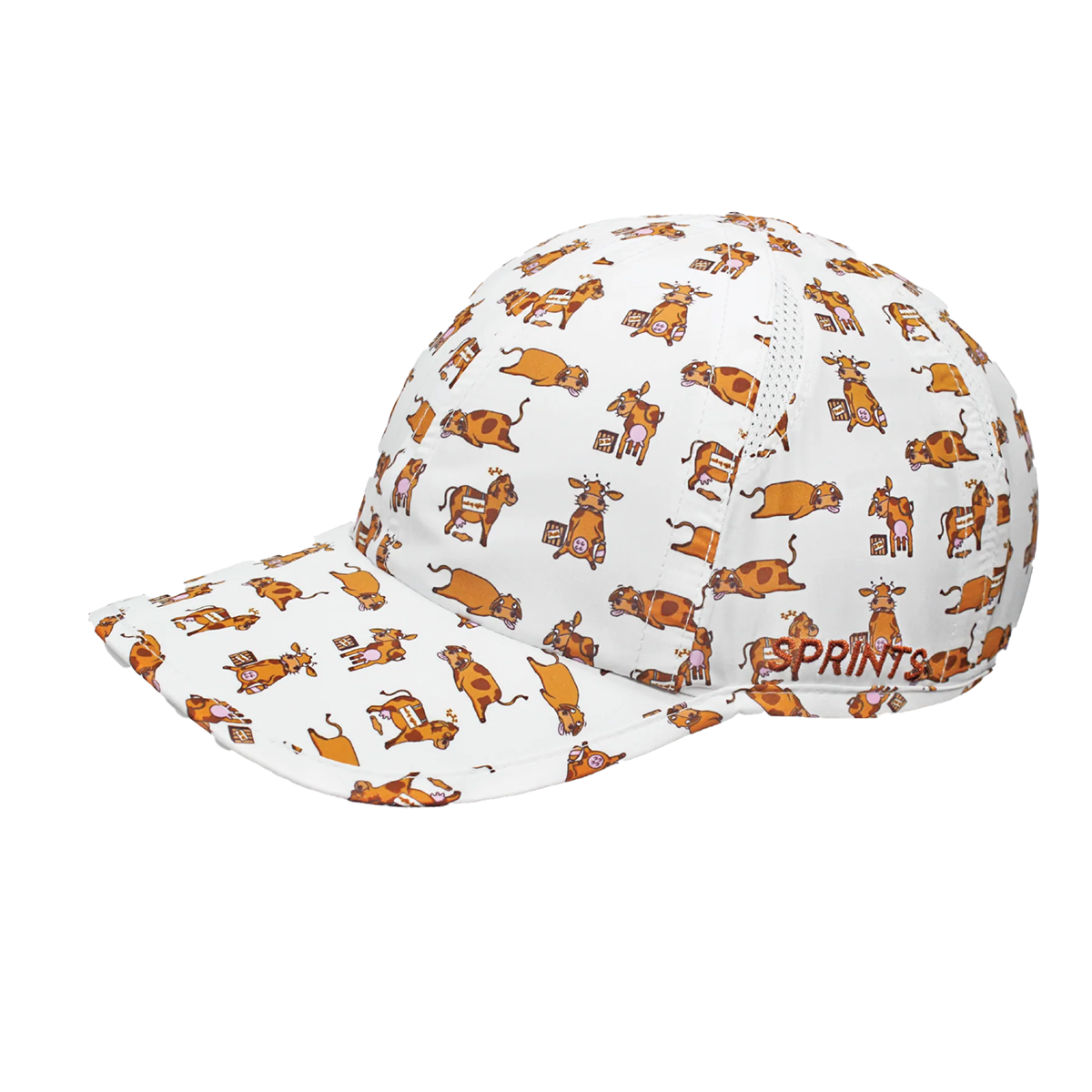
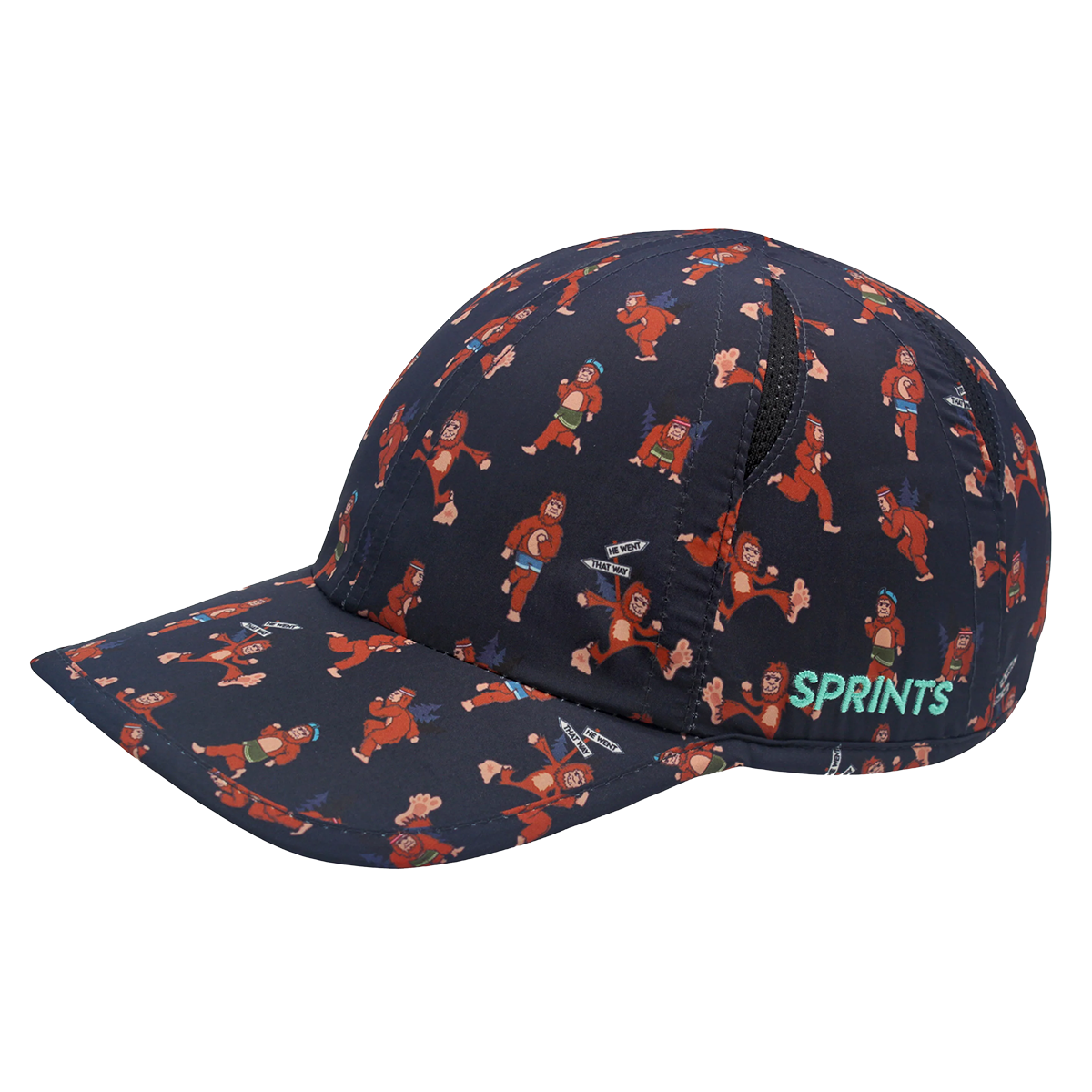
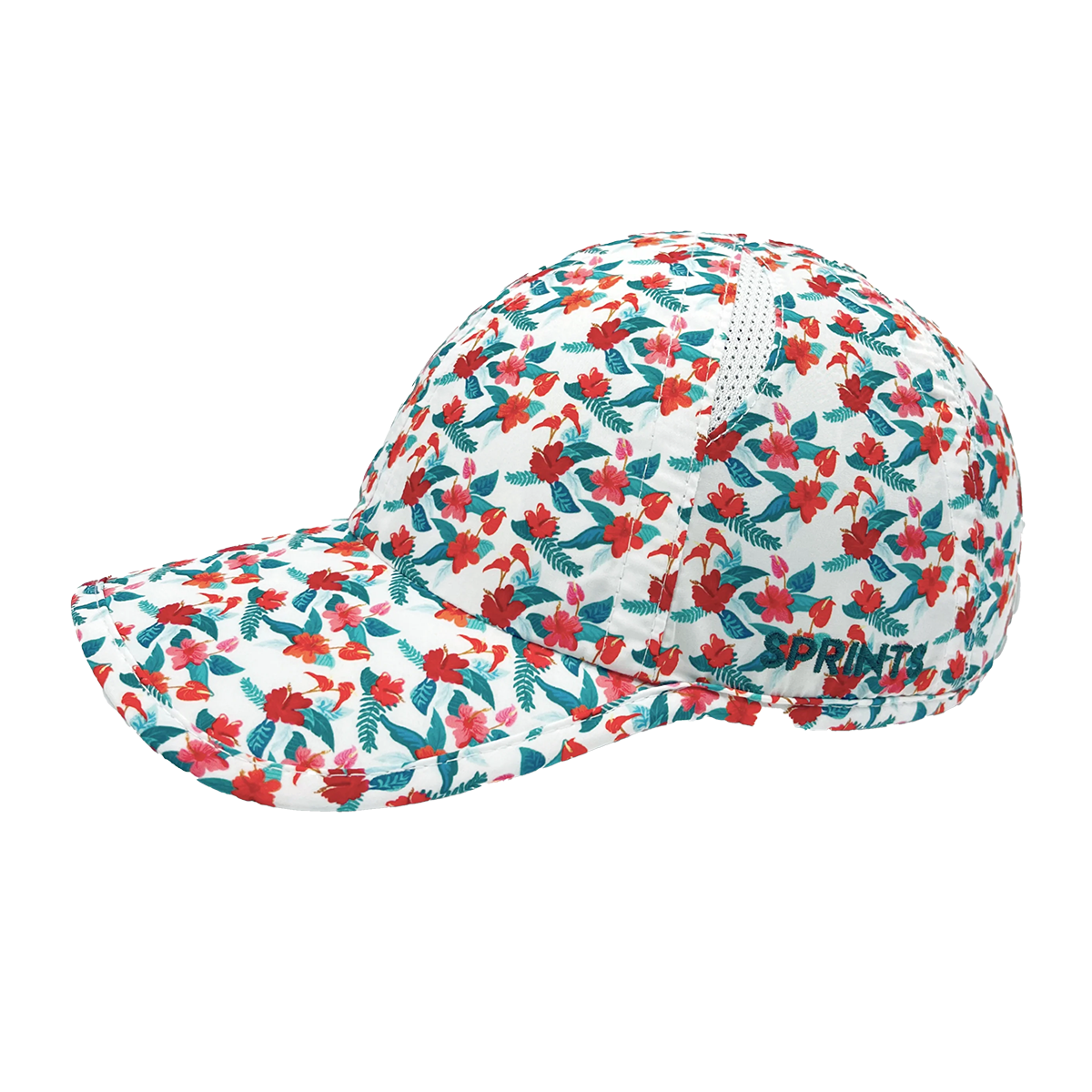
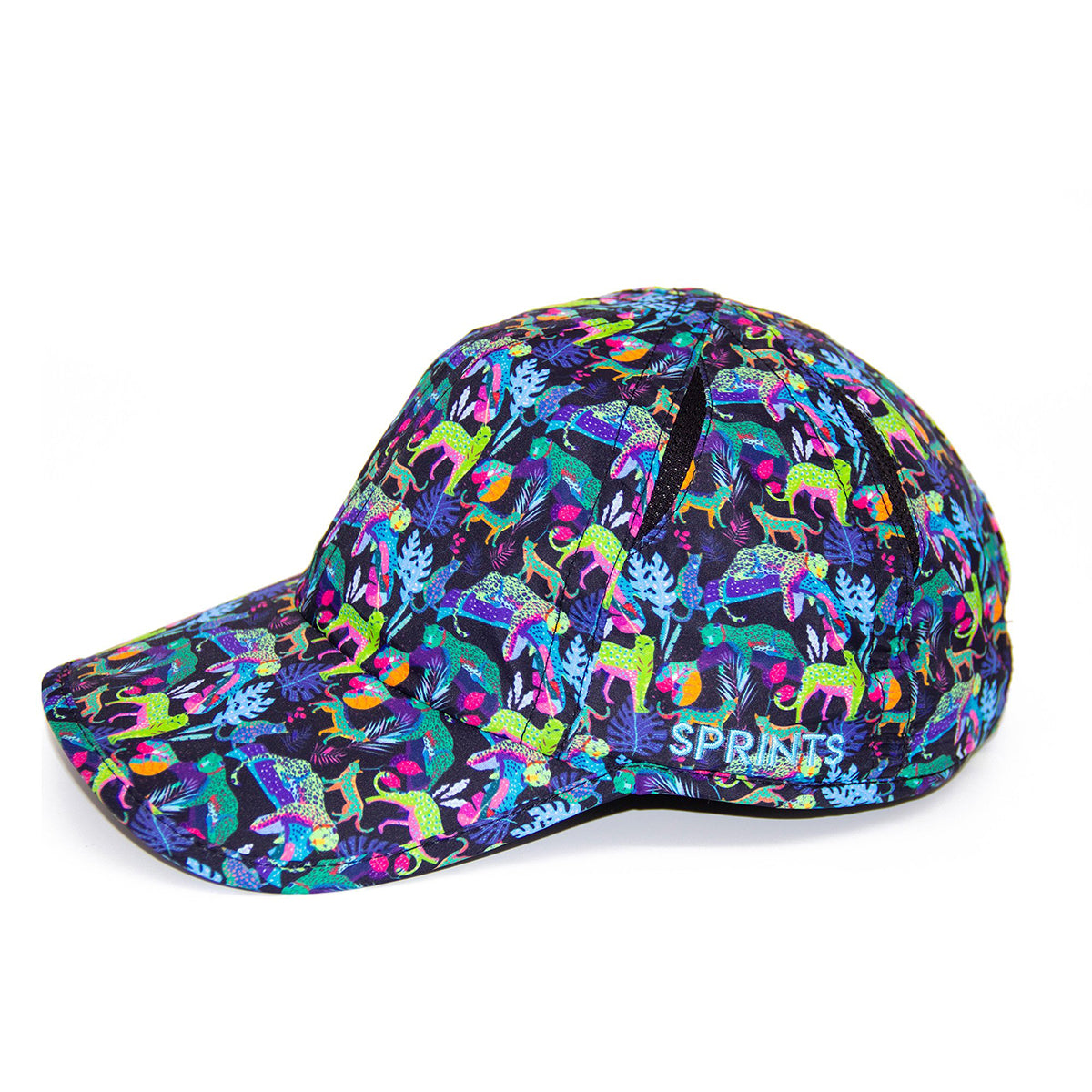
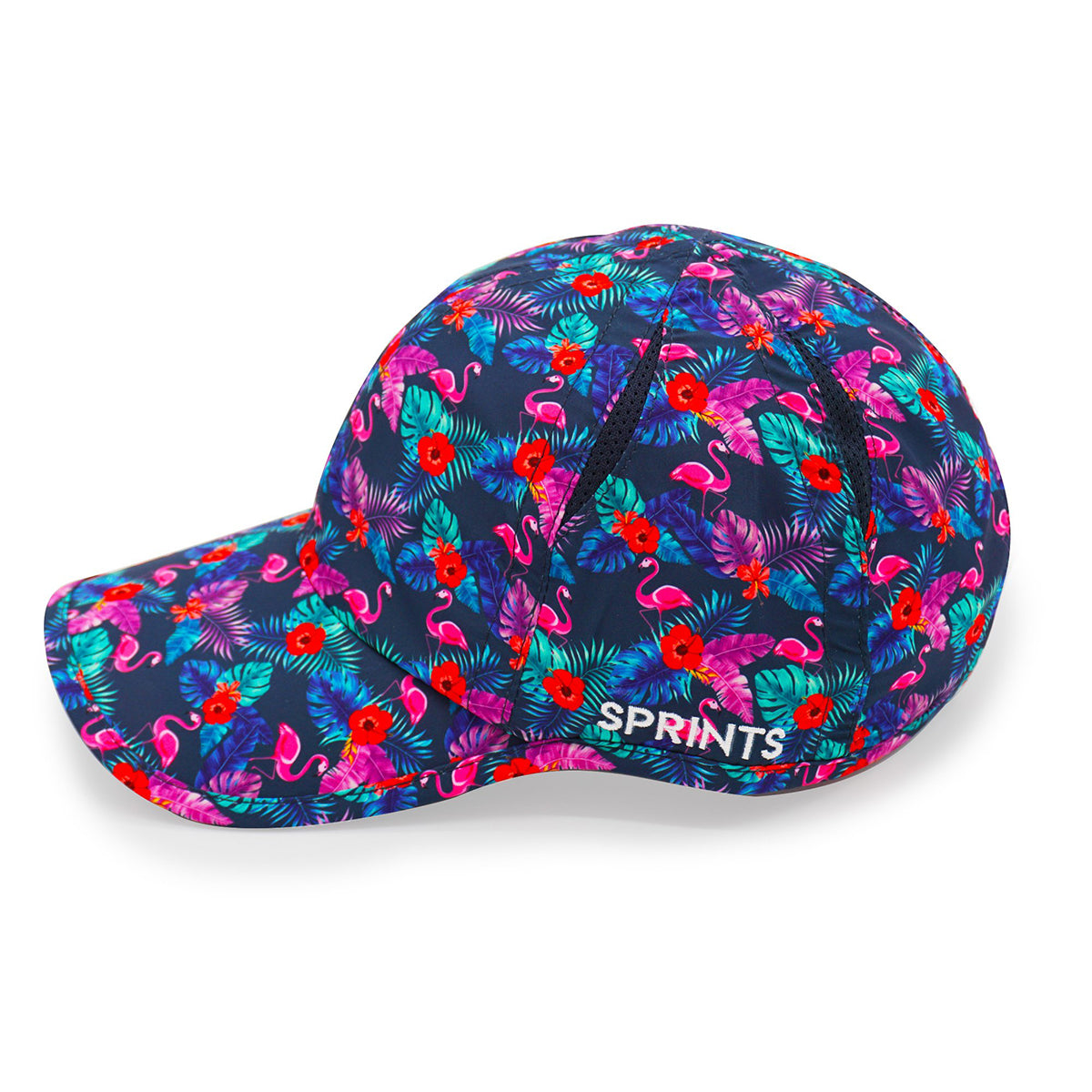
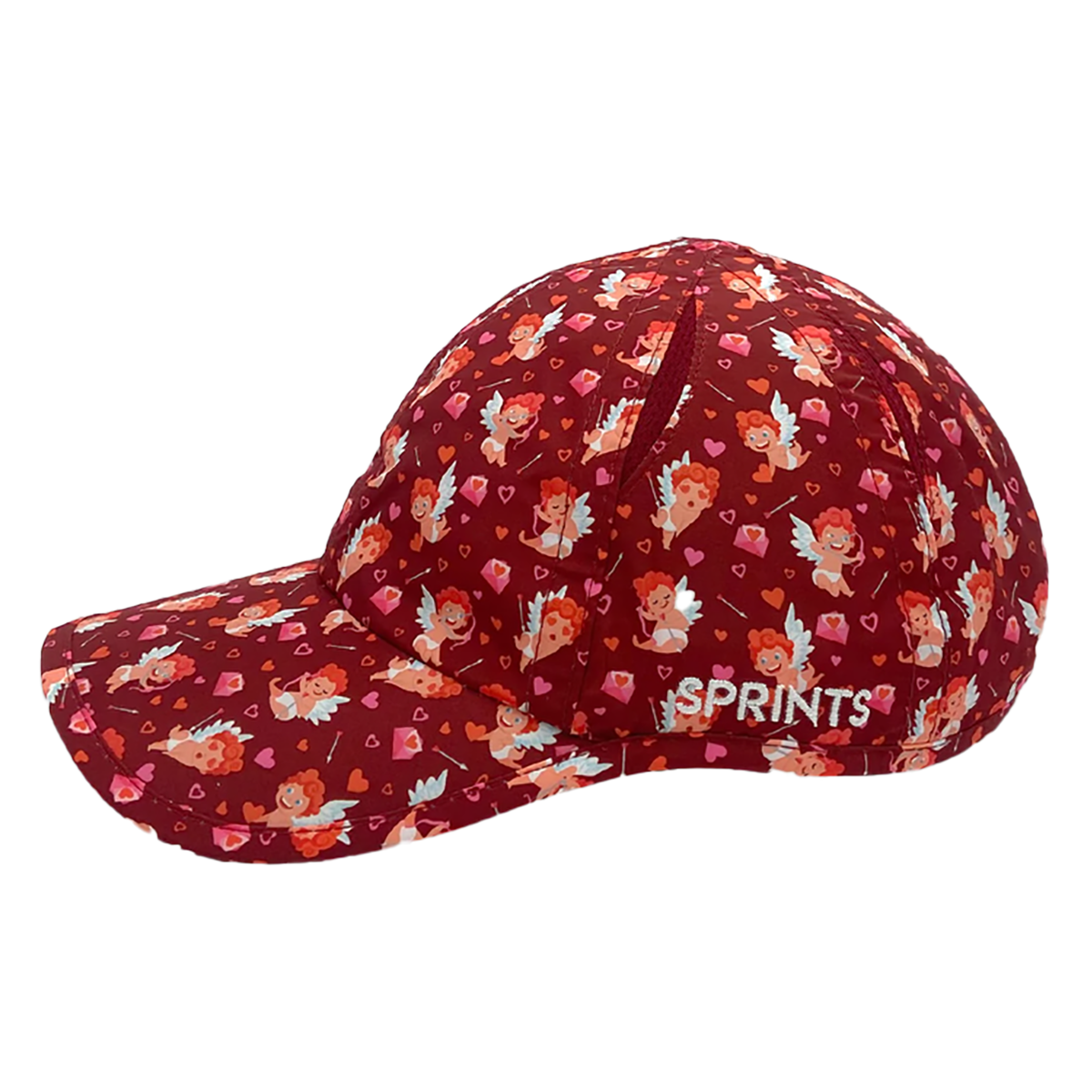
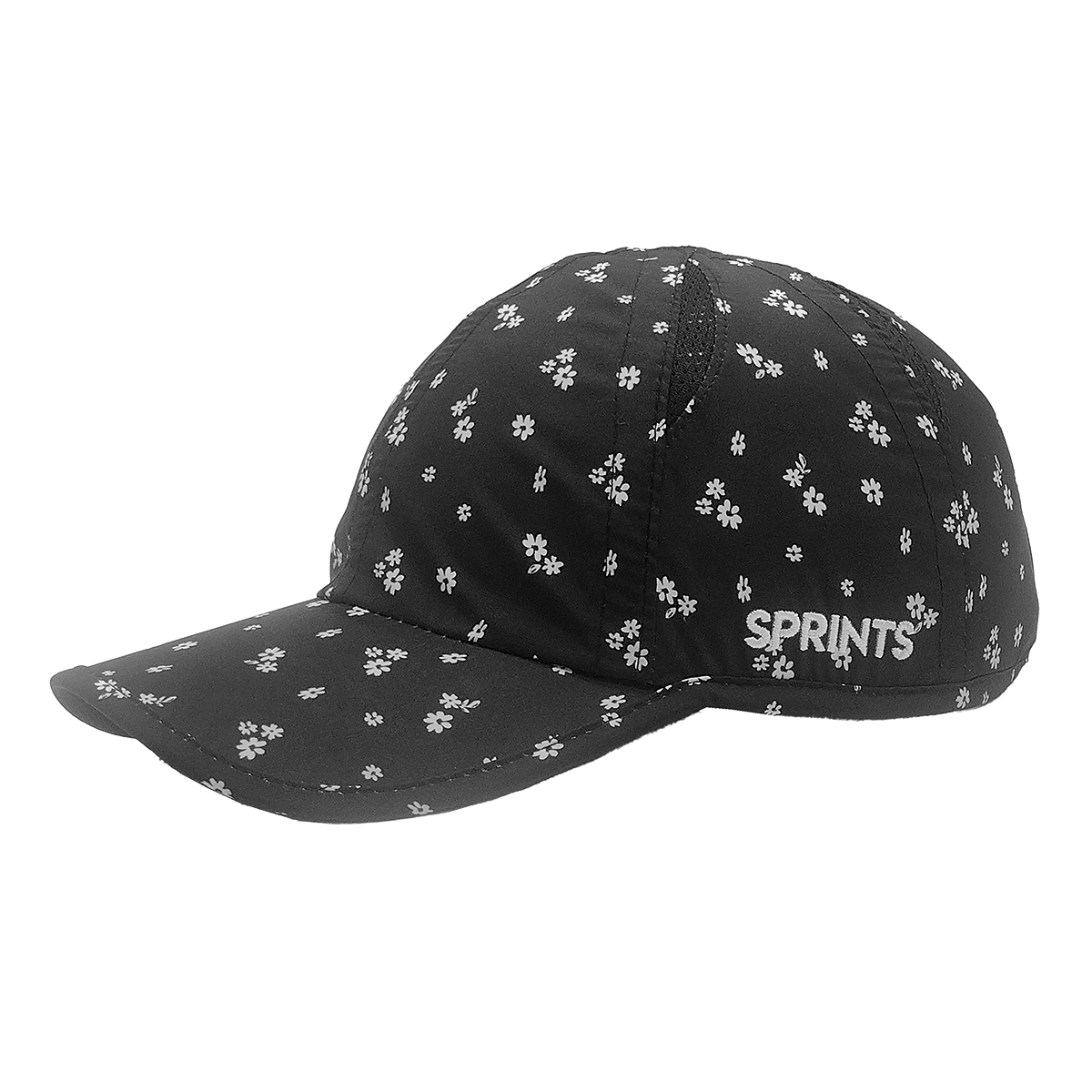
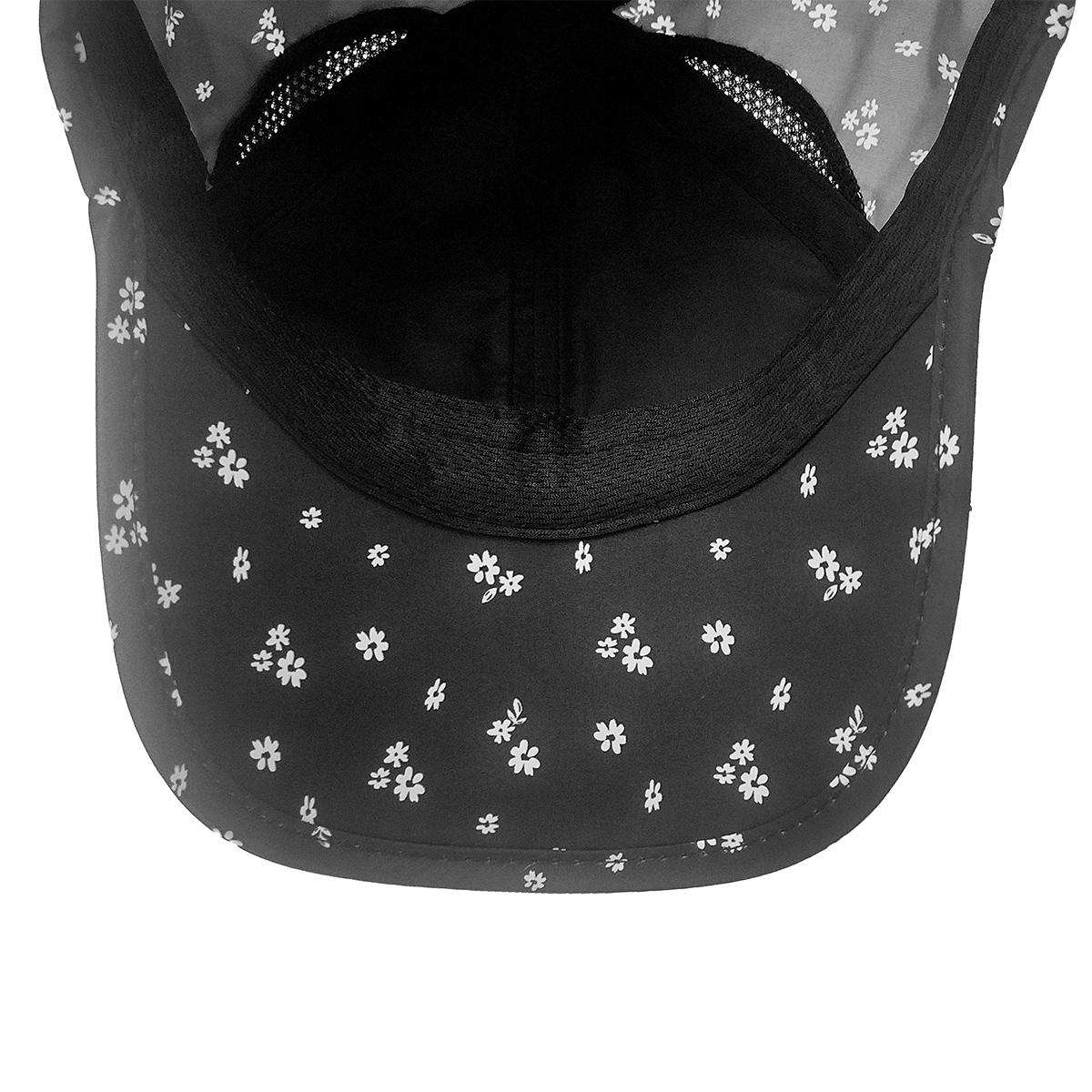
- Sun sense: protect eyes and keep sweat out with the quick‑dry Sprints Running Visor—helpful on exposed routes from Phoenix to Miami.
Red flags that mean “easy” or “off” today
- Bone‑deep fatigue or cranky tendons on waking: switch to a short walk or cross‑trainer.
- Sharp or escalating pain: stop and reassess; pain that changes your form isn’t productive training.
- Sleep deprived or getting sick: 20–30 minutes of gentle movement can maintain rhythm without digging a hole.
Decision guide: pick the right tweak for today
Use this quick matrix when something feels off. Choose one adjustment, test it for a week, then reassess.
| Scenario | Primary tweak | How it reduces load | What to watch |
|---|---|---|---|
| Sore feet after long runs | Shorten long run by 10–15 minutes every other week; wear recovery slides at home | Lowers cumulative minutes on feet and post‑run pressure | Restore distance gradually during the next build |
| Calf or Achilles tightness | Pick softer routes; use a cushioned daily trainer more days | Decreases impact peaks and ankle torque | Keep strides short, avoid sudden hill sprints |
| Shin or tendon grumbles | Swap one run for cycling/elliptical | Maintains aerobic load, slashes impact | Return to running with shorter reps or run/walk |
| Overheating on sunny routes | Run earlier; add breathable headwear; hydrate little and often | Lowers internal heat stress and RPE | Slow down 10–20 sec/mi on hot days |
| General fatigue mid‑block | Make this week an absorb week | Allows adaptation without losing rhythm | Resume building next week if legs feel fresh |
Frequently Asked Questions
How quickly can I increase weekly mileage without overdoing it?
Add either a little distance or a little intensity—not both in the same week. Many runners progress by 5–10 minutes total per week for two weeks, then hold steady the third week to absorb.
Should I wear recovery footwear at home?
If your feet feel beat up after long runs or long work shifts, cushioned slides can make standing and walking more comfortable between sessions. Try a soft option like the OOFOS OOmega OOahh Luxe Slide (Women’s) or the OOFOS OOahh Sport Slide (Unisex) and see how your feet respond over 1–2 weeks.
Do insoles help with injury prevention?
They’re a tool, not a cure. If you’re more comfortable with a bit of under‑arch support during daily wear, an insert like the Aetrex L700 Men’s can reduce fatigue for some runners. If your feet feel better without added structure, skip them.
What’s an easy way to carry water without bounce?
Look for a body‑hugging sling or pack sized for your route. The Nathan Run Sling 8L fits water, gels, and a light layer for long runs without shoulder strain.
Low‑pressure next steps
- Dial in your footwear choices with Build a Safe Two‑Shoe Rotation and Route Smarter: Soft vs. Hard Surfaces.
- Protect recovery time at home with slides you’ll actually wear, plus a warm layer and sun coverage you’ll reach for on repeat.
- Train with friends and stay motivated year‑round—exclusive deals and local run invites come with the Club Membership.
- Shopping for a runner in your life? A flexible option like Fit2Run Gift Cards lets them choose exactly what helps their training right now.