


 Marathon Training Playbook: Gear, Fuel, and Confidence by Phase
Running 26.2 asks a lot of you—but your gear and fueling can make the work feel simple. The fastest way to build calm, repeatable confidence is to match your tools to the phase you’re in. When your shoes fit the day’s goal, your watch catches every split, and your fuel plan is practiced, you free your mind to run. This phase‑based playbook turns a 12–20 week training cycle into clear, practical moves across Base, Build, Peak, Taper, Race Week—and the quiet but crucial Reset that follows. You’ll learn what to wear, what to carry, what to eat and drink, and how to recover—plus where to dig deeper with focused Fit2Run guides. Let’s turn your plan into momentum. You’ve got this. 💪🏽🏁
How to Use This Playbook
Think of this page as your decision hub. You bring your training plan or coach; we’ll help you choose and set up the gear, fueling, hydration, and recovery habits that make each week work. Every phase below covers:
- Training focus so you understand what each week is teaching your body.
- Gear setup—shoes, socks, carry systems, and wearables tuned to your workouts.
- Fuel and hydration checkpoints you can practice now and repeat on race day.
- Recovery you’ll actually do so the next week stacks cleanly on the last.
When a decision deserves more detail—like carbon plates, race‑week packing, or watch configuration—you’ll see a quick explanation and a link to a deeper Fit2Run guide. If you’re setting up data screens, auto‑lap, or course guidance, save Marathon Watch Features that Matter: Pace, Auto‑Lap, Stamina, and Maps and lock your screens once so you can stop fiddling and start flowing.
Phase 1 — Base (Weeks 1–4): Comfortable Miles and Simple Wins
Base is where durability and rhythm take root. Keep most runs easy and conversational. Sprinkle in relaxed strides once a week so your legs remember what smooth speed feels like. Your gear goal is zero friction—comfort that makes tomorrow’s run automatic.
Training Focus
- 4–6 days per week of easy running (scaled to your background and life stress).
- Optional strides: 4–6 x 15–25 seconds fast but smooth with full walking/standing recovery.
- 5–8 minutes of mobility most days (ankle/calf/hip) so range is there when workouts arrive.
Gear Setup for Base
Shoes: Choose a daily trainer that disappears on foot—balanced cushioning, secure heel, and enough toe‑box space that forefoot swelling late in a week doesn’t cause pressure. If you’re new to shoe rotations, start with this reliable “default shoe” and add a speed‑day option later. For rotation structure and how a daily trainer pairs with faster shoes, see Marathon Shoe Rotation: Daily Trainer + Speed + Long‑Run Cushion for 26.2.
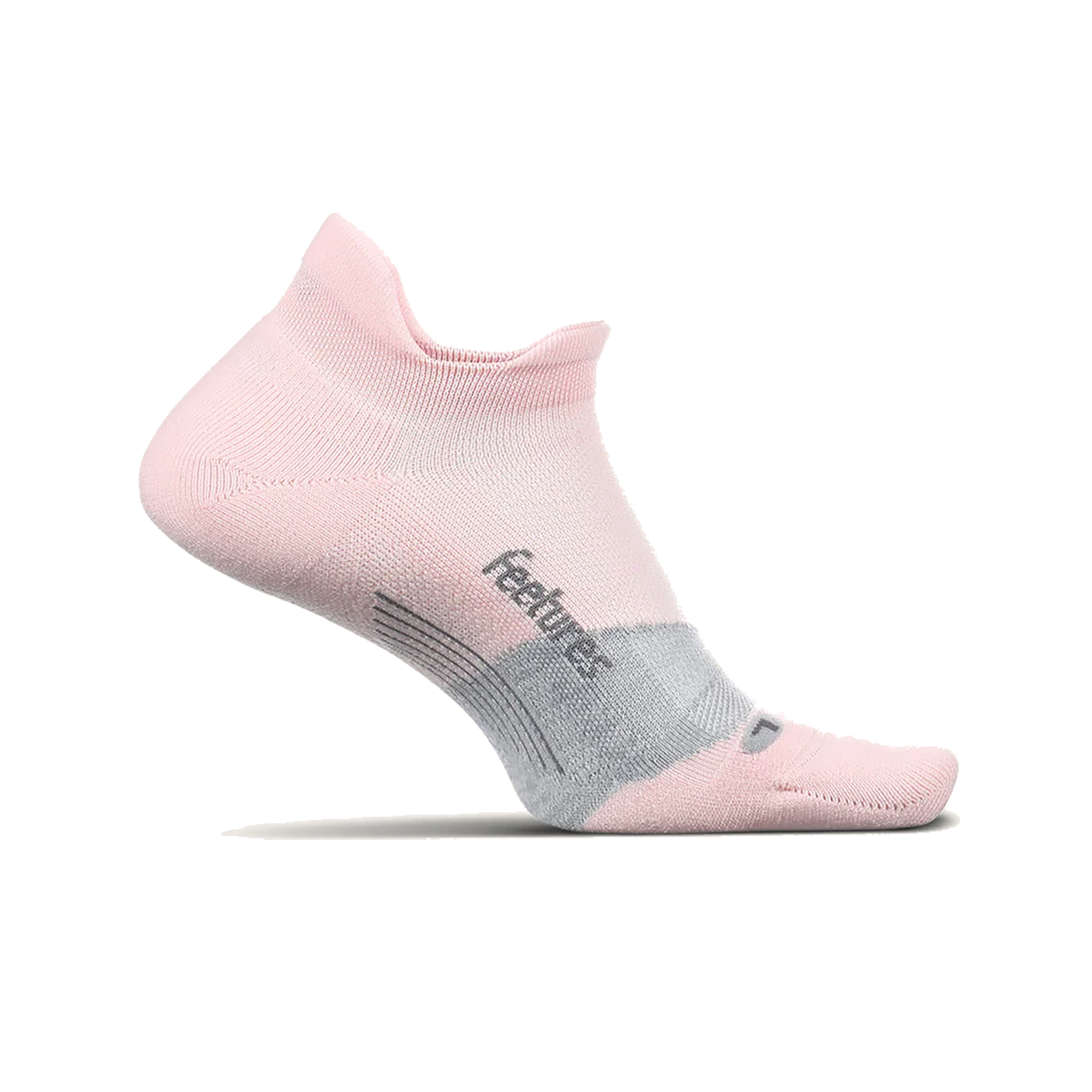
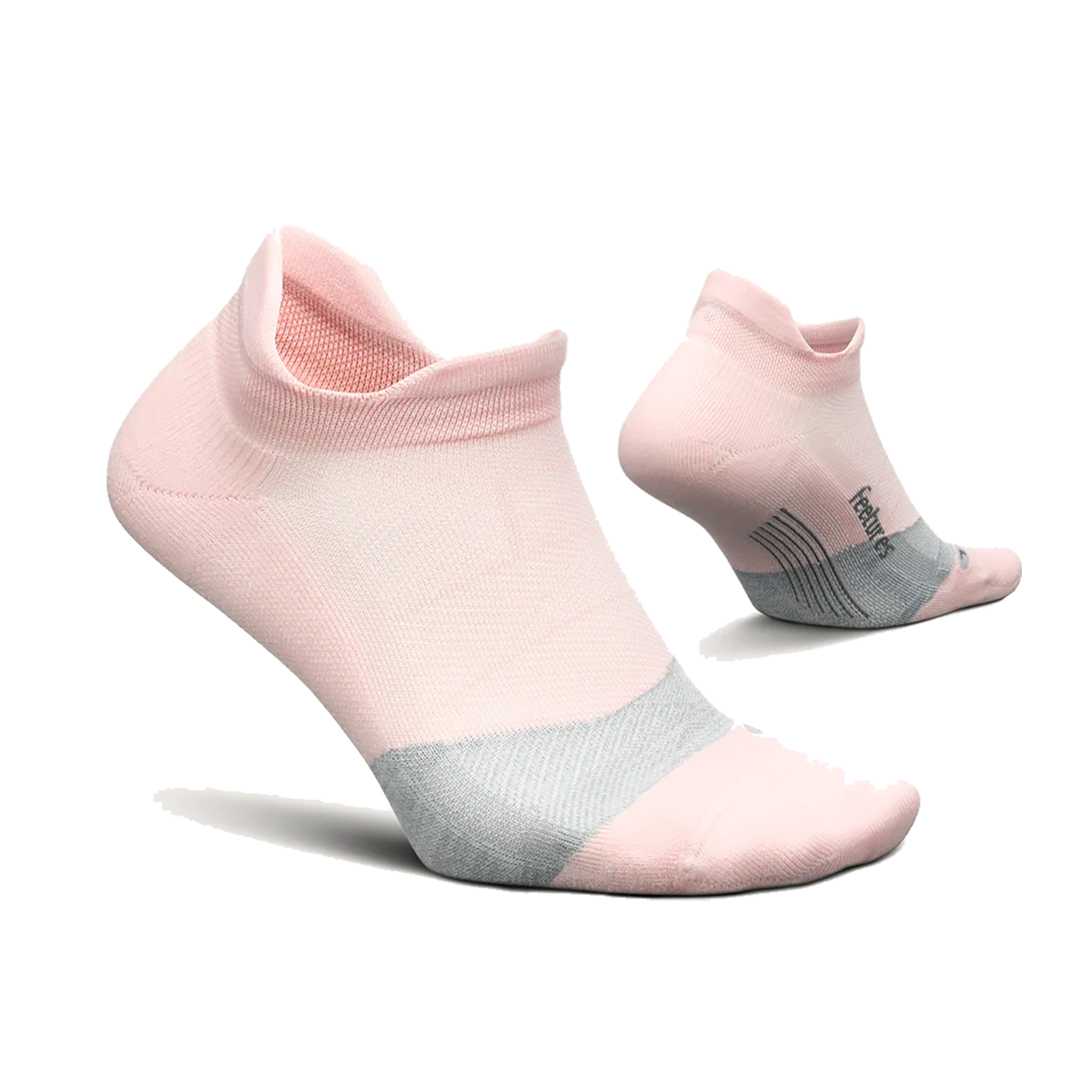
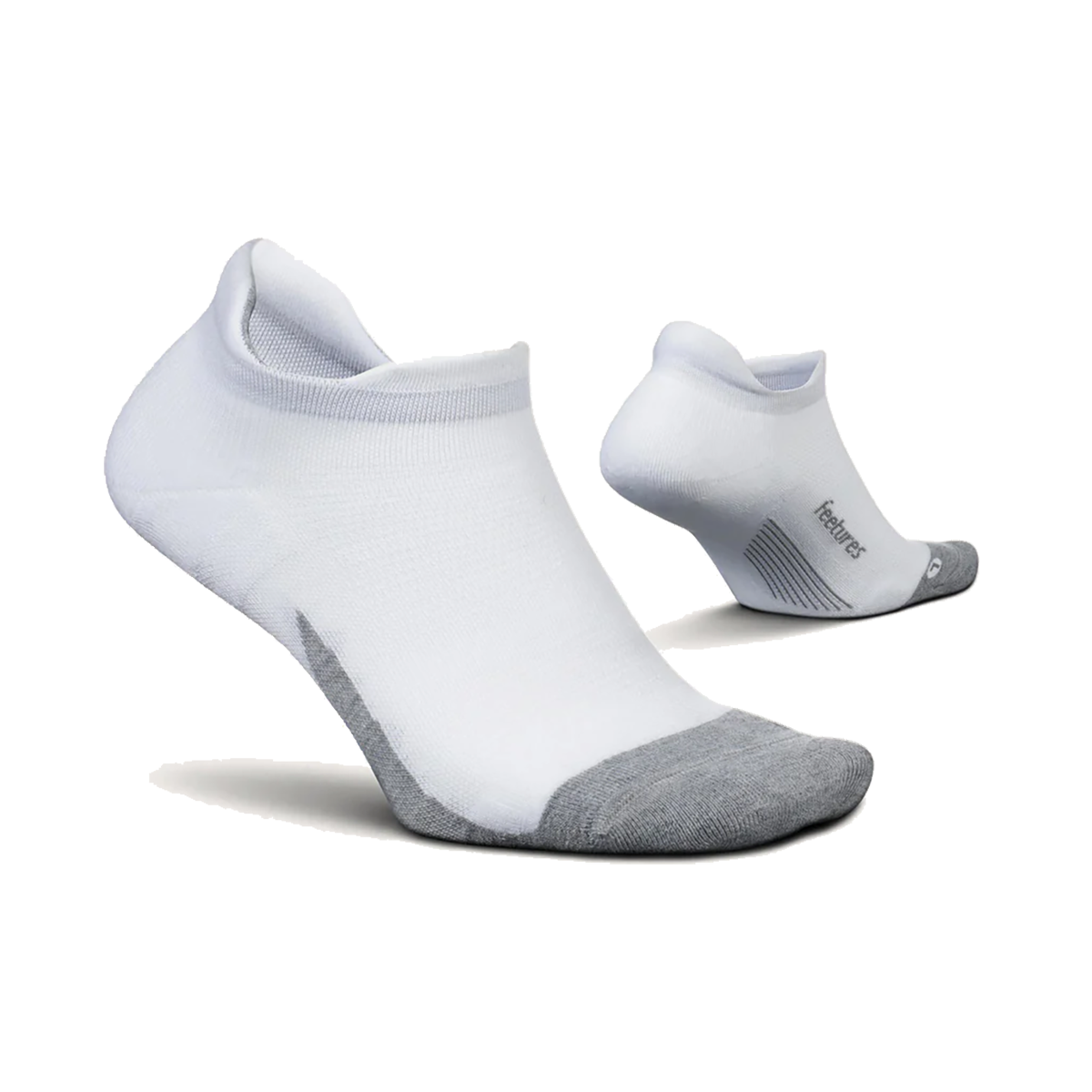
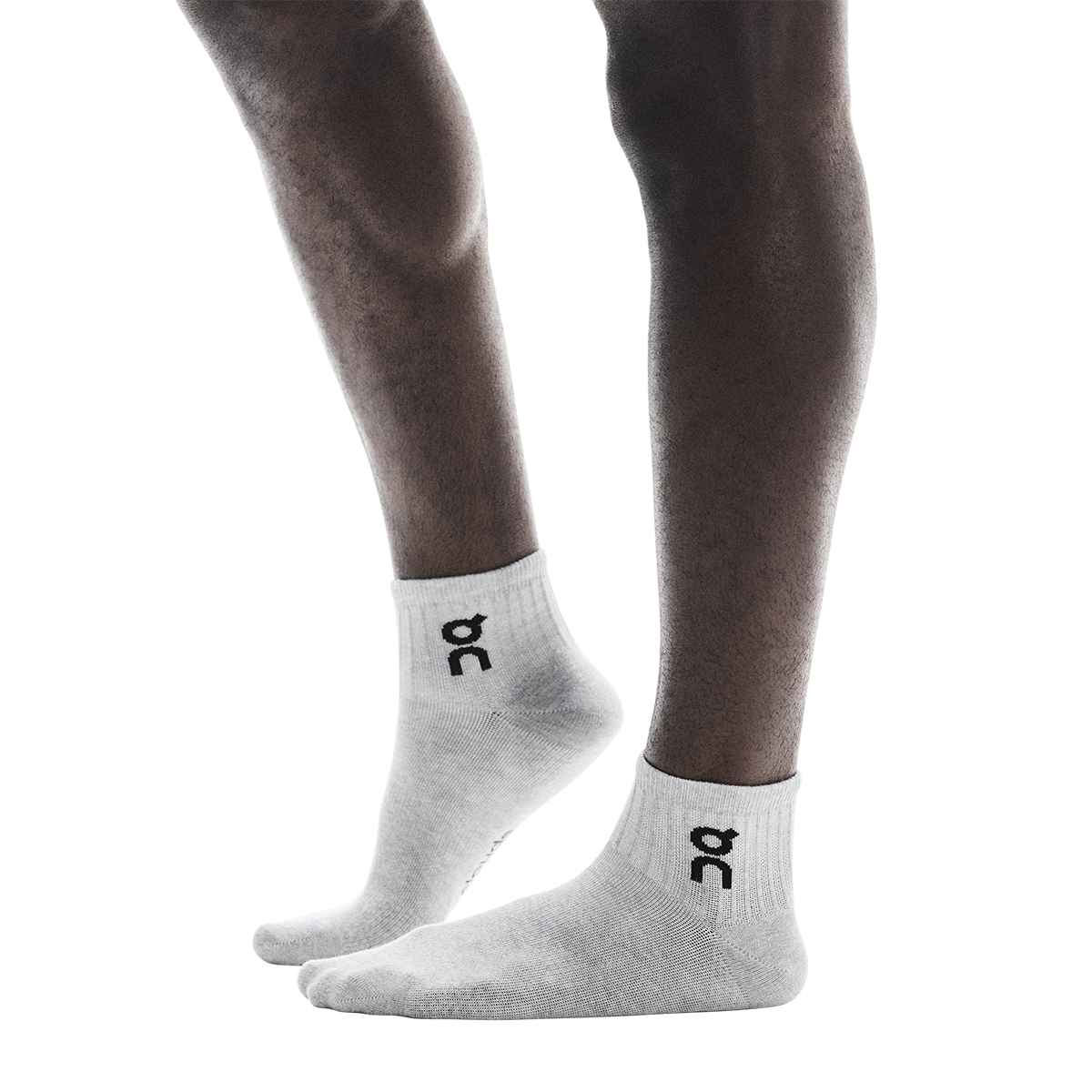
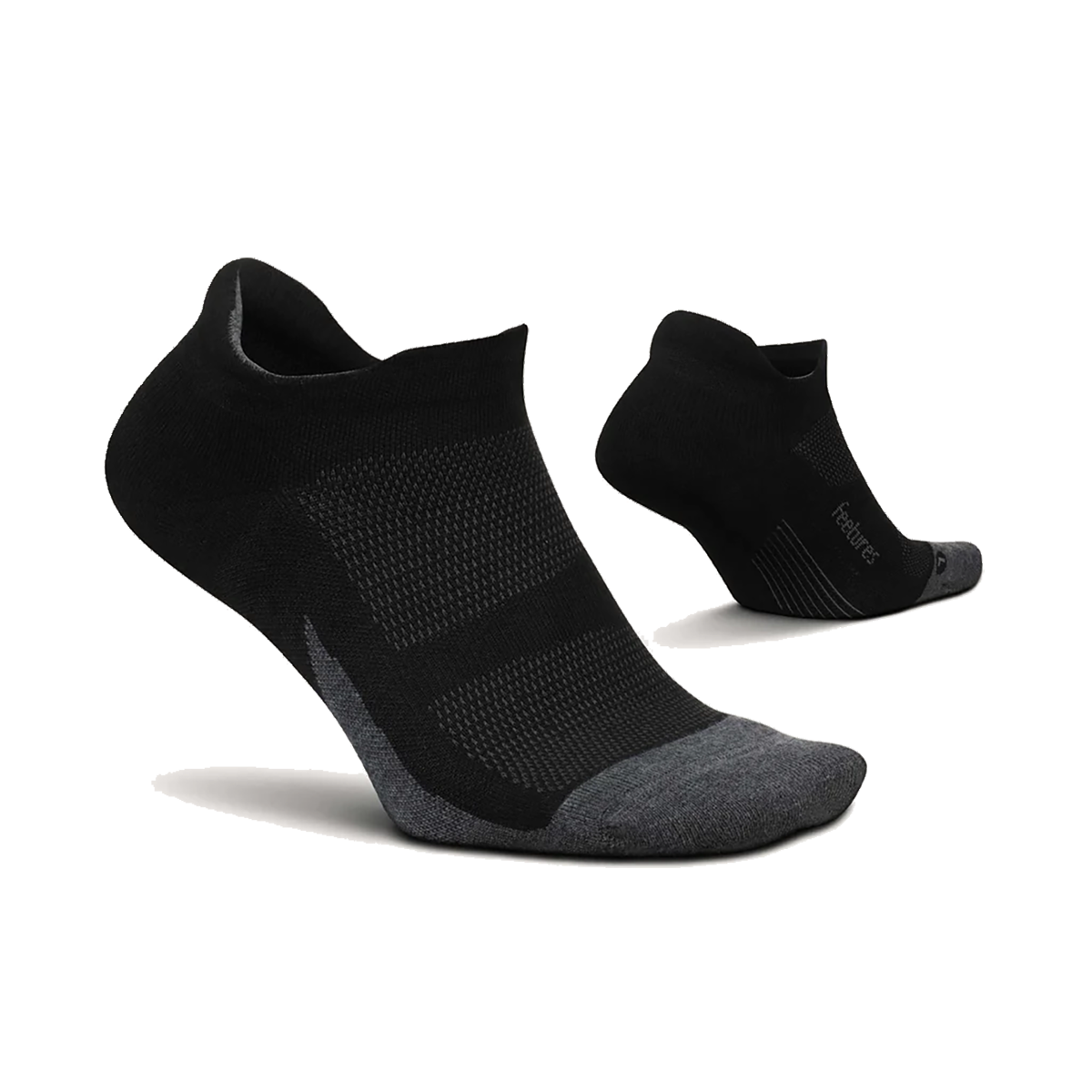
Socks: The cheapest upgrade you’ll feel. Choose smooth‑toe, breathable yarns; match thickness to shoe volume. If you’ve fought hot spots or blister‑prone toes, this guide to yarns, heights, and fit tricks can help: Socks, Fit, and Blister Control: The Small Tweaks That Make Every Mile Feel Better.
Carry and hydration: For sub‑90‑minute base runs, start well‑hydrated and sip as needed. If you live where it’s warm or your routes lack fountains, start testing carry systems now so they’re second nature by long‑run season. A compact handheld encourages frequent sips without breaking rhythm; a minimal belt carries keys and a gel without bounce. We’ll compare options in a decision table below.
Fueling in Base
- Before 60–90 minute runs: Try an easy 20–30 g carb snack 15–30 minutes pre‑run (toast with honey, a small chew portion). Log what sits well so you’re not guessing later.
- During 75–90 minutes: Practice 20–30 g carbohydrate per hour on your longest base run. You’re not chasing PRs—you’re teaching your gut a new job.
Recovery You’ll Do on Repeat
- Short nightly lower‑leg massage or light rolling—consistency beats intensity.
- Simple strength 2–3x/week: single‑leg calf raises, hip airplanes, and light core keep you resilient.
- One cutback week ready to deploy if fatigue drifts up. Training is about adaptation, not proving fitness in Week 2.
For a phase‑specific walkthrough of easy‑day shoes, sock choices, and repeatable recovery habits, open Base Phase (Weeks 1–4): Comfort Miles—Shoes, Socks, and Simple Recovery Wins. It brings the small details together so your routine locks in quickly.
Phase 2 — Build (Weeks 5–10): Tempo, Intervals, and Purposeful Speed
Build is where your program adds quality: one tempo run, one interval or hill workout, a steady long run, plus easy recovery between. Because the demand changes by day, your shoes and fueling should match the session’s intent. You’ll also start dialing the exact gels, chews, or drink mix you might race with later.
Lightweight Trainers and Plated Picks—When They Help
A lighter, snappier shoe can make maintaining form at pace easier, especially during tempos and longer intervals. Some runners enjoy plated trainers for a touch of stiffness and efficiency; others prefer flexible, responsive midsoles for natural feel and cornering. The goal isn’t novelty—it’s repeatable mechanics at target pace with legs fresh enough to train again tomorrow. If you often finish workouts with tight calves, a mildly stiff geometry may reduce calf demand; if you rely on ground feel for cadence, a non‑plated fast trainer keeps you connected. For how these roles fit into a three‑shoe marathon rotation, see Marathon Shoe Rotation: Daily Trainer + Speed + Long‑Run Cushion for 26.2.
Workout Fueling to Practice Now
- Pre‑workout: 30–60 g carbs 45–75 minutes before key sessions. Trial modest caffeine only if you intend to use it on race day and it agrees with you.
- During 75–120 minutes: Experiment with 30–60 g carbs per hour. Practice opening wrappers and sipping while moving so those motor skills are automatic by Peak.
- Hydration: Note sweat patterns on warmer days. If hats salt‑stain or your skin tastes salty after runs, you likely need a higher sodium approach on hot/humid days.
Unsure whether gels, chews, or drink mix fit you best? Use the experiments in Fuel Testing Guide: Gels vs Chews vs Drink Mix—What to Try on Long Runs to compare texture, sweetness, caffeine, and stomach comfort. By the end of Build, you’ll have two or three trusted flavors you can rotate confidently.
If you want a phase‑by‑phase shoe checklist specifically tuned for tempos and intervals—including when a training plate makes sense—work through Build Phase (Weeks 5–10): Tempo/Intervals—Lightweight Trainers and Plate Picks. It breaks down tradeoffs and helps you land on a shoe that teaches the right lesson each quality day.
Phase 3 — Peak (Weeks 11–14): Dress Rehearsals for 26.2
Peak consolidates everything you’ve learned. Expect your longest runs, marathon‑pace blocks, and sometimes back‑to‑back aerobic days. The goal is rehearsal: you’ll test your race kit, dial your fueling and sodium intake under fatigue, and make sure your watch and carry system are set so nothing is new next month.
Nutrition and Recovery Under Load
Pick your target carbohydrate intake per hour and hold it for full long runs. If you’re using caffeine, confirm dose and timing now—many runners do well with a small pre‑run amount and a late‑race bump. Align sodium with weather and sweat rate: hot, humid mornings usually require more than cool, dry ones. Right after you finish, run a short recovery ritual on autopilot: rehydrate, get in carbs + protein, then 5–10 minutes of gentle mobility or light rolling to downshift your nervous system so tomorrow’s run is possible.
For a practical, Peak‑specific checklist—what to pack, what to practice, and how to support recovery across high‑load weeks—use Peak Phase (Weeks 11–14): Back‑to‑Back Long Runs—Nutrition and Recovery Tools. It turns the biggest weeks into a routine you can trust.
Long‑Run Shoes vs Race Shoes
Many runners keep a protective, max‑cushion trainer for most long runs and reserve a plated racer for marathon‑pace segments or a short dress rehearsal. This approach saves musculoskeletal stress while letting you preview race‑day mechanics. Not sure which geometry your stride prefers? Preview the race‑shoe decision making in Carbon vs Non‑Carbon on Race Day: Who Benefits and When so your choice reflects how you actually run, not just what’s popular.
Phase 4 — Taper (Weeks 15–18): Fresh Legs, Clear Mind
The work is baked in. Now you’re protecting freshness. Mileage steps down, you keep short reminders of pace, and your task list gets tidy: finalize the race kit, confirm socks and laces, and lock watch screens so you’re not fiddling on the start line.
Taper Week Checklist
When nerves rise, checklists calm. Use Taper Week Checklist: Shoes, Laces, Socks, and Watch Settings to capture every small decision—fresh socks, a dab of lube on hot‑spot zones, the right lace lock, battery top‑off, and a short test jog in your full kit. Decide now, not Saturday night.
Phase 5 — Race Week and Race Day: Execute With Calm
Race day should feel like a familiar long run with a bib. You’ll set a realistic first‑10K cap, fuel on a clock, and respect your plan when attention fades late. Weather and course profile influence shoes, layers, and sodium—make adjustments early in the week.
Race‑Day Kit by Course Profile
Fast flats reward aerodynamic layers and a snappier shoe; rolling or hilly routes often feel better with a touch more cushioning or inherent stability; hot and humid mornings ask for breathable fabrics and an elevated sodium approach. For a clear breakdown by terrain and climate, open Race‑Day Kit by Course Profile: Flat, Hilly, Heat/Humidity and tailor your final choices.
Carbon vs Non‑Carbon, Revisited
Not every runner runs best in a carbon plate, and that’s okay. If your stride prefers familiar rocker and softer flex for control at mile 22, a non‑plated shoe can be the smarter pick. If you notice lower calf strain and steadier pacing with a plate at marathon pace, lean into it. Learn who tends to benefit—and when comfort and stability win—in Carbon vs Non‑Carbon on Race Day: Who Benefits and When.
Hydration Strategy by Weather and Carry System
Your body’s needs change across a 2–4 hour event, and heat/humidity amplify the challenge. You’ll choose between handheld bottles, belts, and vests based on distance, temperature, and aid‑station spacing. For a weather‑first framework—how to estimate fluid and sodium in cool vs hot conditions—bookmark Hydration Strategy by Weather: Bottles, Belts, or Vests for 2–4 Hour Runs. Use the comparison below to match carry style to your route.
Carry Systems: Quick Decision Matrix
Use this table to pick a carry approach for your next long run or race rehearsal.
| Carry Style | Best For | Pros | Tradeoffs | Tips |
|---|---|---|---|---|
| Handheld bottle | Up to ~90–120 min with aid stations; warm days where sipping often helps | Easy access; encourages small, frequent sips; no waist pressure | One hand occupied; may change arm swing if overfilled; limited storage | Carry in your non‑watch hand to reduce button bumps; switch hands mid‑run |
| Minimal belt | Races with frequent aid; carrying gels/chews, salt tabs, and a phone | Bounce‑free when sized right; symmetrical arm swing; quick access pockets | Fit is critical; overstuffing causes bounce; heat can make belts feel snug | Test on a long run with full gel load; position slightly above the hips |
| Soft‑flask belt | Long training runs; courses with variable aid spacing; hot climates | Flexible volume; pairs water + mix; can shrink as you drink | Heavier when full; must test bite valve and pocket access | Pre‑burp flasks to reduce slosh; practice refills during dress rehearsals |
| Hydration vest | Unsupported long runs; training in heat; runners who prefer hands‑free | Large capacity; balanced load; room for layers and fuel | Warmth; potential shoulder/neck rub; overkill for well‑supported road races | Use soft flasks to reduce slosh; apply lube at contact points in heat |
During Build, get comfortable grabbing fluids on the move. A form‑friendly handheld like Nathan ExoDraw 2 18oz keeps sips easy and cadence steady. If you prefer to keep your hands free, a low‑bounce belt such as the Nathan 5K Belt carries gels, salt tabs, and your phone without shifting. Runners who want a soft flask inside a belt or vest can stash the 14oz Soft Flask w/ Bite Top for flexible fluid or mix—perfect for Peak long runs and race‑week rehearsals.
Long‑Run Fueling Math That Actually Works on the Road
As mileage climbs, precision matters more than theory. You’ll choose a carbs‑per‑hour range, decide how caffeine fits, and set a sodium plan that matches your sweat and the weather. Then you’ll test everything on long runs until it’s boring—in the best way. For simple formulas, examples, and late‑race troubleshooting, work through Long‑Run Fueling Math: Carbs per Hour, Caffeine, and Sodium Targets. It bridges science to practice so your plan survives mile 22.
Watch Setup: Make Data Help, Not Distract
Your GPS watch can be a quiet coach or a noisy critic. Configure it once to support your plan: screen 1 for lap pace + heart rate + lap distance; screen 2 for total time + average pace; optional course map for unfamiliar routes. Auto‑lap can keep you honest, but learning manual lap for unusual segments is useful. For a walk‑through of pace smoothing, auto‑lap, course guidance, and stamina metrics, use Marathon Watch Features that Matter: Pace, Auto‑Lap, Stamina, and Maps and set it once during Base so you’re not re‑learning buttons during Peak.
Fit That Holds Up at Mile 22: Width, Volume, and Lacing
Weekly volume swells feet. Downhills push toes forward. Late‑race surges create lateral shear on big toe and pinky edges. The solution is a secure heel and midfoot with up‑front wiggle room. Aim for about a thumb’s width in front of the longest toe and a toe box that lets you splay without sliding. If your toes have ever rebelled in the final 10K, learn how width options, sock thickness, and lacing tweaks change the experience in Wide vs Narrow Fit for Marathon Volume: Preventing Toe Issues Late in the Race. Small changes here can save toenails—and minutes.
Recovery Tools You’ll Actually Use
Recovery doesn’t need to be elaborate. Keep it consistent, light, and targeted to the muscle groups doing the most work. Gentle rolling in the evening can lower next‑day stiffness, and short bouts after long runs help downshift your nervous system. If you prefer a shaped surface that hugs calves and quads, a contoured roller improves contact. If you like firm pressure for brief, deeper passes, a dense EVA cylinder shines. Try both approaches and stick with the one you’ll use 4–5 nights a week.
- For broad contact and easier positioning, the Pro‑Tec Contoured Foam Roller hugs calves and quads so you can keep pressure consistent without white‑knuckling.
- For firmer, time‑efficient passes after Peak long runs, the Pro‑Tec EVA Bold Foam Roller delivers more pressure with less body weight—great if you prefer 2–3 focused minutes over 10 gentle ones.
Traveling to Your Marathon Without Stress
Race‑week travel can shake routines. Plan your carry‑on like a mini race‑morning kit: shoes, socks, shorts, top, watch + charger, race‑morning fuel, and any anti‑chafe you rely on. Keep TSA‑friendly nutrition in original packaging and split it between bags in case one is delayed. For a calm, step‑by‑step packing list—including TSA‑safe fuel tips and smart expo buys—use Traveling to Your Marathon: Packing, TSA‑Safe Fuel, and Last‑Minute Buys. Aim to arrive with enough time for a short shakeout and an early dinner near your hotel.
Put the Phases Together: A Week‑by‑Week Rhythm
Here’s how a typical 16‑week cycle feels in practice. Your plan may differ by background or life‑load; that’s normal. Use the themes—and the linked deep‑dives—to keep each week purposeful.
Weeks 1–4 (Base):
- Easy aerobic days + 1 x strides, light strength, sock and shoe fit experiments.
- Hydration habit: sip earlier in the day; test your favorite carry style on one run a week.
- Practice 20–30 g carbs/hour on the longest base run.
Weeks 5–10 (Build):
- Add 1 tempo + 1 interval or hill session; match shoes to session purpose.
- Trial gels vs chews vs drink mix on long runs; start landing on flavors that feel good late.
- Carry approach gets real: handheld for workouts with warm weather, belt for gel organization.
Weeks 11–14 (Peak):
- Dress‑rehearsal long runs with race kit; practice aid‑station rhythm and bottle grabs.
- Hold your carbs/hour target across full long runs; verify sodium and any caffeine timing.
- Use recovery rituals after every big session; protect sleep like it’s part of the workout.
Weeks 15–18 (Taper and Race Week):
- Short reminders of pace; sharpen but don’t dig a hole.
- Finalize socks, laces, and watch screens with Taper Week Checklist: Shoes, Laces, Socks, and Watch Settings.
- Tailor race kit by climate and terrain with Race‑Day Kit by Course Profile: Flat, Hilly, Heat/Humidity.
After the Finish Line: Reset with Intention
What you do after the medal determines how quickly you feel normal again—and how excited you are to train next season. Celebrate, hydrate, eat something friendly to your stomach within 60 minutes, and walk for a few minutes every hour you’re awake on race day. Over the next 10 days, keep movement light and enjoyable. If compression, light rolling, and easy walks help you feel human again, keep them. For a simple day‑by‑day map—exactly how to progress activity and which tools to use—follow Post‑Marathon Reset: 10‑Day Recovery, Compression, and Gentle Rolling. It’s the calm bridge back to everyday running.
Deep‑Dive Library: Open What You Need, When You Need It
- Marathon Shoe Rotation: Daily Trainer + Speed + Long‑Run Cushion for 26.2 — Build a 2–3 shoe setup without redundancy.
- Fuel Testing Guide: Gels vs Chews vs Drink Mix—What to Try on Long Runs — Settle on textures and flavors you actually like.
- Long‑Run Fueling Math: Carbs per Hour, Caffeine, and Sodium Targets — Turn science into an on‑the‑run schedule.
- Hydration Strategy by Weather: Bottles, Belts, or Vests for 2–4 Hour Runs — Hot vs cool day plans, made simple.
- Marathon Watch Features that Matter: Pace, Auto‑Lap, Stamina, and Maps — Configure once, stop second‑guessing.
- Wide vs Narrow Fit for Marathon Volume: Preventing Toe Issues Late in the Race — Keep toes happy from mile 1 to 26.2.
- Build Phase (Weeks 5–10): Tempo/Intervals—Lightweight Trainers and Plate Picks — Match shoes to session purpose.
- Peak Phase (Weeks 11–14): Back‑to‑Back Long Runs—Nutrition and Recovery Tools — Make your longest weeks routine.
- Base Phase (Weeks 1–4): Comfort Miles—Shoes, Socks, and Simple Recovery Wins — Lock the easy‑day routine.
- Taper Week Checklist: Shoes, Laces, Socks, and Watch Settings — Reduce decisions; sleep better.
- Carbon vs Non‑Carbon on Race Day: Who Benefits and When — Pick the right tool for your stride.
- Race‑Day Kit by Course Profile: Flat, Hilly, Heat/Humidity — Dress for the course you’ll actually run.
- Traveling to Your Marathon: Packing, TSA‑Safe Fuel, and Last‑Minute Buys — Pack like a pro; stress less.
- Post‑Marathon Reset: 10‑Day Recovery, Compression, and Gentle Rolling — Feel human again, faster.
Key Takeaways
- Match gear to phase: an easy “default” trainer, a faster day option, and a protective long‑run or race shoe make training feel purposeful.
- Build your fuel plan early: test formats and flavors during Build; hold your carbs/hour target during Peak so Race Day feels normal.
- Hydration and sodium shift with weather and course support—practice your carry system and aid‑station rhythm before taper.
- Fit trumps hype at mile 22. Choose width/volume and lacing that keep toes calm; carbon only if it works for your stride.
- Recovery is a habit, not a gadget. Short, consistent rolling and movement beat occasional marathons of self‑care.
Frequently Asked Questions
How many shoes should I rotate for marathon training?
Most runners do well with two or three: a comfortable daily trainer for easy miles, a lighter or slightly stiffer option for tempos/intervals, and either a protective long‑run shoe or your chosen race shoe for dress rehearsals. This avoids over‑stressing one tissue pattern while letting each workout “teach” the right mechanics. For setup examples and when to add a plate, see Marathon Shoe Rotation: Daily Trainer + Speed + Long‑Run Cushion for 26.2.
What’s a realistic carbs‑per‑hour target for a first marathon?
Many first‑time marathoners land between 30–60 g per hour, building toward the higher end only if stomach comfort allows. The key is practicing during long runs so your gut adapts. Use Long‑Run Fueling Math: Carbs per Hour, Caffeine, and Sodium Targets to choose a target and convert it into real gels/chews/drink portions.
Should I race in a carbon plate if I’ve never trained in one?
Only if you’ve rehearsed it successfully. Carbon plates change stiffness and rocker timing; some runners feel great and others fight stability late. If you haven’t tested it in Peak, stick with the shoe that keeps form together in the final 10K. Learn who benefits (and who doesn’t) in Carbon vs Non‑Carbon on Race Day: Who Benefits and When.
How should I carry fluids on race day?
Check the course map. Frequent aid stations make a minimal belt ideal for gels and salt tabs; warm, spaced‑out stations favor a small handheld or soft flask so you’re never waiting to drink. Practice with your preferred system during Peak. For weather‑specific strategies, see Hydration Strategy by Weather: Bottles, Belts, or Vests for 2–4 Hour Runs.