


When to Use a Cross‑Trainer Day to Offload Tendons
Your tendons do the quiet heavy lifting every mile. When they grumble—hello, tight calves, sore Achilles, or a cranky plantar fascia—a strategic cross‑trainer day can protect them while you keep your cardio rolling. Think of it as smart training, not skipping. Let’s build your plan. 💪
Quick answer: When should you swap a run for cross‑training?
- Morning stiffness lasts > 10–15 minutes in the calf/Achilles or under the heel.
- Pain warms up but returns after the run, or the next morning feels worse.
- Downhills, speed, or long runs spike symptoms (tendons dislike sudden load + stretch).
- Big life loads—lots of standing, travel, or new shoes—are adding stress this week.
- You’re between hard sessions and want aerobic work without more pounding.
If two or more of these are true today, make it a cross‑trainer day. Your future self will thank you. 🏆
How to fit cross‑training into your week
Most runners do best swapping 1–3 runs per week during a flare or heavy block. Keep your key run (tempo or long) if symptoms allow, and replace easy/recovery runs first. When symptoms are hot, make the day after a speed or long session a cross‑trainer day.
Best low‑impact options (and which goal they suit)
Use this comparison to pick the right tool for the day.
| Modality | Feels Like | Great For | Avoid If | Pro Tips |
|---|---|---|---|---|
| Elliptical | Running motion without ground impact | General tendon offload; steady aerobic | Deep ankle dorsiflexion aggravates your Achilles | Keep cadence 60–70 RPM per leg; slight incline for glutes, not calves |
| Bike (indoor/outdoor) | Quad‑dominant, seated power | Achilles/plantar flares; aerobic endurance | High gears make you toe‑point; avoid aggressive climbing early | Spin light gears at 85–95 RPM; saddle height so knee ~30° at bottom |
| Pool Running | Zero impact; near‑run mechanics | Acute calf/Achilles pain; long aerobic replacements | Limited pool access or poor form cues | Use a belt; run tall; match run workouts by time, not distance |
| Rowing | Hip hinge + pull; whole body | VO₂ stimulus without foot strike | Low back irritation or tight hip flexors | Drive from legs first; keep stroke rate ~22–26 for steady work |
How hard and how long? Simple pacing rules
- Swap an easy run: 35–60 minutes at conversational effort. Keep heart rate similar to your easy‑run zone.
- Swap a tempo/threshold: 10–15 min warm‑up, then 2–3 x 8–12 min strong steady with 2–3 min easy between; cool down 10 min.
- Swap intervals: 10 min warm‑up, then 6–10 x 1–3 min hard with equal easy recovery; cool down 10 min.
- Long‑run replacement: 60–90 minutes steady; add short surges every 10–15 minutes to keep you engaged.
Match the time in zone from your run plan, not the miles.
Red‑light, yellow‑light, green‑light checks
- Green: No next‑day stiffness increase; normal walking feels fine. Resume planned running.
- Yellow: Mild stiffness on waking that eases quickly. Keep another cross‑trainer day or shorten tomorrow’s run.
- Red: Pain during cross‑training or morning stiffness is getting longer. Take 24–48 hours off impact and reassess.
Make the swap work harder for you: recovery choices that help tendons
Offloading is step one. Step two is choosing recovery tools and footwear that reduce residual strain the other 23 hours of the day.
- Recovery slides to reduce foot and calf load after sessions: Soft, shock‑absorbing footbeds can make post‑workout standing and walking kinder to your plantar fascia and Achilles. Try the versatile Oofos OOahh Sport Slide or a platform option many women love for cushy underfoot feel, the Oofos OOmega OOahh Luxe Slide (Women’s).
- Targeted tendon support for flare‑ups: A supportive sleeve can provide gentle compression and proprioceptive feedback. Consider the CEP Max Support Achilles Sleeve for structured support, or the RecoveryPulse Calf Sleeve for light, everyday compression during travel or long shifts.
- Lower‑leg mobility between workouts: Consistent, moderate rolling helps tissues tolerate load. The grippy, durable Pro‑Tec EVA Bold Foam Roller makes it easy to hit calves and peroneals in 60–90 seconds per area.
- All‑day footwear and orthotic options: If your workday keeps you on your feet, neutral support under the arch can reduce strain through your plantar fascia and Achilles. For men who prefer insoles, the Aetrex L805 Orthotic (Men’s) offers firm guidance inside daily shoes. For off‑duty comfort, women often like the easy‑on Aetrex Kaia Slip‑On (Women’s), and men the supportive Aetrex Milos Slide (Men’s).
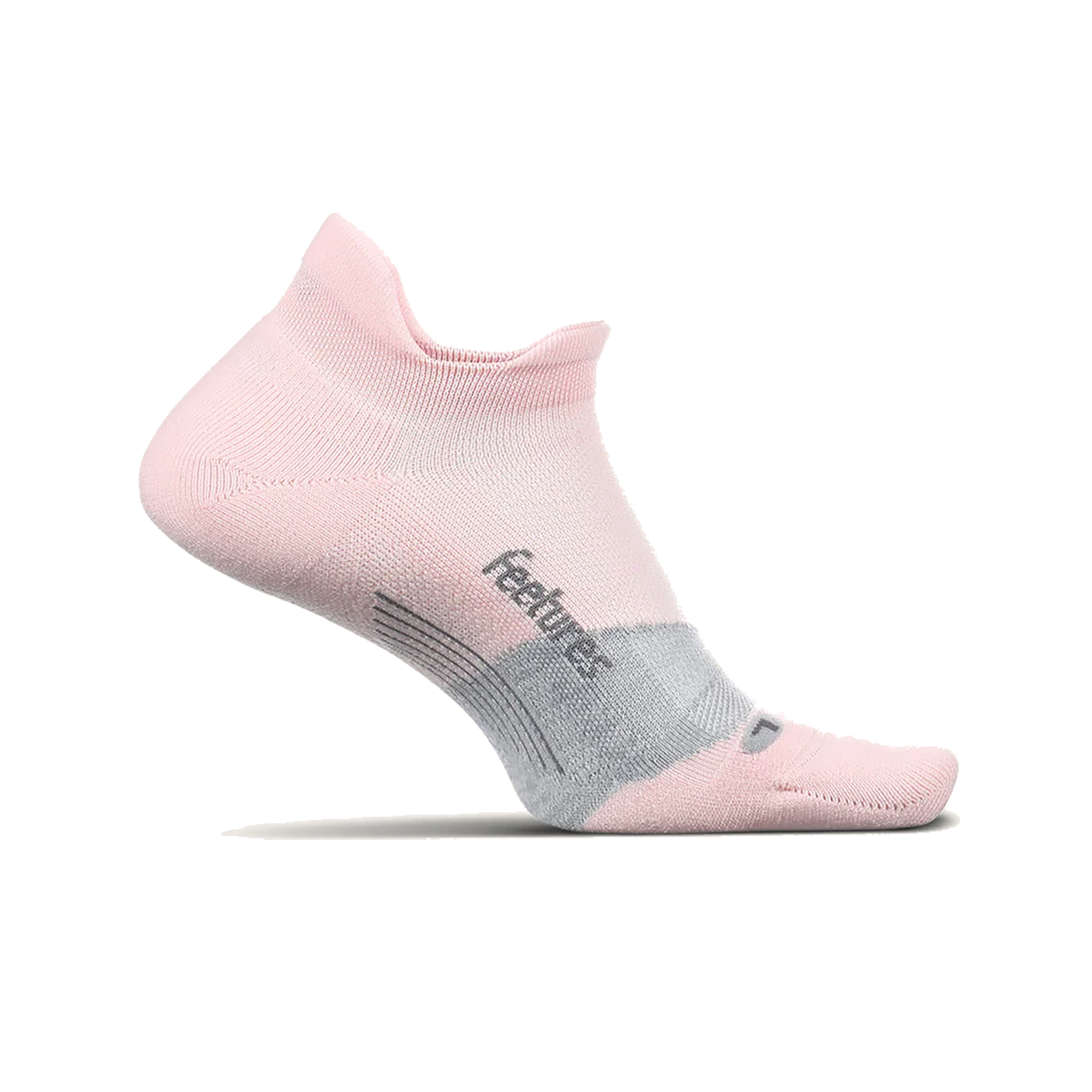
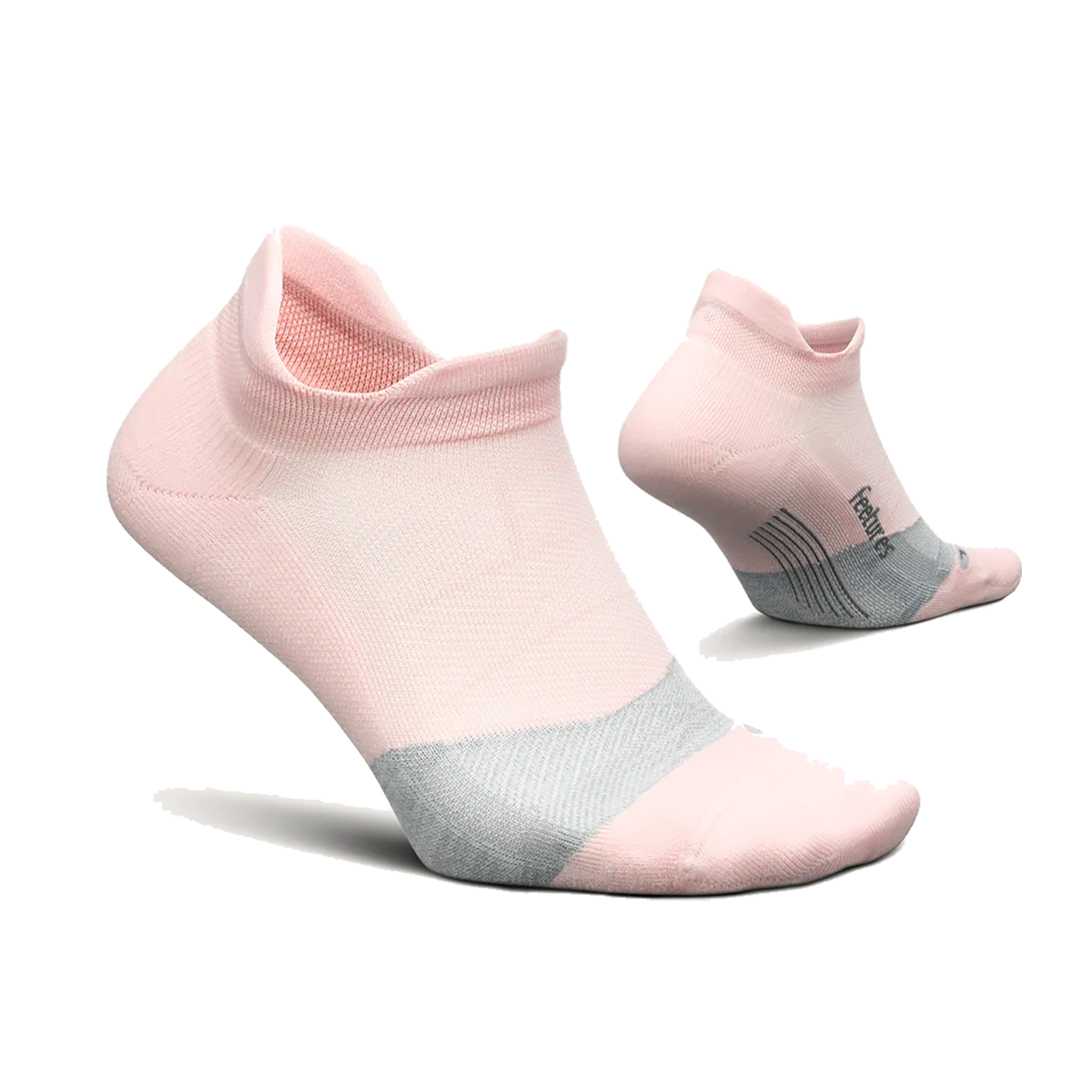
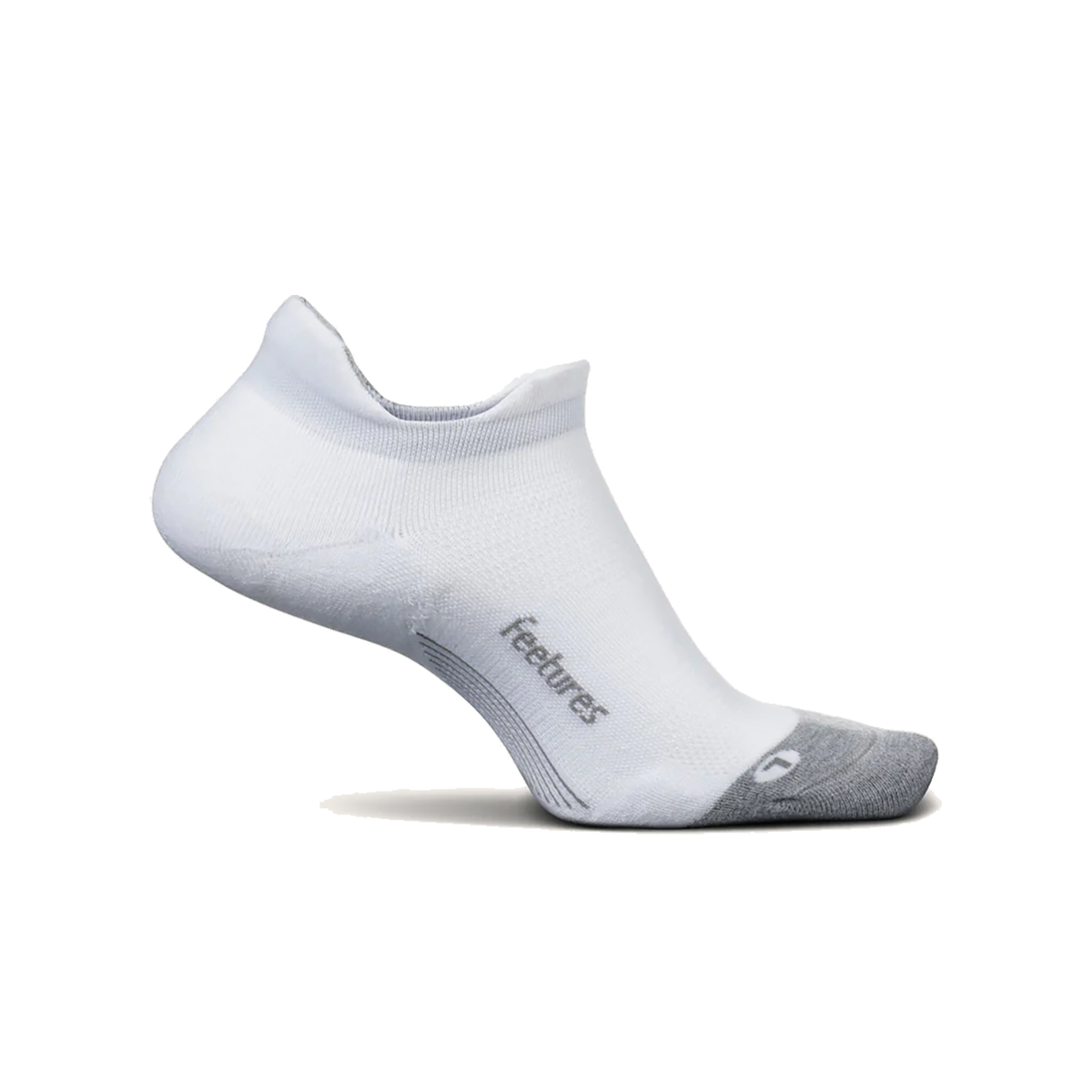
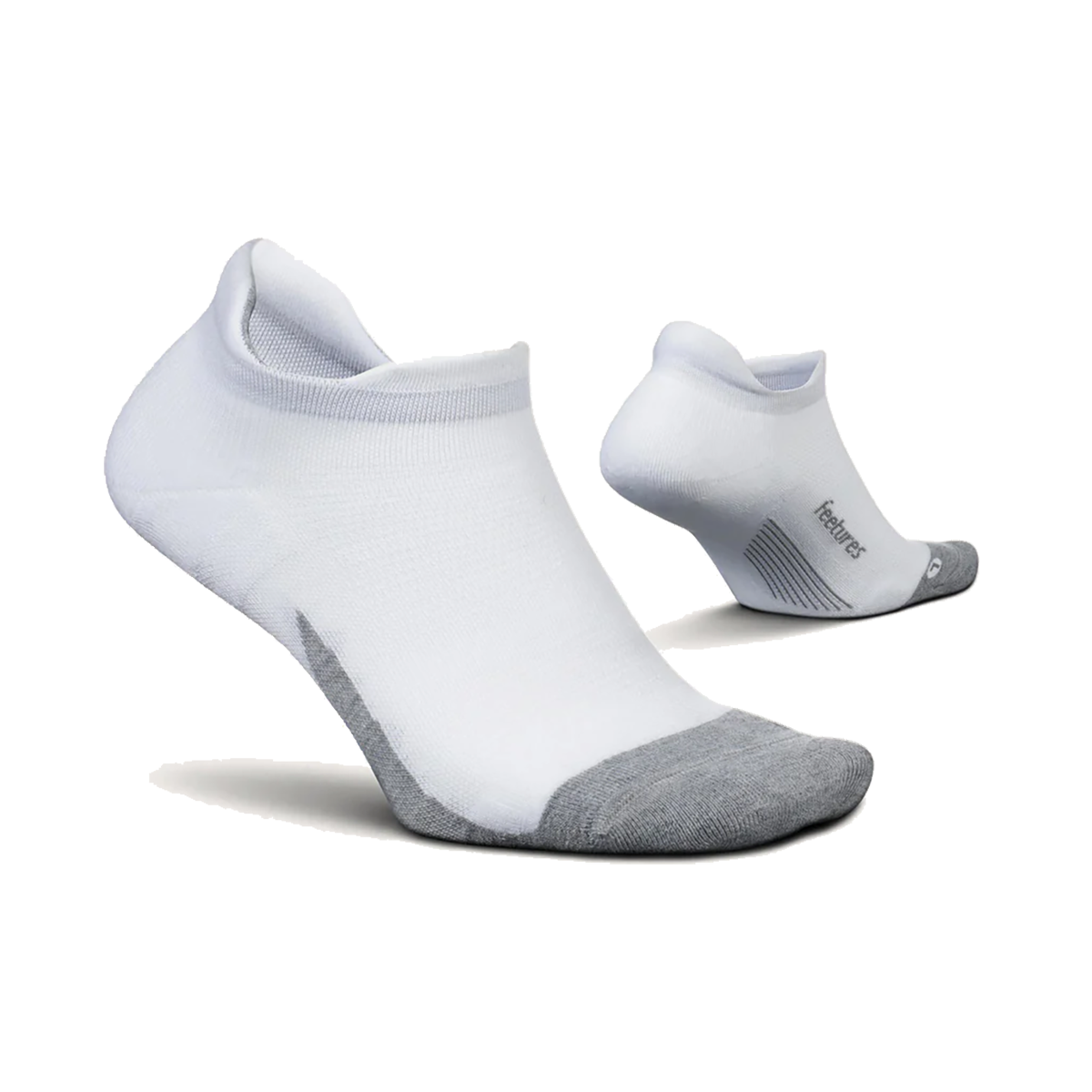
- Compression for travel days: After a hard workout or a long drive or flight, a graduated sock can help calves feel fresher. The Feetures Graduated Compression sock is a simple pick for recovery days.
How to progress back to full running
- 48–72 hours symptom‑led: Use cross‑trainer days as needed until morning stiffness and post‑activity soreness are clearly trending down.
- Re‑introduce easy runs first: Start with 20–40 minutes every other day. Keep hills and speed off the menu.
- Layer workouts gradually: Add short strides or gentle uptempo after 7–10 symptom‑stable days, then longer tempos or hill work the following week.
- Keep one weekly offload day: Maintain one cross‑trainer day during big mileage or race‑pace blocks as a protective habit.
Route, rotation, and surface tweaks that matter
Your environment and shoes influence tendon load as much as your workouts. If calves feel taut, consider softer paths and consistent footwear cues. For help balancing your weekly footwear, see Build a Safe Two‑Shoe Rotation: Cushioned Daily + Stable Workouts. On heavy‑leg days, planning routes on forgiving terrain helps—bookmark Route Smarter: Soft vs. Hard Surfaces When Calves Feel Tight. And for small daily habits that speed bounce‑back, browse Post‑Workout Foot Care Tools that Keep You Training Tomorrow.
Frequently Asked Questions
Will I lose running fitness if I swap 2–3 runs a week?
Not if you match the time and relative intensity. Keep one key running session if symptoms allow, then use cross‑training to hit the same aerobic targets on other days. Many runners maintain or even improve aerobic readiness while tendons calm down.
Which is better for Achilles soreness: bike, elliptical, or pool running?
Start with the bike or deep‑water running because they minimize ankle loading. Elliptical can work well once symptoms settle, but reduce incline and avoid over‑striding to limit dorsiflexion stress.
How do I know it’s safe to return to hills or speed?
Use the green‑yellow‑red checks. When morning stiffness is minimal for 5–7 consecutive days and easy runs feel normal during and after, add short strides or gentle hills first, then progress to longer tempos or intervals.
Do compression sleeves or socks actually help on offload days?
They won’t fix an injury, but many runners feel better support and less post‑session tightness with light, graduated compression—useful on long workdays or travel. Choose a supportive sleeve for focal Achilles symptoms or a graduated sock for whole‑calf freshness.
Next steps
Build your comeback week by week. Pick a cross‑trainer you enjoy, monitor next‑morning feel, and use small gear choices—recovery slides, supportive sleeves, or a quick foam‑roll—to keep tissues calm between sessions. When you’re ready, fold back in easy runs, then strides, then workouts. You’ve got this. 🚀