


 Why Plantar Fasciitis Is Common Among Nurses
Plantar Fasciitis is one of the most common injuries amongst those who are active on their feet. This injury plagues nurses everywhere and that is due to the frequent, long periods of time spent on their feet, on hard hospital floors. Plantar Fasciitis is inflammation of the plantar fascia tendon due to the lack of arch support or due to repetitive mechanical stress that causes micro tears in the tendon. All-in all having the right footwear for you is super important to your foot health. We here at Fit2Run want to help you find the right shoes for you!
What to Look for in Shoes for Plantar Fasciitis
When looking for shoes that help with your Plantar Fasciitis, it is important that you look for stability. Keeping the tendon in its natural position will keep it from becoming inflamed. Here are some things that contribute to that stability and targeted comfort.
-
Firm arch support
- Having the right amount of structure and support targeted to the arch is important to make sure your arch does not collapse inward causing overpronation, because unstable gait can also cause plantar fasciitis.
-
Deep heel cup
-
A deep heel cup keeps the cradles the heel, centers the bone and prevents side to side movement of the foot. This restores the natural shock absorption in the heel.
-
A deep heel cup keeps the cradles the heel, centers the bone and prevents side to side movement of the foot. This restores the natural shock absorption in the heel.
-
Rocker sole to reduce strain
- A meta rocker in the sole of the foot helps move your foot forward naturally with less effort which reduces strain underfoot.
-
Stable midsole (avoid overly flexible shoes)
- Most stability shoes have two types of technology that prevent overpronation and keep the foot in its natural position. This being the medial post and wider frame. These sacrifice a bit of the softness of the cushion you might get with a neutral shoe to keep the shoe more rigid and structured.
Best Shoes for Nurses with Plantar Fasciitis (2026 Picks)
Curated by Fit2Run's certified Fit Experts, this guide combines data from over 12,000 precision foot scans, and over 20 years of helping healthcare workers find the right shoes for their needs!
HOKA Bondi 9/SR

- Maximum cushioning to absorb shock long days and thousands of steps on hard floors.
- rocker design reduces heel pressure and reduces mechanical effort for easy steps.
- Slip Resistant (Bondi SR) provides confidence in each step.
HOKA Arahi 8

-
Wide-base stability in the form of an H-Frame to keep the foot in place to prevent the arch collapsing inward. Think of this as standing on a scaffolding as opposed to a ladder.
- Structured arch support to provide a place for the arch to rest.
Brooks Glycerin GTS 23

- Plush cushioning helps absorb a lot of shock to keep your legs fresh.
- Medial post technology provides higher barriers on the sides of the foot to prevent overpronation. Think bumpers at the bowling alley.
- Rocker design allows for seamless steps requiring less effort mechanically from you.
ASICS Gel-Kayano 33

- Wide-base stability to keep the foot in place to prevent the arch collapsing inward. Think of this as standing on a scaffolding as opposed to a ladder.
- Heel cup and padded heel cushion keeps your foot stable and comfortable with each step.
- Soft cushion underfoot allows for long terms comfort.
New Balance 1080 v15

- Balanced cushion helps the foot move most naturally in each step. Providing a consistent feel with each step.
- Available wide widths.
Stability vs Cushion — Which Is Better for Heel Pain?
Stability is great for overpronation and keeping your foot in its natural position. Cushion is great for shock absorption, responsiveness, and comfort. I would say both are great and finding a shoe that can do both to fit your needs is the best option. But it is better to have your foot in its anatomically correct position to make use of the body's natural shock absorption being the pad on the heel. Here is a guide that better explains the difference between a stability and neutral shoe.
Tips for Managing Heel Pain During Long Shifts
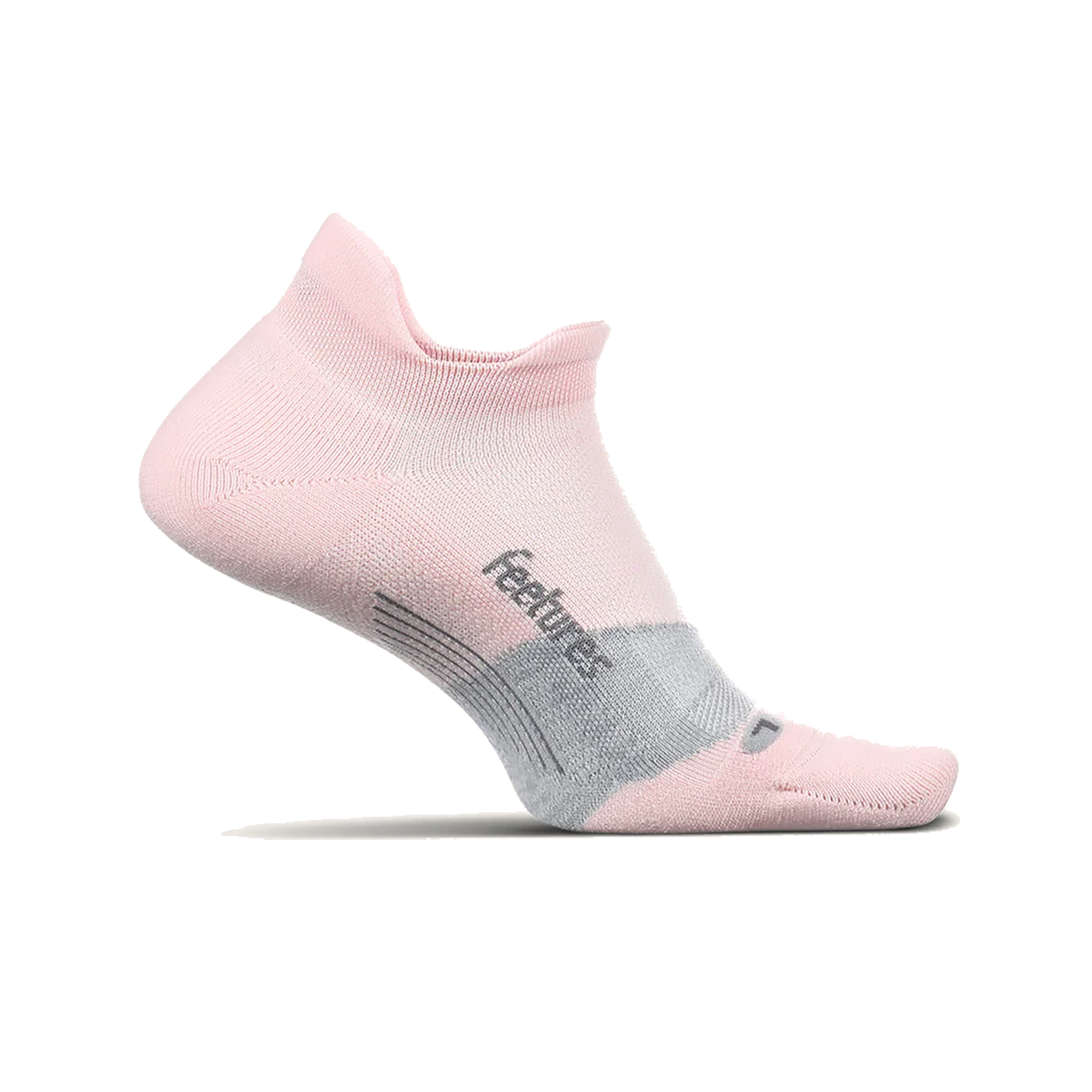
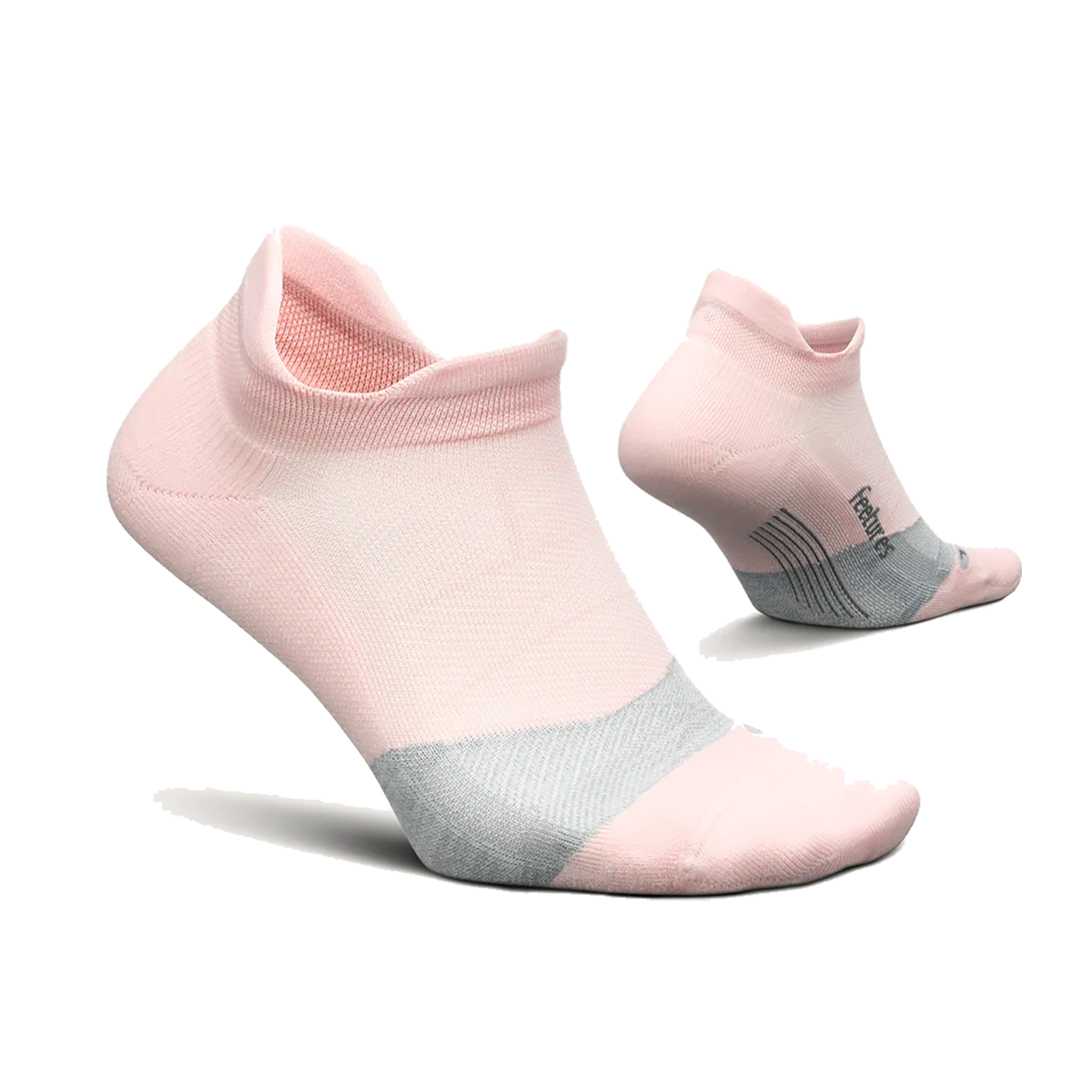
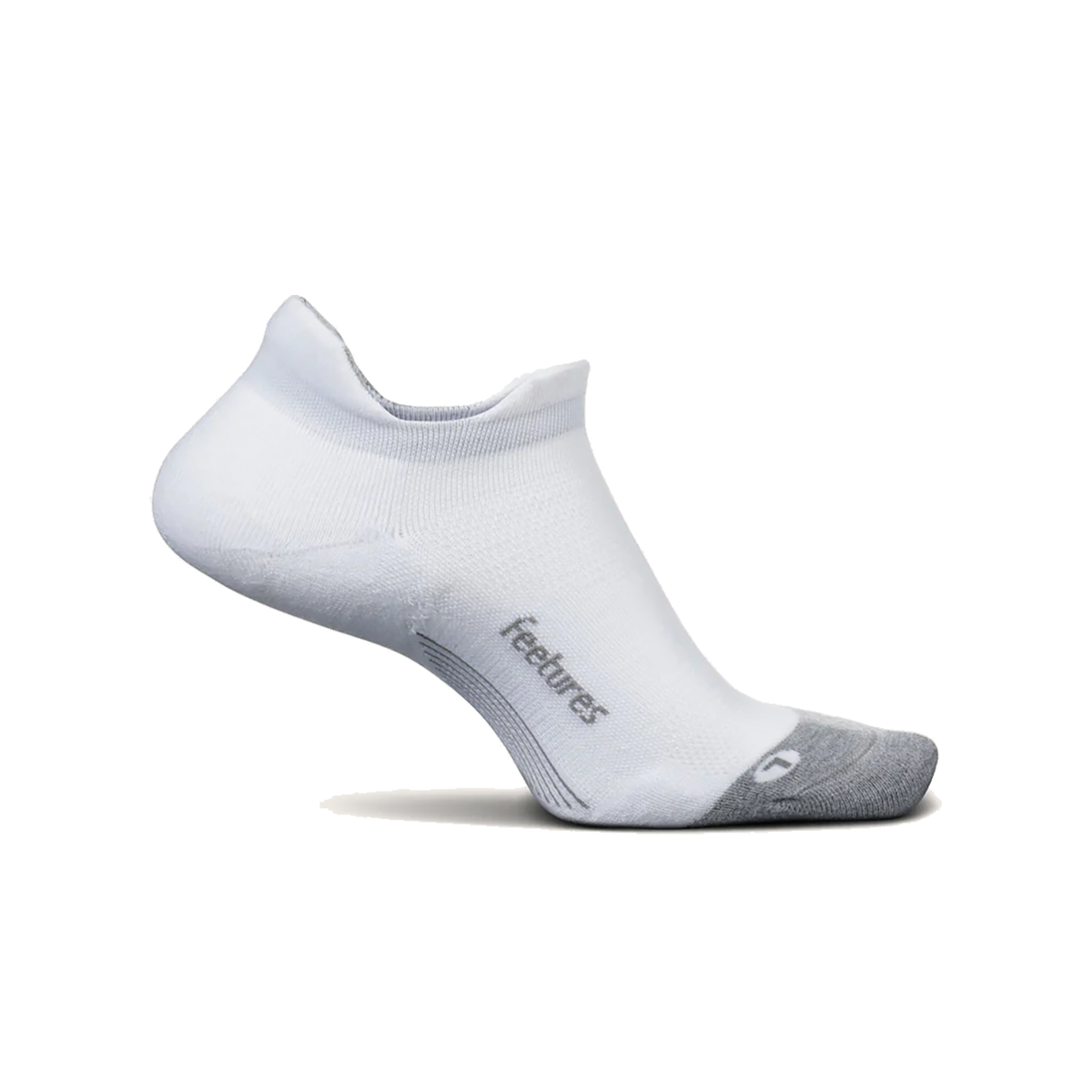
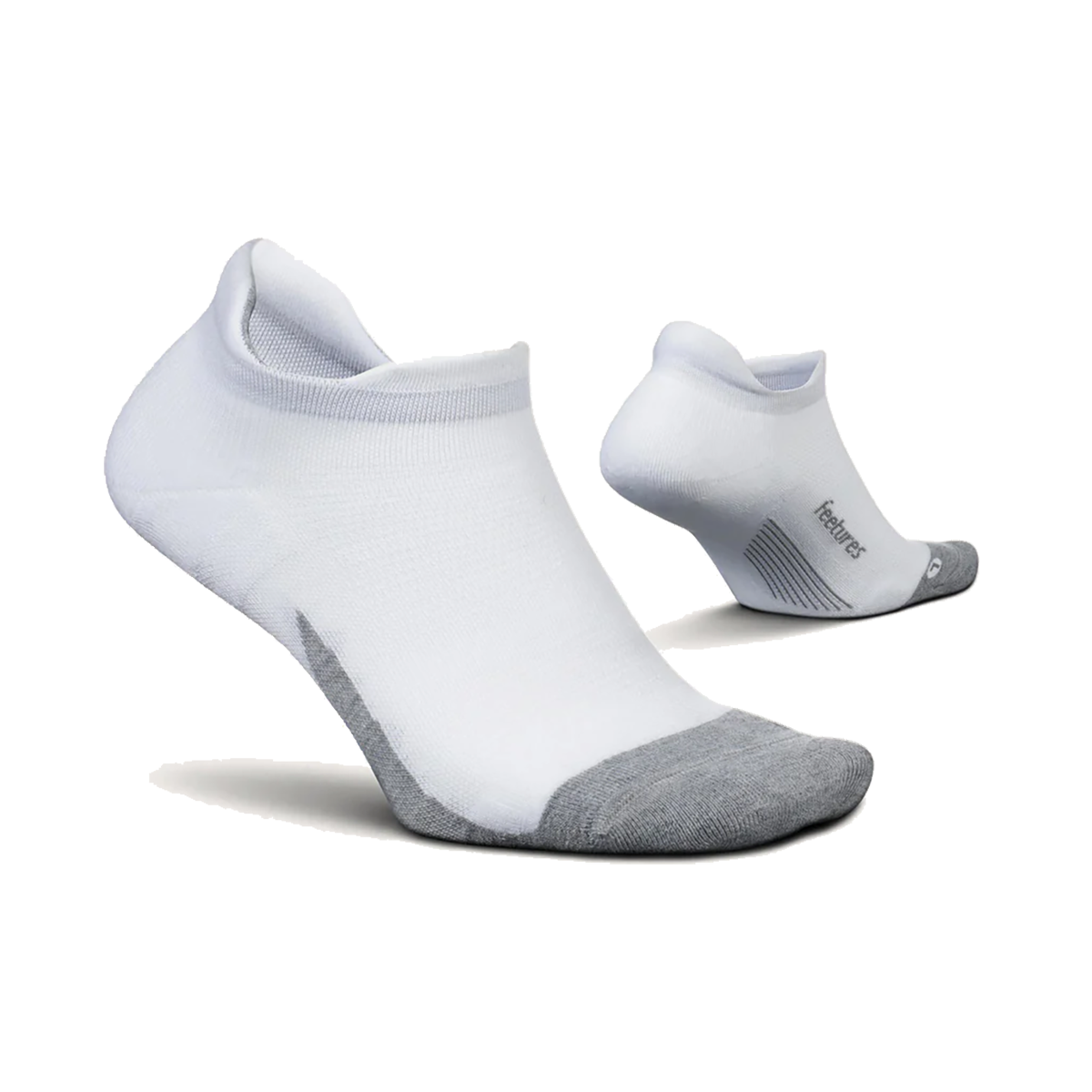
Some good ways to manage heel pain is by having multiple available pairs of shoes to keep some variance to your feet. Replace pairs that might be past due. Shoes should last between 600-800 miles, which averages out to 120-160 shifts. Performance socks are great for plantar fasciitis as they have targeted cushion in the heels and forefoot as well as targeted compression in the arch. Stretching your calves and plantar fascia tendon are great to relieve some pain an well as prepare for a long day. Finally I would recommend trying a foot roller to loosen that tendon and reduce the inflammation.
The perfect fit is super important to foot health, and there is so much more to choosing a shoe than the fashion or the color. Find your local Fit2Run for the full Fit Experience. We believe Fit is the Foundation.