


Wide/Narrow Fit for Marathon Volume: Preventing Toe Issues Late in the Race
You’re stacking long runs, the weekly mileage is climbing, and your goal race is circled on the calendar. The right forefoot fit can be the difference between a strong final 10K and a limp to the line. This guide shows how to pick between wide and narrow fits, how much toe-box space you really need, and which tweaks keep toenails calm from mile 1 to 26.2. You’ve got this! 🏁
Why toes rebel in the final 10K
- Accumulated swelling: Hours on feet can make forefeet expand, so a shoe that felt fine at mile 6 may feel cramped by mile 20.
- Downhills and late-race form: Brake forces push toes forward when you’re tired or on declines.
- Pace and cornering: Surges and turns can create lateral shear on the big toe and pinky if the forefoot is too tight.
A marathon-friendly target: a locked-in heel and midfoot with easy toe wiggle up front. Leave about a thumb’s width in front of your longest toe and secure the heel so your foot doesn’t slide on descents.
Wide vs narrow: what changes for marathon comfort
Think of fit as a triangle—heel hold, midfoot wrap, forefoot room. For marathon volume, forefoot space is where comfort often fails. Here’s how width and shape affect the experience:
- Wide or anatomical toe boxes: Encourage natural splay and reduce pressure on toenails and bunions, especially on warm, humid courses where swelling is greater. For a plush daily trainer with a roomy anatomical forefoot, try the Topo Atmos for long and recovery miles.
- Standard/narrow performance uppers: Deliver precise control for pace work and racing, but you’ll need faultless length and lockdown to prevent forward slide as fatigue sets in.
Fit targets you can trust
- Length: Standing in the shoe, aim for roughly a thumb’s width ahead of the longest toe; recheck after a short jog when feet elongate under load.
- Width/shape: Toes should splay freely without the upper biting the fifth met head or big-toe joint. Early-run tingling or hot spots = shape/width mismatch.
- Heel/midfoot security: No lift when you corner or run downhill—good lockdown prevents the slide that bruises nails late in the race.
- Know your letters: Men’s standard is often D and women’s standard is B; wide options commonly appear as 2E for men and D for women on select models.
Decision matrix: which forefoot fit matches your goals?
Use this quick table to pick a direction. If you’re torn, test both during a long run with segments at goal pace.
| Option | Toe-Box Feel | Best For | Watch-outs | Fit Tweaks |
|---|---|---|---|---|
| Roomy/Wide or Anatomical | Spacious, natural splay | High weekly volume, bunions, black toenail history, warm races | Can feel sloppy if heel isn’t secure | Runner’s loop at top eyelets; thin socks to fine-tune |
| Standard Width, Soft Upper | Balanced room with gentle wrap | Most marathoners who want cushion plus control | Double-check downhill clearance | Heel lock + midfoot cinch; test downhill strides |
| Standard/Narrow Performance | Sleek, race-snug | Goal-pace efficiency and plate stability | Risk of late-race pressure if length runs short | Follow the length rule; consider a thinner race sock |
Try-on checklist for marathon volume
- Simulate race conditions: Wear your goal socks and jog a few strides. If the forefoot warms up or tingles, try a roomier shape or different width.
- Downhill test: Find a slight decline and brake lightly. If toes kiss the front, improve lockdown or consider more length/room.
- 10-minute feel: Any tingling or hot spots across the met heads suggests the upper is too tight.
- Toe splay check: Spread toes while keeping the heel planted—if you can’t, look for a roomier forefoot.
Training rotation to protect toes
Most runners thrive with a rotation: a cushioned daily trainer that’s kind to toes during heavy mileage plus a lighter shoe for marathon-pace work. For a plush, anatomical forefoot feel on long runs and recovery miles, test the forefoot room in the Topo Atmos.
To sketch your whole lineup by training phase, see Marathon Shoe Rotation: Daily Trainer + Speed + Long‑Run Cushion for 26.2, and for a high-level roadmap across all phases, bookmark the Marathon Training Playbook: Gear, Fuel, and Confidence by Phase.
Race-day fit: speed without late-race toe pain
Race shoes often use performance uppers for a locked-in feel. That’s great for efficiency, but you still need the thumb’s-width check and zero heel slip. If you prefer a propulsive plated ride with a secure hold at pace, the On Cloudboom Max pairs high-stack cushioning with a carbon Speedboard and a performance upper—confirm downhill clearance so your toes don’t tap the front on descents. Women wanting the same setup can check the On Cloudboom Max (Women’s).
For marathon-pace workouts when you want a quick turnover with training-level durability, the Brooks Hyperion Max 4 offers a protective, efficient ride with a refined mesh upper for improved lockdown compared with the prior version. Prefer a women’s fit? See the Brooks Hyperion Max 4 (Women’s).
Still weighing plates? Match tech to course and pacing with Carbon vs Non‑Carbon on Race Day: Who Benefits and When.
Lacing and sock tweaks that save toenails
- Runner’s loop: Use the top eyelets for a heel lock to reduce forward slide on descents and late-race fatigue.
- Midfoot micro-adjust: Skip an eyelet over sensitive met heads to relieve pressure without losing hold.
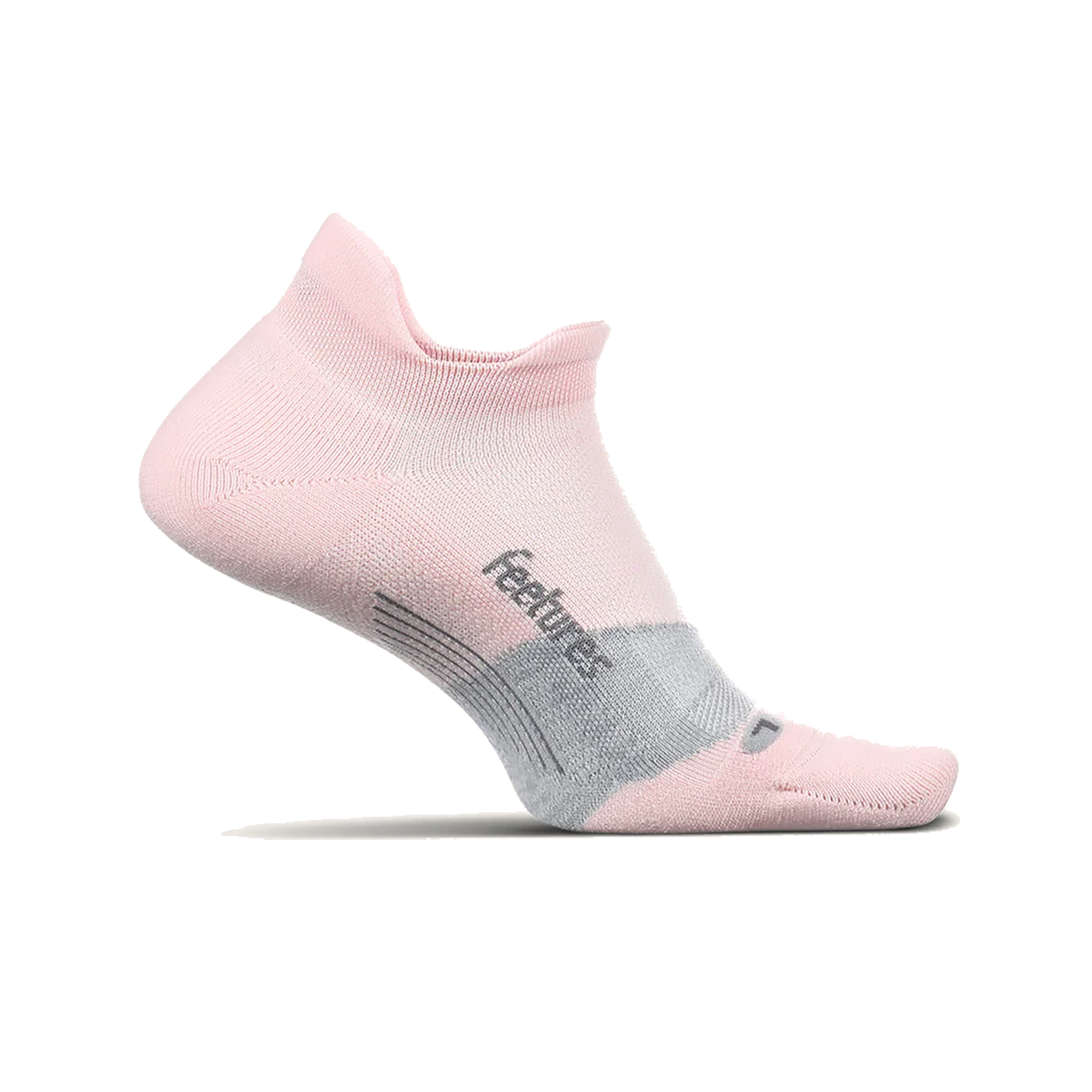
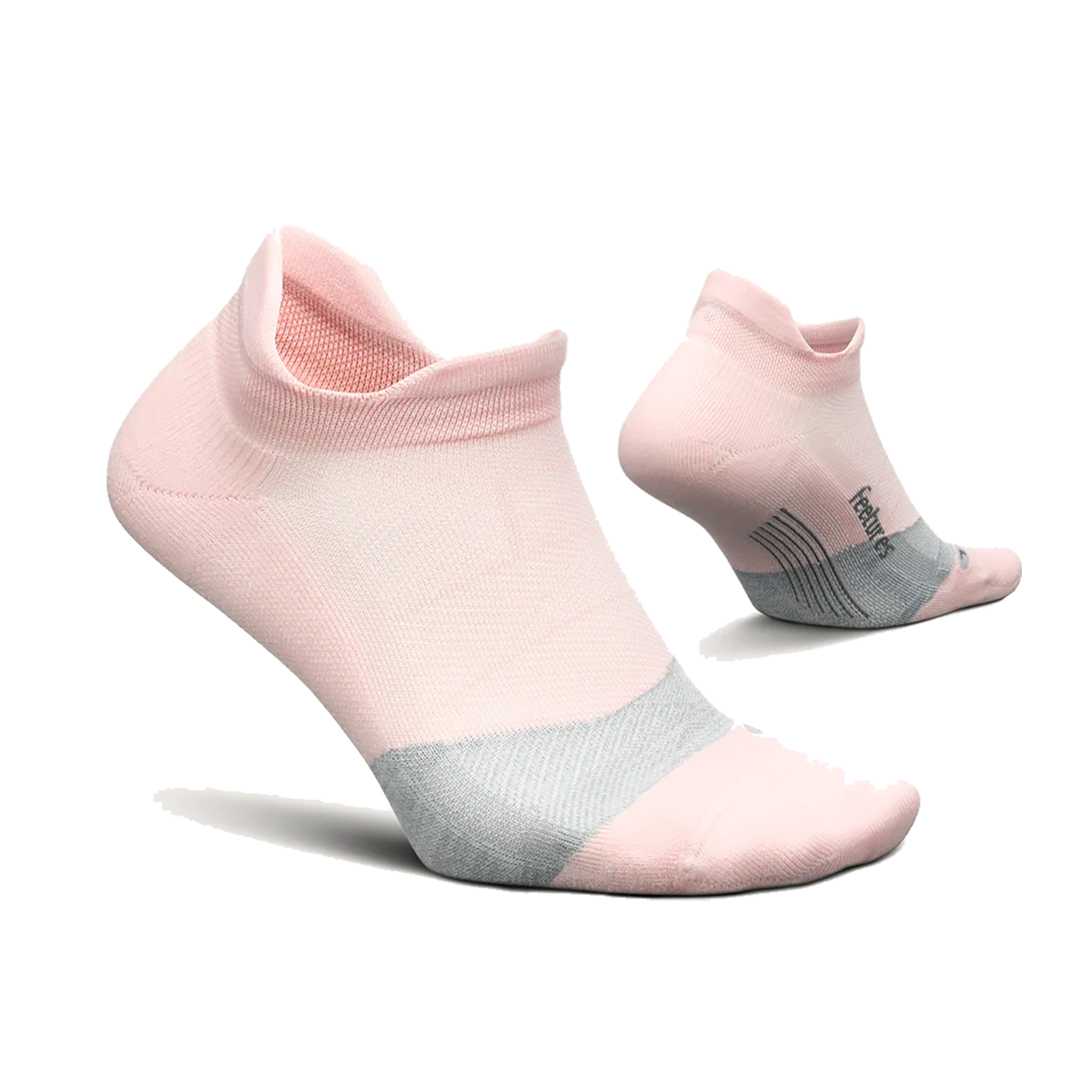
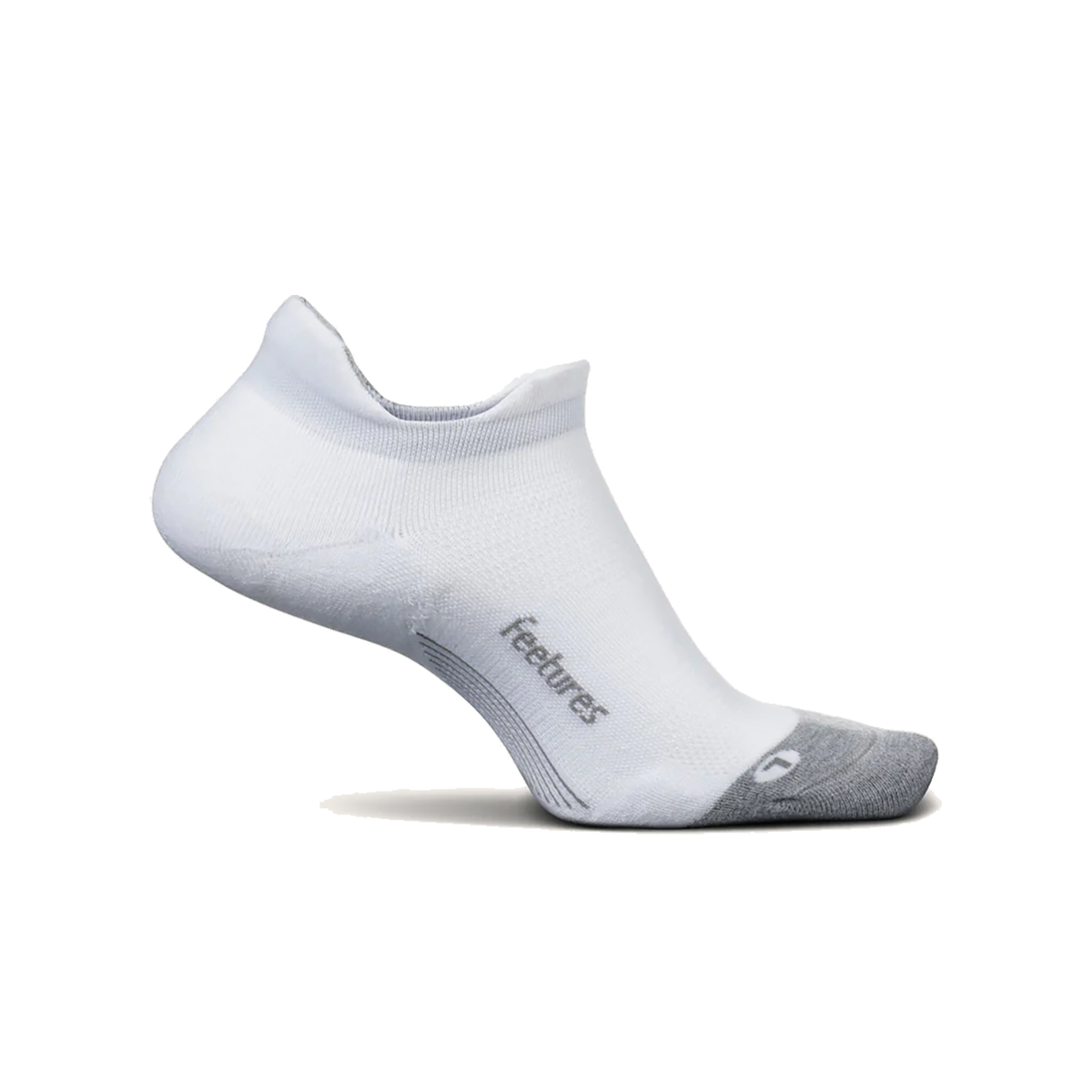
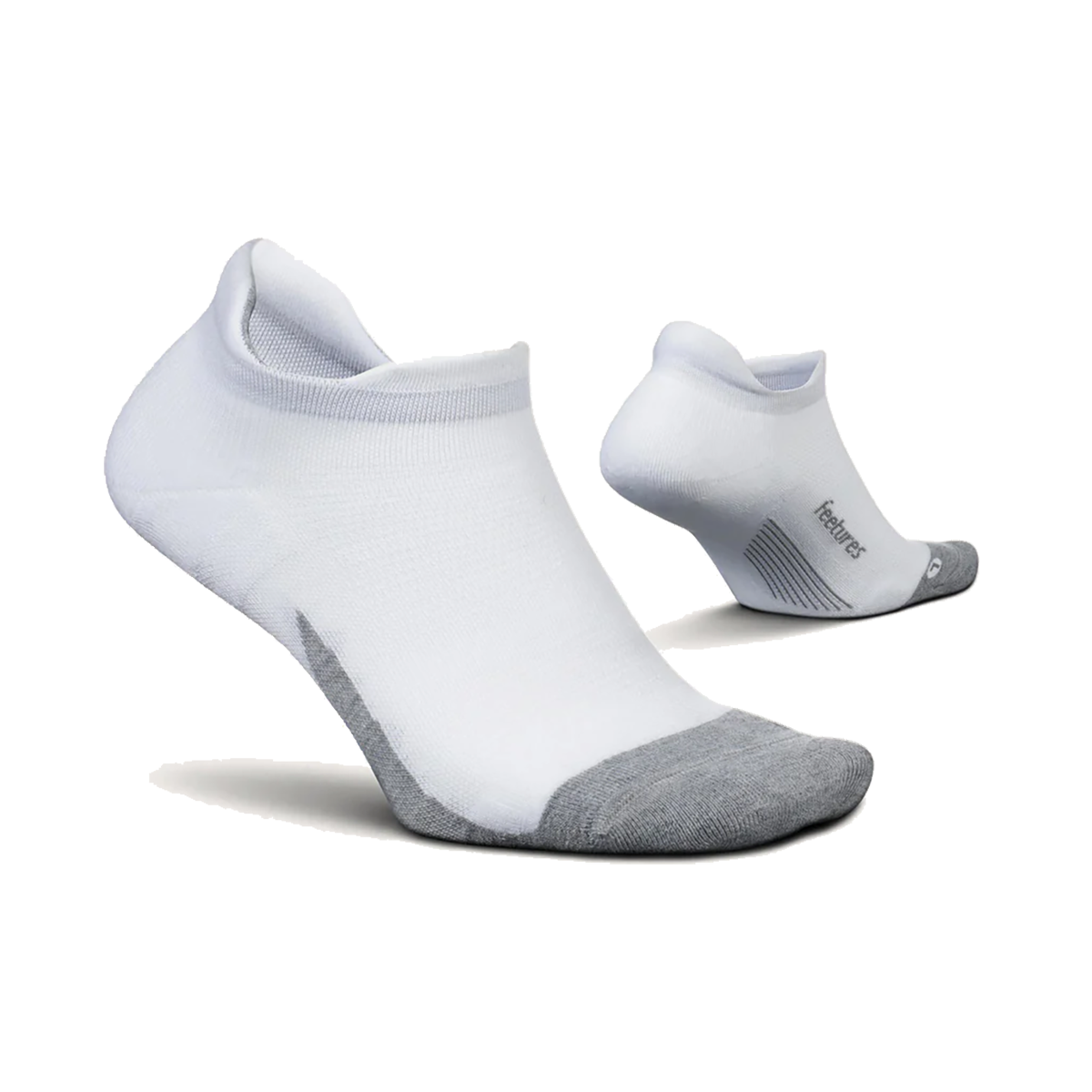
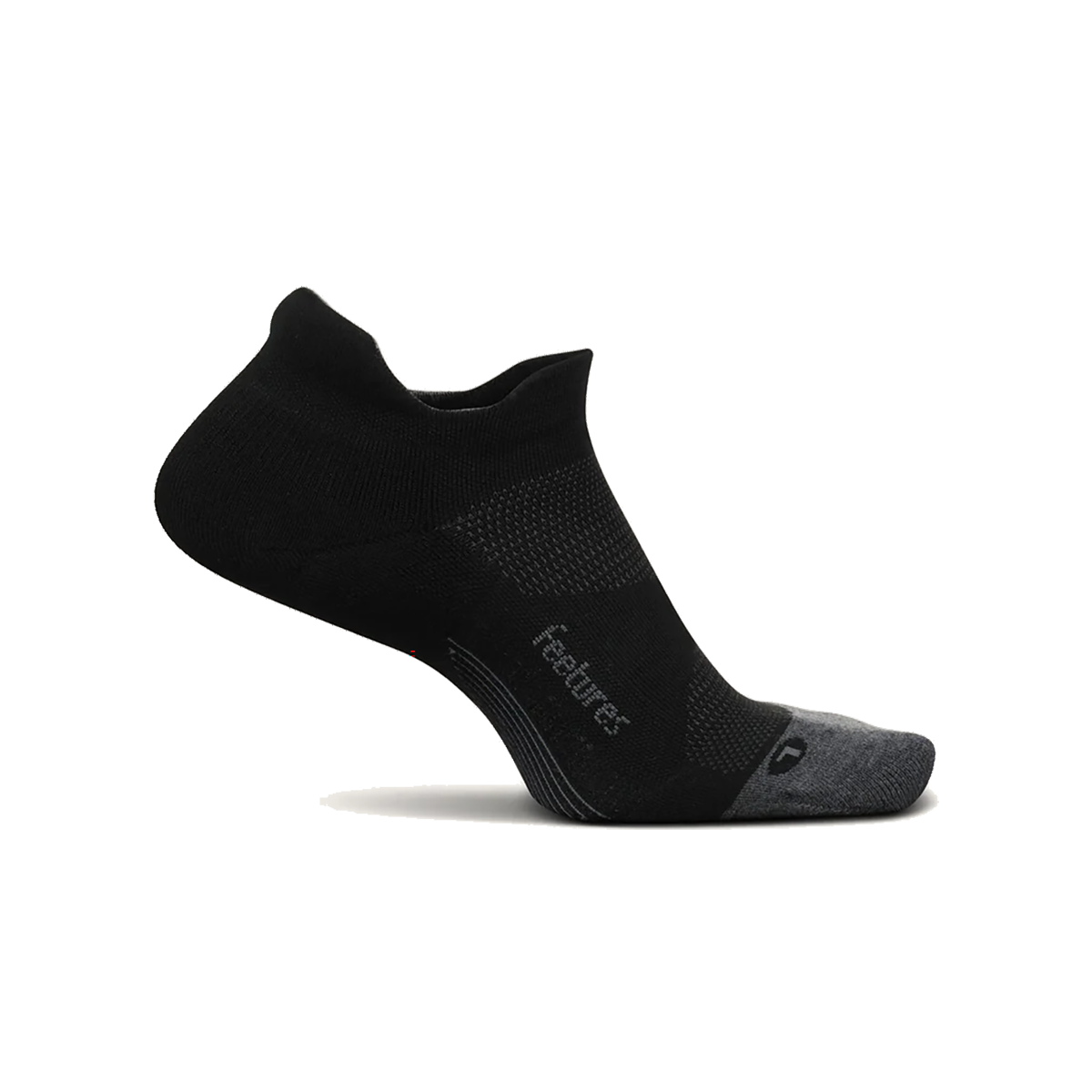
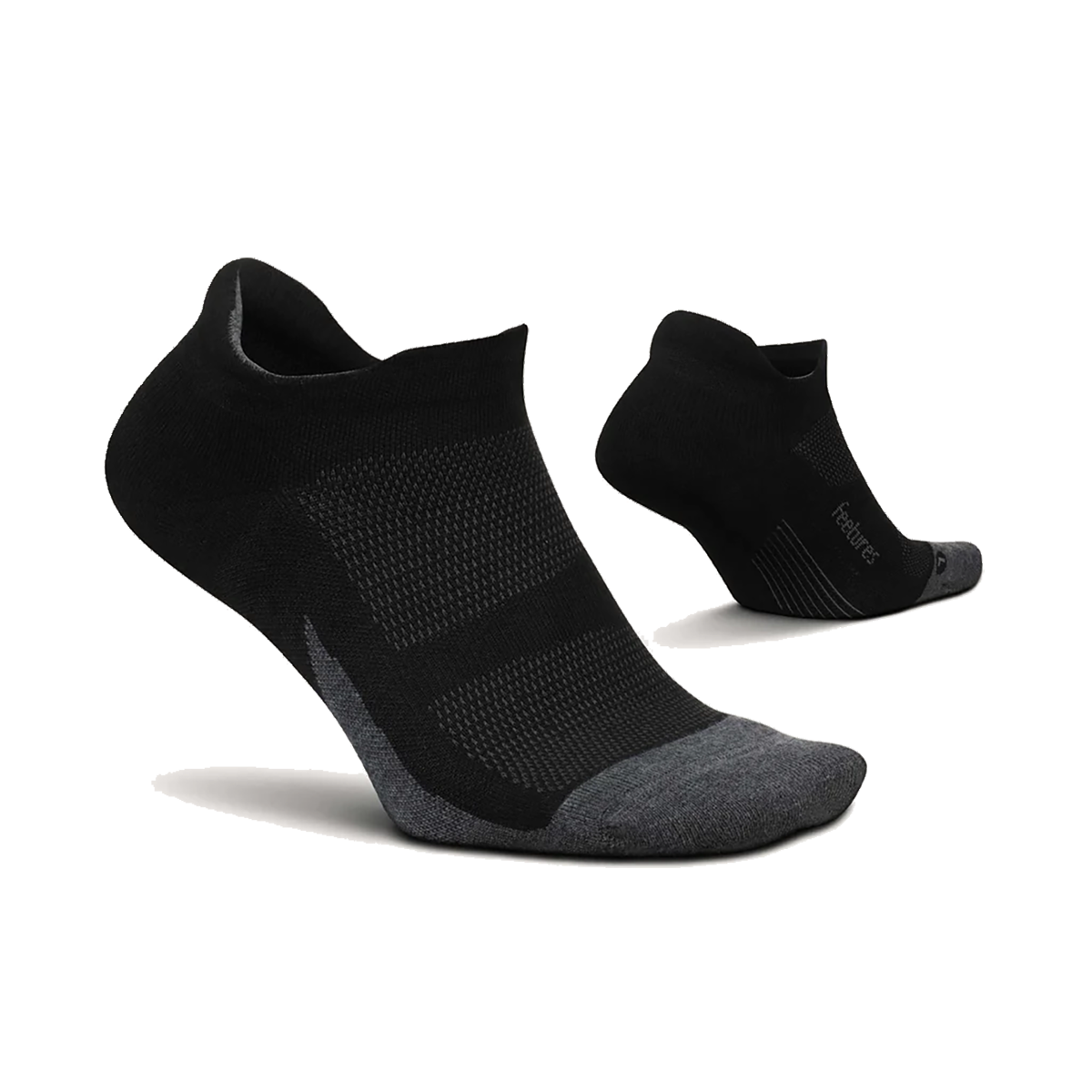
- Sock strategy: Keep two thickness options. Use the slightly thinner pair if race morning is hot or if the upper feels snug during taper. A seamless, moisture-wicking model like Feetures HP Cushion Quarter helps reduce friction and irritation around the toes.
- Nail trim + dry feet: Trim nails a few days before racing and keep feet dry to reduce friction blisters.
Regional notes: fit for your course and climate
- Humid Southeast (e.g., Florida or Gulf Coast races): Expect more swelling. Favor a touch more forefoot room and a breathable upper; plan a thinner sock as a backup. For hot-weather fluids planning, see Hydration Strategy by Weather: Bottles, Belts, or Vests for 2–4 Hour Runs.
- Hilly courses (Boston-style rollers): Prioritize heel lock and downhill clearance. Even with a snug race upper, verify zero front-toe pressure on sustained descents.
Timeline: when to adjust width or size
- Base phase (Weeks 1–4): Lock daily trainer fit while mileage is manageable. For simple gear wins, see Base Phase: Comfort Miles—Shoes, Socks, and Simple Recovery Wins.
- Build phase (Weeks 5–10): Introduce your tempo shoe and evaluate forefoot pressure at marathon pace. If the toe box feels tight in repeat miles, adjust width or socks. For shoe ideas and speed work, explore Build Phase: Tempo/Intervals—Lightweight Trainers and Plate Picks.
- Peak (Weeks 11–14): Your race pair should be locked in. Use goal-pace segments in long runs to confirm downhill clearance. For fueling and fatigue management during stacked weekends, see Peak Phase: Back‑to‑Back Long Runs—Nutrition and Recovery Tools.
- Taper week: Do a final check with race socks and fresh laces; confirm details with the Taper Week Checklist.
Pro move: test fueling with your fit
Hydration and carbs on hot days can change tissue feel and foot volume. Practice long-run fueling in your race setup so you can spot any late-onset pressure. For planning details, use the Fuel Testing Guide: Gels vs Chews vs Drink Mix and the deeper numbers in Long‑Run Fueling Math: Carbs per Hour, Caffeine, and Sodium Targets.
Quick troubleshooting
- Black toenails after long runs: Increase length by a half size or move to a roomier toe box; add a heel lock to prevent slide.
- Numb pinky toe at mile 8–10: Try a model with an anatomical forefoot or a wide option; consider skipping an eyelet over the pressure point.
- Blister under big toe: Check sock seams and insole alignment; ensure enough splay room and even lacing tension.
Low-pressure next steps
- Need cushioned miles that protect toe splay during high-volume weeks? Test the forefoot room in the Topo Atmos on your next long run.
- Ready to fine-tune race-day lockdown? Try a plated racer like the On Cloudboom Max during goal-pace segments; women can explore the On Cloudboom Max (Women’s).
- Prefer a fast, durable trainer for tempos without extreme snugness? The Brooks Hyperion Max 4 and the Brooks Hyperion Max 4 (Women’s) balance efficiency with refined lockdown.
- Dial your full kit to the course with Race‑Day Kit by Course Profile: Flat, Hilly, Heat/Humidity, and after you celebrate, bookmark Post‑Marathon Reset: 10‑Day Recovery, Compression, and Gentle Rolling.
Frequently Asked Questions
Should I go up half a size for marathon day?
Only if you can still lock the heel and midfoot securely. Start with your training size and confirm a thumb’s width of space with race socks; if toes touch the front on downhills, consider a half‑size up or a roomier toe box.
How do I know if I need a wide (2E/D) instead of standard (D/B)?
If your pinky toe or big-toe joint feels pinched, you see upper creases over the met heads, or tingling starts within 10 minutes, try a wider width or a shoe with a more anatomical forefoot. Runners with bunions or frequent black toenails often do better with added room.
Can a narrow race upper still work for me?
Yes—if length is dialed and the heel/midfoot are locked in. Use a runner’s loop, keep lacing tension even, and consider a slightly thinner sock to preserve toe clearance for late-race downhills.
Do socks really make a difference for toenails and blisters?
They do. A breathable, seamless, moisture‑managing sock reduces friction and bulk in the toe box. If you alternate a regular pair with a thinner pair for hot races, you can fine‑tune fit without changing shoes. A model like Feetures HP Cushion Quarter offers smooth toe seams and moisture control that help protect sensitive toe areas.