


Base Phase (Weeks 1–4): Comfort Miles—Shoes, Socks, and Simple Recovery Wins
Welcome to Weeks 1–4 of your training. The goal right now is simple: stack consistent, low‑stress miles so your legs, tendons, and routine adapt. Think easy conversational pace, breathable socks, and a plush daily trainer that makes neighborhood loops and treadmill sessions feel smooth. Nail this phase and you’ll roll confidently into the next block—see how it all fits together in the Marathon Training Playbook: Gear, Fuel, and Confidence by Phase. 🏃🏃
What “comfort miles” really mean (and how gear supports them)
- Consistent effort: Mostly easy runs where you can talk in full sentences. These build aerobic capacity without spiking fatigue.
- Comfort first: Choose shoes and socks that reduce hotspots and pounding so you actually want to run again tomorrow.
- Simple recovery: Small daily habits—gentle mobility, light compression, and walk breaks—compound into fresher legs.
Shoes for Weeks 1–4: Cushion, fit, and stability you can forget about
For the base phase, a plush, neutral daily trainer keeps things smooth on roads, greenways, and treadmills. Look for soft cushioning that doesn’t feel mushy, an upper that locks the heel, and a flexible forefoot for natural transitions.
A strong fit for comfort‑miles duty is the Brooks Glycerin Flex—available in men’s and women’s. It’s designed as a neutral, maximum‑cushion road trainer with a flexible midfoot and a smooth, plush ride that shines on easy and long days.
- Who it suits: Runners prioritizing softness and smooth transitions for daily mileage, walk‑run sessions, and recovery days.
- Tradeoffs: Max cushion favors comfort over snappy turnover; save speedwork for later in the cycle (see Build Phase (Weeks 5–10)).
- Fit tip: Aim for a thumb’s width in front of the longest toe to handle slight swelling on warm, humid days common across many U.S. regions.
If you know you’ll eventually rotate pairs for durability and specific workouts, map your plan early with Marathon Shoe Rotation: Daily Trainer + Speed + Long‑Run Cushion.
Daily comfort checklist before you buy
- Cushion feel: Soft enough to blunt impact on sidewalks yet stable at easy paces.
- Upper security: Midfoot and heel lockdown without pressure on the instep; knit uppers should feel snug but forgiving.
- Flex pattern: Mild flex under the forefoot for fluid toe‑off during relaxed cruising.
- Width options: If you’re between widths or notice toe rub on long walks, skim Wide/Narrow Fit for Marathon Volume before committing.
Socks that keep base miles happy
Great socks prevent blisters, wick sweat, and add either plushness or a crisp, minimal feel. Choose height and cushioning for your climate and preferences.
- Value plush for everyday training: The F2R High Cushion Socks 3pk add targeted cushion and a seamless toe for friction‑free comfort on neighborhood loops.
- Light, breathable crew height: Brooks Run‑In Crew 3‑Pack balances a stay‑put cuff with light underfoot padding—nice for sock‑liner grip on treadmill days.
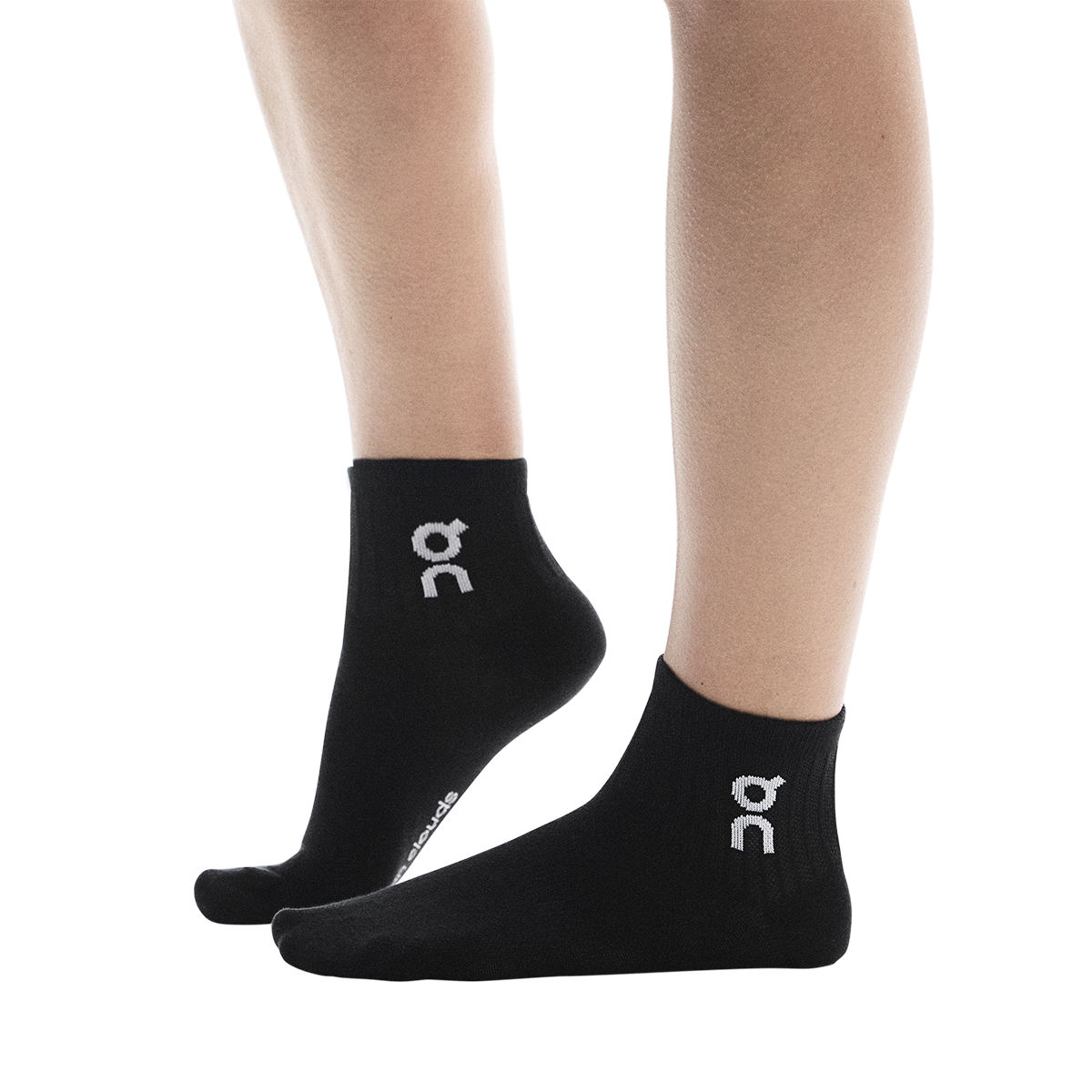
- No‑show feel with cushion: On Core Run Sock Low 2P offers maximum underfoot cushioning in a low profile for warm‑weather easy runs.
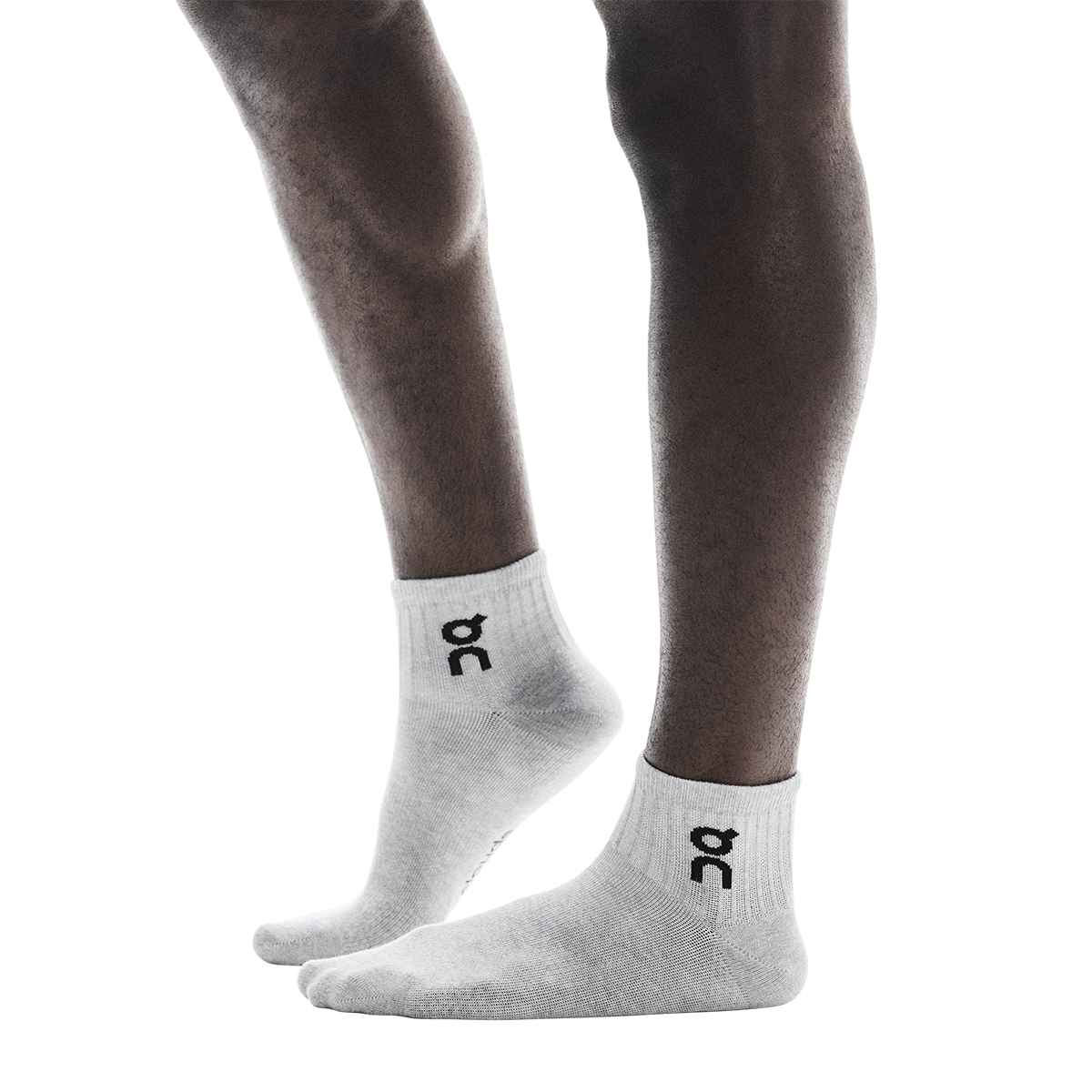
- Mid‑crew versatility: On Core Run Sock Mid 2P adds a touch more coverage and reflective yarn on the cuff for pre‑dawn jogs.
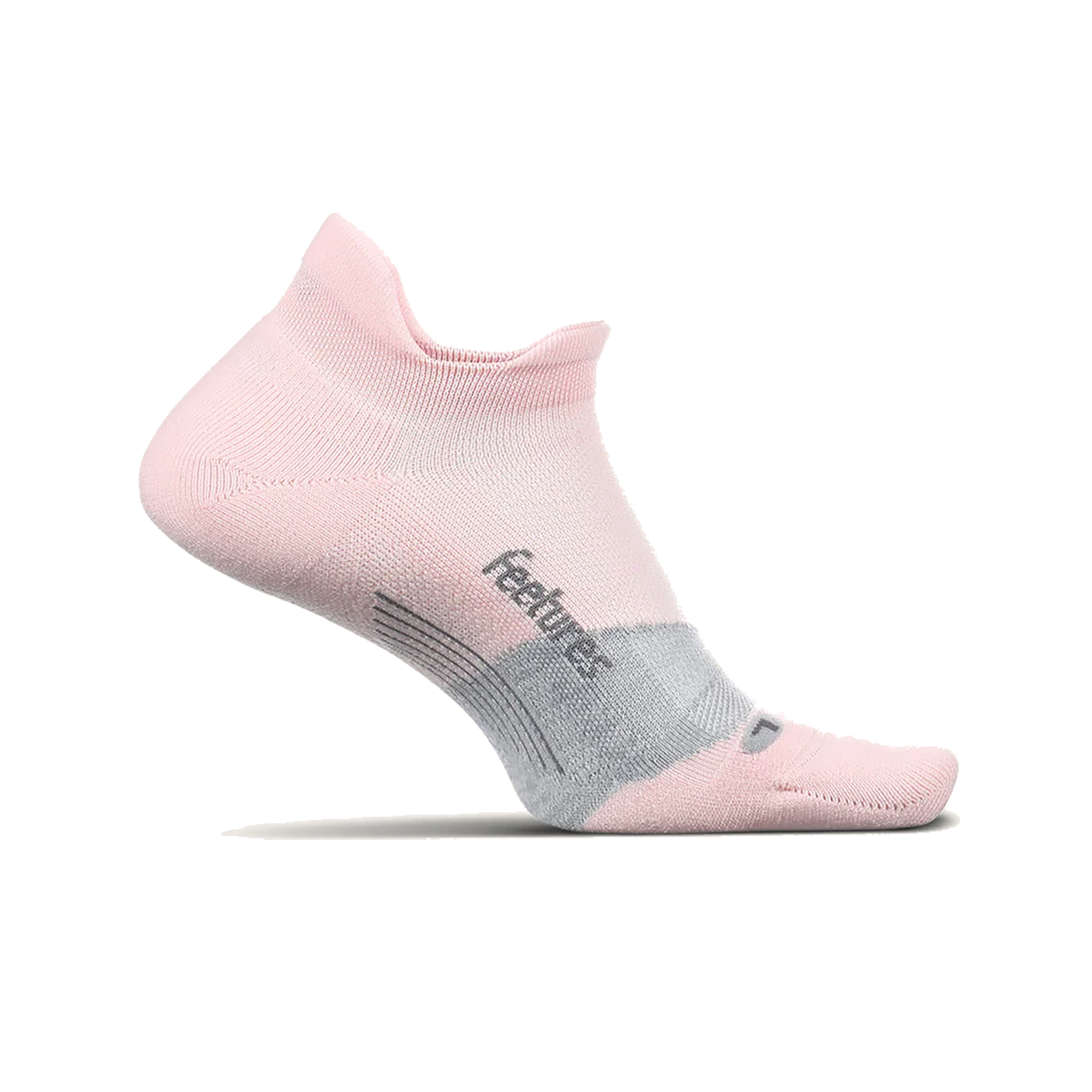
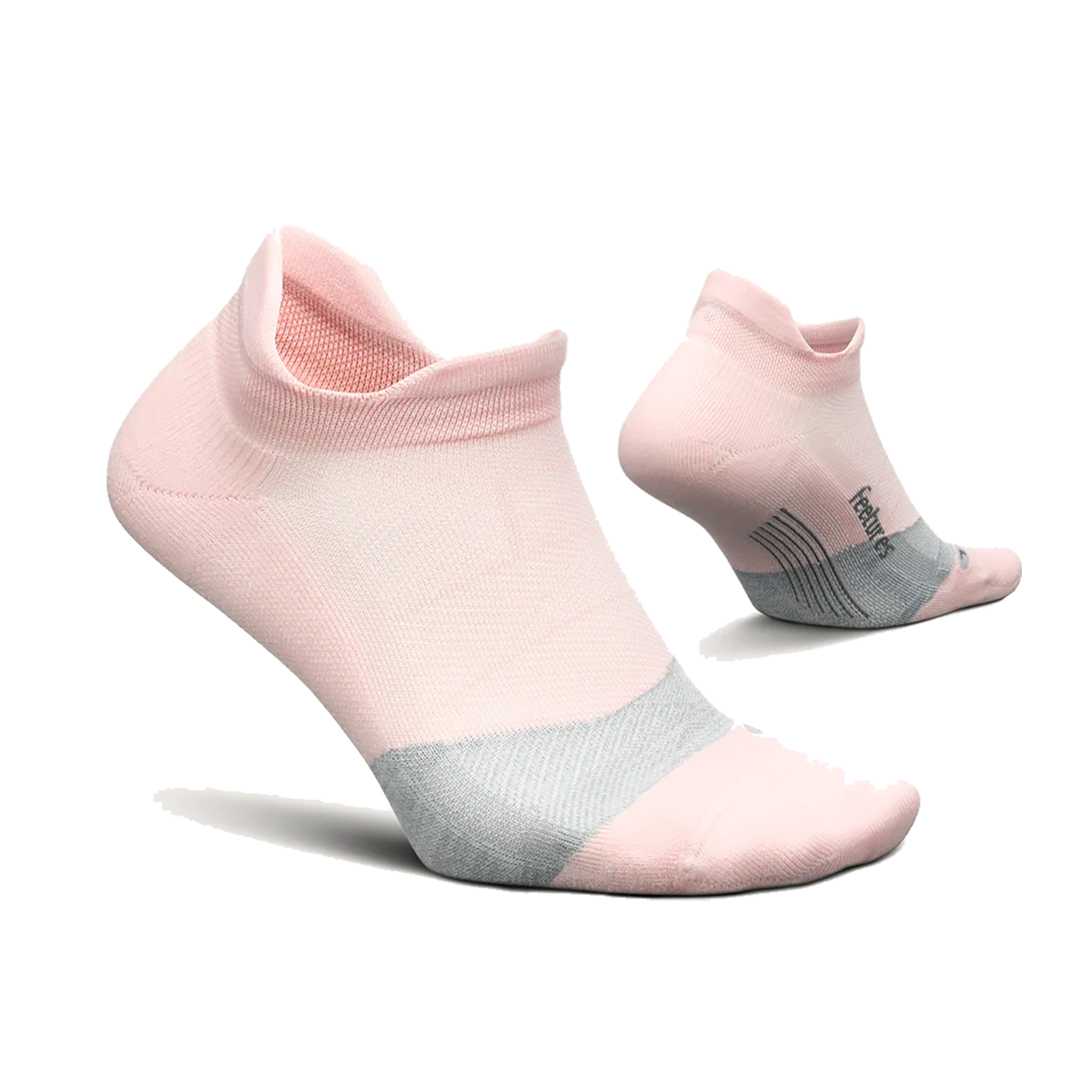
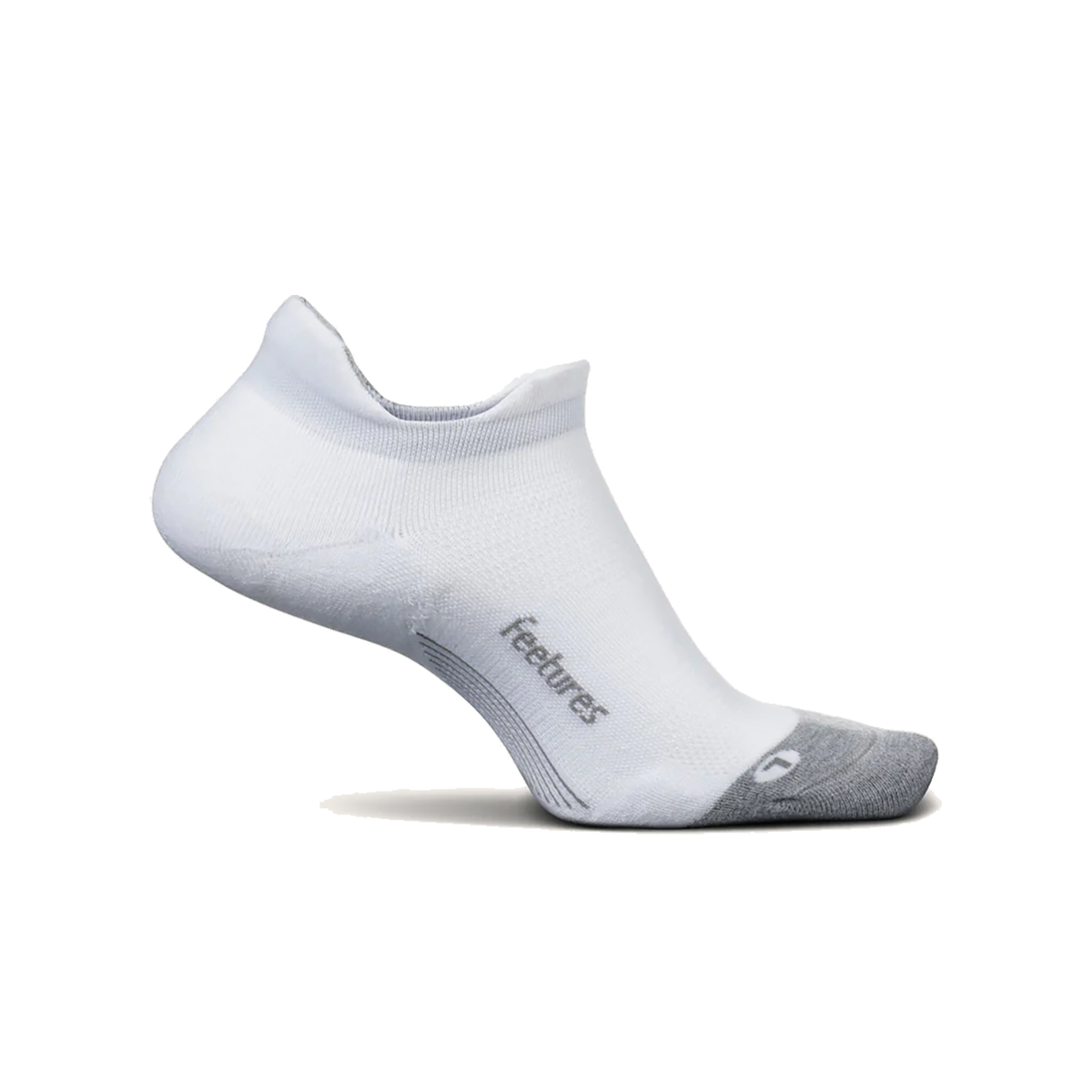
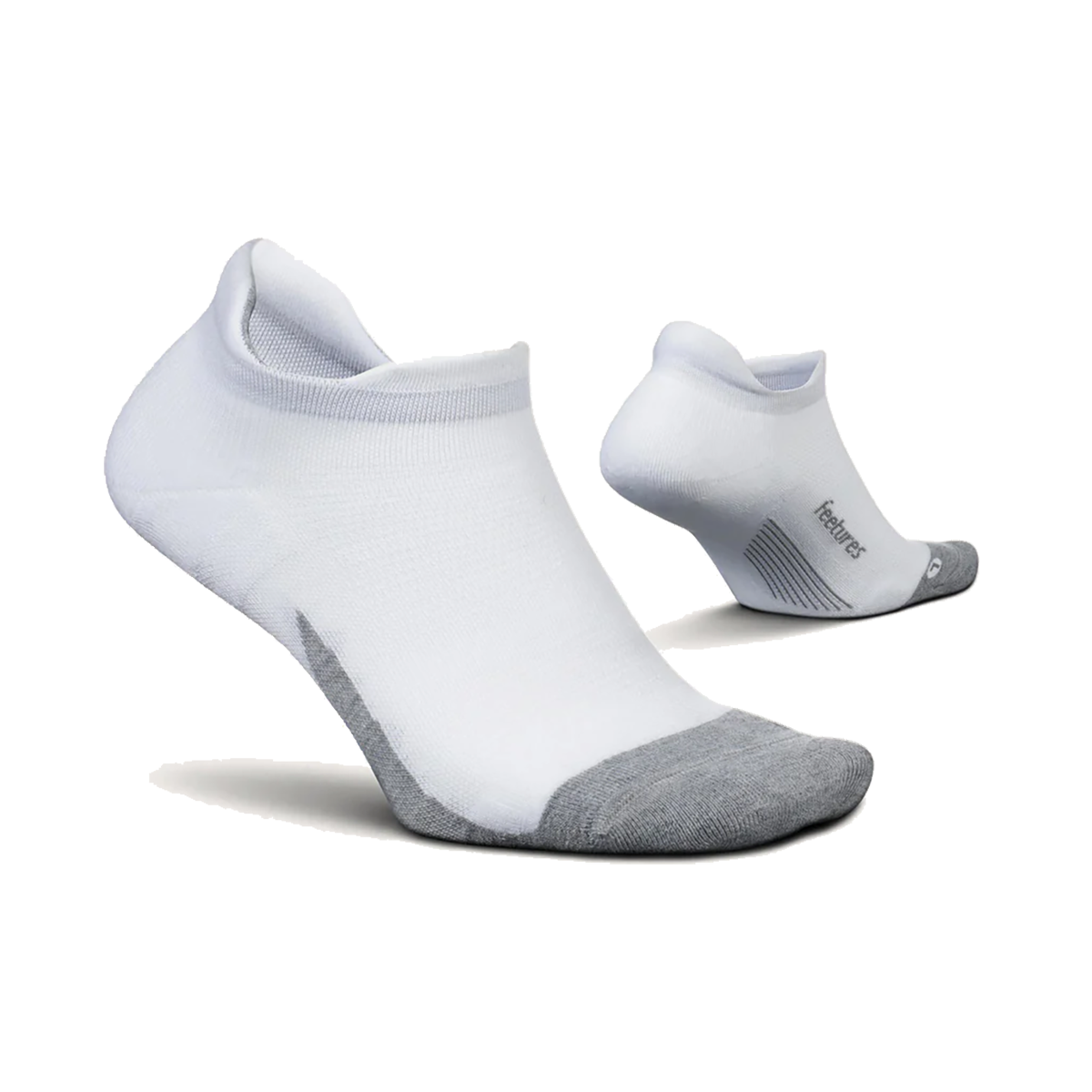
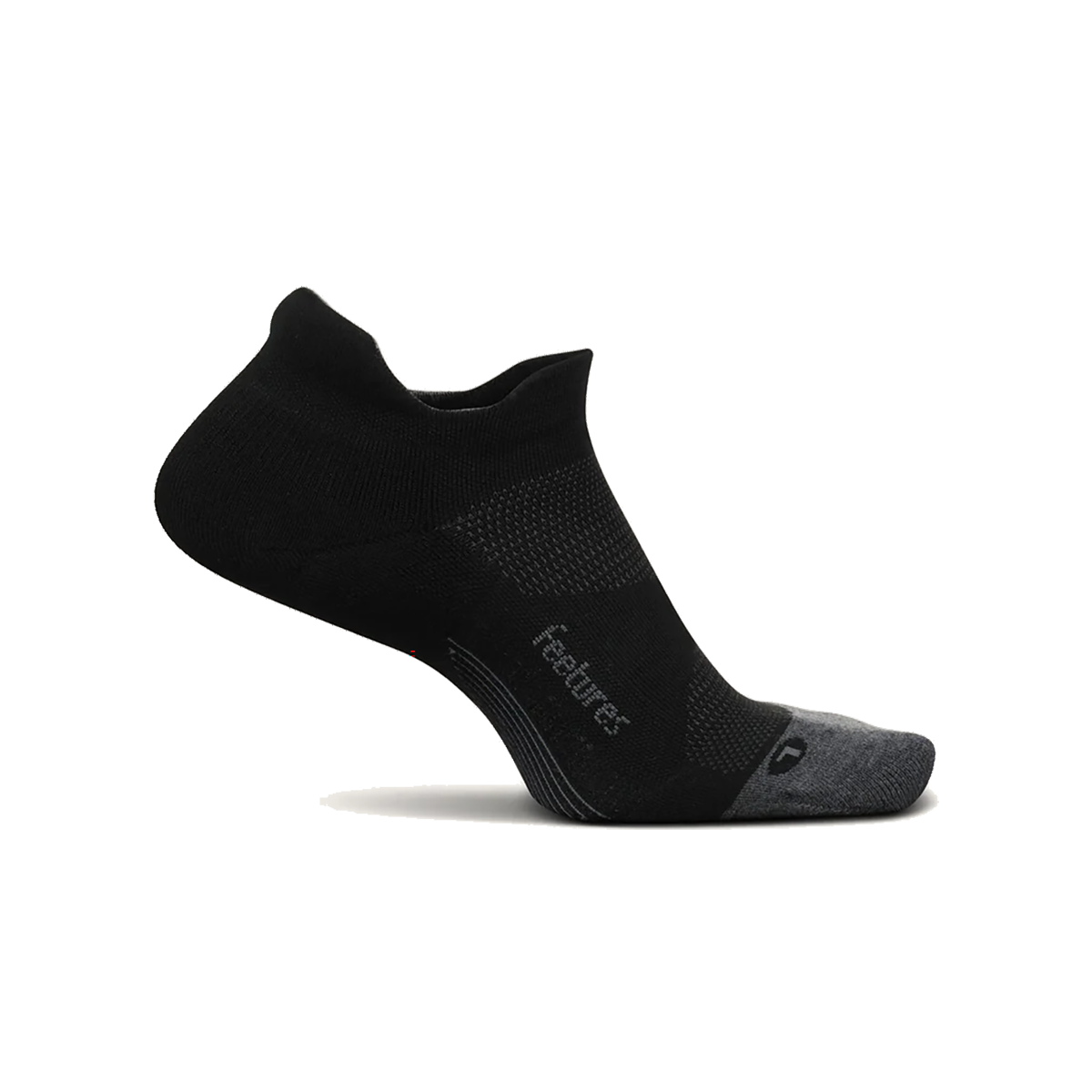
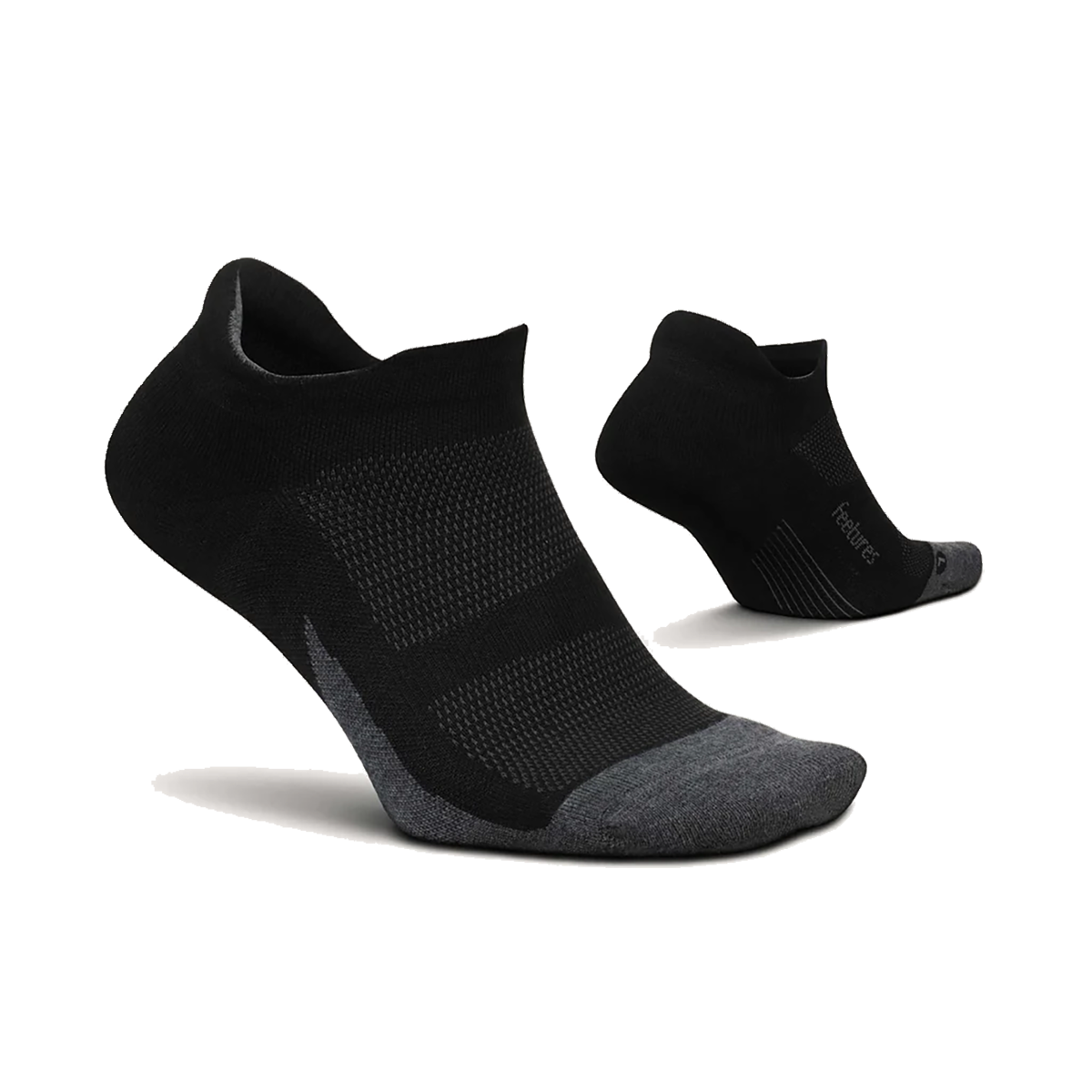
- Performance mini‑crew, light cushion: Feetures Elite Light Cushion Mini Crew gives targeted compression and a sleek feel when you prefer minimal bulk.
- Compression for recovery or travel: Feetures Graduated Compression (15–20 mmHg) supports circulation post‑run or on long flights/drives.
Quick comparison: Which sock for which run?
Use this decision matrix to match sock style to conditions and preferences.
| Option | Best For | Feel | Heat/Humidity Notes | Tradeoff |
|---|---|---|---|---|
| F2R High Cushion Socks 3pk | Everyday base miles; extra padding on concrete | Plush under heel/forefoot | Great when mornings are cool; may feel warm in peak summer | More cushion = slightly less “crisp” ground feel |
| Brooks Run‑In Crew 3‑Pack | Treadmill and mixed‑surface training | Lightweight with targeted cushion | Breathable mesh helps in humid gyms | Crew height adds fabric around the calf |
| On Core Run Sock Low 2P | Warm‑weather no‑show preference | Max cushion, low profile | Ventilated side panels for hot days | Less debris protection at the ankle |
| On Core Run Sock Mid 2P | Pre‑dawn/shoulder seasons | Comfort cushion with secure cuff | Reflective yarn adds visibility | A bit warmer than low‑cut options |
| Feetures Elite Light Cushion Mini Crew | Minimal bulk with support | Light cushion + targeted compression | Good in variable spring/fall conditions | Less padding for those who like plush |
| Feetures Graduated Compression | Post‑run recovery or travel days | Snug, supportive over‑the‑calf | Useful after hot races to encourage circulation | Compression feel not everyone prefers while running |
Simple recovery wins that actually stick
- Keep it easy: Finish runs able to say, “I could’ve gone longer.” Sprinkle walk breaks if form or breathing drifts.
- Compression windows: 30–90 minutes of light over‑the‑calf compression after longer easy days can feel great. The Feetures Graduated Compression pair is a convenient at‑home option.
- Micro‑mobility: 5 minutes of ankle circles, calf raises, and gentle hamstring glides right after you kick off your shoes.
- Hydrate based on weather: Hot and humid? Carry water on anything over ~45–60 minutes. Build your approach with Hydration Strategy by Weather.
- Fuel your long easy day: Start testing carbs now so your gut adapts calmly—see Long‑Run Fueling Math and this practical Fuel Testing Guide.
Sample 7‑day rhythm for Weeks 1–4
Adjust minutes to your current base and local climate. Keep most miles easy.
- Mon: 25–40 min easy + 5 min mobility.
- Tue: 30–45 min easy; choose a breathable pair like Brooks Run‑In Crew 3‑Pack if you’re on the treadmill.
- Wed: Off or 20–30 min brisk walk in light compression afterward.
- Thu: 25–40 min easy; swap to a low‑cut option such as On Core Run Sock Low 2P for warm afternoons.
- Fri: 20–30 min recovery jog or off. Gentle mobility.
- Sat: 40–70 min easy long run in a plush trainer like Brooks Glycerin Flex (men’s) or Brooks Glycerin Flex (women’s).
- Sun: 30–45 min easy run or cross‑train.
Stretch savings further (optional)
If you’re stacking gear for the season, an annual membership can help you save across the build. Learn about perks with Club Membership. Low pressure, steady wins. 💪
Frequently Asked Questions
Do I need a stability shoe in the base phase?
Choose stability only if you’ve benefited from it before or if a gait analysis indicates you need it. Otherwise, a neutral, cushioned daily trainer works well for most runners during easy mileage. Comfort and repeatability matter most right now.
How many pairs of socks should I rotate in Weeks 1–4?
Three to five pairs usually cover a week of training without laundry stress. Mix heights: a cushioned everyday pair, a breathable crew or mini‑crew, and one low‑cut option for warm days. Consider one recovery‑focused compression pair for post‑run comfort.
What if my toes feel tight on longer easy runs?
First, ensure a thumb’s width of shoe length and adequate toe‑box width. If you’re consistently rubbing at the forefoot, review fit tips in Wide/Narrow Fit for Marathon Volume and try a thinner, anatomical sock like Feetures Elite Light Cushion Mini Crew.
When should I start tempo or interval work?
After Week 4 if you’re healthy and consistent. Transition with short pickups or strides, then move into structured work as outlined in Build Phase (Weeks 5–10).
Next steps
- Level up your training block with the Build Phase (Weeks 5–10).
- Plan your rotation for long runs and race day with Marathon Shoe Rotation and later compare Carbon vs Non‑Carbon on Race Day.
- Dial fueling and hydration now so it’s automatic later: Long‑Run Fueling Math, the hands‑on Fuel Testing Guide, and Hydration Strategy by Weather.