


Hot spots happen when heat, moisture, and friction build up at pressure points—usually the ball of the foot, toes, or heel. The fix isn’t just “more cushion.” You need airflow to keep skin cool and dry and just enough structure to keep your foot from sliding and rubbing. Here’s how to get that balance right for daily miles, long runs, and warm, humid climates like Gulf Coast summers.
Why shoes create hot spots
Three culprits tend to team up:
- Heat: Dense uppers and thick, non-breathable socks trap warmth.
- Moisture: Sweat softens skin, increasing friction and blister risk.
- Motion: If your foot slides inside the shoe, micro-rubs add up over miles.
The goal: pair breathable materials with secure lockdown so your foot doesn’t move excessively—even as temps rise.
Where breathability and structure come from
- Upper fabric: Engineered meshes move air well; tighter weaves or woven uppers add shape and durability.
- Overlays & sidewalls: Targeted reinforcements hold the midfoot and heel without covering the whole shoe.
- Tongue & collar: A padded collar and secure, sometimes gusseted, tongue reduce slippage and lace bite.
- Lacing pattern: Runner’s loop, skipping an eyelet, or re-centering pressure can erase hot spots in minutes.
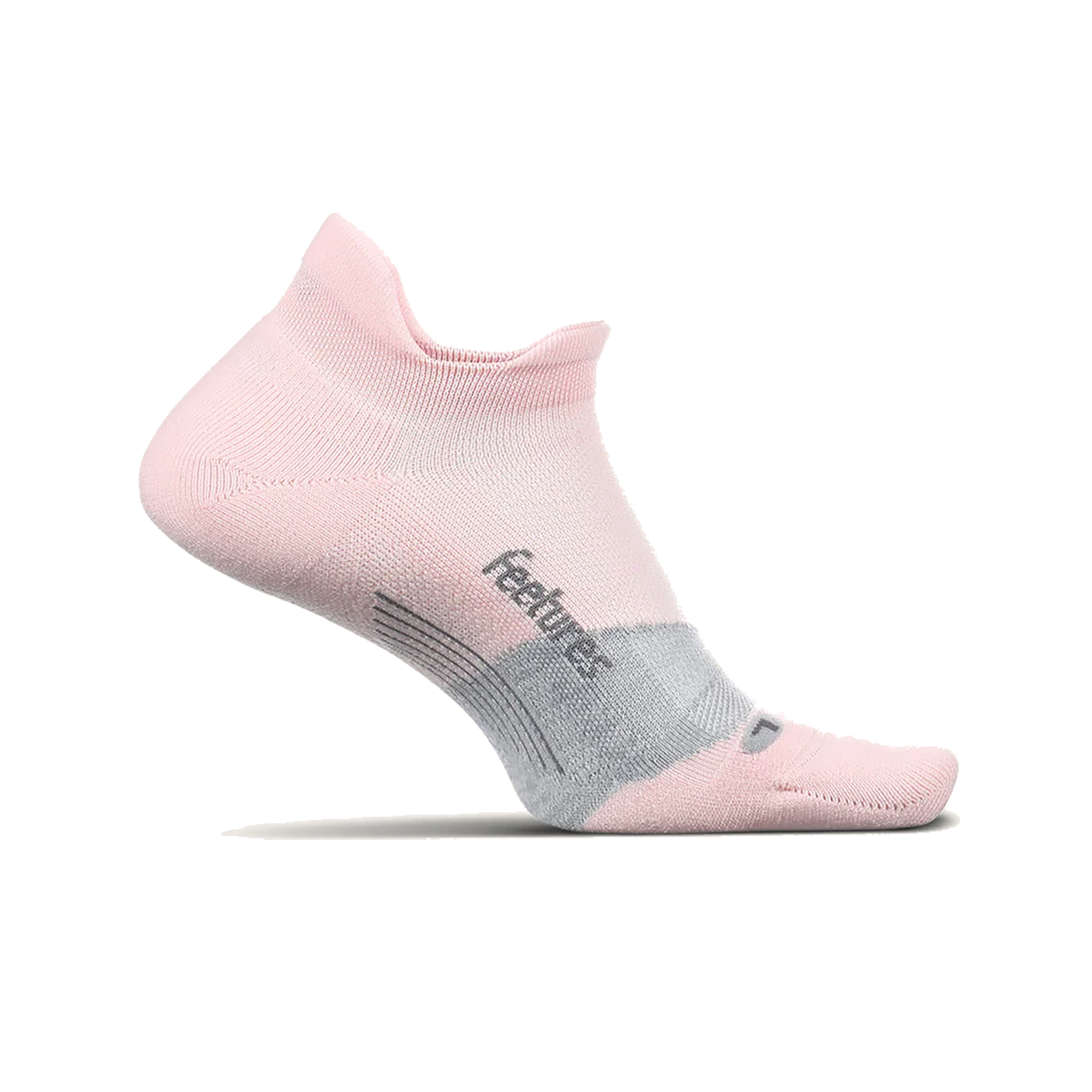
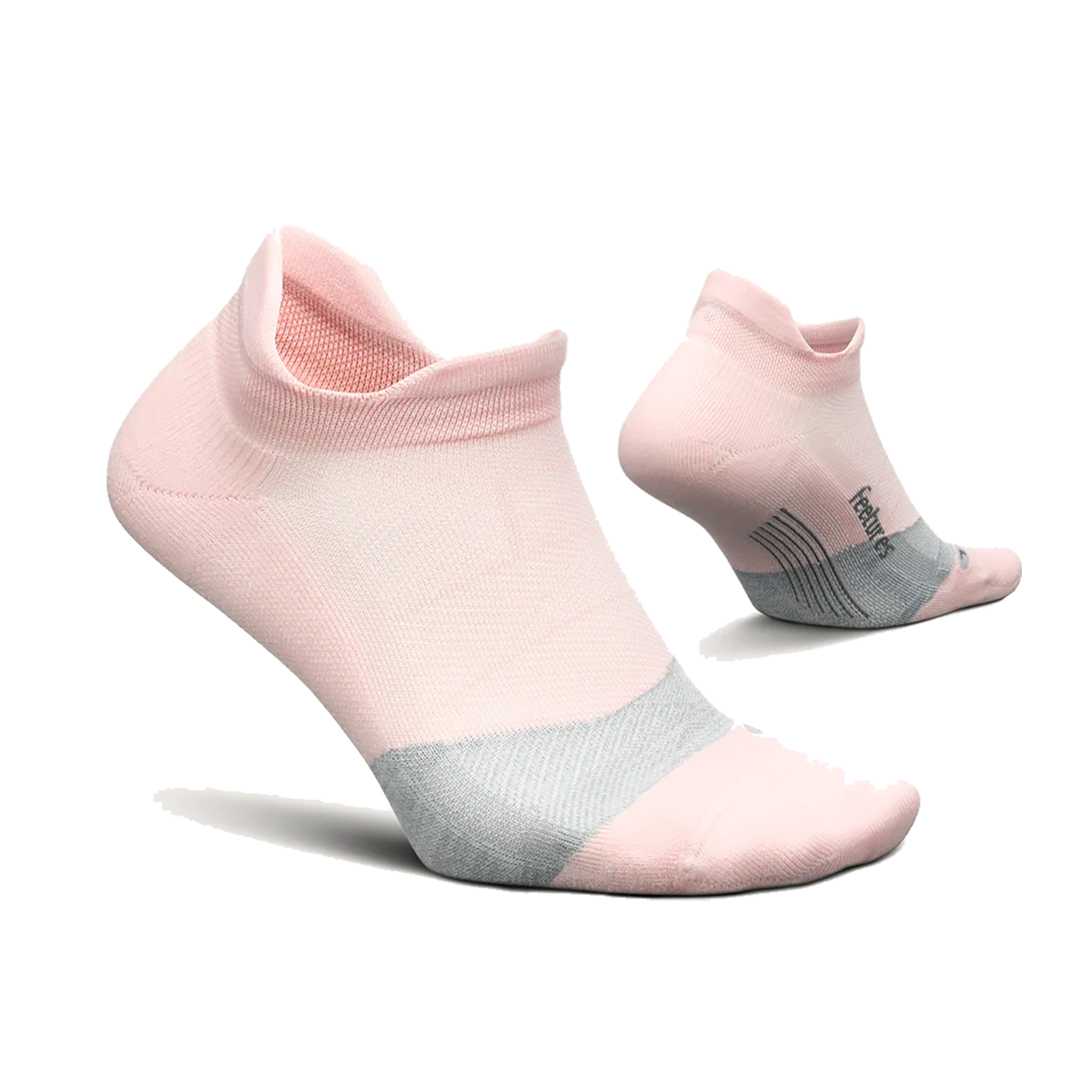
- Socks & insoles: Moisture-wicking yarns and a supportive insole fine-tune fit and cut down shear.
Quick picks by priority
If you want maximum airflow with balanced hold for hot, sticky runs, a high-cushion daily trainer with a breathable mesh upper is a strong match. The On Cloudsurfer Max men’s and women’s combine an airy engineered mesh with plush collar padding to keep feet comfortable while maintaining a steady platform.
If you need more guidance without overheating, a stability trainer that blends support features with a breathable upper is a smart upgrade. Nike Structure 26 men’s pairs a supportive platform with a breathable engineered mesh and padded collar for secure midfoot hold during everyday miles.
Looking for maximum hold for flat arches, heavier runners, or long days on your feet? Brooks Beast GTS 26 men’s offers robust guidance and an updated, more breathable upper compared with prior versions.
Decision matrix: add hold without adding heat
Use this table to choose the smallest, coolest change that solves your hot spot.
| Option | How it improves hold | Heat impact | Best when… | Try this |
|---|---|---|---|---|
| Breathable daily trainer | Engineered mesh with padded collar stabilizes heel/midfoot | Low | You want cooler miles in humid weather | Cloudsurfer Max men’s or Cloudsurfer Max women’s |
| Guided stability shoe | Supportive sidewalls/midfoot system reduce in-shoe motion | Low–Medium | Overpronation or late-run form fatigue causes rubbing | Nike Structure 26 men’s |
| Maximum-support platform | Broader base + guidance tech tame excess movement | Medium | You need pronounced control and a roomy, secure fit | Brooks Beast GTS 26 men’s |
| Fit-tuning insole | Fills volume, supports arch to cut shear at forefoot/heel | Low | Shoe feels a touch roomy or your arch collapses when tired | Currex RunPro Medium Arch |
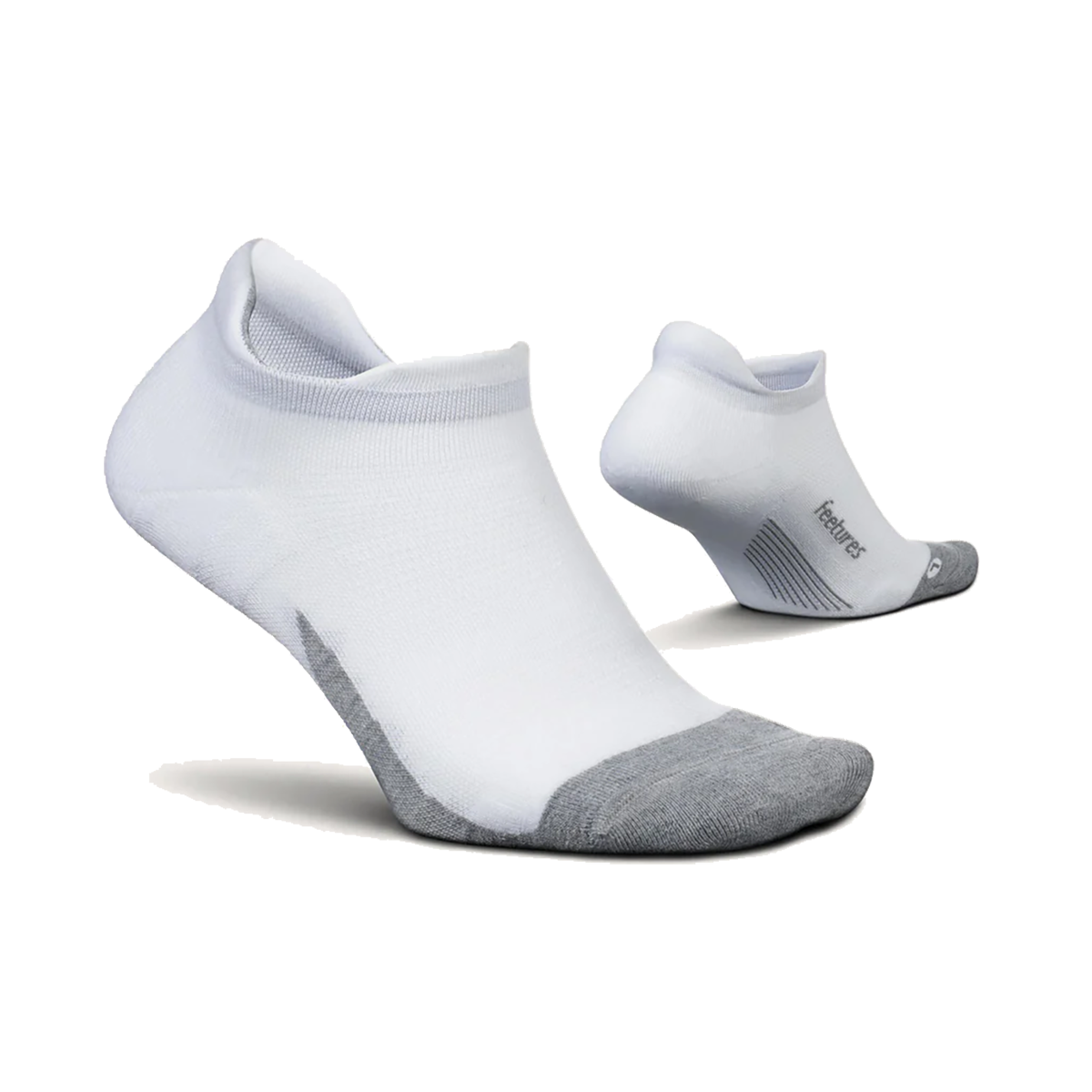
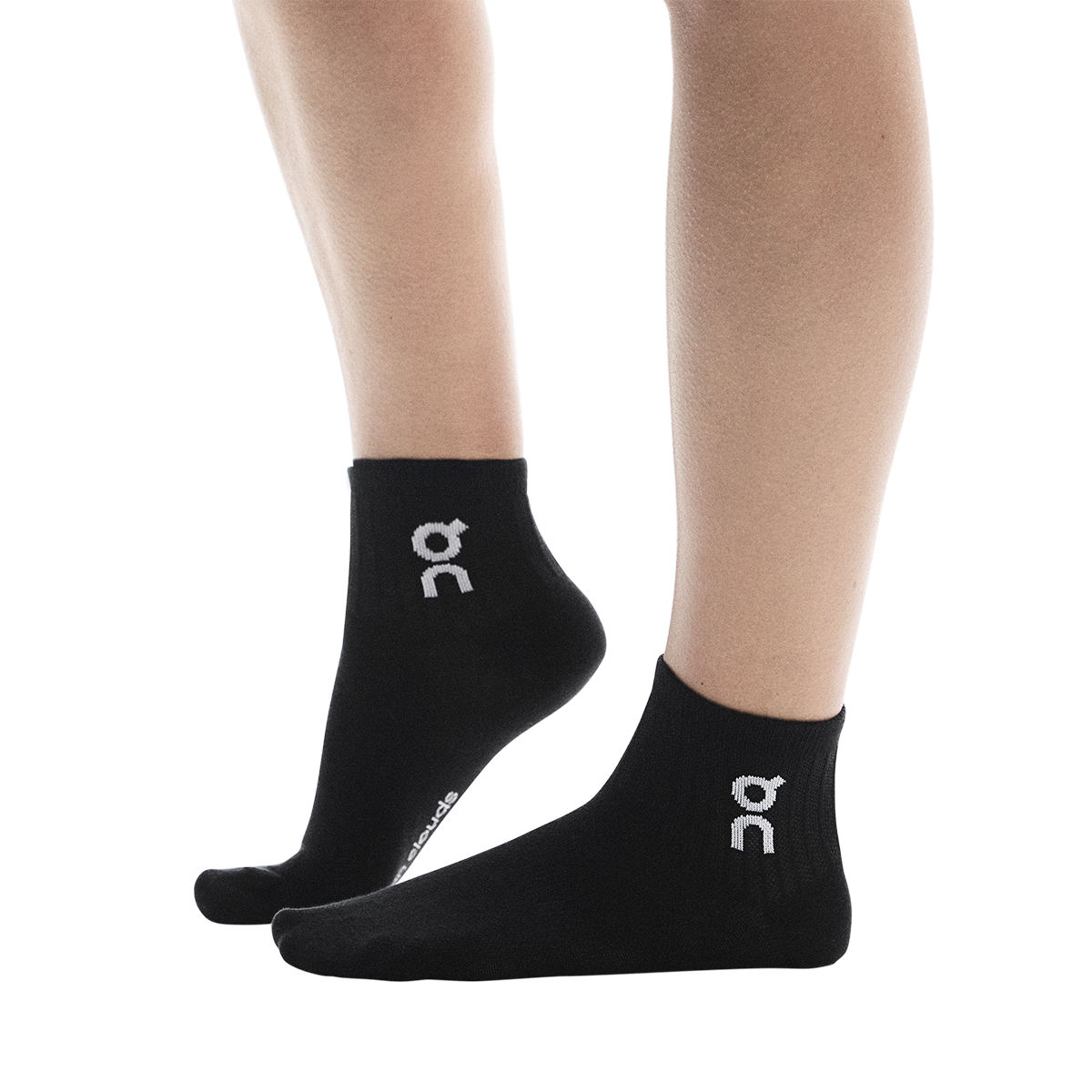
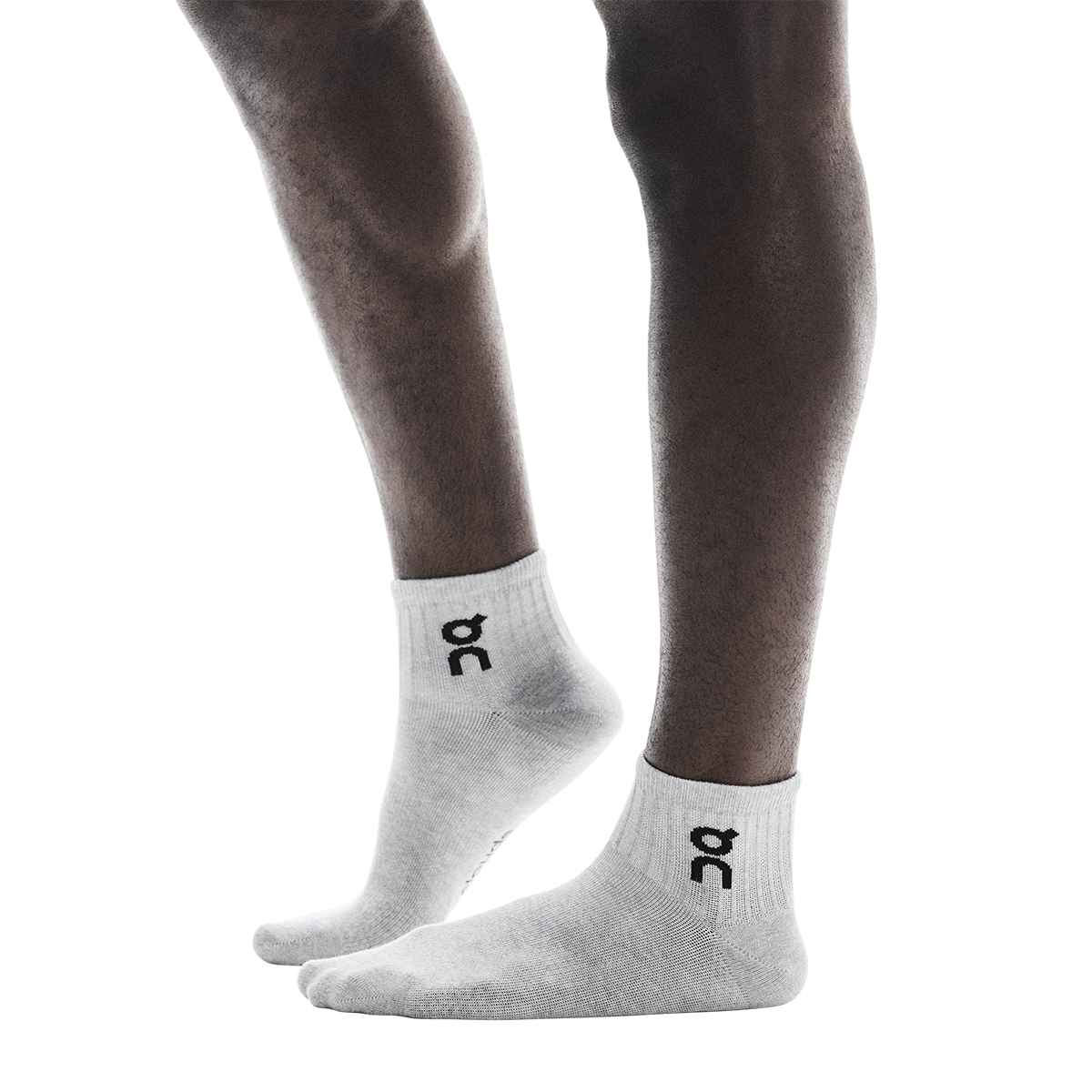
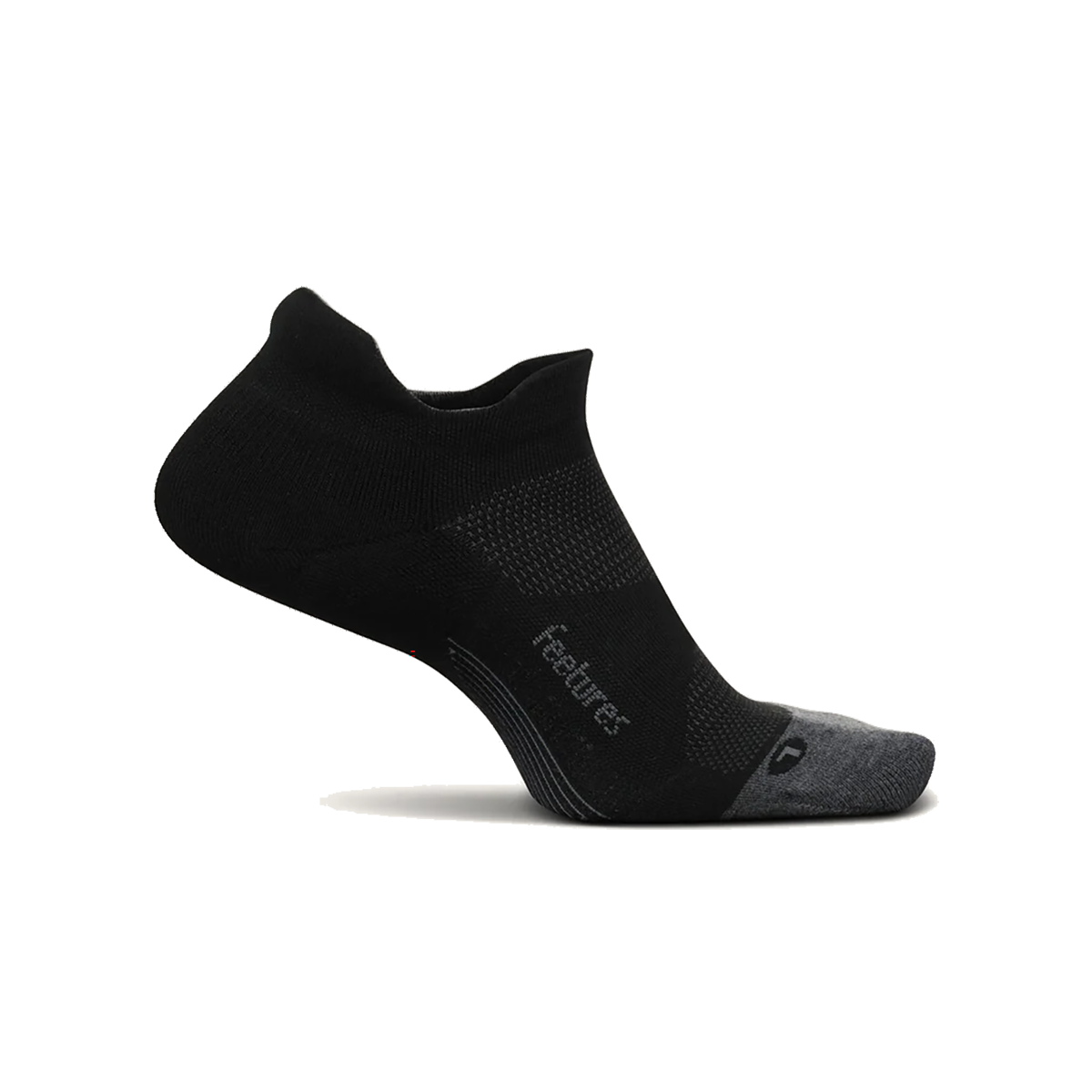
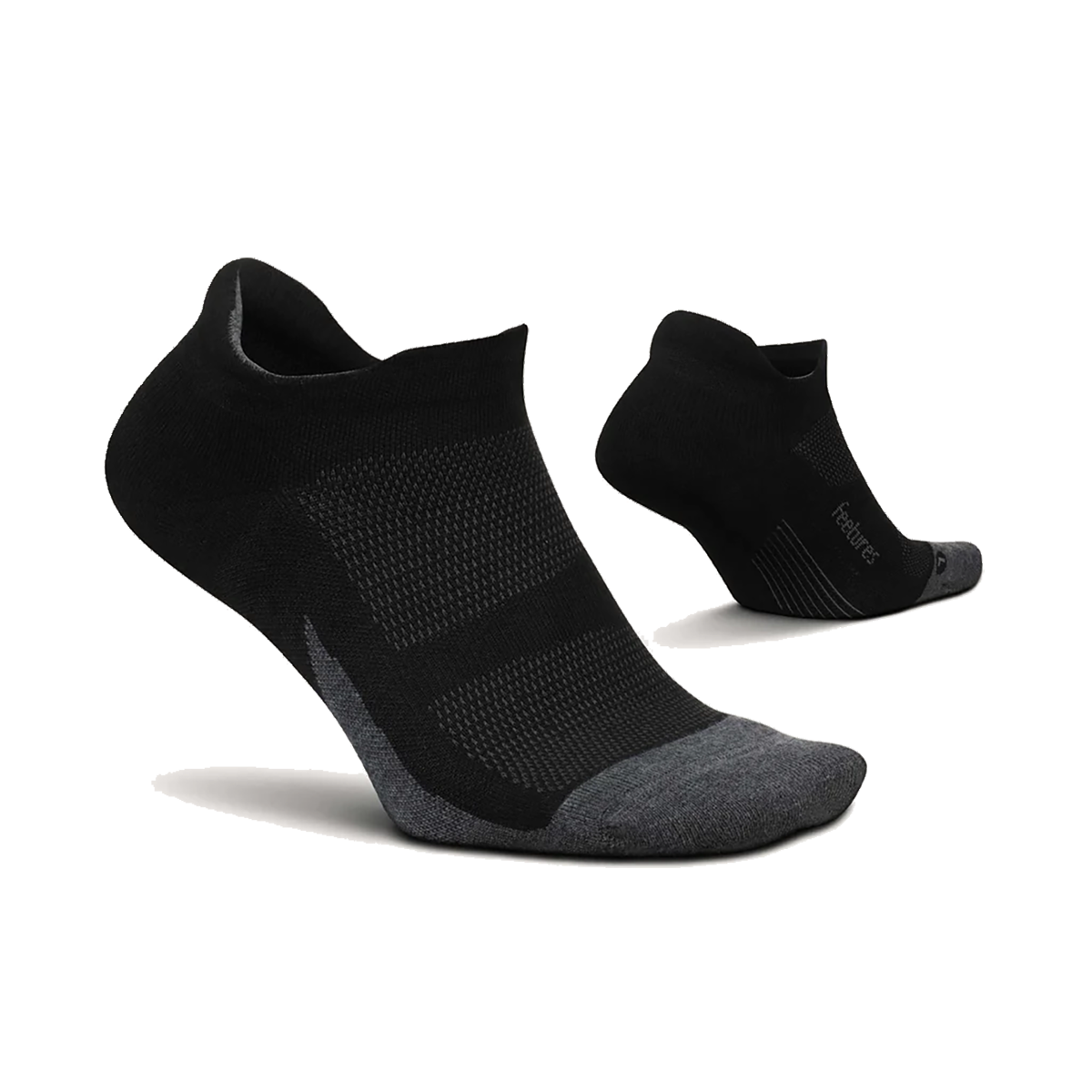
| Moisture-wicking socks | Wicks sweat; snug arch band reduces fabric bunching | Low | Hot spots from sweat and micro-slippage | On Performance Run Sock Low or Mid |
Fit and lacing tips to stop hot spots fast
- Check toe box volume: You want wiggle room without sliding forward on downhills. Learn how last shape and toe box height affect feel in How Anatomy Affects Fit & Sizing.
- Use the runner’s loop: Create a lace lock at the top eyelets to boost heel hold without cranking midfoot pressure.
- Relieve pressure with eyelet skips: If a hot spot sits under an eyelet, skip it to spread tension elsewhere.
- Match shoe shape to your stride: Rocker and drop influence where you load pressure. See Drop, Rocker, and Calf Load for how geometry shifts stress.
- Don’t fight your insole: If you use orthotics or insoles, make sure they complement your shoe’s support instead of doubling it. Start with the stock insole removed and read Insoles & Orthotics: When to Swap, Stack, or Skip.
Humidity playbook for U.S. summers
- Favor airy uppers: Lightweight engineered mesh with padded but not bulky collars runs cooler on steamy morning miles. Shoes like the Cloudsurfer Max keep airflow high yet feel secure for daily training.
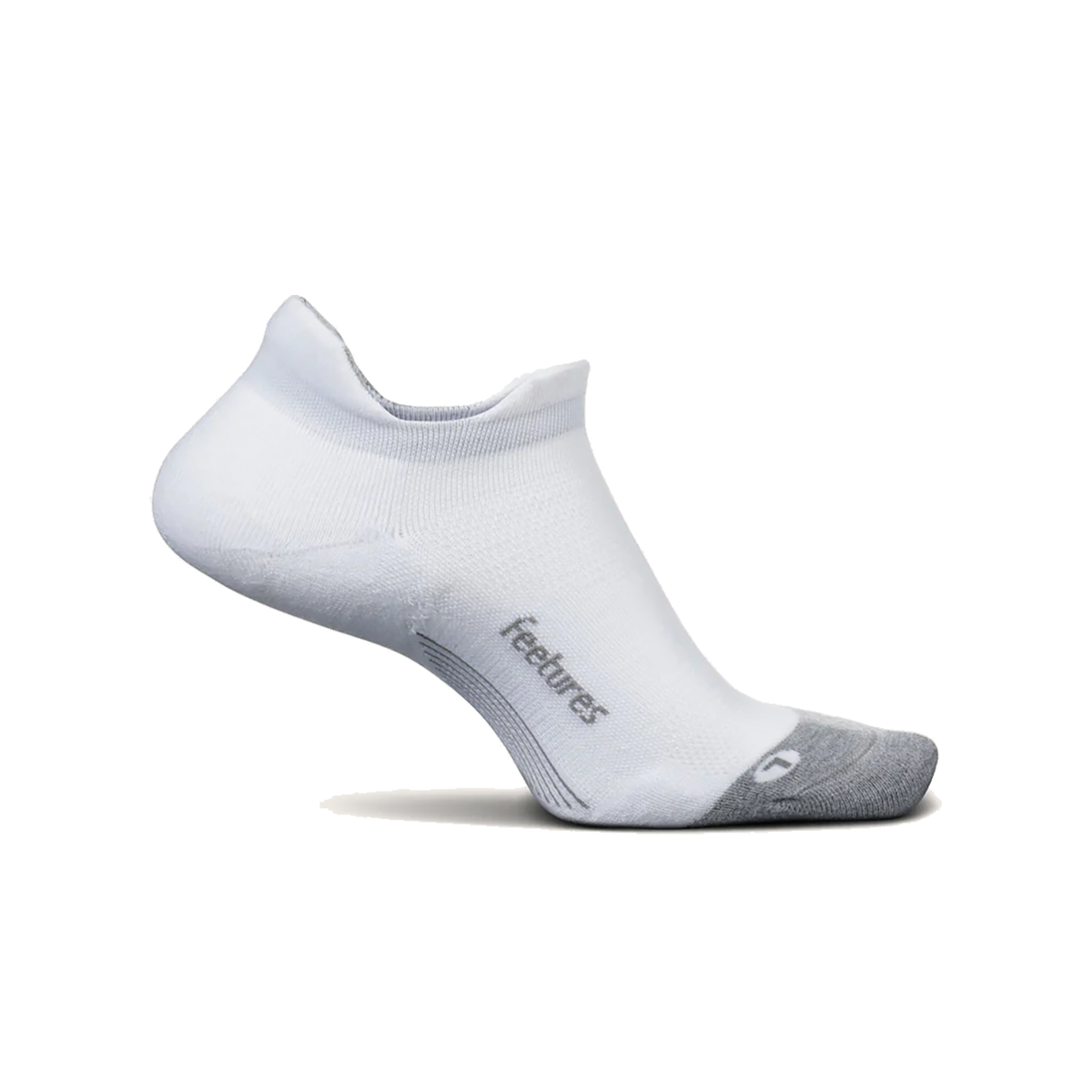
- Rotate socks by distance: For short, hot efforts pick low-cut, ultralight socks; for long runs, mid-cut with a snug arch band can reduce heel rub. The On Performance Run Sock Mid adds breathable mesh and targeted cushioning to prevent hot spots without bulk.
- Mind late-run form: If your stride collapses when tired, extra guidance (e.g., Structure 26) keeps motion in check so friction doesn’t spike at mile 8+.
Frequently Asked Questions
Does more breathable always mean less supportive?
Not necessarily. Many modern uppers use engineered mesh for airflow plus targeted overlays and padded heel collars for hold. The Cloudsurfer Max, for example, balances a breathable mesh upper with a stable platform for everyday miles.
Will a supportive insole make my shoes feel hotter?
Quality insoles use perforations and moisture-wicking top covers, so most runners won’t notice added heat. They can actually reduce hot spots by filling extra volume and controlling arch collapse that causes shear. See the Currex RunPro Medium Arch for an example of adaptive support.
How tight should my laces be to avoid hot spots?
Snug enough to stop heel slip and side-to-side movement, but not so tight that you feel pressure points. Use a runner’s loop at the top for heel hold and skip an eyelet directly over any irritated spot to spread tension.
Are taller socks hotter?
Height alone doesn’t dictate warmth. Fabric, mesh zones, and fit matter more. A mid-cut, breathable sock with an arch band can run cooler than a low-cut sock that bunches. The On Performance Run Sock Low and Mid both use ultralight mesh to keep feet cool.
Next steps
- Match shoe geometry to your stride with Drop, Rocker, and Calf Load.
- Dial fit and toe room with How Anatomy Affects Fit & Sizing.
- Fine-tune support using Insoles & Orthotics, then re-test your lacing on a short shakeout.
You’ve got this—cooler, calmer feet and confident lockdown are absolutely compatible. Try one change at a time, keep the miles steady, and enjoy the difference on your next run. 🏃♀️🔥💨