


Your stride stays yours, but the surface under it changes how every shoe feels. Road, treadmill, and track running each load foam, rubber, and geometry a little differently. The right pair for each surface can make easy days easier, workouts snappier, and race rehearsals more confidence‑building. Here’s how to choose—with clear criteria, a quick comparison table, and a few Fit2Run picks to try on. You’ve got this! 🏃♀️🏃♂️
Quick differences by surface
- Road: Needs durable rubber for abrasion, smooth transitions, and balanced cushioning that handles cambered streets and stop‑and‑go turns.
- Treadmill: Belt grip is predictable, so you can favor softer foam and a smooth rocker for rhythm; heat buildup and repetitive loading mean breathable uppers and consistent geometry matter.
- Track: Rubberized tracks reward lighter, stiffer shoes that turn over fast. Spikes may be required for racing; for workouts, many runners prefer lightweight flats or plated racers to protect calves while keeping pop.
Decision matrix: match shoe type to the run
Use this compact table to compare what works best on roads, treadmills, and tracks.
| Use case | Typical cushioning & geometry | Outsole & grip | Best at | Tradeoffs |
|---|---|---|---|---|
| Road daily miles | Moderate to high stack for protection; gentle rocker; neutral or light stability | Durable rubber coverage with flex grooves for smooth roll | Commutes, long easy runs, mixed city routes | Heavier than workout shoes; not as snappy at pace |
| Treadmill base work | Softer midsoles feel great on repetitive belts; smooth rocker helps cadence | Less aggressive rubber needed; prioritize quiet, smooth contact | Winter training, humid‑day indoor runs, controlled HR sessions | Softest foams can feel mushy outdoors if you prefer ground feel |
| Track workouts (no spikes) | Lower mass, slightly firmer or plated for snap; stable landings for curves | Minimal rubber; tacky contact patch is enough | Intervals, strides, race‑pace work | Less cushioning for long runs; can fatigue calves if very low drop |
| Road speed & race efforts | Super‑foam + plate or lively responsive foam; pronounced rocker | Strategic rubber to save weight while gripping painted lines | Tempo, threshold, race rehearsals | Price and durability tradeoffs; not ideal for daily recovery |
How surface changes feel and wear
Road: abrasion, camber, and cornering
- Abrasion: Pavement chews outsole rubber. Look for coverage at the heel and forefoot strike zones if you log most miles outside.
- Camber and turns: A stable base and secure upper reduce foot slide when streets tilt or routes zig‑zag.
- Weather: In wet or gritty city conditions (hello, Seattle or Boston), slightly tackier rubber compounds improve confidence.
Treadmill: rhythm and heat
- Predictable grip: Because belt friction is consistent, softer foams and rockered shapes can shine without needing aggressive lugs.
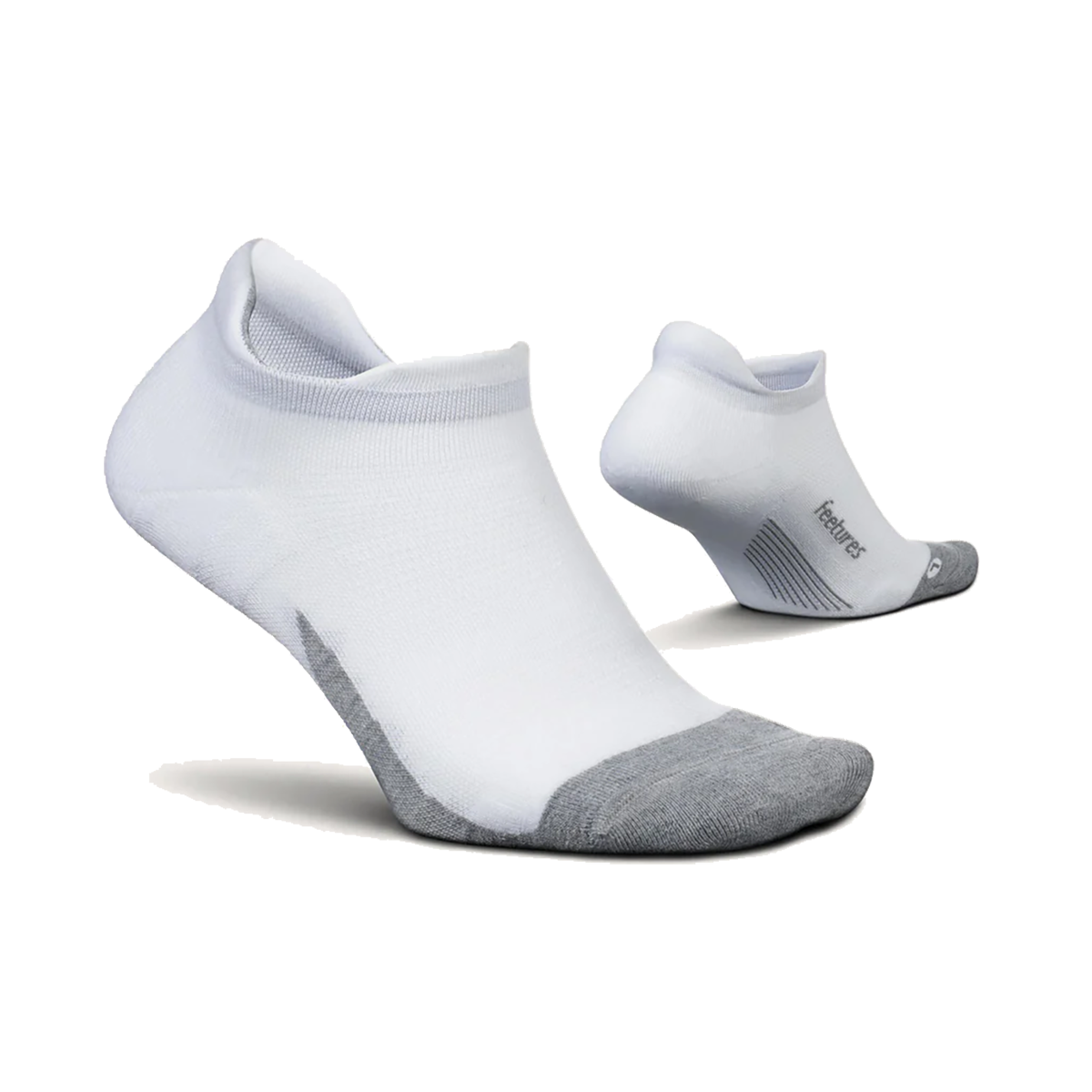
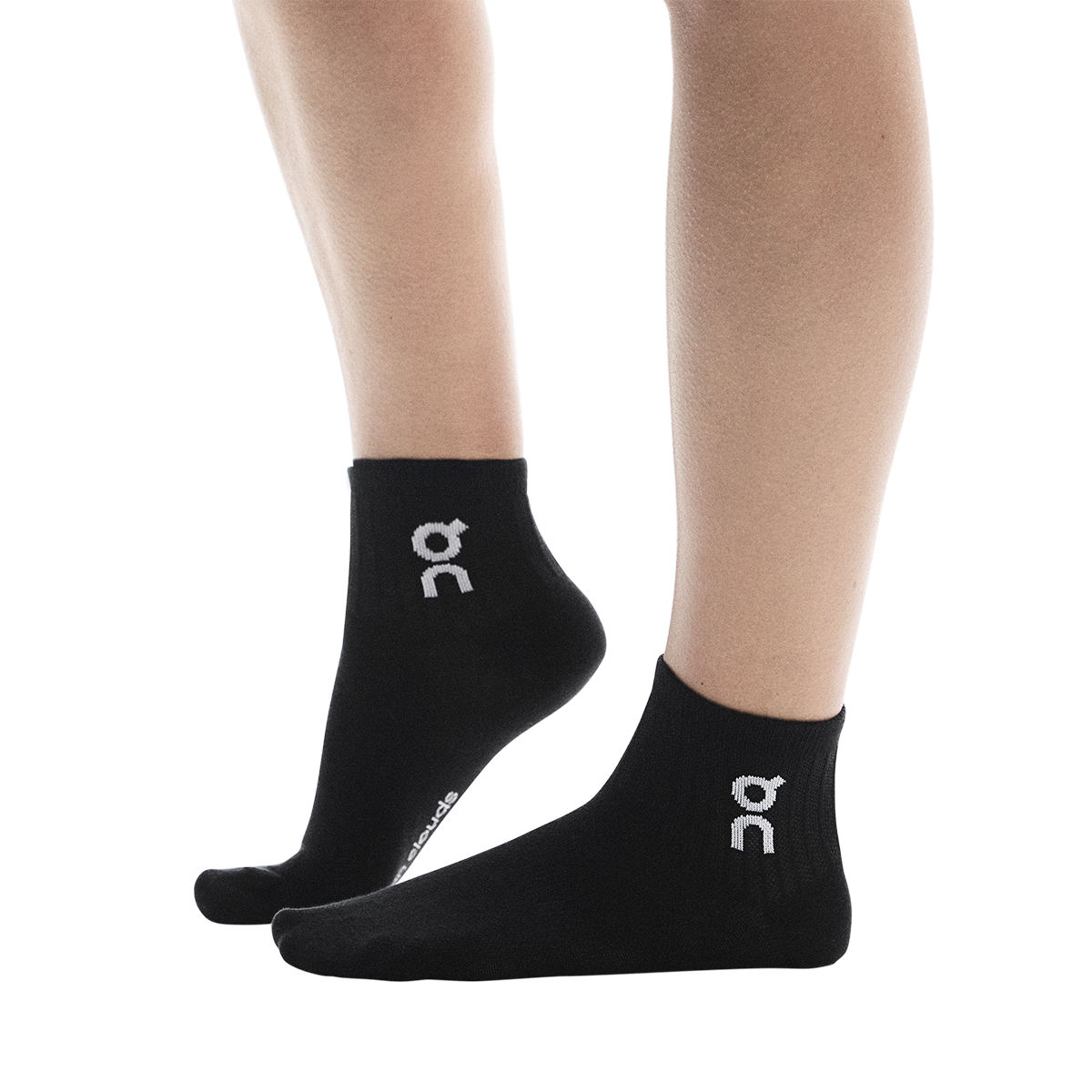
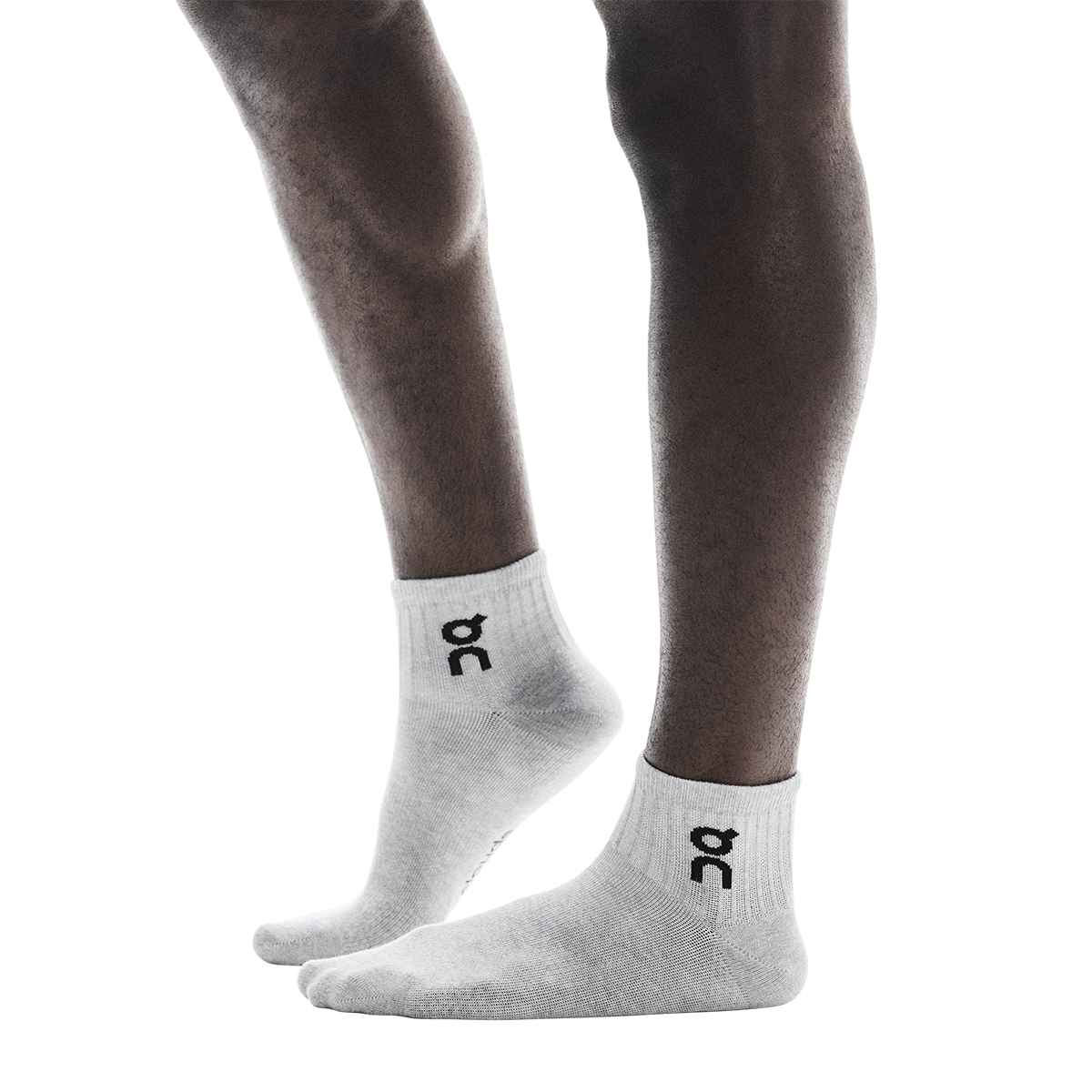
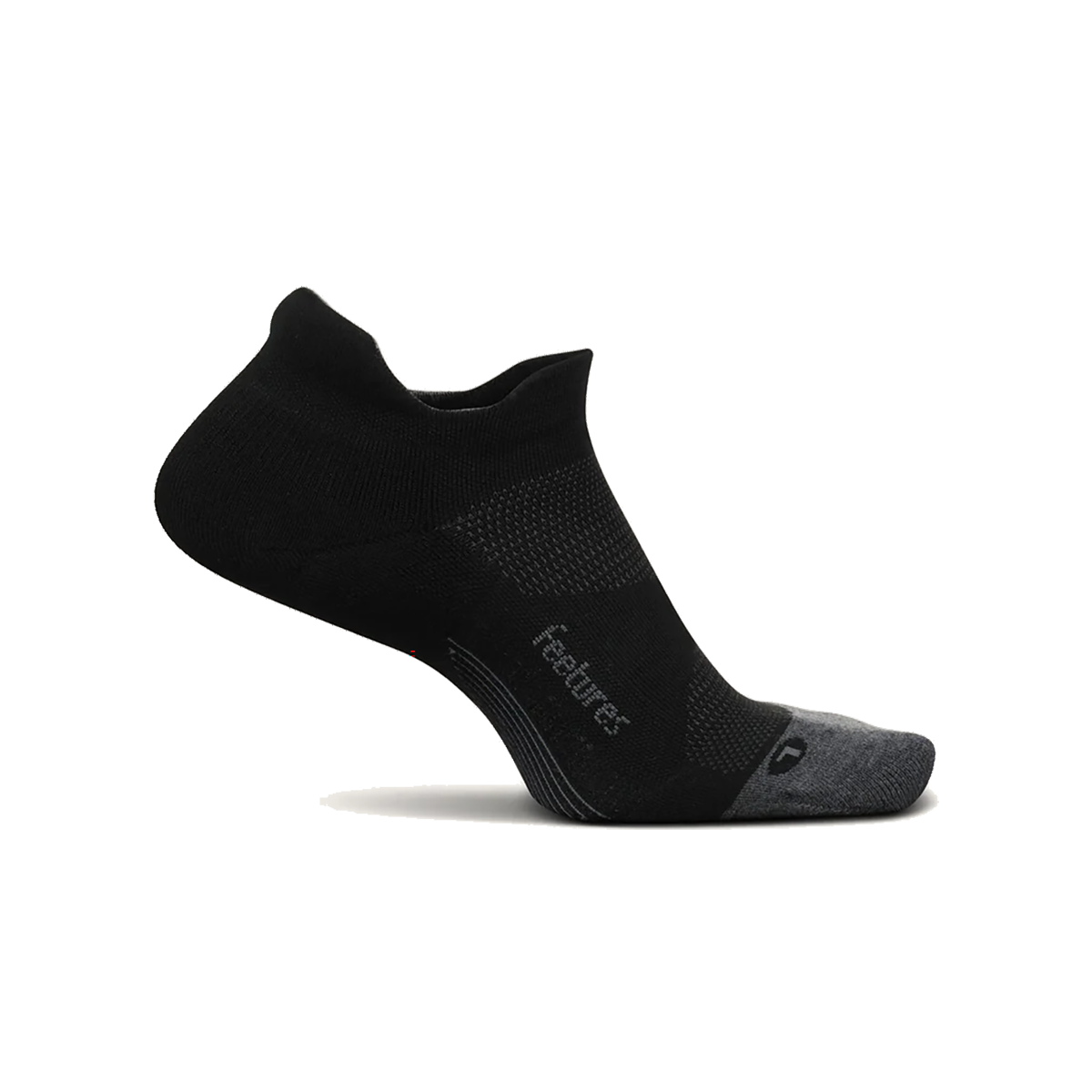
- Heat management: Gyms run warm. Light, breathable uppers and moisture‑wicking socks help prevent hot spots on longer indoor sessions.
- Repetition: Identical footfalls add up. Consistent geometry (drop and rocker) and a plush insole can make easy aerobic blocks feel noticeably better.
Track: turnover and control
- Curves count: A secure midfoot and planted forefoot keep you confident through bends, especially in lane one.
- Pop without punishment: For workouts, many runners choose a lightweight flat or plated trainer to protect calves more than spikes do while keeping snap for fast 200–1600m reps.
- Rules vary: High‑school and collegiate races often require spikes; community tracks may restrict metal pins. Check venue rules before showing up in spikes.
Product picks by training goal
Below are situational suggestions based on cushioning feel, stability, weight, and outsole design. Choose the option that fits your primary surface and weekly plan.
- Comfortable road daily trainer: Brooks Glycerin Flex (Women’s) offers plush foam and a smooth transition that soaks up urban miles without feeling swampy on warm U.S. afternoons. If you prefer a men’s fit, look for the same qualities: soft midsole, durable rubber, and a breathable mesh.
- Stable treadmill miles: On Cloudrunner 2 (Men’s) provides guided cushioning and confident foot hold—great when belt repetitions add up and you want steady form late in the run.
- Soft, flowy indoor strides: On Cloudsurfer Next (Women’s) delivers a buttery rocker that helps you lock into cadence on the belt without overthinking mechanics.
- Versatile daily-to-workout road trainer: On Cloudsurfer 3 (Men’s) balances lively cushioning with enough rubber for outdoor durability—handy if your week mixes treadmill recovery and outdoor tempos.
- Track or road interval days without spikes: Adidas Adizero EVO SL Woven (Men’s) is light and quick underfoot, ideal for fast reps where you want turnover without a harsh, super‑stiff plate.
- Race‑pace rehearsals and road 5K–half efforts: Diadora Gara Carbon 2 (Unisex) pairs energetic foam with a plate for propulsive efforts—excellent for track tempo blocks or road races when you’re aiming for efficiency.
Want help organizing which shoe does what across your week? See Daily Trainers, Long Runs, and Speed Days: What Each Shoe Type Is Built To Do and the high‑level map in Match Your Run’s Purpose to the Right Shoe. For balancing comfort days with workout pop, also visit Recovery Runs vs Workouts: How to Choose Comfort vs Pop.
Fit, sizing, and setup tips
- Toe room: Leave roughly a thumb’s width in front of your longest toe for descents (road hills, track curves) and swelling on long runs.
- Lockdown: For tracks and faster road days, a snug midfoot with no heel lift helps you corner confidently. Try runner’s‑loop lacing if needed.
- Drop and calves: Lower drops can feel quick but load calves more—especially noticeable on tracks. If your calves get tuggy, choose a moderate drop or a shoe with a supportive rocker.
- Rotation strategy: Use a cushioned trainer for easy/recovery, a livelier shoe for workouts, and save plated racers for race‑pace efforts. Rotating changes loading patterns and can help shoes last longer.
Regional notes across the U.S.
- Hot and humid (Florida, Gulf Coast): Favor breathable uppers and moisture‑wicking socks for indoor sessions. Softer foams feel great when heat makes pavement feel sticky.
- Wet seasons (Seattle, Northeast): A touch more outsole rubber helps on painted lines and damp sidewalks. Dry your shoes between runs to preserve foam resilience.
- High altitude (Denver, Rockies): Tracks can feel extra springy—consider a slightly more cushioned workout shoe to keep calves happy while you build turnover.
Frequently Asked Questions
Can one shoe cover road, treadmill, and track?
If you run 2–3 times a week at easy paces, a single comfortable daily trainer can cover everything. As volume or speed work grows, most runners benefit from a two‑shoe rotation: a cushioned trainer for easy days and a lighter, snappier shoe for workouts or track.
Do treadmills wear shoes differently?
Yes—abrasion is lower but repetition is higher. You’ll often see less outsole wear yet feel the midsole compress sooner. If most of your miles are on the belt, choose resilient foams and a breathable upper.
Do I need spikes for track workouts?
No. Spikes are helpful for racing or very fast reps, but many athletes prefer lightweight flats or plated trainers for workouts to protect calves and keep turnover high without aggressive pins.
What heel‑to‑toe drop works best indoors?
Moderate drops (about 6–10 mm) feel natural for many runners on the belt and reduce calf strain during longer steady sessions. If you love very low drop, add calf strength and progress gradually.
Next steps
Pick the surface you’ll run most this month, choose one shoe that fits that primary need, then add a second option if you’re introducing speed. If you want a personalized plan, bring your current pair and mileage notes into a Fit2Run store—we’ll help you try models side by side and fine‑tune the feel for your goals.