


Match Your Run’s Purpose to the Right Shoe

Road, Treadmill, and Track: Why Dedicated Running Shoes Differ
Road, treadmill, and track reward different shoes. Learn what changes, how to choose, and which models are worth a look—so every run feels built for its surface.
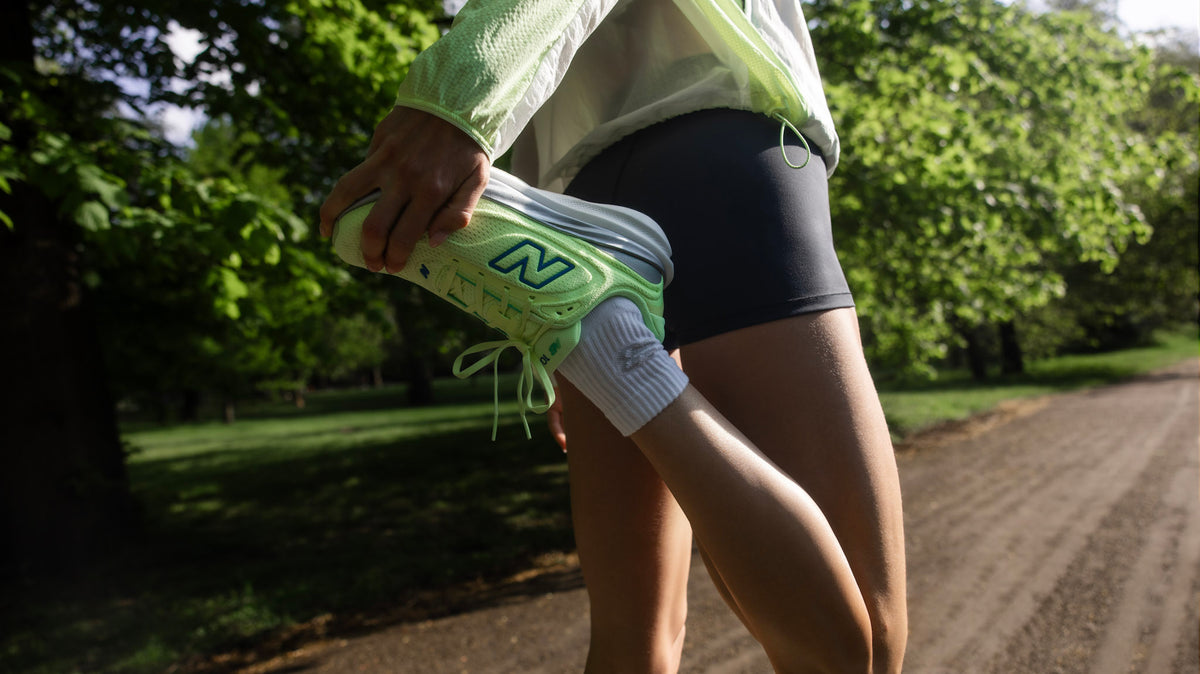
Beginner to 5K: The Minimum Shoe You Need to Start Safely
You don’t need a wall of sneakers to train for your first 5K. Here’s the minimum shoe tech to start safely—fit, support, and cushioning—plus beginner‑friendly picks from Fit2Run and a quick decision matrix.
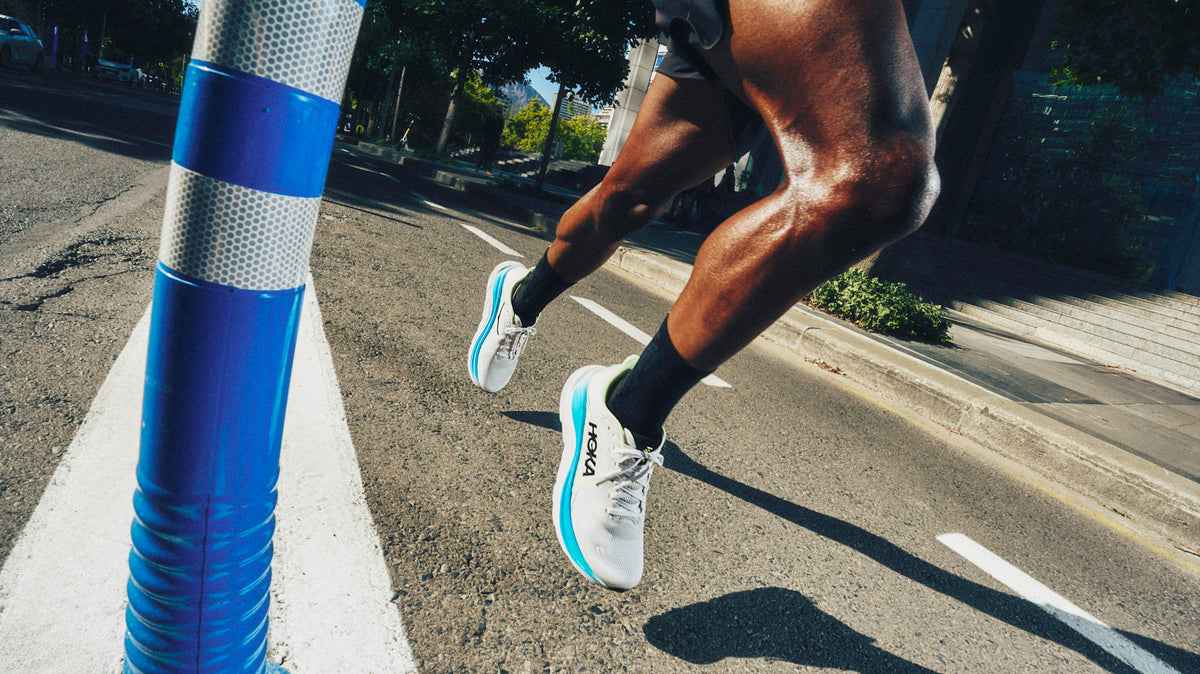
Match Your Run’s Purpose to the Right Shoe
Turn every run into the right workout by pairing your purpose—daily miles, long runs, speed, and recovery—with the shoe that makes it feel right. Fit2Run’s expert guide explains how to choose, compare, and rotate with confidence.

Recovery Runs vs Workouts: How to Choose Comfort vs Pop
Choose comfort for recovery days and pop for workout days. Learn the anatomy cues that create each feel, build a simple two-shoe rotation, and see examples to keep every run on target—easy miles refreshed, fast days fast.
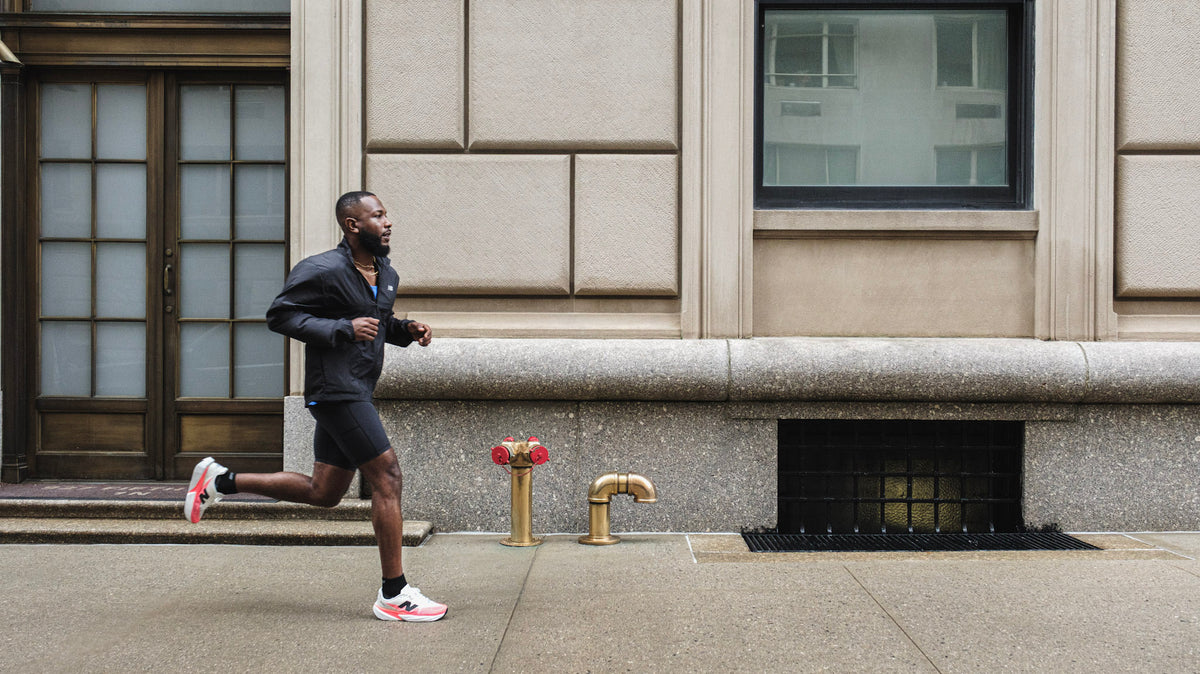
Daily Trainers, Long Runs, and Speed Days: What Each Shoe Type Is Built To Do
Pick the right shoe for the day’s goal. Learn how daily trainers, long‑run shoes, and speed‑day racers differ—and see expert Fit2Run picks to build a simple, effective rotation.