


You’ve likely felt the difference: one shoe makes the road melt away on easy days, another snaps you forward when you pick up the pace. That’s the heart of max cushion vs responsive. This guide breaks down how stack height, durometer (foam firmness), and energy return shape that ride—and helps you pick confident winners for recovery miles, daily training, and race day. Let’s get you moving comfortably and efficiently. 🏃♀️💨
Max Cushion vs Responsive: What do these terms really mean?
Max cushion shoes use higher stack heights and typically softer midsoles to lower impact and keep legs fresher on long or easy runs. They feel plush, often with a gentle rocker to roll you forward at relaxed paces.
Responsive shoes feel springy and quick. They may use firmer foams or energy-returning superfoams, sometimes paired with a plate, to translate your force into forward motion—great for tempos, intervals, and races.
The three levers that shape ride
1) Stack height: how much foam sits underfoot
More stack height spreads impact over time for a softer landing and less muscle vibration—ideal when you want protection and reduced fatigue. Lower stacks put you closer to the ground for better feedback and agility, often preferred when you need precision or speed changes.
2) Durometer: how firm the foam feels
Durometer is the foam’s hardness. Softer feels plush and forgiving; firmer feels snappy and stable. Brands tune firmness by foam chemistry and by layering different compounds in the midsole.
3) Energy return: how much bounce you get back
Energy return depends on foam chemistry (traditional EVA vs modern blends), geometry (rocker, sidewalls), and plates. Superfoams can feel both cushioned and propulsive, but the sensation varies—from a gentle roll to a sharp “pop.”
How those levers change your run
- Recovery & easy mileage: Higher stacks and softer durometer reduce loading rates and help your calves and quads feel fresher the next day.
- Daily training: Balanced stacks with medium firmness deliver stability, durability, and a smooth transition for mixed paces.
- Tempo & intervals: Lighter shoes with springy foams and/or plates return more energy to maintain fast turnover.
- Race day: Max energy return and efficient geometry help you hold pace longer with fewer muscular costs.
Decision matrix: pick the ride you want
Use this quick matrix to narrow your choice based on feel and purpose.
| Ride target | Typical stack | Foam feel (durometer) | Energy return feel | Best use |
|---|---|---|---|---|
| Max cushion comfort | High | Softer to medium-soft | Gentle rebound, smooth roll | Recovery, easy, long runs |
| Balanced daily trainer | Medium to high | Medium | Moderate snap | Daily miles, mixed paces |
| Responsive speed | Medium to high (lightweight) | Medium-firm with superfoam and/or plate | Pronounced bounce or “pop” | Tempo, intervals, race day |
Fit2Run examples by goal
Plush protection for easy and long days
- Max-cushioned stability with rebound: On Cloudrunner 3 Max (women) pairs dual-layer CloudTec cushioning with a supportive platform, delivering soft landings and confident guidance for everyday miles and walks. If you want comfort plus subtle structure, this is a strong match.
- High-stack, smooth rocker: ASICS GlideRide Max 2 (men) uses a tall stack with a gentle rocker to keep transitions easy on long runs and recovery days, with a 6 mm drop for a natural roll.
- Soft, consistent daily comfort: ASICS Gel‑Cumulus 27 ATC (women) offers a smooth, balanced ride that many runners love for dependable comfort across varied routes and light mixed surfaces.
Balanced and versatile for most training
- Cushioned yet controlled: Brooks Glycerin Flex (men) is built for all-day comfort with a plush underfoot feel and adaptable upper, making it a reliable choice for steady daily miles when you want cushion without losing stability.
- Comfort-first daily mileage: Brooks Glycerin Flex (women) delivers soft landings and a secure fit for routine training or long days on your feet.
Responsive and fast for workouts and races
- High energy return + plate propulsion: On Cloudboom Max (men) combines a springy superfoam feel with a carbon Speedboard to amplify toe-off for tempos and racing.
- Same formula, tuned for her fit: On Cloudboom Max (women) brings a similarly propulsive ride for workout days and distance racing.
How to match ride to your training
- First 5K or building base: Choose max cushion or balanced daily trainers to keep legs fresh. A simple rotation: one plush pair for easy days and one responsive option for strides or short workouts.
- Half or full marathon build: Keep a high-stack comfort shoe for long runs; add a responsive plated or superfoam shoe for tempos and race simulation.
- Hilly or concrete-heavy routes: Favor higher stacks and slightly softer midsoles to blunt repetitive impact on long grades and hard sidewalks common across many U.S. cities.
- Warm, humid climates (hello, Florida!): Prioritize breathable uppers and moisture-wicking socks to keep the plush feel consistent on steamy runs.
Stack, drop, and rocker: a quick tune-up
Higher stacks cushion more; lower stacks increase ground feel. Moderate heel-to-toe drops (6–10 mm) can ease Achilles and calf load, while lower drops (0–6 mm) may feel more natural to midfoot strikers. Rocker geometry can make any drop feel smoother by guiding you forward. For a deeper construction overview, see Compare Running Shoe Types by Anatomy: Turn Construction into the Ride You Want.
Neutral or stability with your cushion?
Support features like wider platforms, sidewalls, or guide elements can be paired with both plush and responsive rides. If you’ve had issues with late-run form collapse, a stable max-cushion option can help. For a clear visual breakdown, check Neutral vs Stability: An Anatomical Side‑by‑Side.
Road vs trail considerations
Max cushion can be a relief on long gravel and packed-dirt routes; responsive platforms shine on technical, quick-footing sections. Outsole grip and debris protection matter off-road—see Road vs Trail Anatomy: Outsoles, Uppers, and Debris Control for traction and upper details.
Super shoes vs daily trainers
Today’s responsive racers blend high stack with light, springy foams and plates. They’re terrific tools for speed, but save them for workouts and race day to preserve their pop. Learn the differences in Super Shoes vs Daily Trainers: Plates, Foams, and Fit.
Comfort boosters that matter
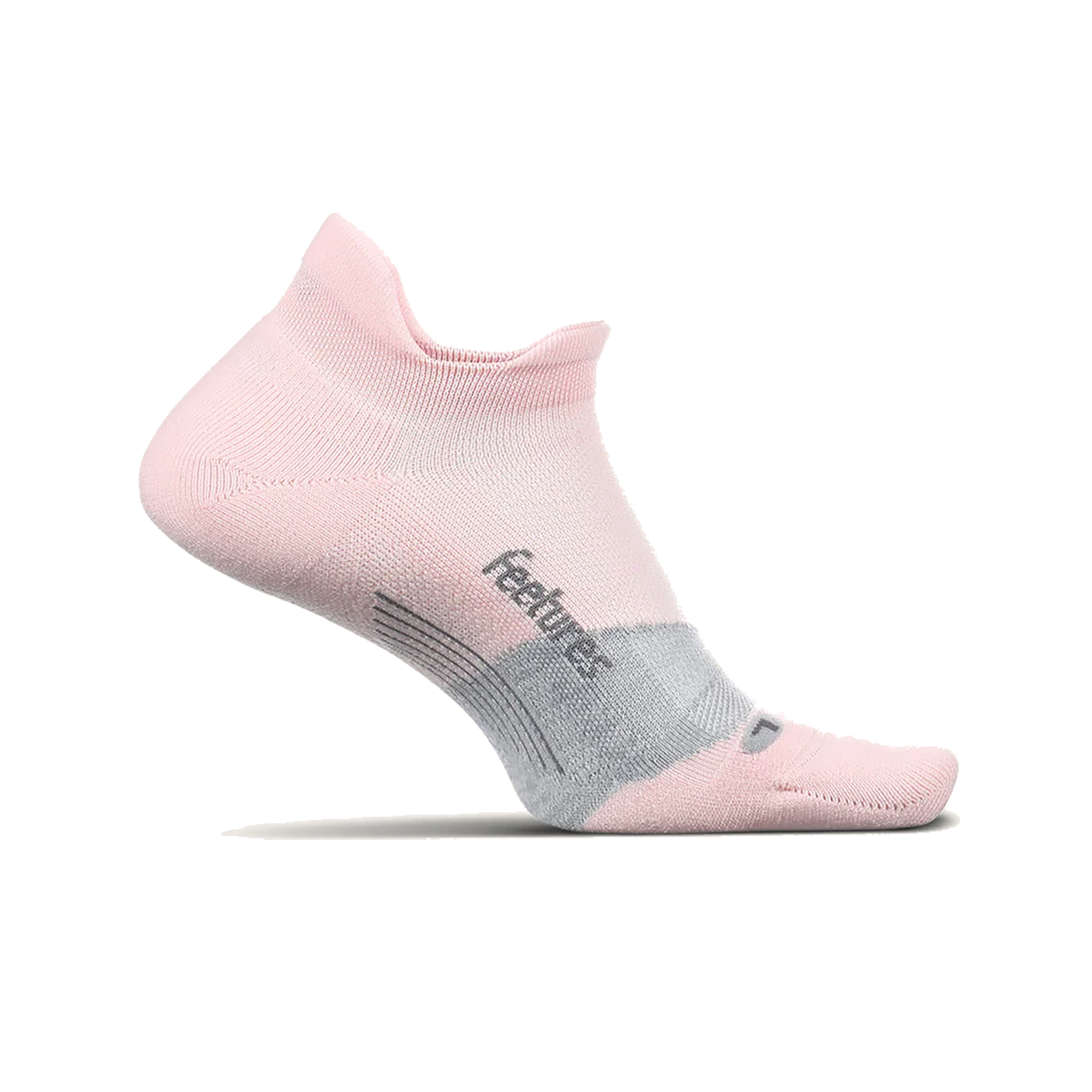
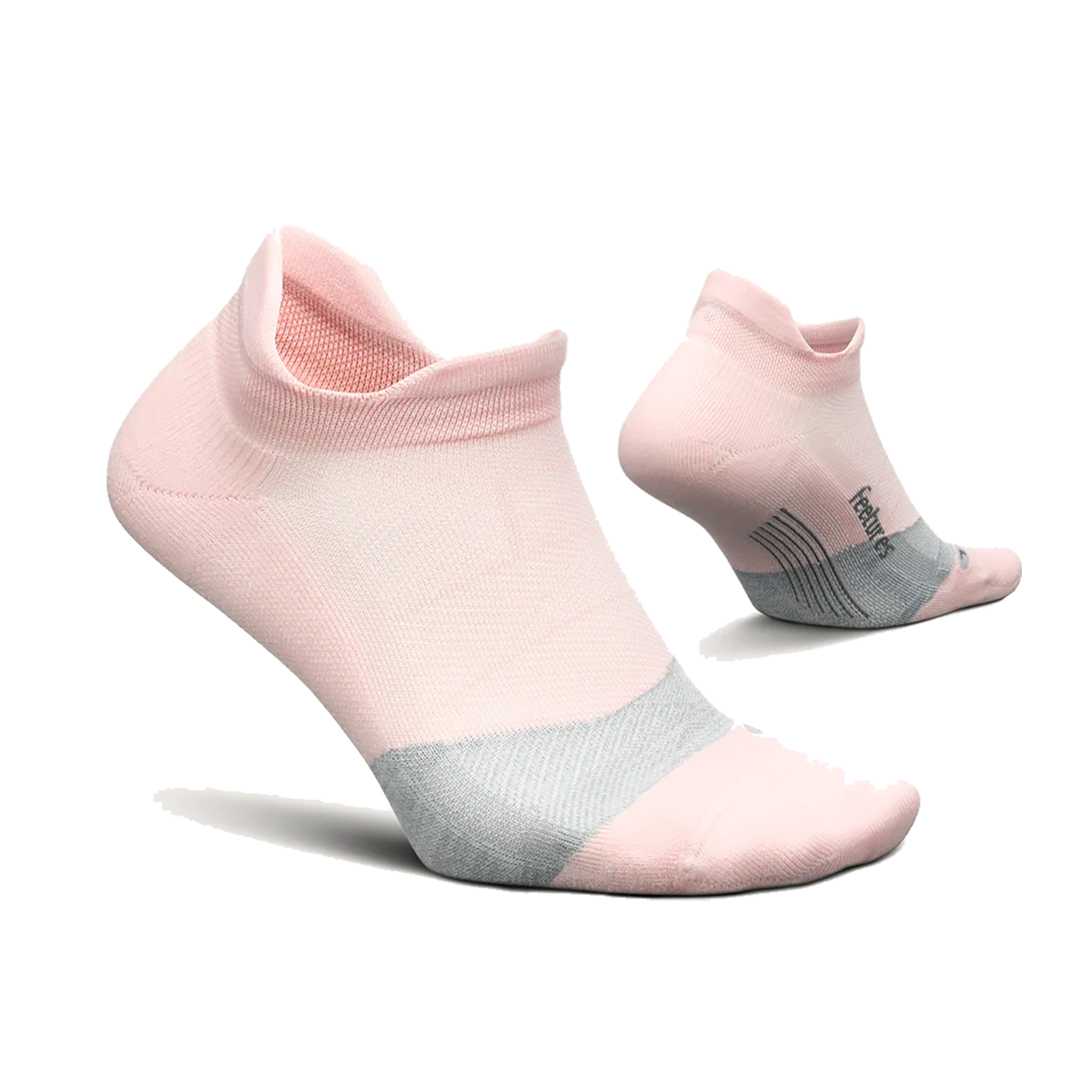
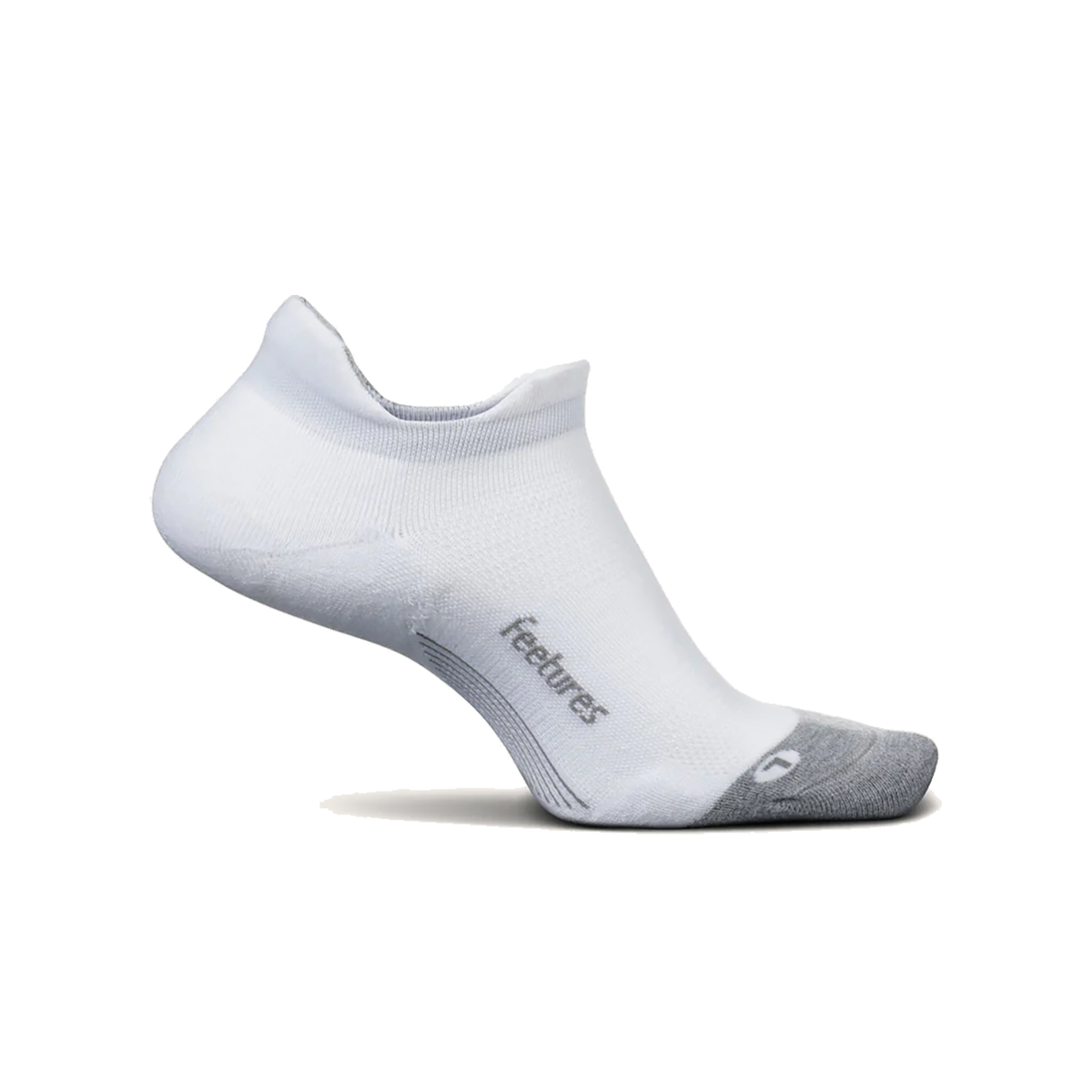
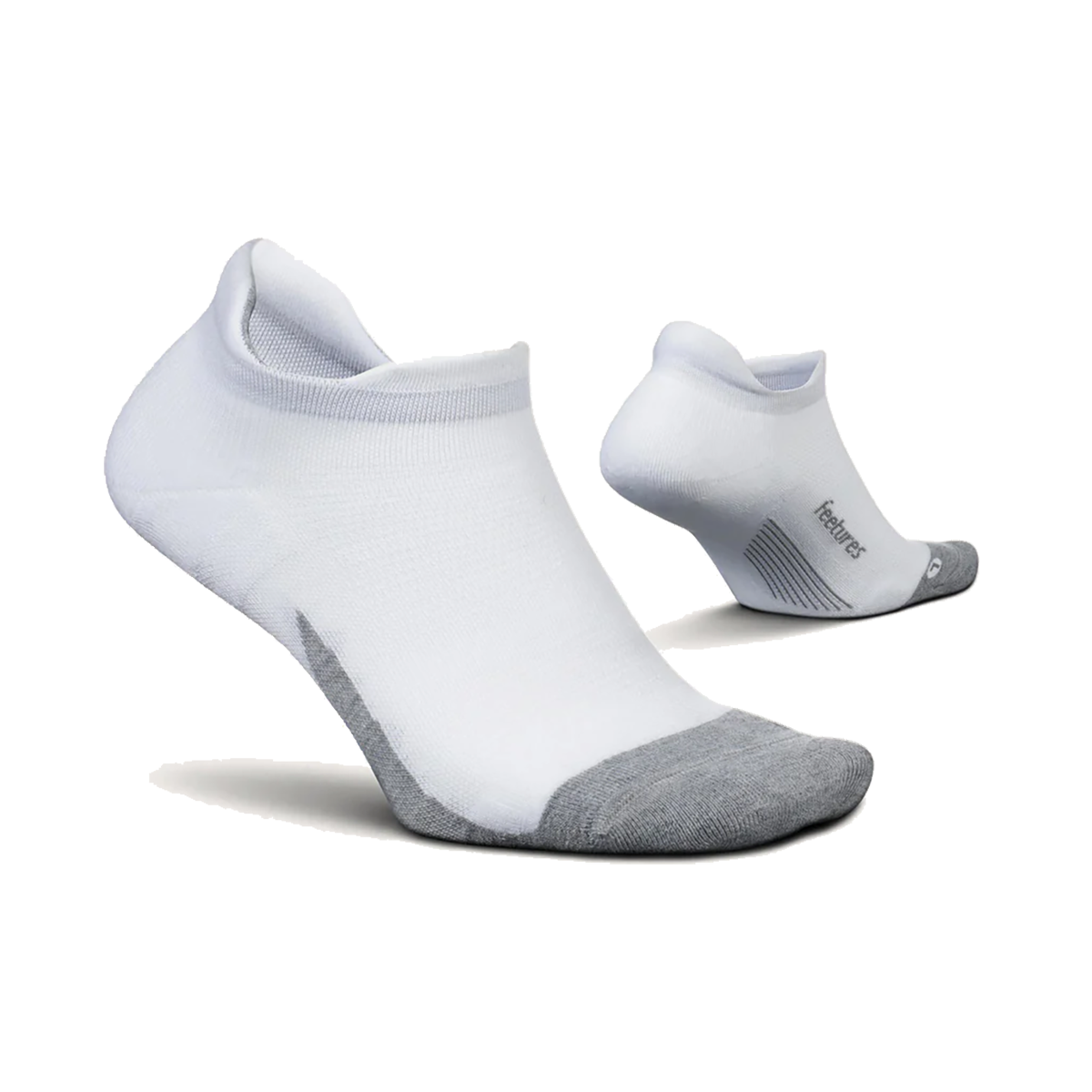
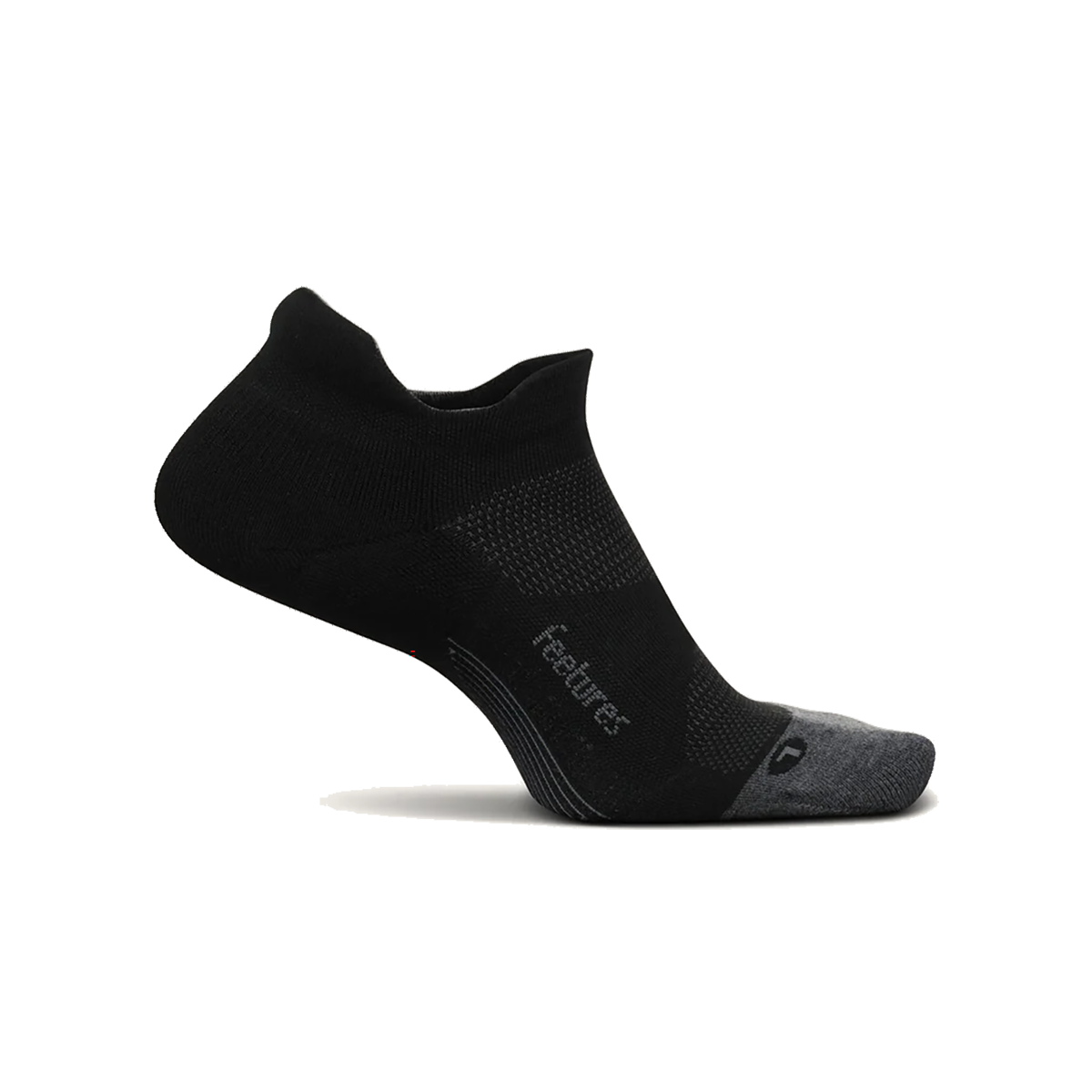
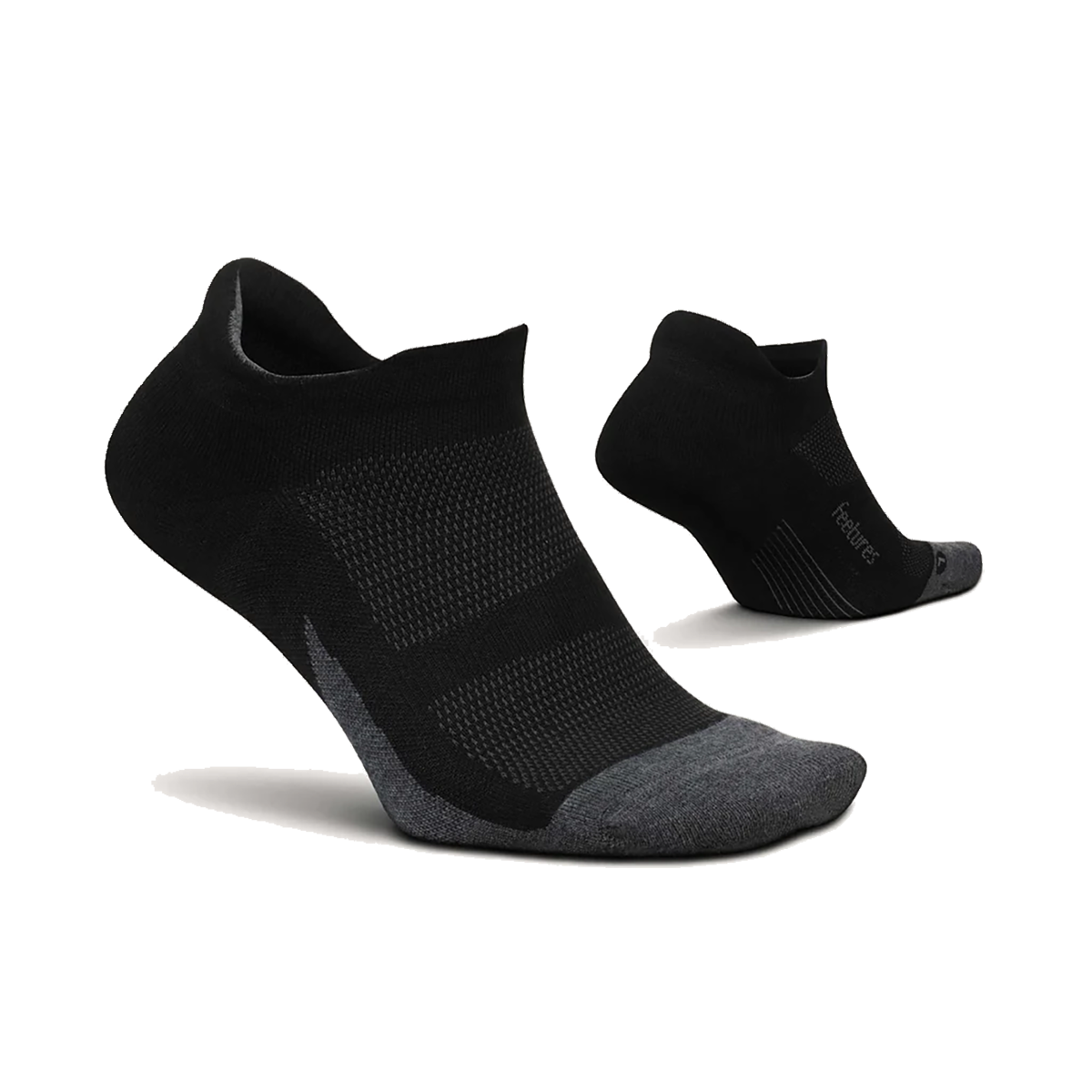
- Socks: A plush sock complements high-stack shoes by reducing friction on long runs. The F2R High Cushion Socks 3‑Pack adds targeted padding without bulk for reliable comfort.
- Lacing and fit: Slightly loosen the forefoot in max-cushion shoes to let the rocker do its job; snug the midfoot in responsive shoes to keep you stable during fast cornering.
- Break-in: Take two or three easy runs to let foams settle before judging ride feel.
Frequently Asked Questions
Does a higher stack always mean softer?
No. Stack is quantity; durometer is feel. You can have a tall, supportive shoe that’s not marshmallow-soft, or a lower-stack shoe that still feels springy thanks to energetic foams.
Can I race in a max-cushion shoe?
Yes—especially for long races where comfort saves your legs late. If you want maximum speed, a responsive superfoam/plate combo will usually feel faster, but comfort-first racers often prefer stable, high-stack options.
How should I rotate my shoes?
For many runners: one max-cushion pair for easy/long runs and one responsive pair for speed days. Rotations can reduce repetitive stress and help your legs feel fresher across the week.
What drop should I choose?
If you’re unsure, start in the middle (6–10 mm). Lower drops can feel great for midfoot strikers but may load the Achilles more; higher drops can ease calf load and feel familiar to many heel strikers.
Next steps
Match the feel to your goals, then fine-tune fit. If you favor comfort and protection, explore the max-cushioned options above; if you’re chasing PRs, consider a responsive superfoam with a propulsive plate. For deeper context on how midsole parts translate to feel, revisit Compare Running Shoe Types by Anatomy: Turn Construction into the Ride You Want, and if you’re deciding between neutral and stability builds, see Neutral vs Stability: An Anatomical Side‑by‑Side. We’re here to help you find the pair that makes tomorrow’s miles feel easier.