


Compare Running Shoe Types by Anatomy

Neutral vs Stability: An Anatomical Side‑by‑Side
Neutral shoes let your foot move naturally; stability shoes add guidance to curb excess inward roll. See how the anatomy differs—posting, rails, sidewalls, rocker, and drop—plus product examples, a quick decision matrix, and FAQs to help you choose.

Road vs Trail Anatomy: Outsoles, Uppers, and Debris Control
Road vs trail shoes differ where it counts: rubber grip, upper construction, and debris control. Learn lug depth, rock plates, and fit—then pick the right pair for your routes.

Super Shoes vs Daily Trainers: Plates, Foams, and Fit
Should you go plated or keep it plush? Learn how plates and foams change the ride, who benefits most from super shoes, and how to build a simple two-shoe rotation for faster, happier miles.
Max Cushion vs Responsive: Stack, Durometer, and Energy Return
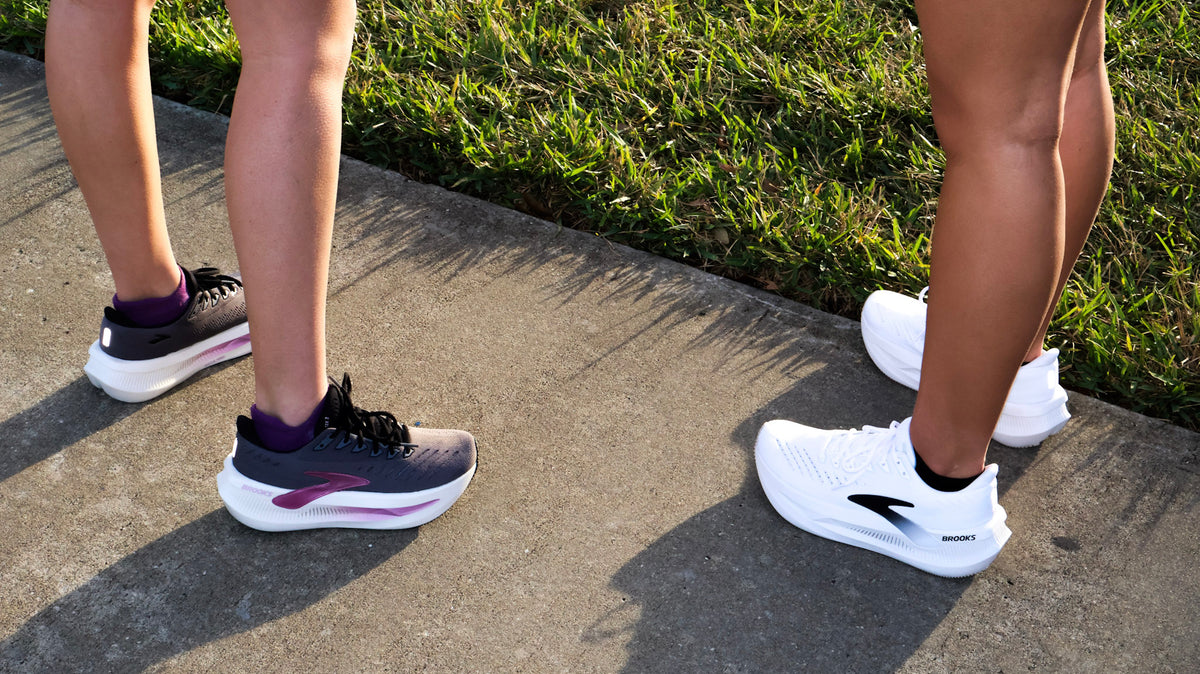
Learn how stack height, durometer, and energy return change the way your shoes feel—and pick confident winners for recovery runs, daily miles, workouts, and race day.
Compare Running Shoe Types by Anatomy: Turn Construction into the Ride You Want
Use shoe anatomy—foam, stack, drop, plates, uppers, and outsoles—to choose the exact ride you want for roads, trails, workouts, and races. Links to deeper Fit2Run chapters included.