


Running Shoes by Foot Type: Match Your Arch, Pronation, and Forefoot Needs with Fit2Run
Every runner’s body tells a story. Your arch height, the way your foot rolls from heel to toe, and how your forefoot spreads under load all shape what the “right” running shoe looks and feels like. This core guide turns those stories into clear choices using Fit2Run’s 3D foot scan and video gait insights so you can run farther, faster, and more comfortably—on day one and mile 501.
Why Start with Foot Type? The Biomechanics Behind Better Shoes
Great running shoes are not one‑size‑fits‑all. They are tools calibrated to your anatomy and movement. Three inputs do the heavy lifting:
- Arch height: low, medium, or high. This influences how much your foot wants to collapse (pronate) or stay rigid during stance.
- Pronation pattern: overpronation, neutral pronation, or underpronation (supination). This affects how you load joints up the chain—from ankles and knees to hips and lower back.
- Forefoot needs: width, toe‑box shape, and pressure hotspots (e.g., bunions, Morton’s neuroma, metatarsalgia). These determine comfort, splay, and late‑stance power.
When these factors align with the shoe’s platform—its geometry, foams, stability features, and upper fit—you get fewer distractions and more efficient miles. When they misalign, you feel it quickly: hot spots, arch fatigue, nagging knee twinges, or heavy legs. Fit2Run’s in‑store and online fitting experience, including 3D scanning and gait analysis, helps you dial this alignment with precision.
How Fit2Run’s 3D Foot Scan and Gait Analysis Turn Data into Fit
Data‑driven fitting starts with measurement. A 3D scan builds a multi‑angle profile of foot length, width, arch height, instep volume, and asymmetries between left and right feet. The companion gait assessment (often video‑based on a treadmill or via slow‑motion observation) evaluates how you land and transition through stance and toe‑off.
These insights guide shoe selection in three ways:
- Platform alignment: Matching your pronation to a stability category—neutral, guidance/stability, or motion‑control—without overcorrecting your natural pattern.
- Geometry matching: Selecting heel‑to‑toe drop, rocker shape, and forefoot stiffness that complement your stride and cadence.
- Upper precision: Choosing last shape (straight, semi‑curved, curved), toe‑box volume, and materials that accommodate bunions, orthotics, or wide/extra‑wide dimensions.
The result is a short list of shoes that fit you, not a generic runner description. This guide explains how to translate those scan and gait notes into the best‑fit categories on your own—and how to talk about them with a Fit2Run outfitter if you want an expert second opinion.
The Core Matrix: Arch Height × Pronation × Forefoot Needs
Use this narrative map to navigate your options. Start with the arch height that sounds most like you, confirm with your pronation pattern, then fine‑tune with forefoot preferences.
1) Low Arches / Flat Feet
Typical pattern: moderate to severe overpronation. The medial arch may collapse under load, rotating the tibia inward. Over time, this can stress knees, hips, and plantar structures.
What to prioritize:
- Guidance or stability platforms featuring medial posting, firmer durometers on the arch side, or unobtrusive rails. The goal is guided motion, not rigid immobilization.
- Supportive midsoles with resilient foams that won’t overly compress on the medial side. Consider shoes that pair soft landings with stable transitions.
- Structured heel counters to anchor the rearfoot and reduce calcaneal eversion.
- Arch‑supporting insoles (optional): If you like a more contoured feel, a supportive insole can complement the shoe without overcorrecting.
Fit tips: Avoid overly soft, unstructured neutral trainers for daily miles; they can magnify fatigue for flat‑footed runners. If you use orthotics, bring them to your fitting—your effective volume and arch interface will change.
2) Medium / Normal Arches
Typical pattern: neutral pronation or mild overpronation under fatigue. This group thrives on variety but still benefits from balanced geometry.
What to prioritize:
- Neutral daily trainers with balanced cushioning and moderate flexibility for everyday miles.
- Light stability or guidance features if you notice knees collapsing late in long runs or when carrying more weekly volume.
- A mix of drops and rockers based on your cadence: higher cadence often prefers lower drop and smoother rockers; lower cadence may feel better with modest drop for mechanical leverage.
Fit tips: Rotate two complementary pairs—one softer for recovery, one snappier for workouts. This spreads load across tissues and lengthens shoe life.
3) High Arches / Cavus Feet
Typical pattern: underpronation (supination). The foot tends to remain rigid, loading the lateral column and transmitting impact forces upward.
What to prioritize:
- Plush, compliant midsoles to absorb shock and smooth transitions when the foot supplies less natural cushioning.
- Neutral platforms without intrusive medial posting. Look for lateral crash pads and forgiving forefoot foam.
- Rockered or segmented outsoles to help roll through toe‑off if your forefoot feels stiff.
Fit tips: Make sure the arch profile of the insole doesn’t dig into your midfoot. Aim for a broad contact platform that disperses impact—especially for road running.
Dialing the Details: Forefoot Shape, Width, and Sensitivities
Even when the arch and pronation match perfectly, forefoot comfort can make or break your run. Here’s how to fine‑tune the front half of the shoe.
Toe‑Box Shape and Volume
- Anatomical toe boxes allow natural splay and are often a win for bunions and wider forefeet.
- Tapered toe boxes can feel streamlined for narrow feet but may irritate the fifth met head or bunion prominences.
- Engineered mesh and knit uppers stretch to accommodate swelling and varied foot shapes while retaining midfoot hold.
Width Options
If the 3D scan notes a wide forefoot or high instep volume, explore wide (2E men / D women) or extra‑wide (4E men / 2E women) variants. A correct width should remove hotspots without forcing you to size up excessively in length.
Common Sensitivities
- Bunions: Seek soft, stretchable mesh, minimal overlays at the bunion site, and a more anatomical last.
- Morton’s neuroma or forefoot tingling: Favor roomy toe boxes, cushioned forefoot foams, and avoid aggressive upward toe spring that concentrates pressure.
- Metatarsalgia: Look for cushioned forefoot platforms and consider a metatarsal pad in an insole (if recommended) to offload pressure.
Stability, Neutral, or Motion Control: What Each Category Really Means
Brand terminology varies, but most modern shoes fall into three broad buckets:
Neutral
Designed for runners with neutral pronation or supination who don’t need corrective guidance. Cushioning ranges from firm and responsive to luxuriously soft. The goal is to let the foot move naturally.
Guidance/Stability
Built for mild to moderate overpronation. Instead of rigid posts, many current designs use dual‑density foams, medial sidewalls, or TPU rails to nudge the foot toward alignment while maintaining a smooth ride.
Motion Control
Reserved for significant overpronation or very flexible flat feet where structure is necessary for comfort and efficiency. These platforms use firm guidance elements, broad bases, and supportive uppers. For some runners they’re a revelation; for others they feel too prescriptive—your gait analysis will clarify the right level.
Geometry and Foam 101: How Stack, Drop, and Rocker Influence Your Stride
Two shoes can share a category yet feel totally different because of geometry and foam chemistry.
- Stack height: More stack = more potential cushioning and protection; less stack = more ground feel and agility.
- Heel‑to‑toe drop: 4–6 mm often favors midfoot strikers and higher cadence; 8–12 mm can reduce calf/Achilles strain for heel strikers or during heavy training blocks.
- Rocker profiles: Early‑stage rockers ease transition right after landing; late‑stage rockers assist push‑off. High‑arched or stiff feet often like rockers.
- Foam feel: Supercritical and PEBA‑based foams are springy and light; EVA blends are predictable and stable; TPU can be bouncy and durable. Pick the feel that keeps your form smooth late in the run.
Use Case Layering: Daily, Long, Speed, and Trail
Your foot type gets you into the right bucket; your training goals lock in the final choice.
Daily Trainers
The workhorses. Aim for comfort, moderate responsiveness, and durability. Stability if you overpronate; neutral if not. A versatile outsole helps on mixed surfaces.
Long‑Run/Max Cushion
Higher stacks and plusher foams reduce cumulative impact. Overpronators might want stable max‑cushion options; supinators typically choose plush neutral platforms.
Speed Days and Tempo
Lighter shoes with more resilient foams increase turnover. Consider whether a slightly lower drop or subtle rocker improves your cadence without aggravating calves.
Race Day/Plated
Carbon or composite plates can enhance propulsion but demand stable mechanics. If you overpronate significantly, ensure the platform and fit hold you centered at pace.
Trail
Look for lug patterns, rock plates, and secure uppers. Overpronators still benefit from guidance in trail shoes; supinators may prefer softer landings plus ample lateral stability.
From Scan to Shortlist: A Sample Fitting Walkthrough
Imagine your Fit2Run 3D scan reports a low arch, wide forefoot, and the gait video shows moderate overpronation after mid‑stance. Your outfitter narrows to stability trainers with roomy toe boxes. Two options differ: one uses a dual‑density medial foam; the other uses a guidance rail and slightly higher drop. You jog in both. The dual‑density pair feels smooth at easy pace but collapses when you surge; the rail‑guided shoe stays centered at all paces. Decision made—informed by your data, confirmed by your stride.
Insoles and Orthotics: When and How to Add Support
Insoles can personalize arch interface, heel cup depth, and forefoot pressure. Consider them if:
- You crave more arch contact for proprioception.
- You’re managing plantar fascia or tibial stress symptoms under professional guidance.
- You need a metatarsal pad or different forefoot posting.
Fit tips: test insoles inside the shoe you plan to run in; they change volume and can shift the heel. If you use custom orthotics, select shoes with removable sockliners and enough internal height.
Lacing, Socks, and Small Tweaks with Big Payoffs
Micro‑adjustments matter:
- Runner’s loop (heel lock): reduces heel slip without over‑tightening the midfoot.
- Window lacing: relieves pressure over a high instep or prominent extensor tendons.
- Toe‑splay lacing: skips the bottom eyelet to open the forefoot.
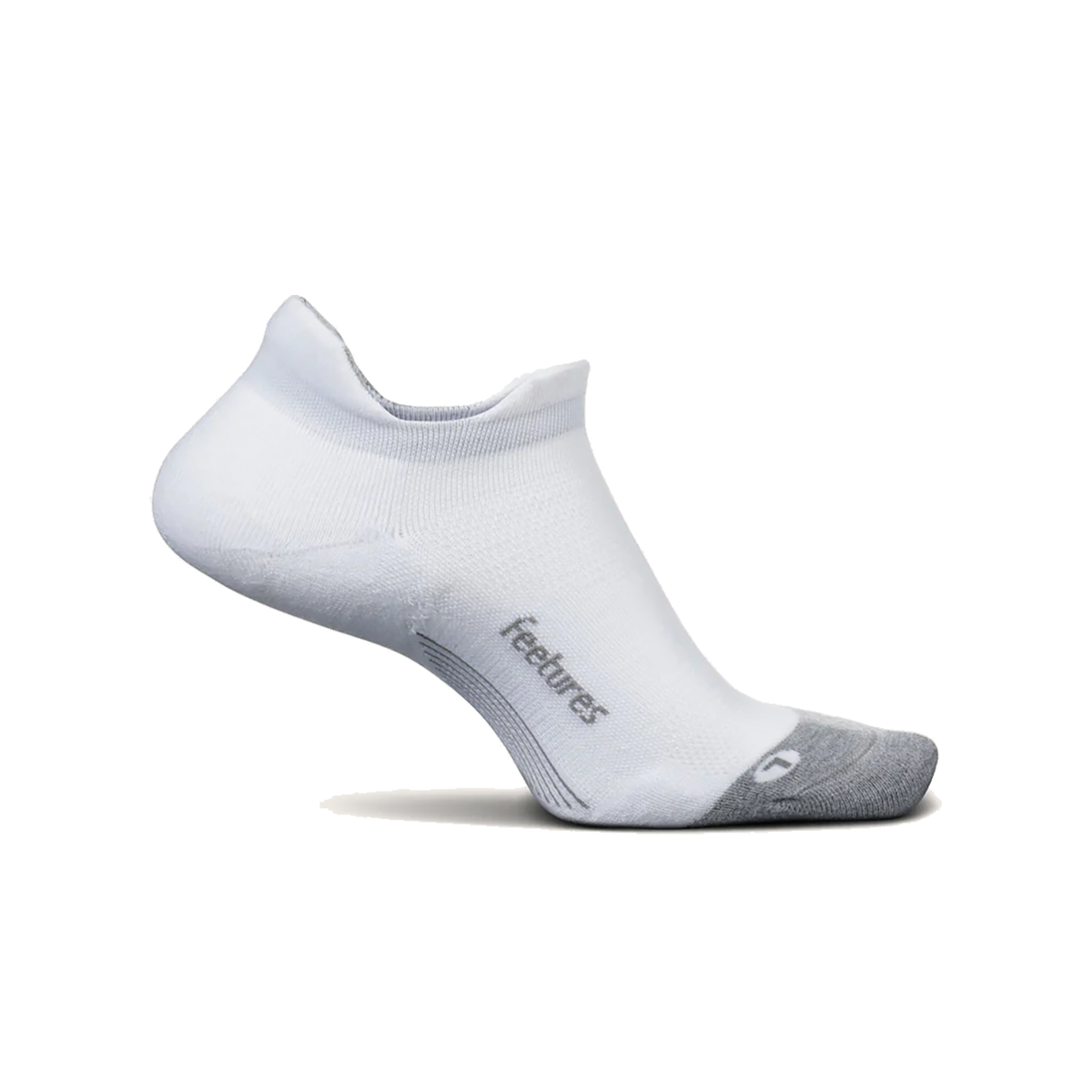
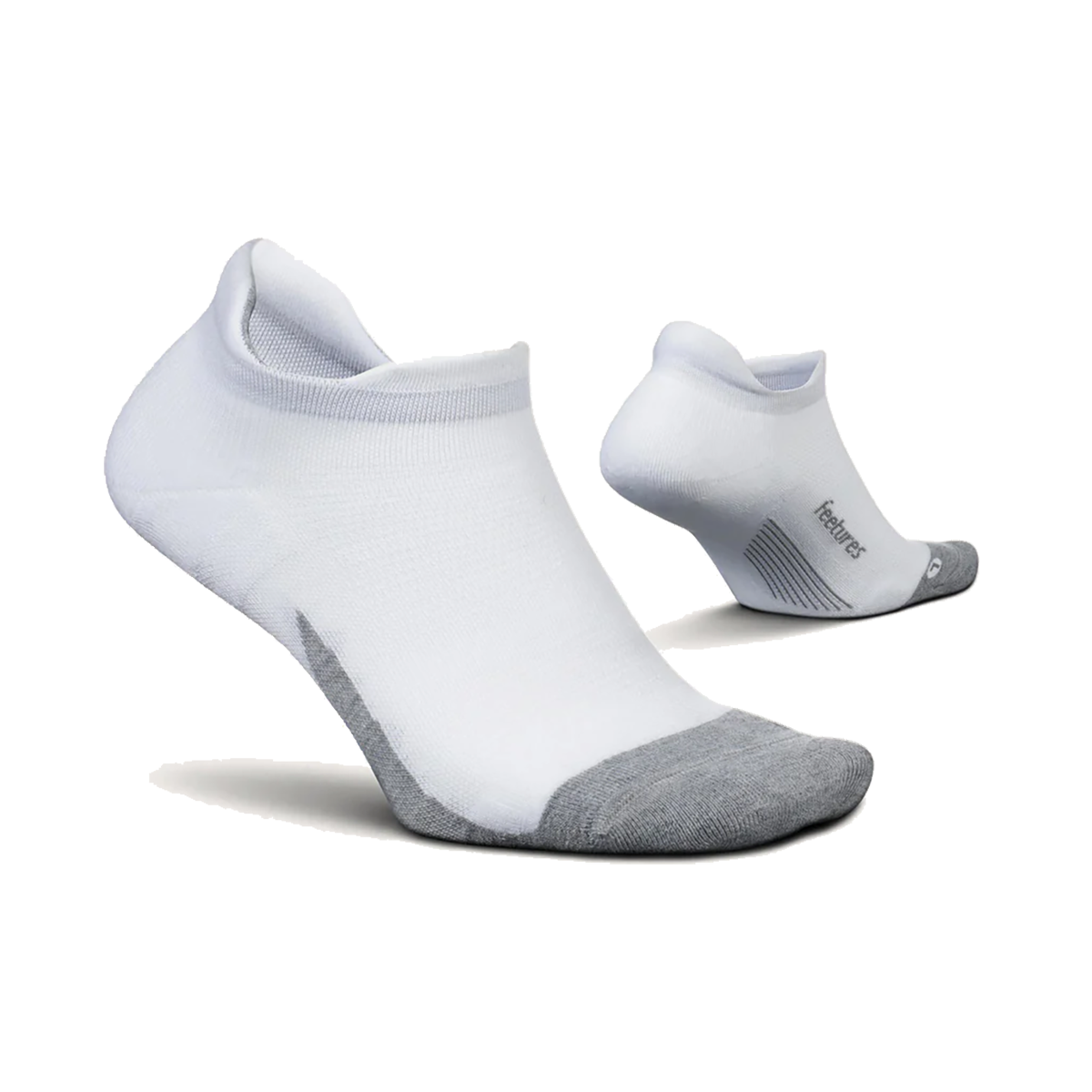
- Performance socks: technical fibers manage moisture and reduce friction; targeted cushioning tunes underfoot feel.
Fit Check: A 120‑Second At‑Home Assessment
- Length: Stand at the end of the day. You should have roughly a thumb’s width (about 6–12 mm) ahead of the longest toe.
- Midfoot hold: Snug but not constrictive. If laces bow outward excessively, consider different lacing or a different last.
- Heel security: Minimal slip when walking briskly up a step.
- Arch interface: Feels supported or naturally neutral; no hot pressure points after 5–10 minutes.
- Forefoot freedom: Toes splay without rubbing the sidewalls; no tingling after 10 minutes on your feet.
Troubleshooting: What Your Body Might Be Telling You
- Knee collapsing inward late in runs: Consider moving from neutral to guidance/stability, or add a slightly higher drop to reduce calf fatigue that destabilizes form.
- Outer‑shin tightness for high arches: Try softer lateral crash pads and more compliant midsoles; evaluate rocker profiles.
- Ball‑of‑foot burning: Increase toe‑box volume, try a met‑pad insole, or explore a different forefoot foam feel.
- Heel slip: Use the runner’s loop; if persistent, try a different last or deeper heel cup.
- Arch ache for flat feet: Move to slightly firmer guidance, or test an insole with gentle posting—avoid abrupt, aggressive corrections.
Care, Rotation, and Replacement
Rotate shoes to vary loading across tissues and let foams rebound fully. Most daily trainers feel best for 300–500 miles depending on body weight, gait efficiency, and surface. If you notice new aches, compressed midsoles, or smoother‑than‑grip outsoles, you’re due. Air‑dry after wet runs; avoid direct heat that can warp foams and glues.
How to Shop with Confidence at Fit2Run
Whether you visit a store or shop online, start with your data:
- Capture your baseline: Use a Fit2Run 3D foot scan and gait assessment to document arch height, foot width, and pronation.
- Define your primary use: daily training, long runs, speed, race day, or trail.
- Pick your platform: neutral, guidance/stability, or motion control based on the assessment.
- Refine comfort: toe‑box shape/volume, upper materials, and lacing pattern.
- Test at effort: If possible, jog at your normal cadence and pace. Choose the pair that feels centered and effortless.
If you’re between sizes, prioritize width and midfoot hold over raw length. For orthotic users, verify internal volume and heel depth. Still unsure? Bring your current shoes: outsole wear patterns and midsole creases reveal your loading story in seconds.
Key Takeaways
- Start with structure: arch height and pronation define your platform (neutral, guidance, or motion control).
- Fine‑tune the front: toe‑box shape, width options, and upper materials solve most comfort issues.
- Geometry matters: stack, drop, and rocker can transform how a shoe feels at your pace.
- Use data: Fit2Run’s 3D scan and gait insights turn guesswork into a targeted shortlist.
- Test like you run: evaluate at your cadence and effort; the right shoe disappears under you.
- Rotate pairs: varied stimuli reduce injury risk and extend the lifespan of your shoes.
FAQ
Do I need stability shoes if I only overpronate when tired?
Maybe. Many runners with neutral mechanics early in a run benefit from light guidance for long runs and a neutral shoe for workouts. Your gait video and how you feel at mile 8 versus mile 2 will guide that decision.
What heel‑to‑toe drop should I choose?
Start from what has worked. If you’ve had calf/Achilles tightness, a slightly higher drop can offload those tissues. If you’re a high‑cadence midfoot striker, a moderate or lower drop with a rocker may feel smoother.
Are carbon‑plated shoes right for everyone?
They can be amazing for speed but aren’t universally comfortable. Plated shoes alter stiffness and leverage, which may amplify instability for heavy overpronators. Test them after you’ve dialed a stable daily trainer.
How do I know if a toe box is wide enough?
Your toes should spread naturally without pressure on the big‑toe joint or fifth met head. After 10 minutes on your feet, there should be no tingling or rubbing. If you need to loosen laces dramatically at the forefoot, try a wider option or more anatomical shape.
Can insoles replace stability shoes?
Insoles can complement or lightly guide mechanics but usually don’t replicate the integrated stability of a shoe’s platform. Many runners succeed with a balanced combination determined by their scan and comfort.