


Top 10 Summer Running Tips
Why Summer Running Needs a Strategy
Running during the summer months can be both motivating and challenging. On one hand, longer days and bright sunshine create the perfect backdrop for outdoor runs. On the other, heat, humidity, and high UV exposure can quickly turn a training session into a risky situation if you’re not prepared. When the body works harder to stay cool, runners are more likely to experience dehydration, fatigue, and even heat exhaustion. That’s why it’s important to take a thoughtful approach to your warm-weather miles. With the right adjustments, summer running can actually boost your endurance, mental toughness, and overall fitness.
10 Game-Changing Summer Running Tips
Run Early or Late
The best time to run in summer is during cooler hours—early morning or late evening. At sunrise, you’ll enjoy lower temperatures and quieter roads or trails. Evening runs can be equally refreshing, though humidity may linger longer. Avoid running between 10 AM and 4 PM when the sun’s rays are strongest. Not only will this reduce your risk of overheating, but you’ll also protect your skin from excessive sun exposure. If morning runs are tough to schedule, try shifting your bedtime slightly earlier so you can train before the day heats up.
Hydrate Before, During, and After
Hydration for runners is the foundation of successful summer training. Start your runs already hydrated by drinking water beforehand. On hot days, carrying a handheld water bottle, hydration vest, or belt can make a big difference. A general guideline is to sip every 15–20 minutes, but listen to your body’s cues. After finishing, don’t just rehydrate with water—pair it with a snack or recovery drink to restore fluids and nutrients. Maintaining proper hydration helps you feel more energized, reduces cramping, and aids recovery.

Choose Breathable, UV-Protective Gear
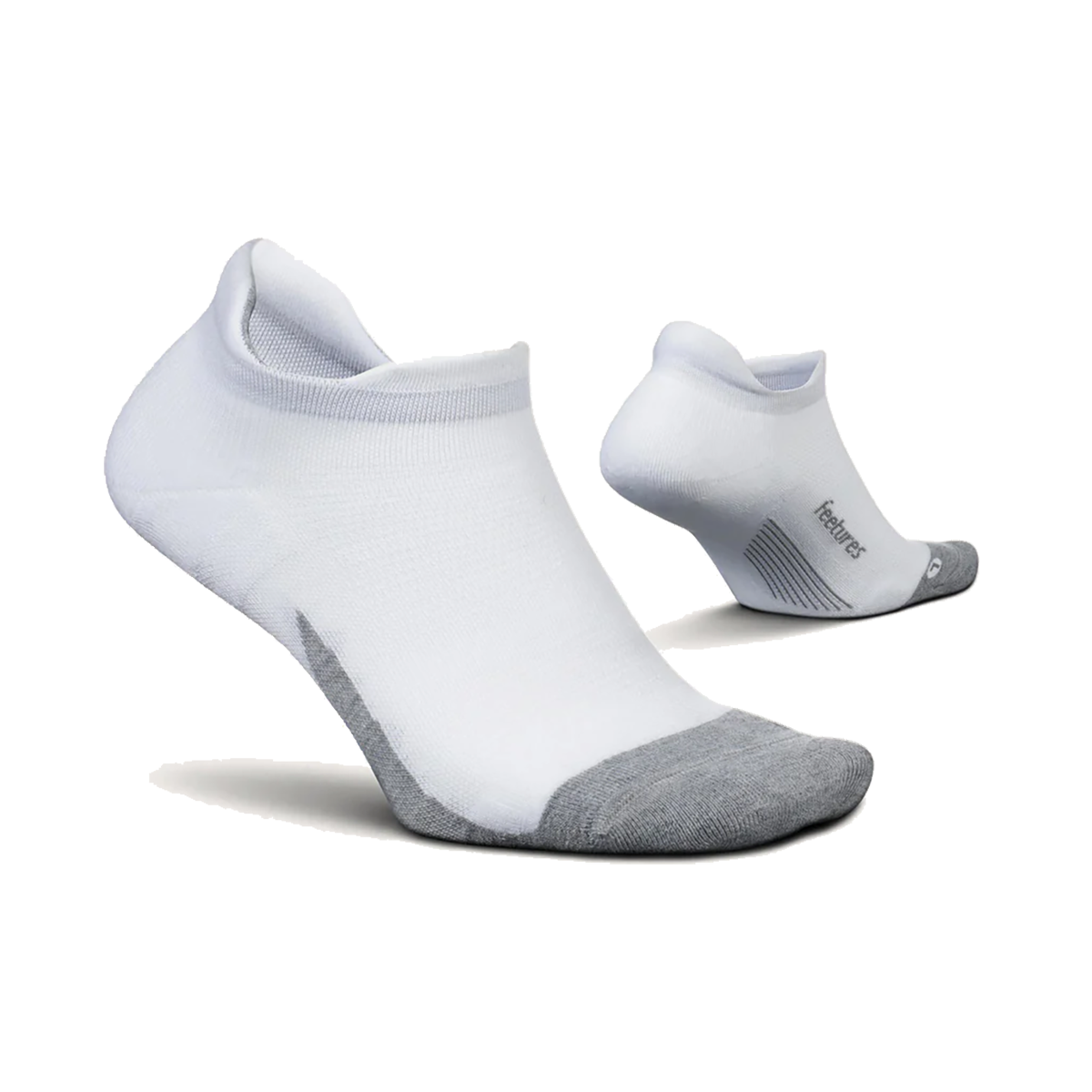
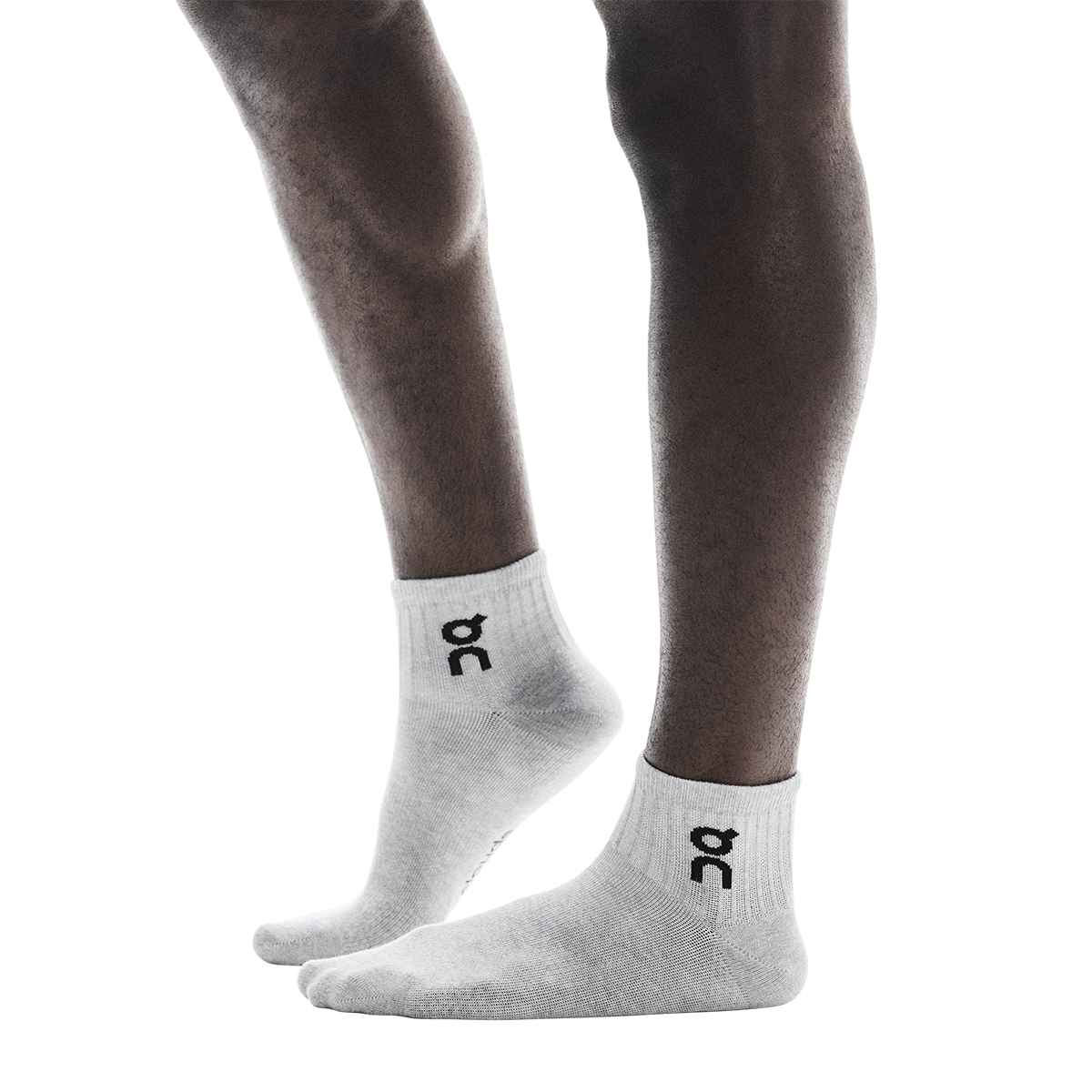
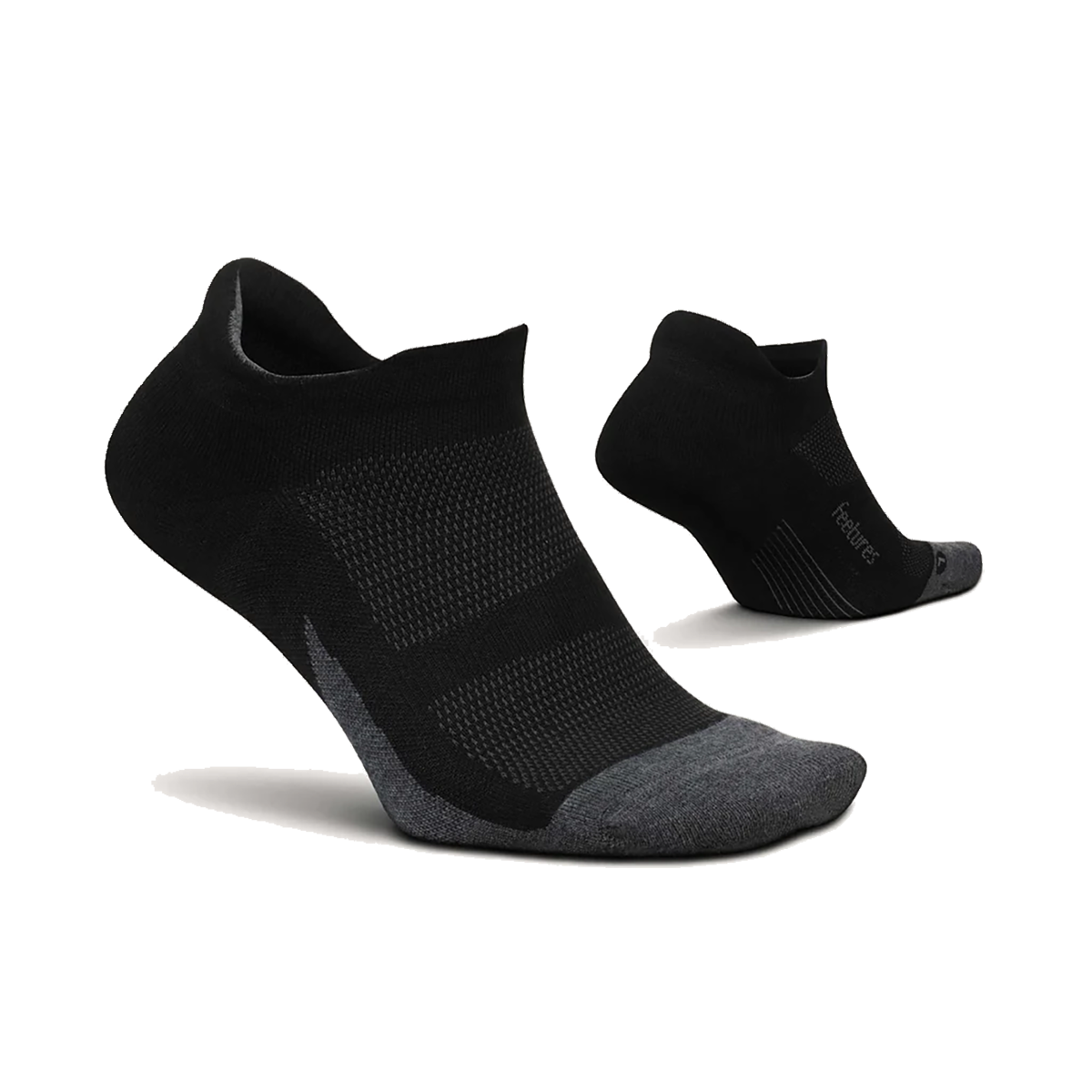
Clothing is more than a fashion choice in summer—it’s performance equipment. Opt for lightweight, moisture-wicking fabrics that pull sweat away from your skin and dry quickly. Many running tops, shorts, and sleeves are now designed with built-in UPF ratings to protect against harmful UV rays. Light-colored clothing also reflects sunlight rather than absorbing it. By wearing breathable, UV-protective gear, you’ll stay cooler, drier, and safer on every run.
Don’t Skip Electrolytes
Sweat isn’t just water—it’s loaded with electrolytes your body needs to function. Sodium, potassium, magnesium, and calcium play crucial roles in muscle contractions and fluid balance. When running in hot weather, replenishing electrolytes can prevent headaches, dizziness, and muscle cramps. Options include electrolyte tablets dropped into your water, sports drinks, or chews you can carry during longer runs. Building electrolytes into your hydration plan ensures your body keeps performing at its best.
Wear a Hat and Sunglasses
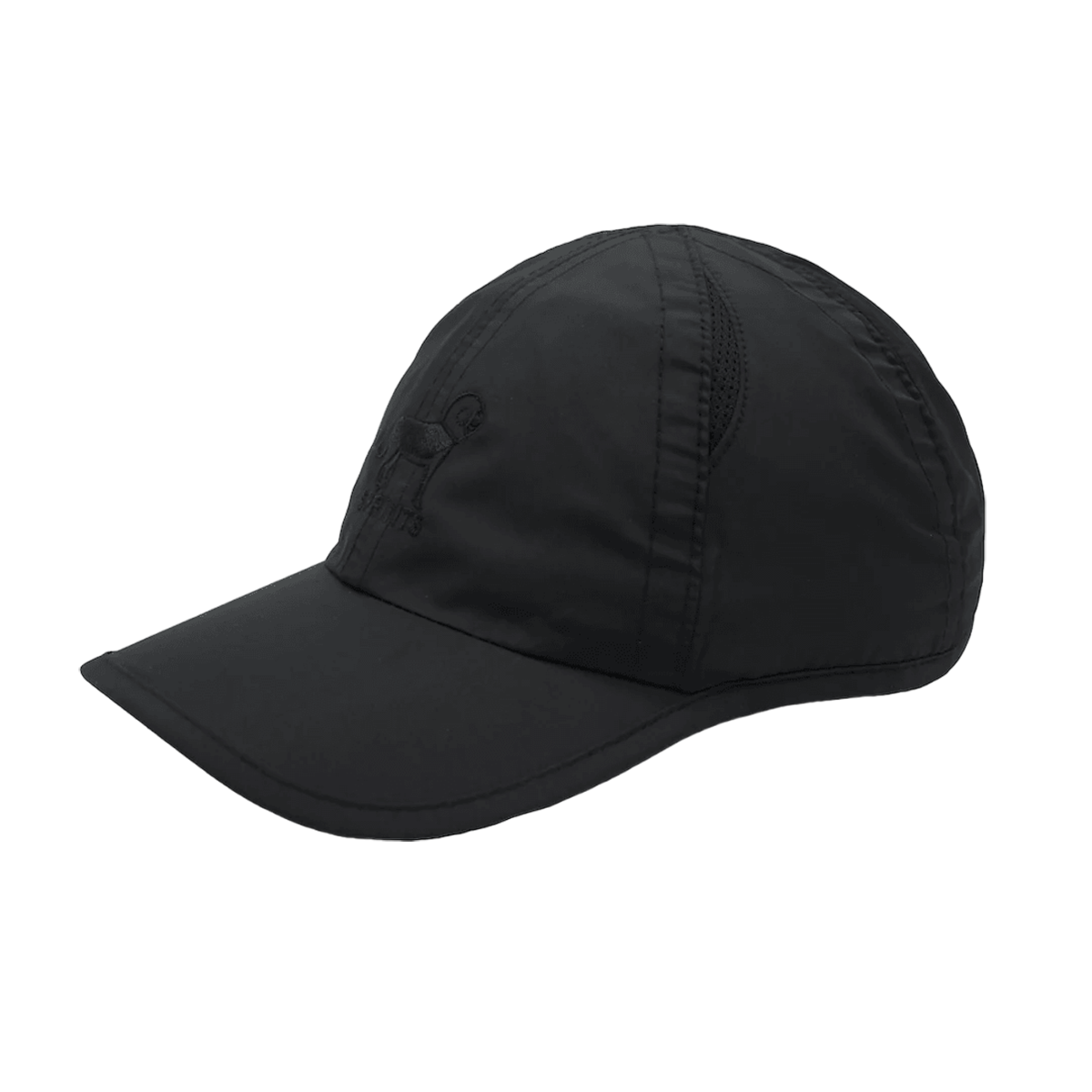
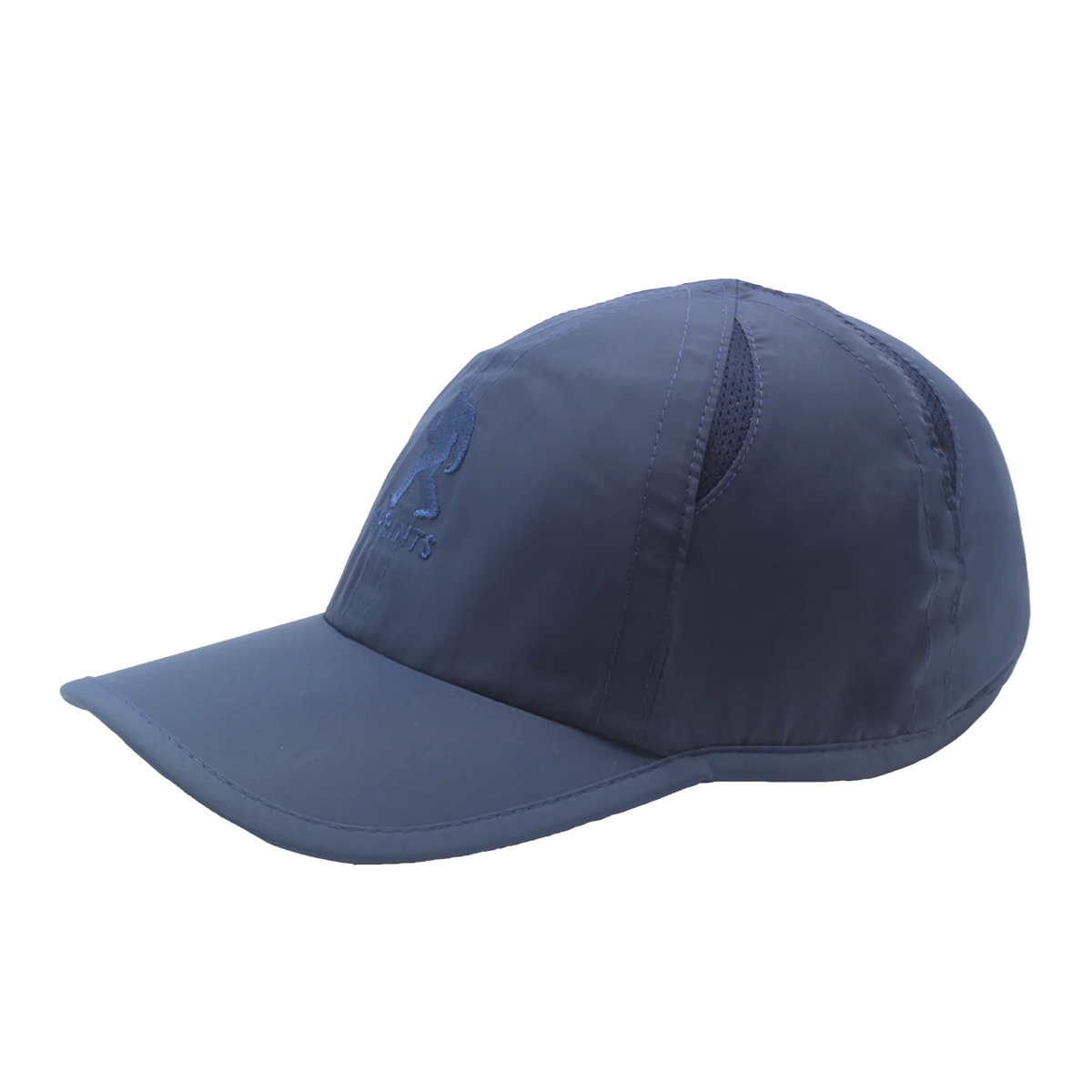
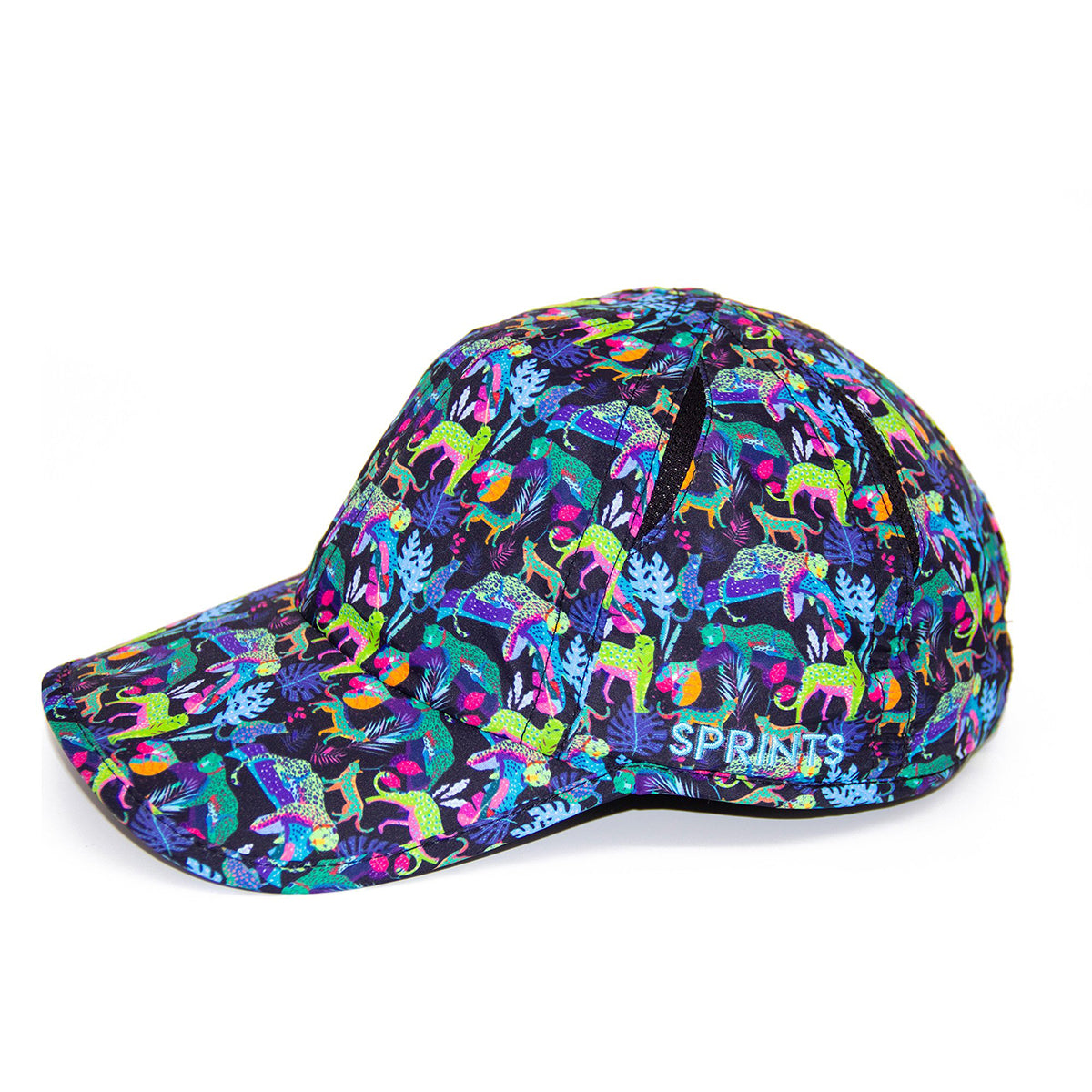
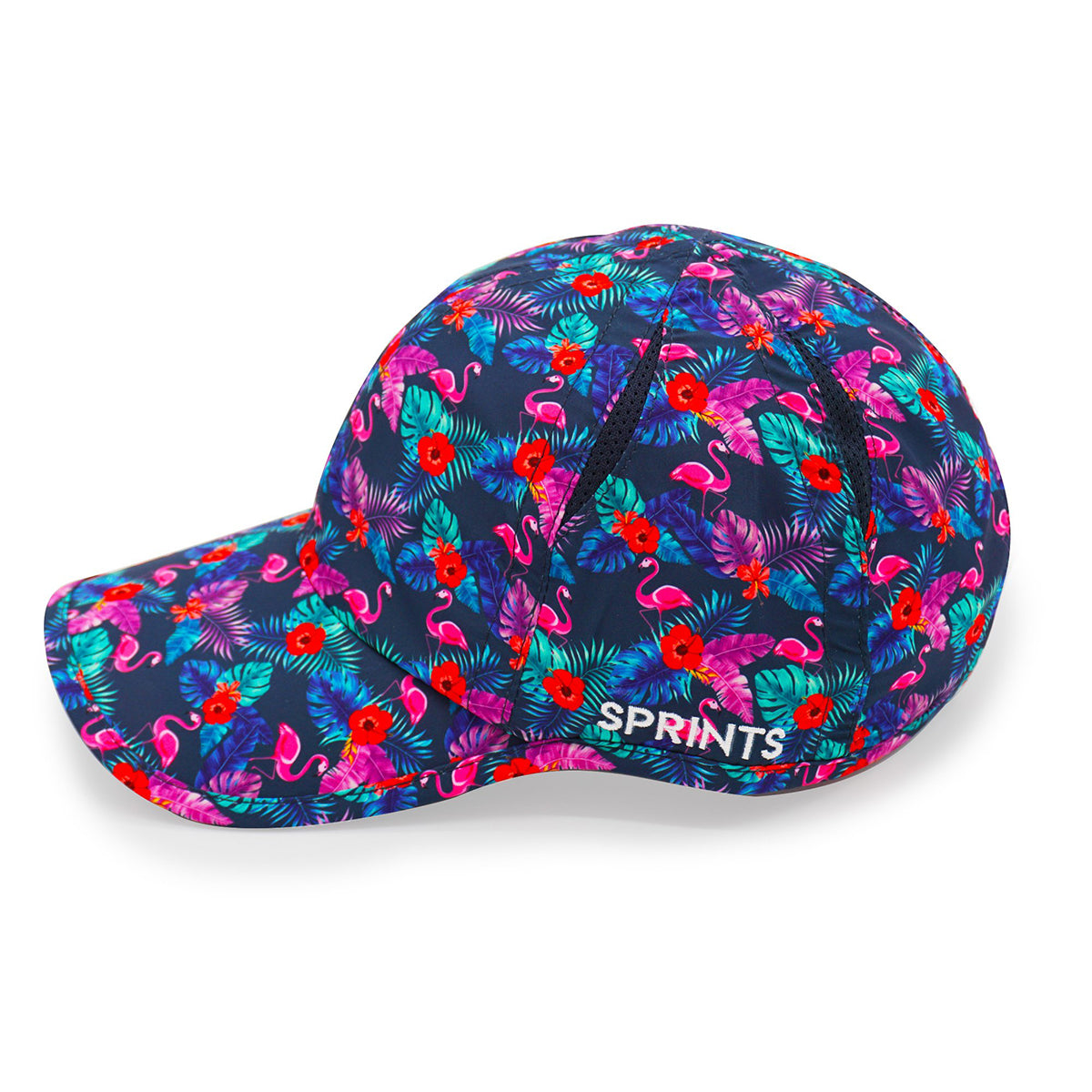
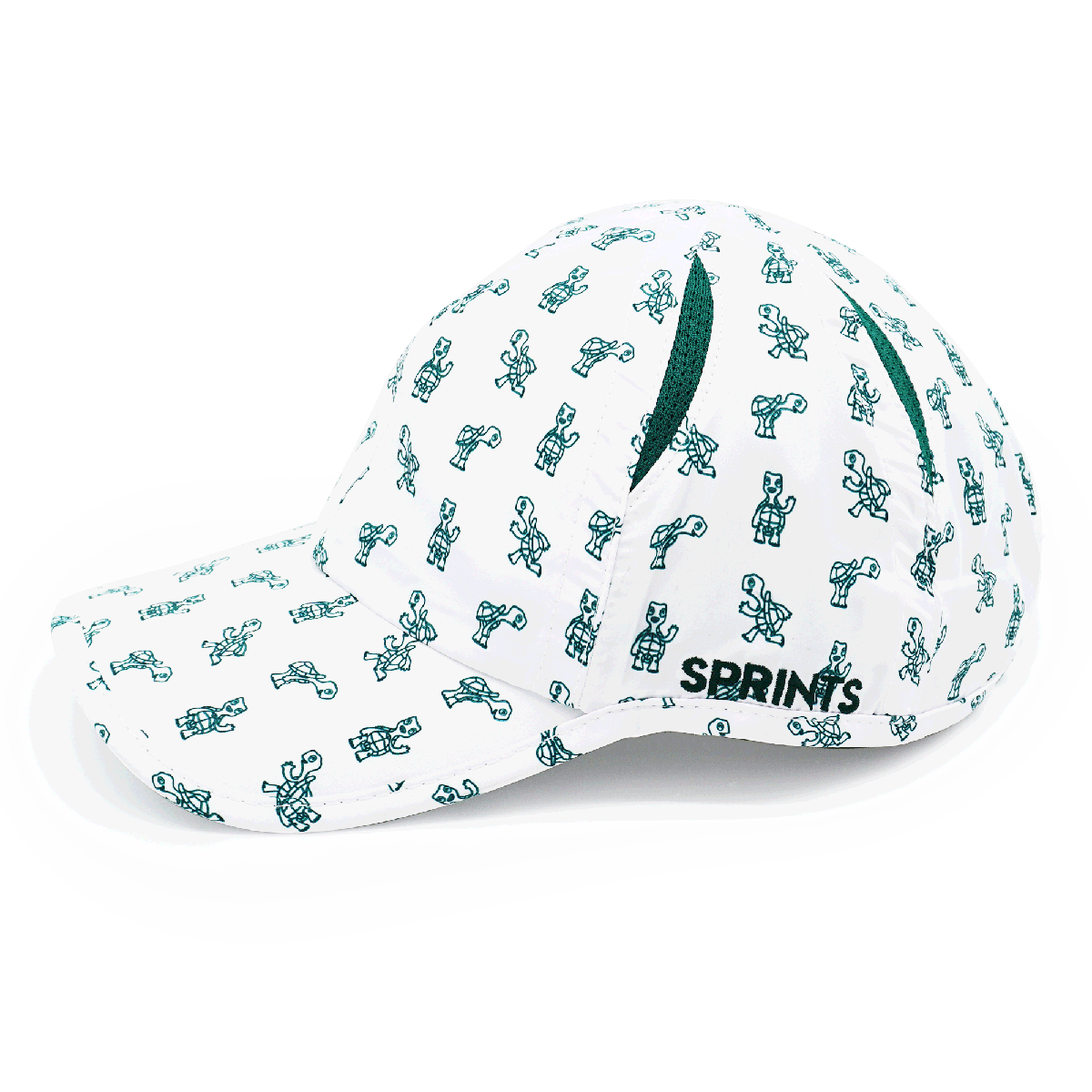
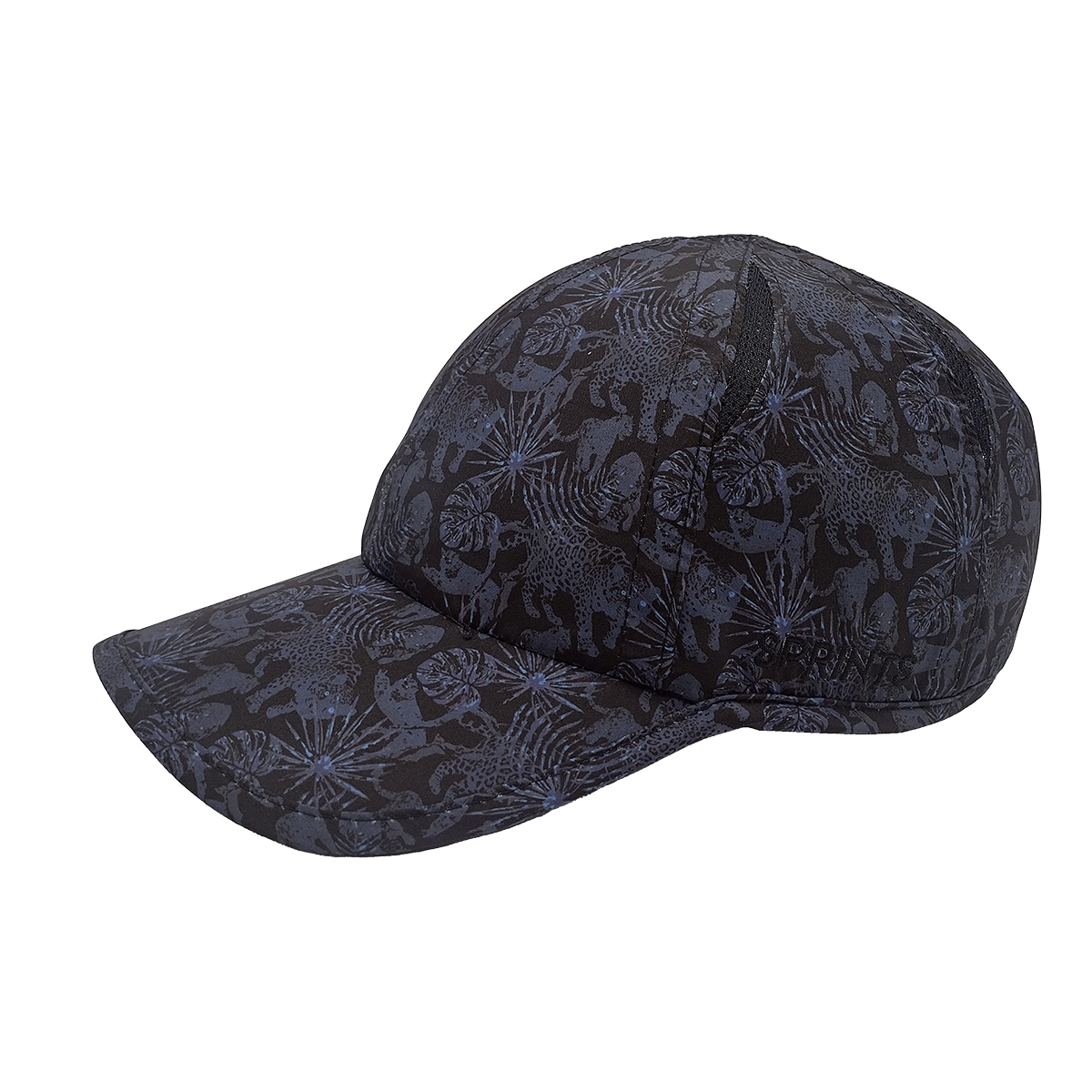
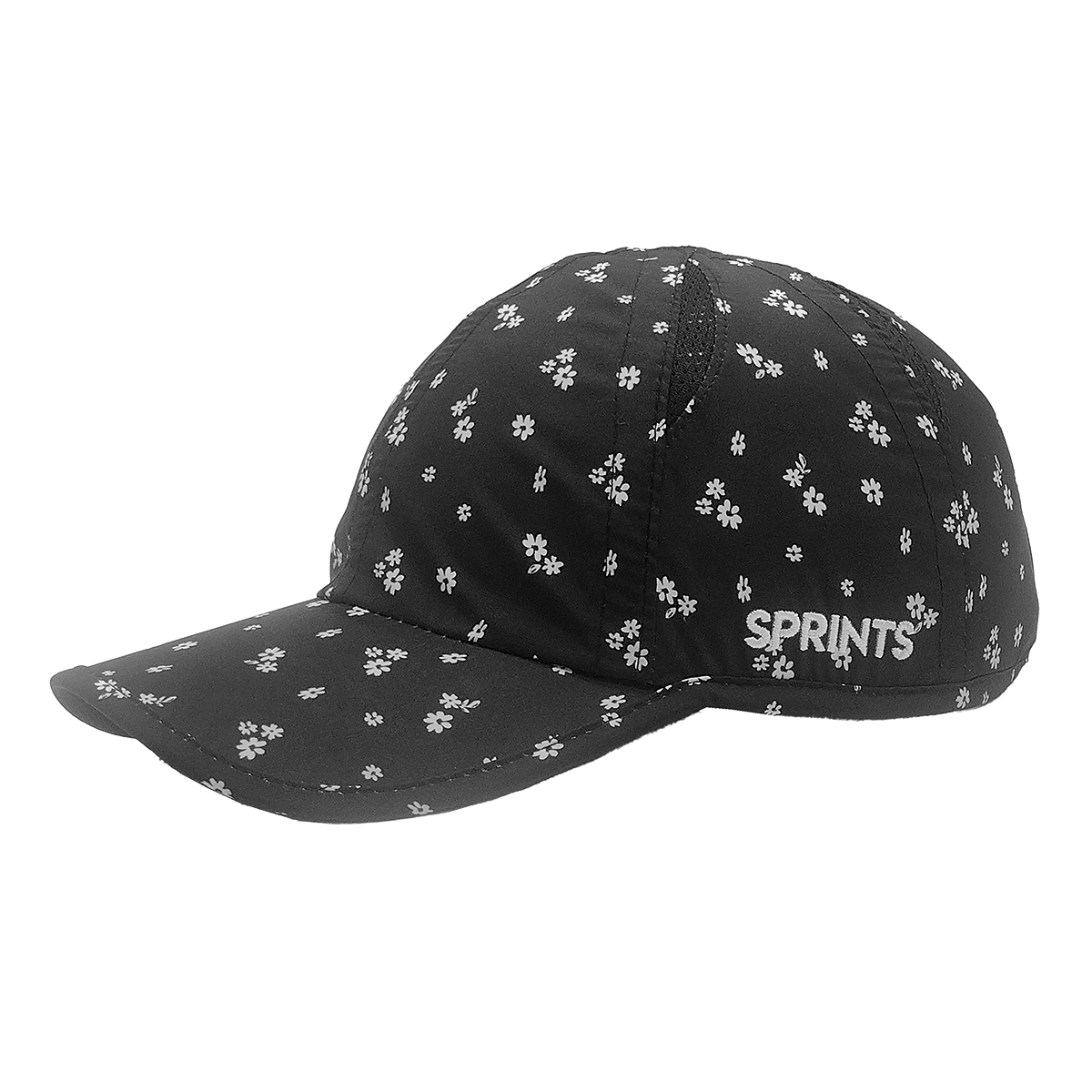
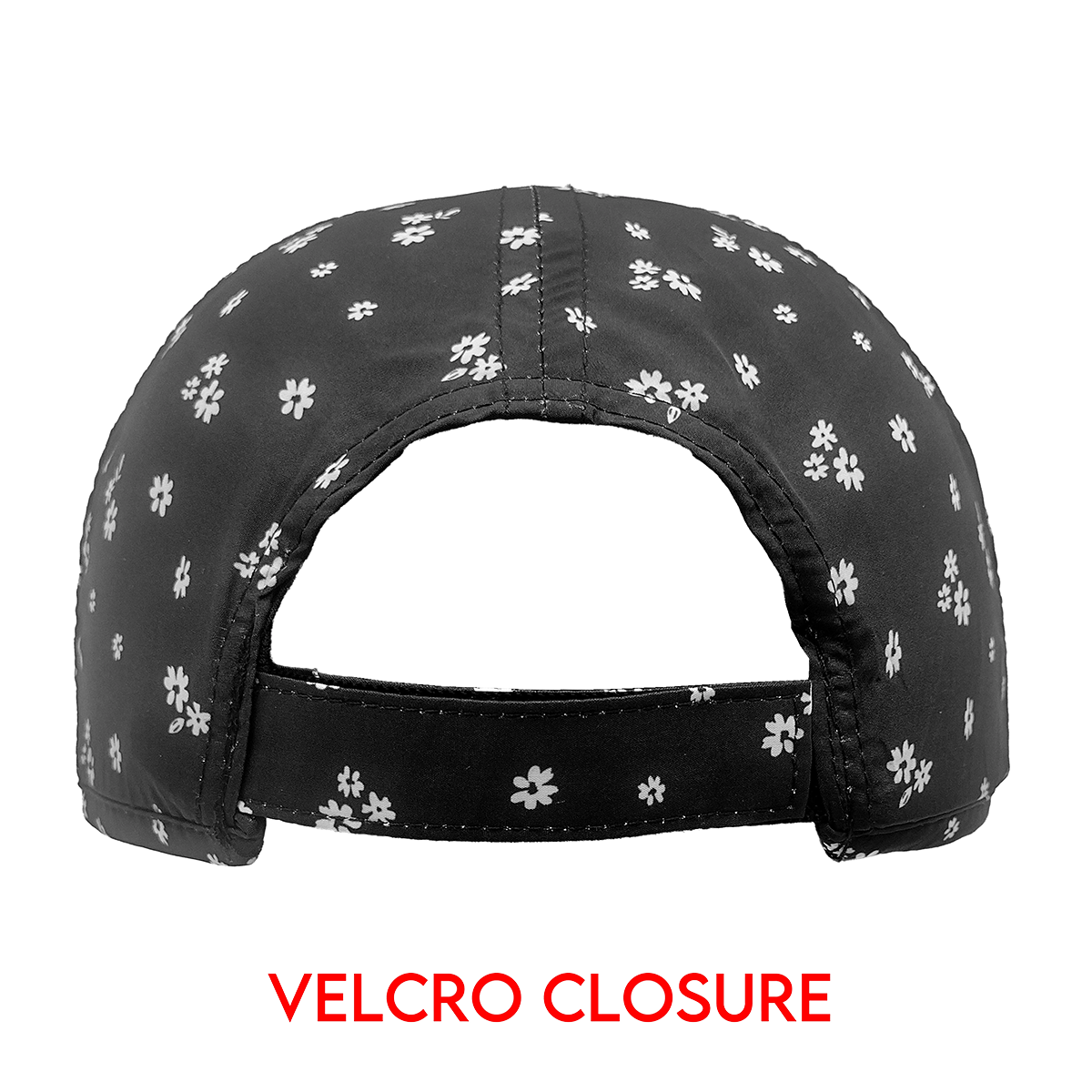
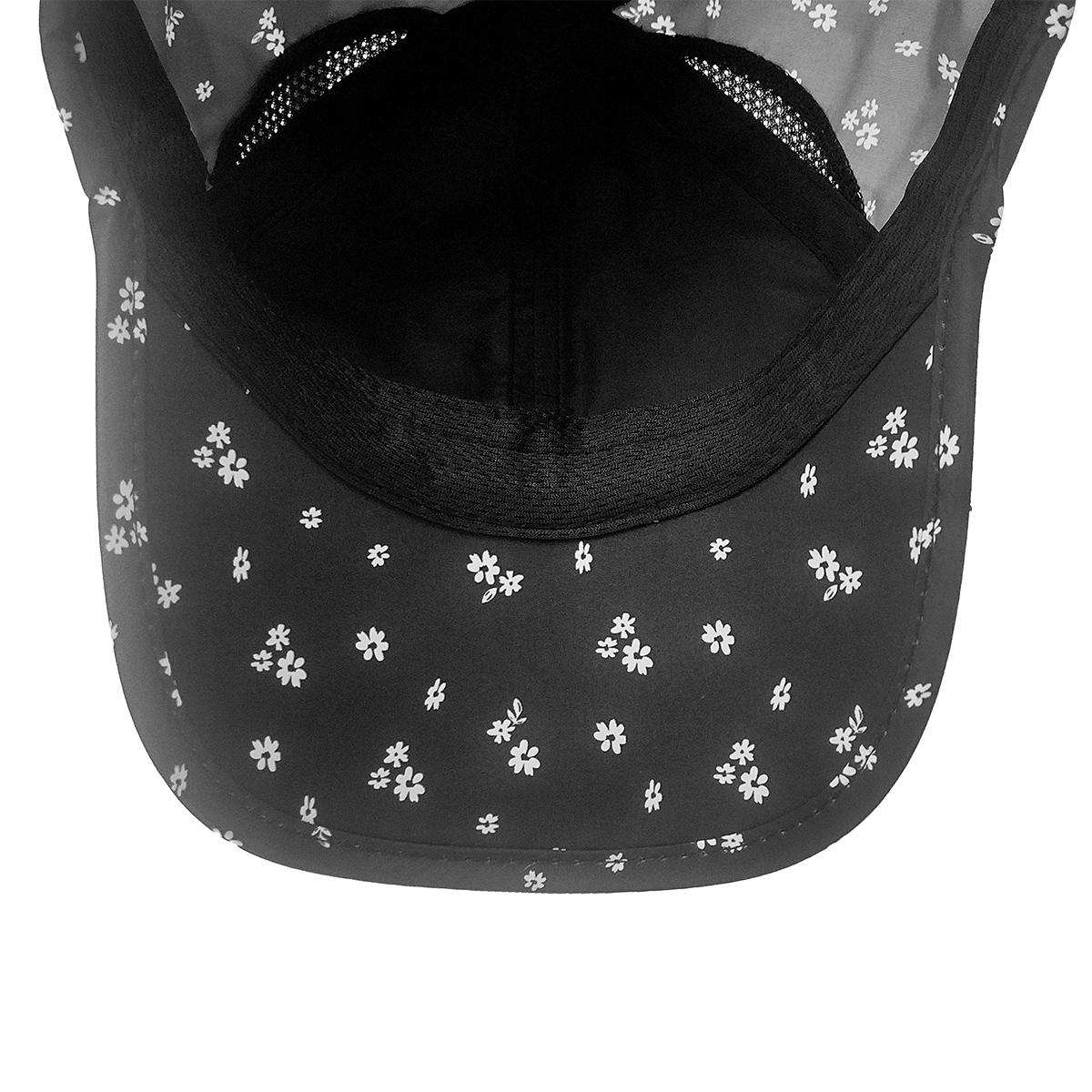
Direct sunlight doesn’t just heat your skin—it can make you squint, fatigue faster, and feel overheated. A lightweight, breathable cap shades your face and helps wick away sweat. Many performance hats are designed with mesh panels for airflow. Pair this with UV-blocking sunglasses to protect your eyes from glare and long-term sun damage. Together, these accessories make summer runs more comfortable and reduce the risk of heat-related fatigue.

Stick to Shaded Routes
When planning routes, consider tree-lined streets, wooded trails, or urban paths with consistent shade. Shade can reduce perceived temperature by several degrees, making your run much more manageable. Shaded surfaces also tend to retain less heat than asphalt or concrete in direct sun. If your neighborhood lacks shade, research local parks or running paths that can keep you out of the blazing sun. Even partial shade makes a noticeable difference on longer runs.
Adjust Your Pace
One of the biggest mistakes runners make in summer is expecting the same performance they achieve in cooler months. Heat and humidity increase your heart rate and energy expenditure, so it’s important to scale back intensity. Run by effort, not by pace—using your breathing and perceived exertion as a guide. Slowing down on hot days doesn’t mean losing fitness; it means training smarter. Over time, your body adapts to heat, and your endurance benefits in cooler seasons.
Monitor Your Heart Rate
Running in humidity can make exertion feel harder than it actually is. A heart rate monitor provides valuable data so you can stay in a safe range and avoid overtraining. If your heart rate spikes higher than usual at your normal pace, it’s a sign to slow down or take a walk break. Monitoring heart rate also helps you learn how your body responds to heat over time, making your training more effective and personalized.
Use Cooling Towels
Cooling towels or ice bandanas are simple yet powerful tools for summer running. Worn around the neck, they keep blood flowing to your head and core cooler, lowering overall body temperature. You can soak them in cold water before heading out, and they’ll stay cool for miles. On especially hot days, stash an extra towel in your hydration pack or car for post-run recovery. This little addition can make a big difference in comfort and performance.
Know When to Take a Rest Day
Perhaps the most important summer running tip is listening to your body. If conditions are extreme—or if you’re feeling dizzy, nauseous, or overly fatigued—it’s smart to take a rest day. Cross-training indoors with strength workouts, cycling, or swimming can help you maintain fitness without added heat stress. Remember: rest days are part of training, not time lost. Protecting your health ensures long-term consistency.
Gear Up for Summer Running Success
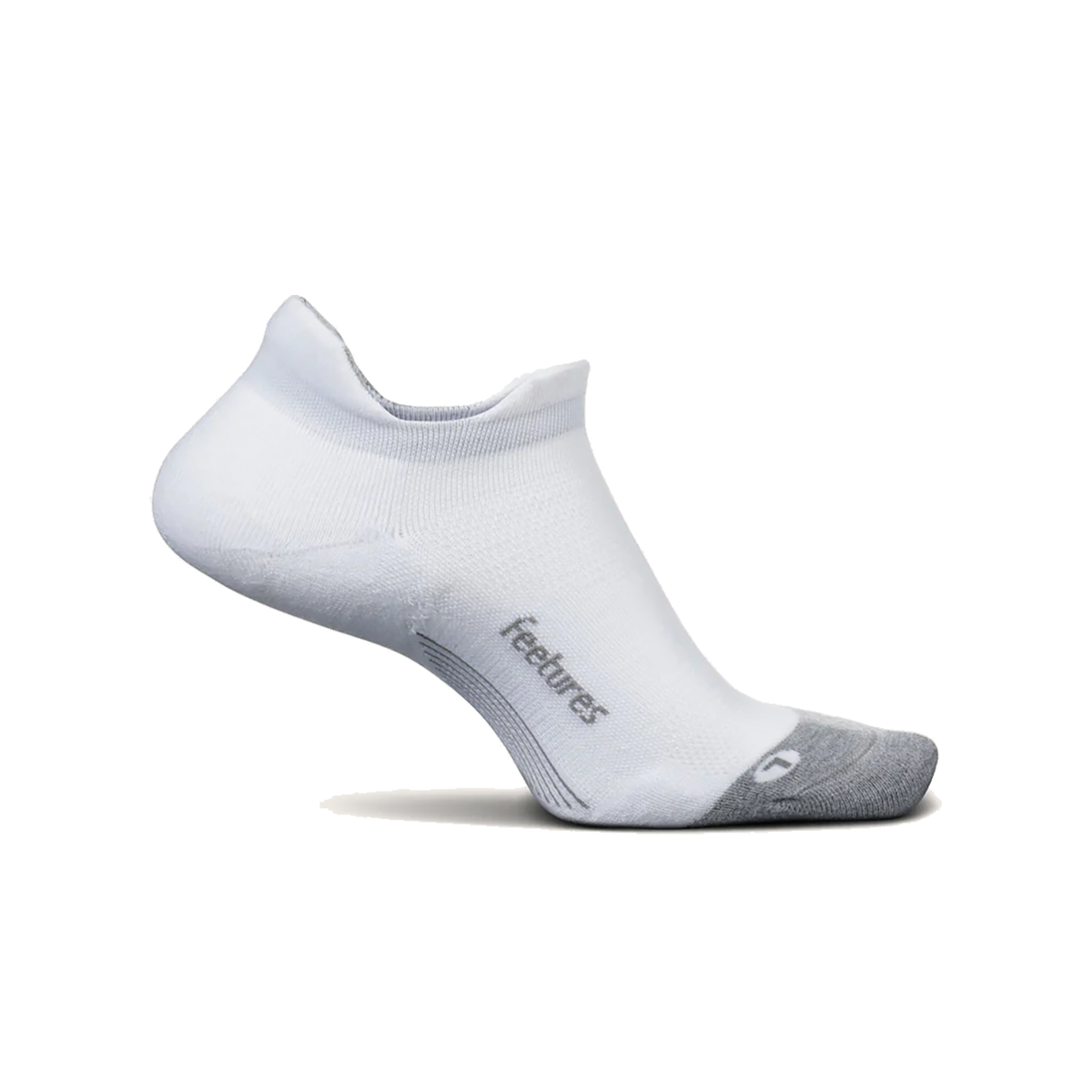
Having the right gear can make all the difference when training in hot weather. At Fit2Run, you’ll find everything you need for summer running—from breathable apparel and UV-protective hats to hydration systems and electrolyte products. We also carry lightweight running shoes designed to keep your feet cooler and drier in humid conditions. Shop our summer essentials and take on the season with confidence.