


HYROX is a hybrid fitness race held indoors that pairs steady running with functional workout stations—think sleds, rowing, lunges, carries, and wall balls. If the rhythm of running motivates you but you want strength and power in the same event, HYROX delivers a fun challenge you can train for without specialized equipment. This guide explains the format, helps you choose beginner‑friendly gear, and gives you a straightforward four‑week plan to build confidence. Let’s get after it! 💪🏃♀️
HYROX, in Plain English
The race flows in a predictable sequence: run, complete a workout station, repeat through eight total stations. Running is broken into short segments, so you never have to hold a long continuous effort. Stations commonly include SkiErg, sled push, sled pull, burpee broad jumps, rowing, farmers carry, sandbag walking lunges, and wall balls. Loads differ by division, which lets first‑timers start conservatively and level up over time.
Which Division Should You Enter?
- Open: A welcoming starting point for new racers or runners newer to gym work. Prioritizes rhythm and consistency over heavy loading.
- Pro: Heavier weights and higher intensity. Good match if you already strength train 3–4+ days per week and handle intervals comfortably.
- Doubles: Partners split the stations while both complete the run segments. Keeps intensity steadier and adds teamwork fun.
- Relay: Teams of four divide runs and stations. A low‑pressure way to experience the energy of race day.
Beginner Gear Checklist (What Matters Most)
- Stable training shoes: A low‑to‑moderate stack with a firm, grippy base helps during sled drives, lunges, and lateral moves. Runners who prefer extra cushion can choose a hybrid trainer that balances underfoot comfort with a stable platform.
- Optional support from insoles: Mixed‑movement days can fatigue arches. Cushioned neutral orthotics like Aetrex L700 Men's (and the women’s counterpart) add shock absorption without changing your shoe’s feel too much, while a more structured option such as Aetrex L800 Women's can help resist foot collapse under sled loads. Pick the profile that feels natural during your practice workouts.
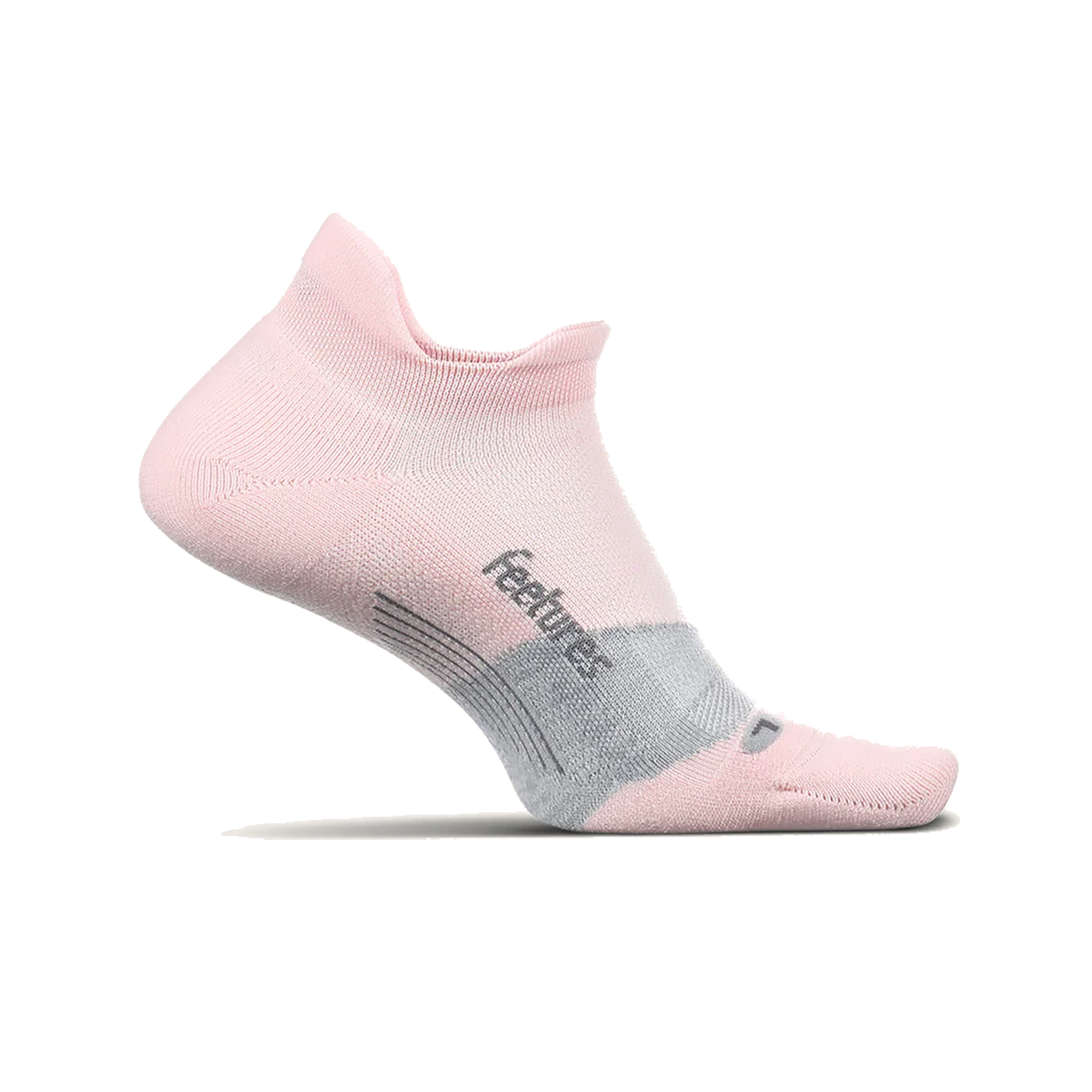
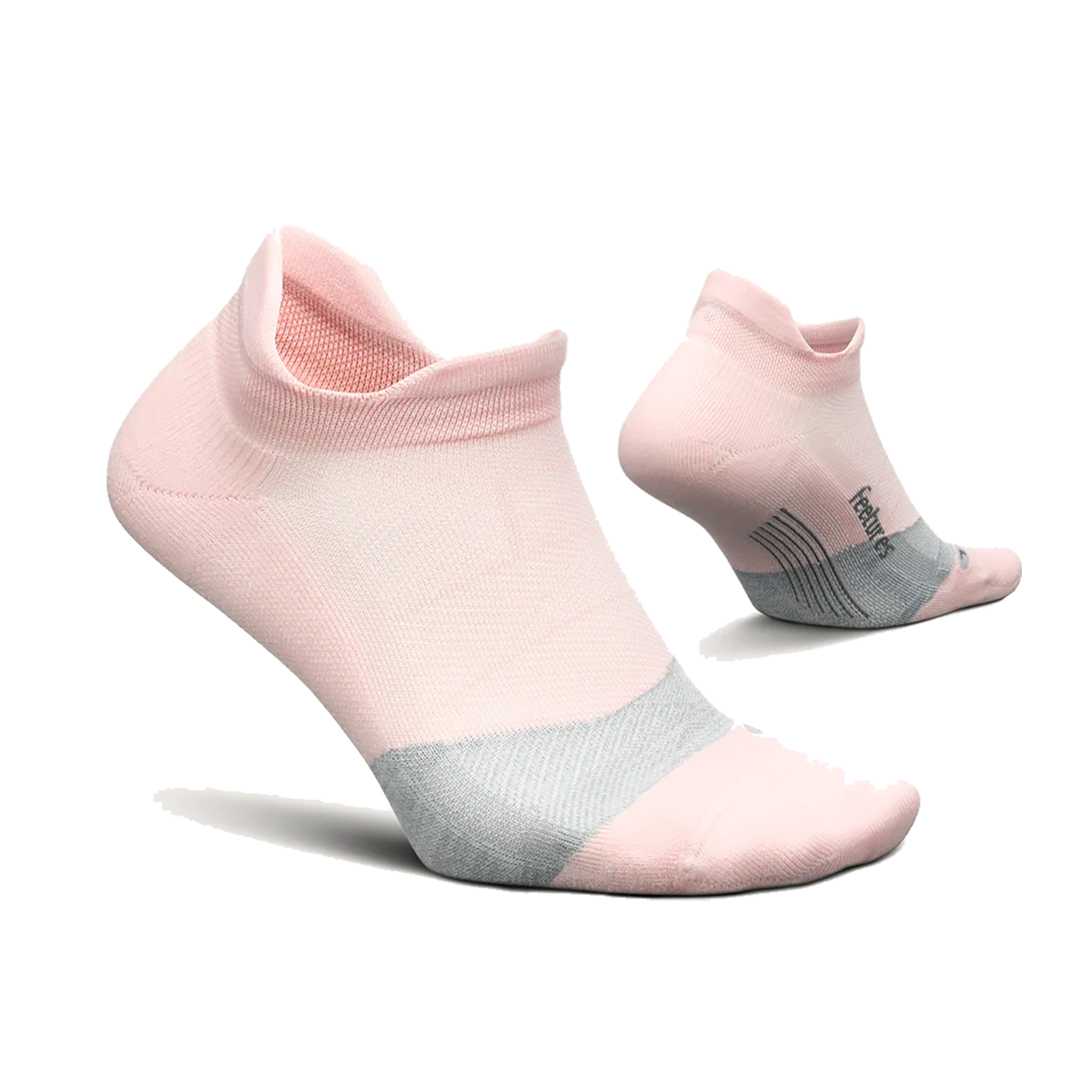
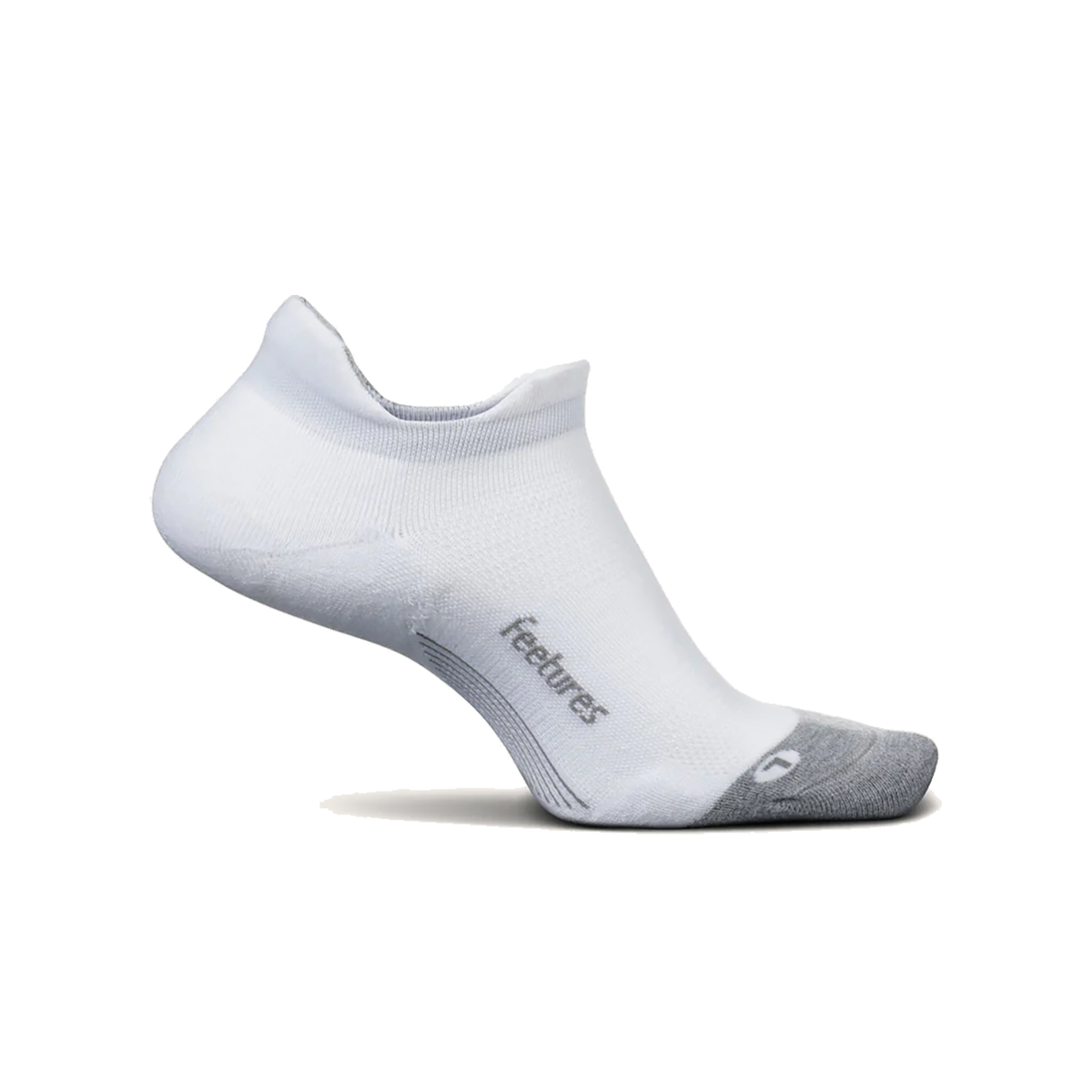
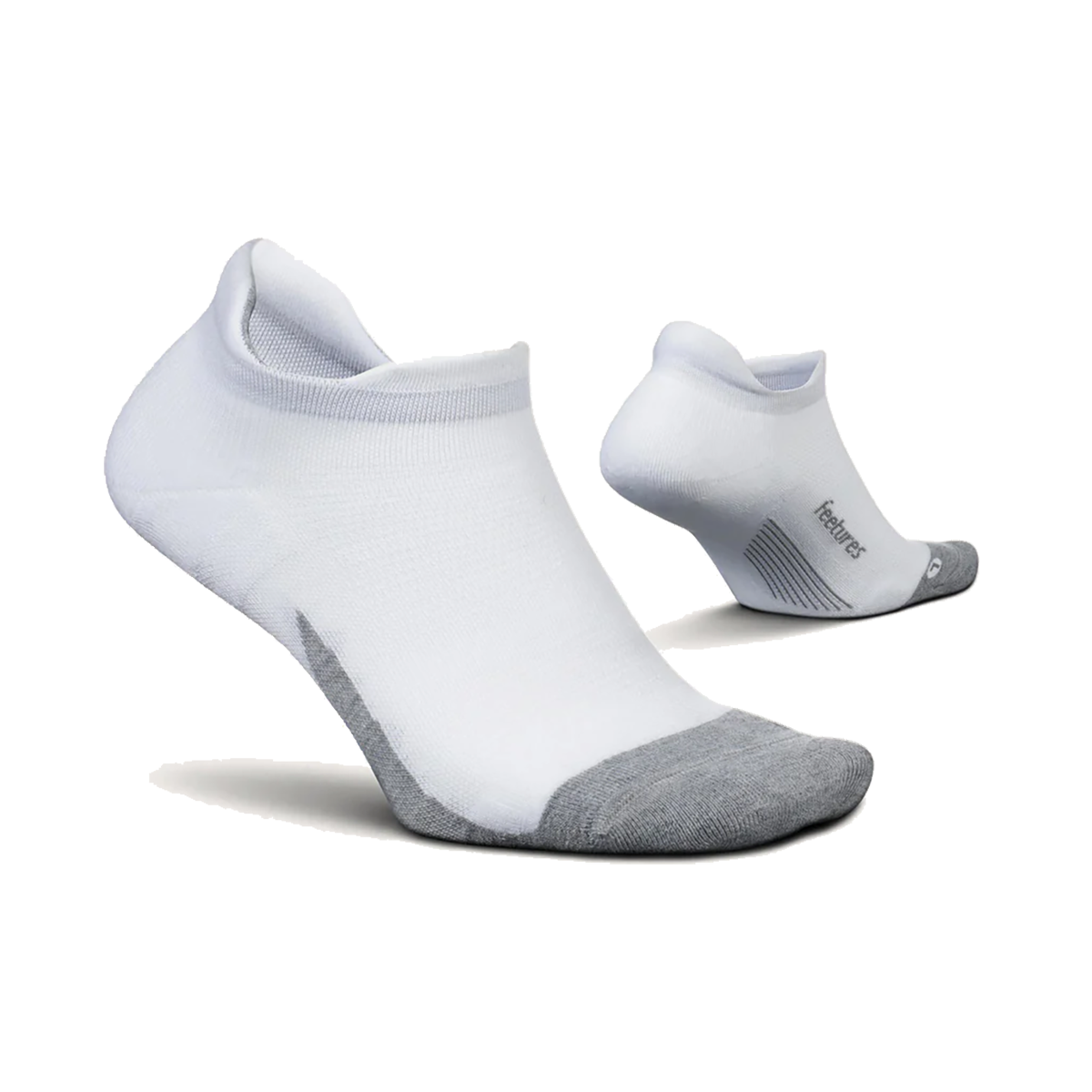
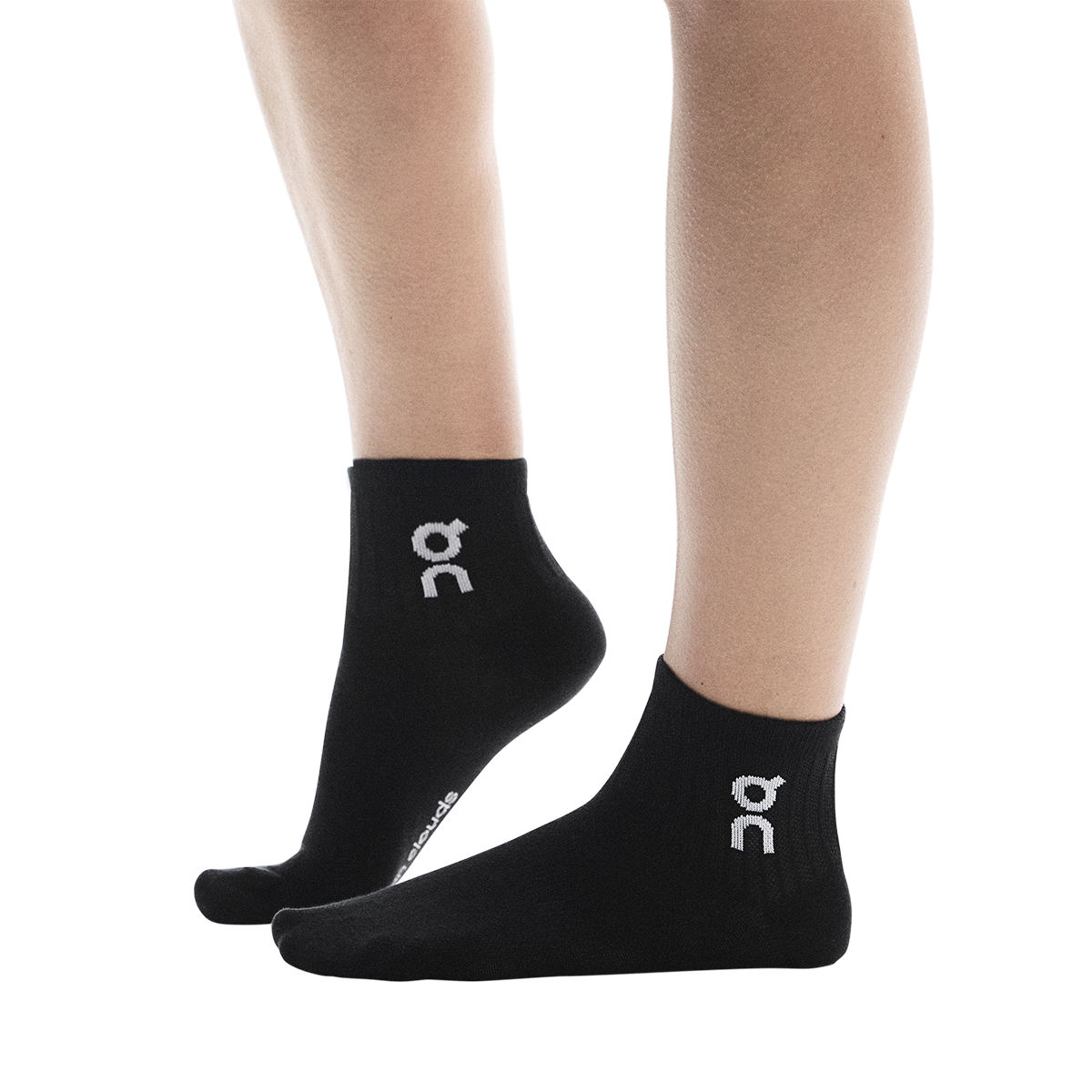
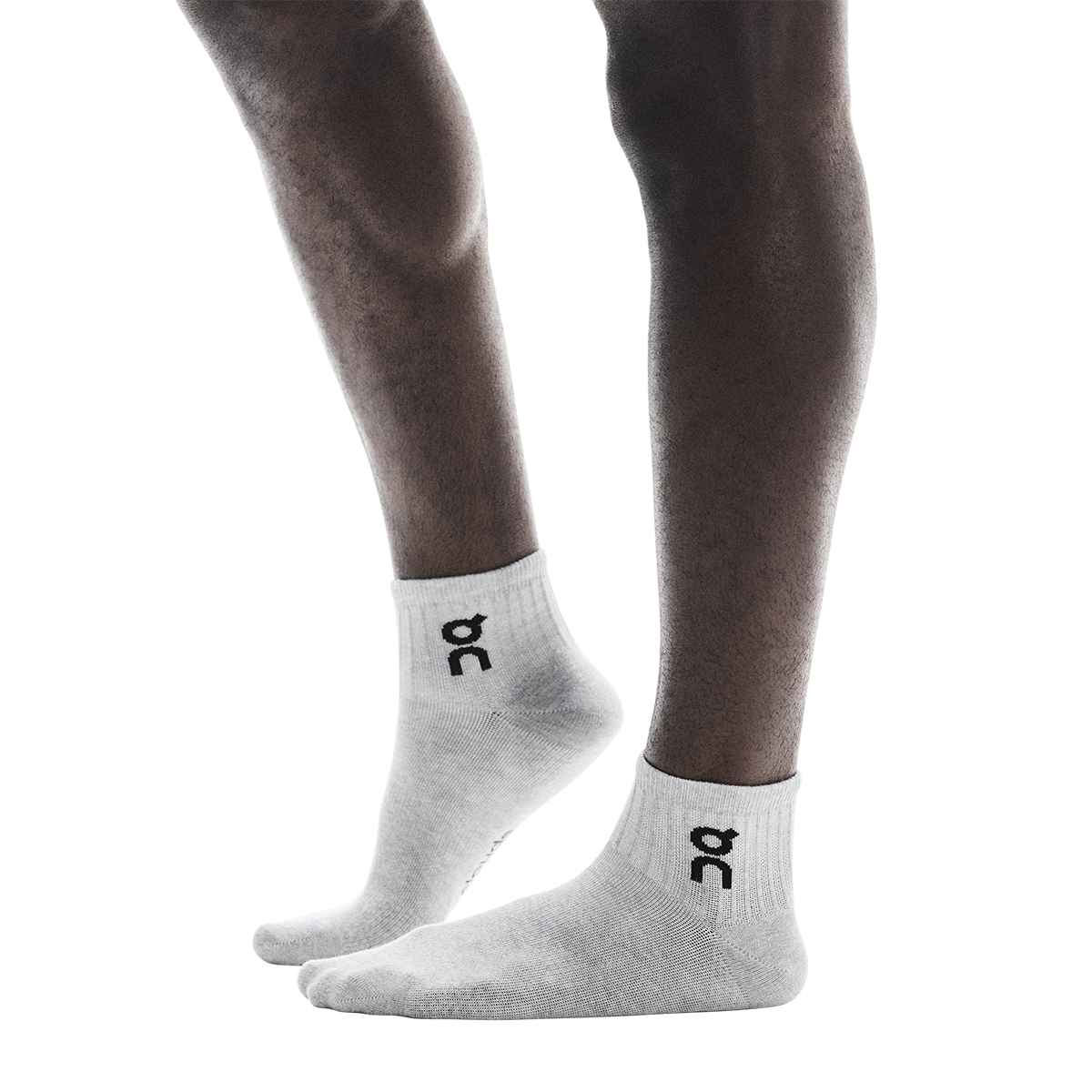
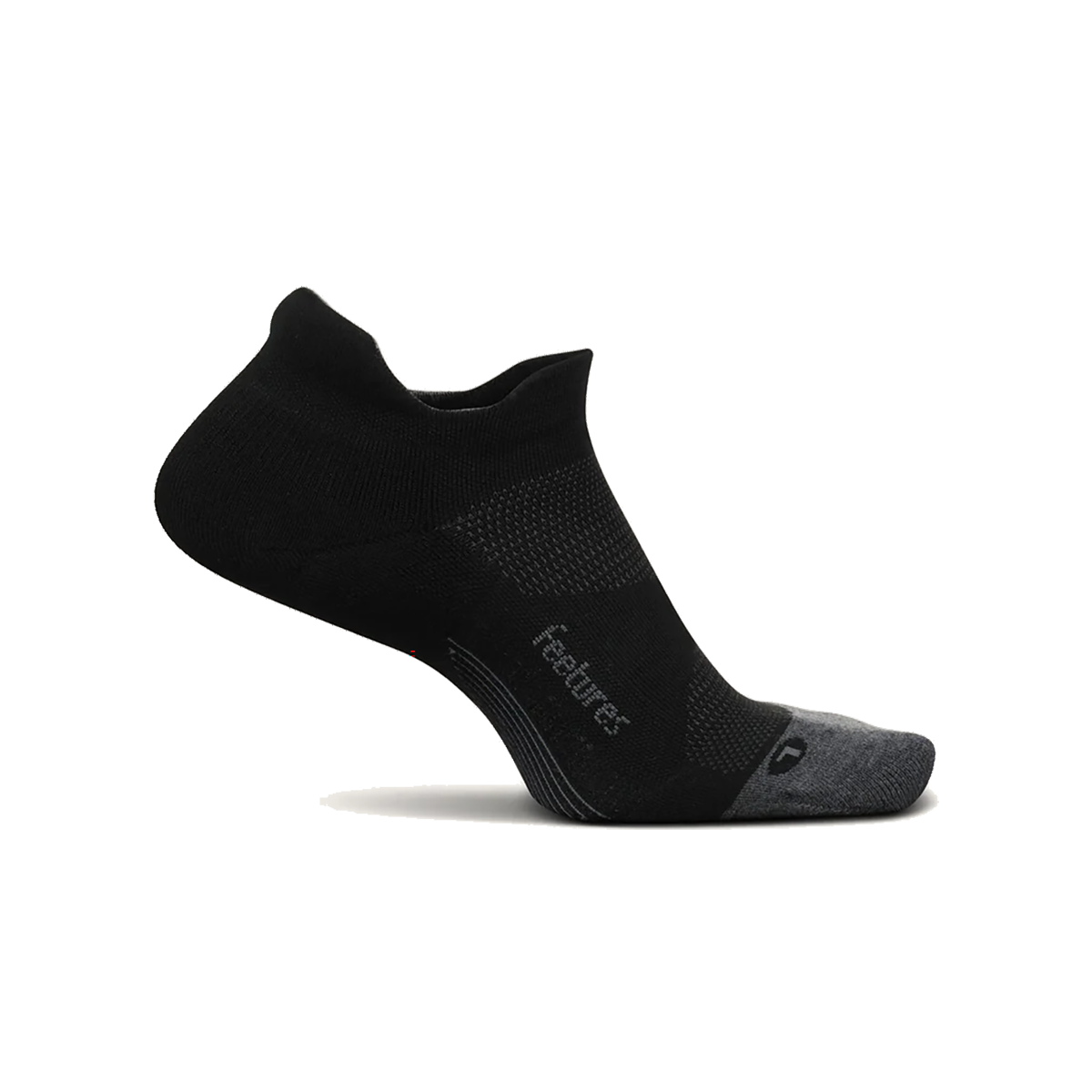
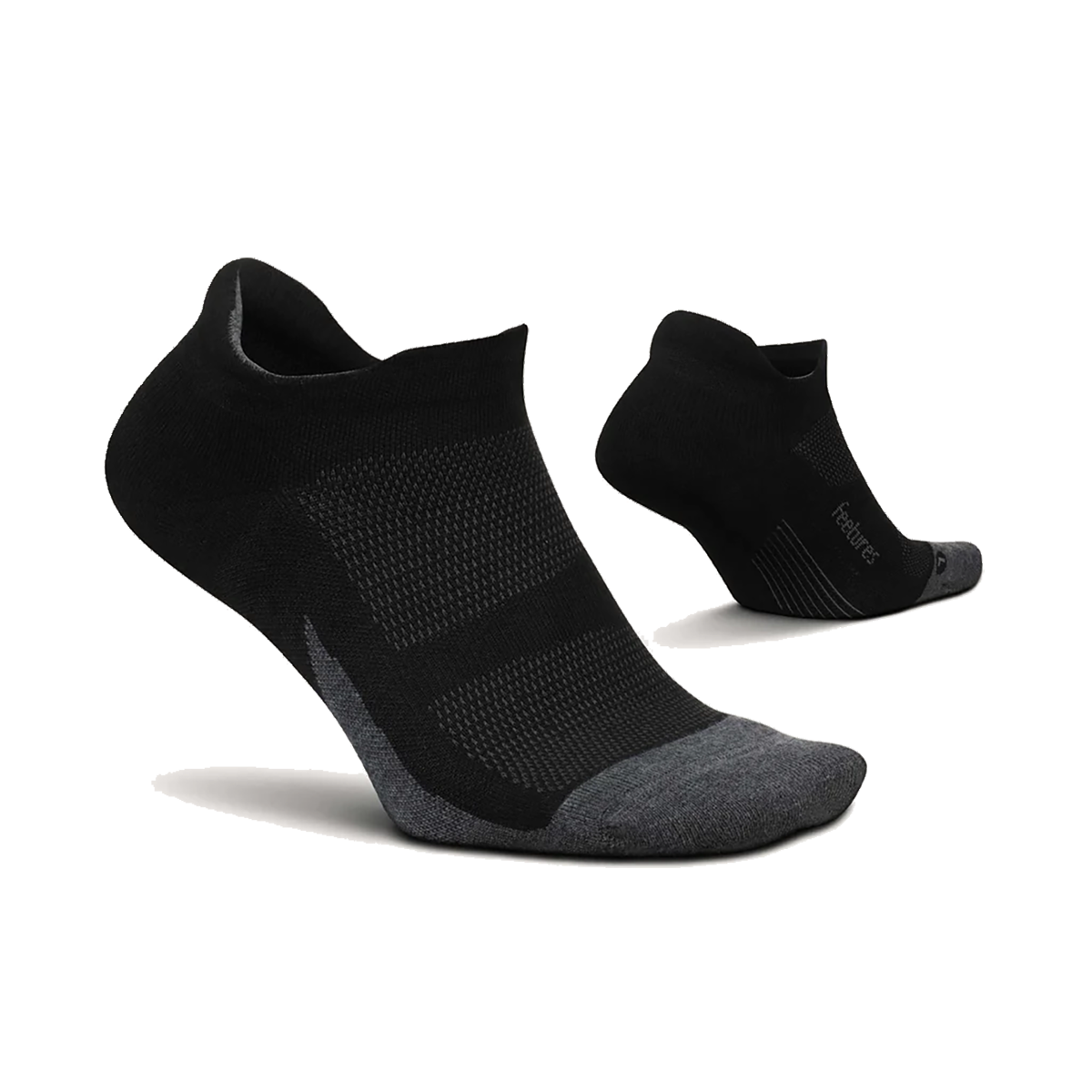
- Breathable socks: Choose thin, wicking crews to reduce blisters and add light Achilles coverage during station work.
- Hand protection (optional): Chalk or light grip gloves can help on sweaty farmers carries—use sparingly so you still feel the implement.
- Simple fueling: For most Open‑division efforts, water plus a familiar carb snack 30–60 minutes pre‑start is plenty. Test your plan in training.
Running Shoe vs. Cross‑Trainer vs. Lifting‑Leaning Trainer
If you’re deciding what to wear on race day, this quick matrix highlights tradeoffs. Choose based on which sections you want to feel easiest.
| Option | Best For | Pros | Cons |
|---|---|---|---|
| Light running trainer | Comfortable 1K runs and smooth jogging | Familiar ride for runners; cushioned landings | Less lateral stability for sleds and cuts |
| Hybrid cross‑trainer | Balanced running + stations | Stable platform, decent cushioning, strong grip | Firmer feel; not as plush on longer runs |
| Lifting‑leaning trainer | Max control for sleds/carries | Very secure base for heavy tasks | Heavier and stiffer during runs |
How to Train for HYROX (4‑Week Starter Plan)
This plan fits a typical U.S. gym setup. If you don’t have exact implements, use the swaps. Aim for 2–3 runs and 2–3 strength/skill sessions per week, plus one full rest day. Keep the effort conversational on easy days so you recover between sessions.
Weekly Structure
- Day 1 – Easy Run + Core: 25–35 minutes easy; then 8–10 minutes of planks, dead bugs, and side planks.
- Day 2 – Station Skills: 3–4 rounds: 400 m run (or 2–3 minutes) + 500 m row, sled push 15–20 m, sled pull 15–20 m, 10–12 wall balls. Rest ~2 minutes between rounds. Swaps: prowler for sled; kettlebell drag for pull.
- Day 3 – Strength: Back squat or goblet squat, hip hinge (RDL), push (DB bench or push‑ups), pull (rows or pull‑downs), 3–4 sets of 6–10. Add walking lunges or step‑ups for single‑leg control.
- Day 4 – Intervals: 6–8 × 1:30 hard / 1:30 easy on a track or treadmill. Keep the final two reps controlled, not all‑out.
- Day 5 – Mixed “Brick”: 3 rounds: 1K run + 20 burpee broad jumps (distance‑focused), 200 m farmers carry, 500 m SkiErg (or 400 m row). Rest ~3 minutes.
- Day 6 – Optional Zone 2 / Mobility: 30–45 minutes low‑intensity cardio + 10 minutes hips/ankles/upper‑back mobility.
- Day 7 – Rest: Walk, hydrate, sleep.
Progression Across 4 Weeks
- Week 1: Learn the movements. Lighter loads, break early, emphasize clean reps.
- Week 2: Add a round to Station Skills or Brick day; nudge sled load slightly.
- Week 3: Hold loads steady; trim rest by ~15–20% on mixed sessions.
- Week 4: Consolidate gains. Practice smooth transitions between run and station at a sustainable pace.
Technique Tips for Common Stations
- Sled Push/Pull: Drive through mid‑foot with hips slightly below shoulders; short, quick steps beat over‑striding.
- Row/Ski: Sequence legs–hips–arms on the drive; arms–hips–legs on the return. Breathe each stroke.
- Farmers Carry: Choose loads that challenge grip but allow tall posture. Quiet, quick steps save calves for the next run.
- Sandbag Lunges: Step softly, keep knees tracking over mid‑foot, and tap the back knee lightly—don’t crash.
- Wall Balls: Sit between the heels for depth, keep the ball close on the way down, and exhale on the throw.
Smart Recovery and Injury‑Aware Training
Runners usually handle the running fine but feel new soreness from sleds and lunges. Manage load increases and rotate shoe types during the week if you have them. If tendons get cranky, one easier cross‑training day can help you stay consistent—see When to Use a Cross‑Trainer Day to Offload Tendons and Load Management, Recovery, and Injury Prevention for Runners.
Race‑Week Playbook (U.S. Event Timing)
- 5–7 days out: Do one light station rehearsal with short 400 m runs. Keep everything submaximal and tidy.
- 48 hours out: Brief shakeout jog or brisk walk, easy mobility, early bedtime.
- Race morning: Eat something familiar 2–3 hours before your start. Warm up with 5–8 minutes of easy jogging, dynamic drills, 2–3 short pickups, and a few practice wall balls at your target rhythm.
Frequently Asked Questions
Do I need “HYROX‑specific” shoes?
No. Many beginners race in lightweight daily trainers. If sleds and lateral moves feel wobbly, try a firmer cross‑training style for a more stable base. Prioritize confidence over labels.
Are carbon‑plated super shoes a good idea?
They’re fast for road racing, but the tall, springy feel can be unstable for sleds and lunges. Most first‑timers prefer a lower, grippier trainer for mixed work.
Should I use insoles?
If arches or calves fatigue during station work, supportive orthotics can help. Compare a cushioned neutral profile to a structured option to see what feels best. For example, a cushioned neutral insert and a more structured insert such as the L800 give different sensations under sled loads—test during practice, not on race day.
How often should I train HYROX each week?
Two to three HYROX‑style sessions plus one to two easy runs work well for most beginners. Add volume gradually and keep a full rest day.
Next Steps
- Try one “run + station” session this week to practice smooth transitions.
- Dial footwear on mixed sessions—if you want extra cushion without much change in shoe feel, test a neutral insert like the L700; if you want added control, compare with a structured profile such as the L800. If you primarily care about running feel during intervals, also consider a performance‑leaning option like Aetrex L720 Men's to see how your arches respond at speed.
- Build sustainable habits with Base Phase (Weeks 1–4): Comfort Miles—Shoes, Socks, and Simple Recovery Wins and keep tabs on fit details during mileage with Wide/Narrow Fit for Marathon Volume: Preventing Toe Issues Late in the Race.